
Last updated November 18, 2026
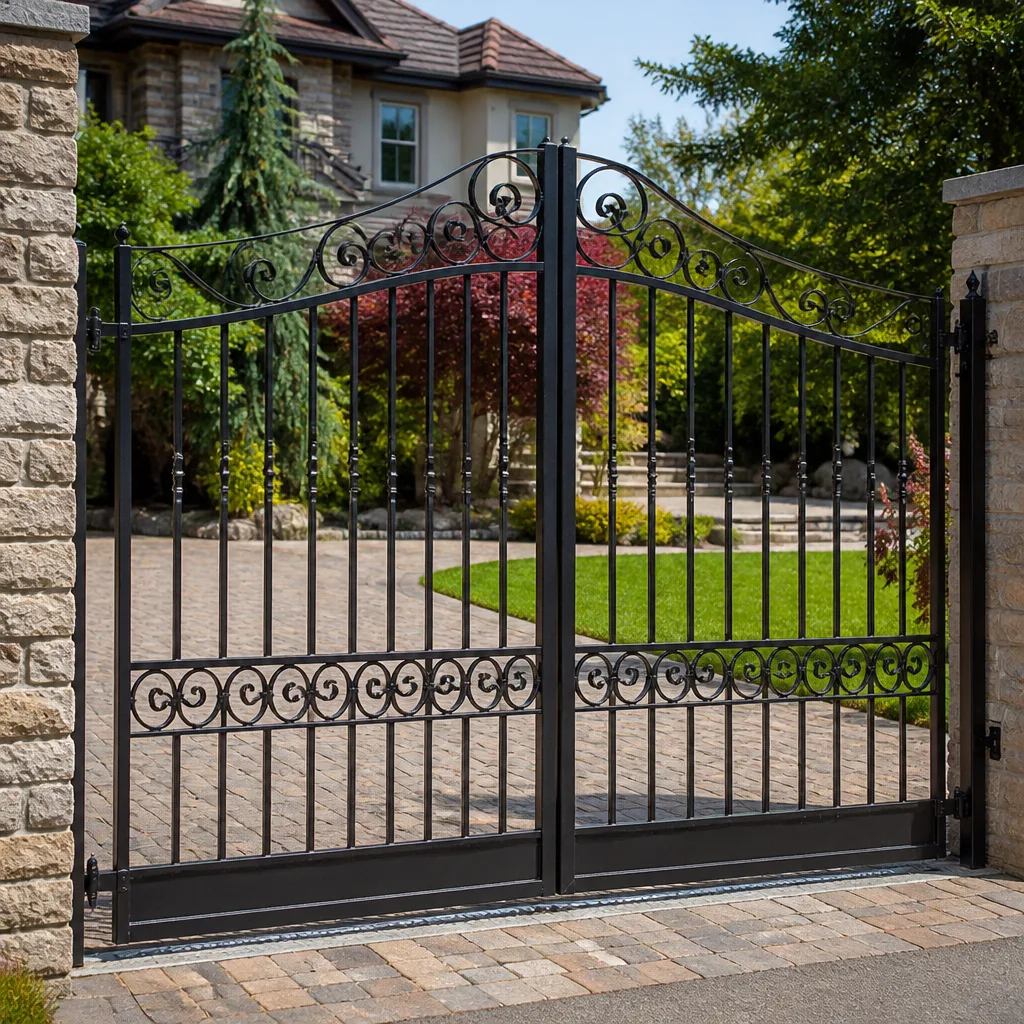 Wrought iron
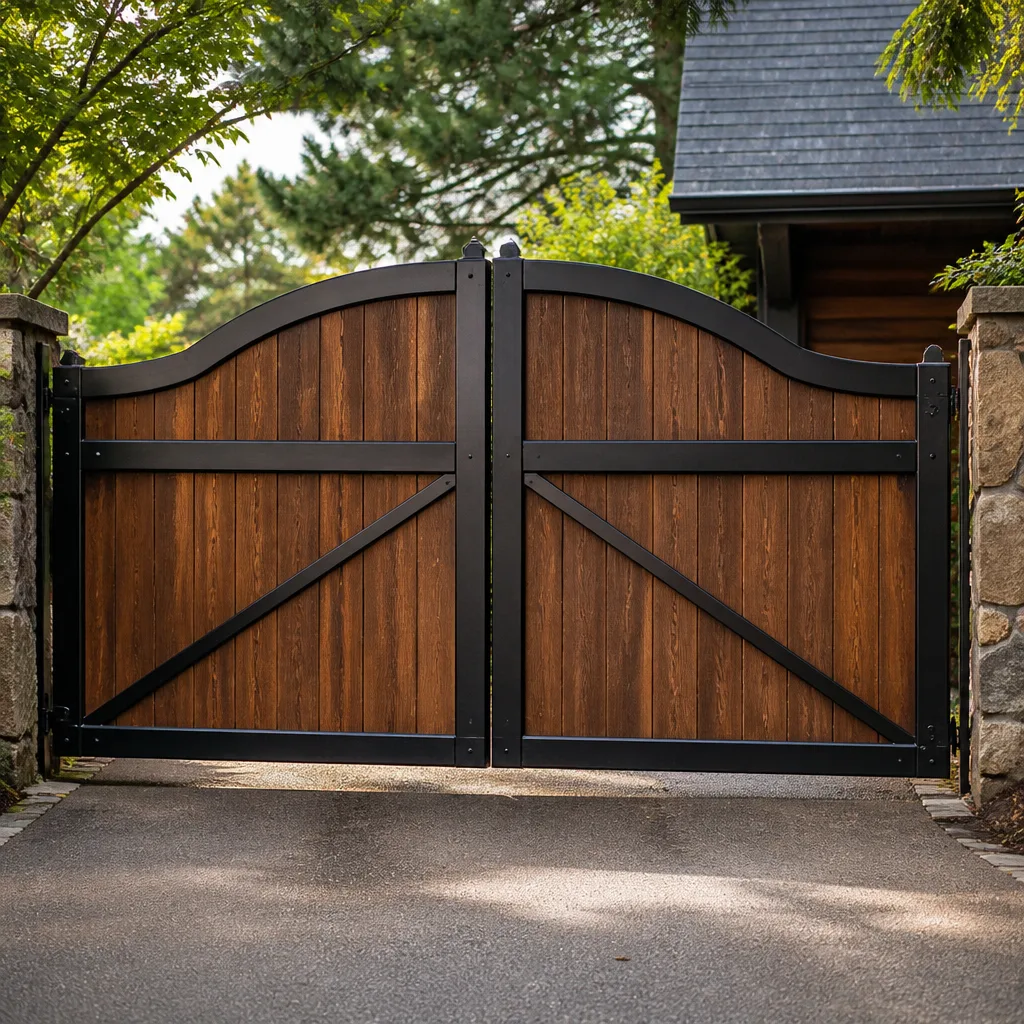 Wood & steel frame
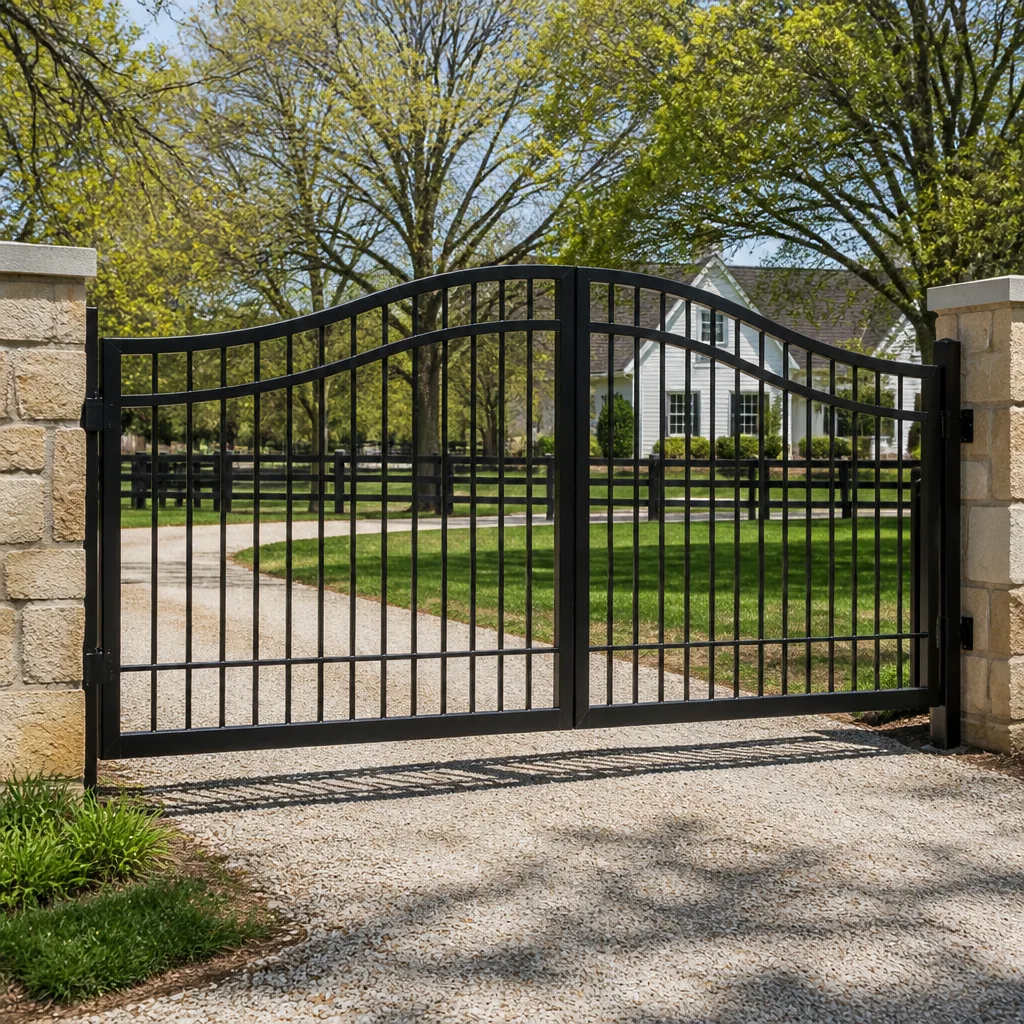 Farm & ranch
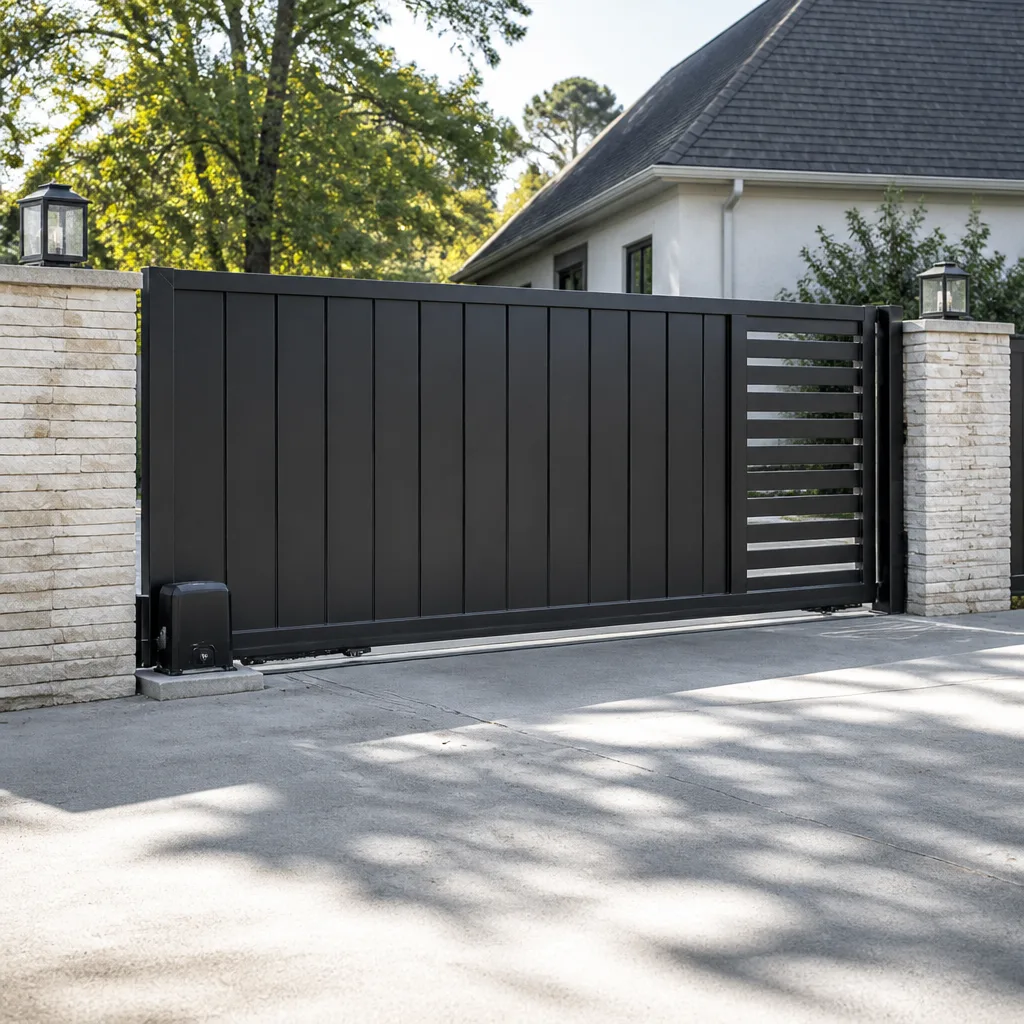 Sliding driveway gates
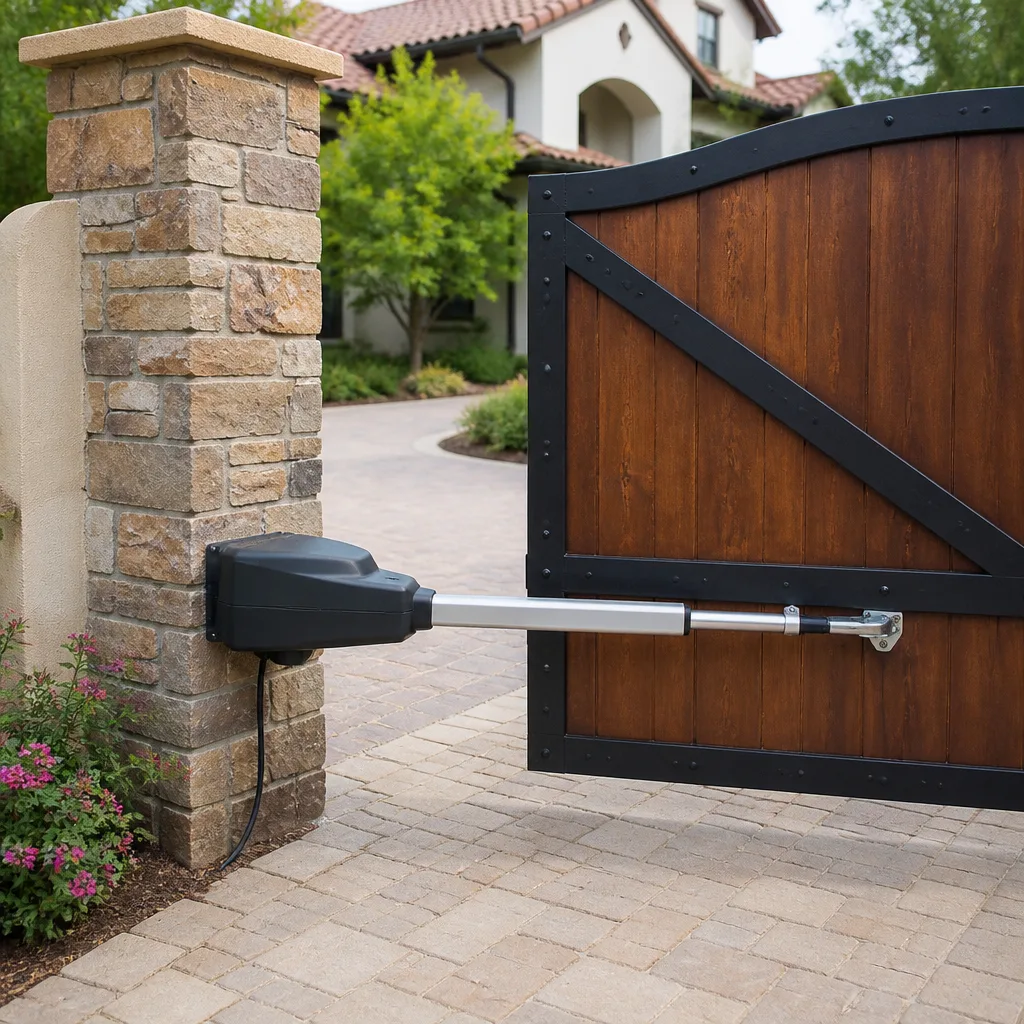 LiftMaster operators
Free on-site gate assessment - hinges, posts, and your LiftMaster or Nice gate operator checked before anything is quoted
The assessment is free and the quote is the invoice.
Get your free estimateHow Long Does Gate Access Control Take? Timelines and What to Expect
A simple keypad swap takes about 45 minutes. The same job on a gate that somebody once wired with a mix of 18-gauge and 22-gauge wire through a junction box packed with electrical tape takes three hours, and the homeowner had no idea that was coming. That gap between the quote and the reality on the ground is where most access control frustration starts. We’re Gatewood Fence & Gate Enterprise, and we’ve opened enough control boxes around Enterprise to know exactly which surprises hide inside. This guide gives you honest timelines by job type, names the three hidden time-killers that blow up a schedule, and shows you why the last half hour of a job matters as much as the first.
Quick Answer
Most gate access control jobs take between 45 minutes and a full day. A like-for-like keypad or card reader replacement runs 45 to 90 minutes, adding an intercom or loop detector runs 2 to 4 hours, and a full control board swap with new credentials and testing runs 4 to 8 hours. Anything involving trenching a new power or data line, or work that needs a Clark County permit, stretches across days and weeks rather than hours.
Styles & brands we work with
- Wrought iron
- Wood & steel frame
- Farm & ranch
- Sliding driveway gates
- LiftMaster operators
Table of Contents
- Timelines by Job Type
- The Three Hidden Time-Killers
- What a Site Assessment Is Really Doing
- Permit Timelines in Clark County
- What “Done” Actually Looks Like
- Common Mistakes to Avoid
- When to Call a Professional
- Frequently Asked Questions
Timelines by Job Type
Homeowners ask “how long will this take” and usually get a best-case number that assumes a clean gate, good wiring, and a dedicated power circuit. Here’s the honest range instead, based on what we actually see across Enterprise and the surrounding valley.
- Keypad replacement (like-for-like): 45 to 90 minutes. If the old keypad comes off and the new one uses the same wire and voltage, this is quick. DoorKing and LiftMaster keypads are the most common we swap.
- Card reader or fob system install: 1.5 to 3 hours. Programming credentials and confirming the reader talks to the controller adds time.
- Intercom integration: 2 to 4 hours. Running the audio line, setting the call destination, and testing both ends is the bulk of it.
- Exit loop detector installation: 2 to 4 hours if the slab is already cut; a full day or more if we’re saw-cutting new asphalt or concrete for the loop.
- Full control board swap: 4 to 8 hours. Removing the old board, mapping every input and output, connecting safety edges and loops, then testing every credential and failover.
- New power or data run (trenching): 1 to 3 days depending on distance and what’s under the ground. This is where a “quick” job turns into a project.
Notice the pattern. The hardware sets the floor, and everything else sets the ceiling. A keypad you could install in an afternoon becomes a three-hour job the moment the old install was dodgy. That’s exactly why we don’t quote firm hours over the phone before we’ve seen the gate.
The Three Hidden Time-Killers
In our experience, almost every schedule surprise on an access control job traces back to one of three things. None of them show up in a phone quote, and all of them are fixable once someone lays eyes on the gate.
1. Prior bad wiring
Mixed wire gauges, junction boxes full of electrical tape, splices buried in dirt, and low-voltage wire run right alongside the 120-volt feed. We’ve opened boxes in Enterprise that looked like someone closed their eyes and twisted. Bad wiring doesn’t just slow the install; it’s a safety issue and a reliability issue. A board fed by sagging voltage will drop credentials and act haunted. Rewiring a run can add an hour or add half a day.
2. No dedicated transformer circuit
Access control needs stable, dedicated power. When a gate operator and a keypad are sharing a circuit with outdoor lighting or a shop outlet, the control board browns out every time the compressor kicks on. If there’s no dedicated transformer circuit, one has to be added, and that means an electrician on site or a return visit. That alone can push a one-day job into two.
3. A gate that isn’t mechanically square
This is the one homeowners never see coming. Access control installs cleanly only on a gate that opens and closes cleanly. If the gate sags, drags, or won’t latch, the operator fights it on every cycle, and the safety sensors trip on imaginary obstacles. We can’t get a reliable read on a control board’s behavior until the gate itself moves right. A sagging hinge or a bent panel has to be dealt with first, often the same visit, sometimes before we start the electronics. The good part: our gate repair in Enterprise work happens in your driveway, so we fix the sag and finish the access control in one trip when it’s a weld-and-hinge job.
None of these are reasons to panic. They’re reasons a site assessment exists.
What a Site Assessment Is Really Doing
A site assessment is not a sales visit. It’s the technician figuring out which of those three time-killers is hiding in your particular install, and how much of the job is wiring versus hardware versus gate mechanics.
Here’s what a real assessment walks through, in order:
- The gate itself. Does it swing or slide freely? Does it latch? Where’s the sag, and is it the hinge post, the panel, or the operator?
- Power. Is there a dedicated circuit at the operator? What’s the actual voltage at the control box under load? Is there a transformer, and is it the right size?
- Wiring. What gauge, what condition, and where does the run go? Any splices, any buried junctions, any mixed wire?
- Existing hardware. Which brand of board, keypad, and reader are in place, and what does a replacement need to talk to? DoorKing and LiftMaster boards each have their quirks.
- Code and permitting. Is the gate near a right-of-way or property line where Clark County gets involved?
That walkthrough is why our quotes hold. We’d rather spend 30 minutes up front than hand you a number that changes at the door. No-hassle upfront pricing isn’t a slogan; it’s the whole point of looking before we quote.
Permit Timelines in Clark County
Most homeowners don’t know that access control work near a right-of-way can require a permit. If a new gate, operator, or keypad post sits in or near the public right-of-way, or if the work involves trenching and new electrical, Clark County may want a permit and an inspection before anything gets energized. That timeline is measured in days to weeks, and it can’t be shortcut.
What triggers it most often:
- Any new trench and conduit run carrying power or low-voltage data to a gate near the street.
- New gate or operator posts set within a right-of-way or easement.
- Electrical work that requires an inspection before power-up.
We flag permit triggers during the assessment. If your job needs one, we tell you up front what the county timeline looks like so you’re not standing around wondering why the crew hasn’t shown. For a wider view of how permits interact with other gate work, our gate installation in Enterprise guide covers the full picture.
What “Done” Actually Looks Like
The last 30 minutes of an access control job aren’t wasted time. They’re the difference between a system that works today and a system that works in August when it’s 110 degrees and the power flickers.
Here’s what we test before we call a job done:
- Every credential. Every keypad code, fob, card, and remote gets tested at the reader and confirmed at the controller. Not spot-checked. Every one.
- Every exit loop and safety device. Vehicle loops, safety edges, and photo-eyes get tripped on purpose to confirm the gate reverses and stops correctly.
- Backup power failover. We pull the main power and watch the battery backup take over, then restore and confirm the board comes back clean.
- Manual release. The manual disconnect gets exercised so you know how to open the gate by hand if you ever need to.
- Close and latch. The gate has to close and latch on its own every time, not just once.
That testing discipline is why our 90-Day Done Right Promise is stamped in writing on every job. If something we touched doesn’t hold up, we come back and make it right. One call, no runaround.
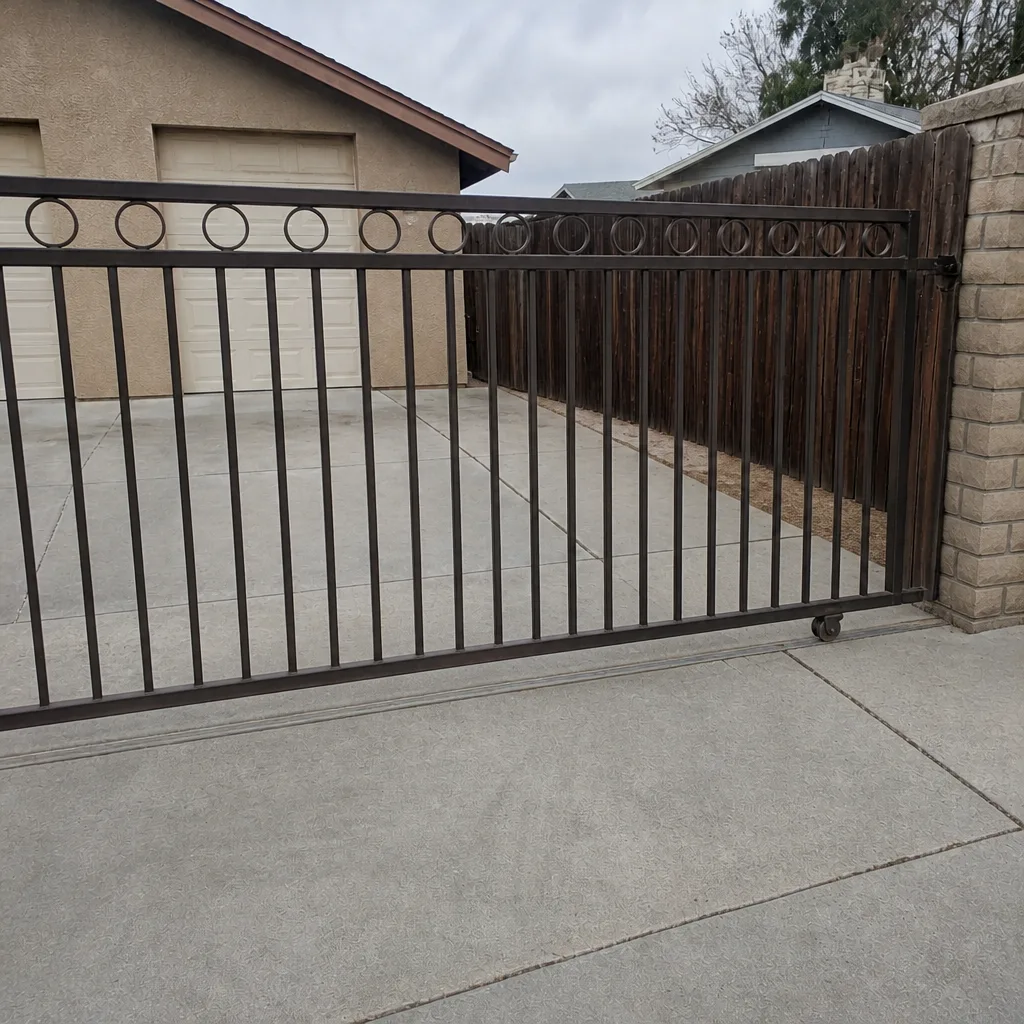
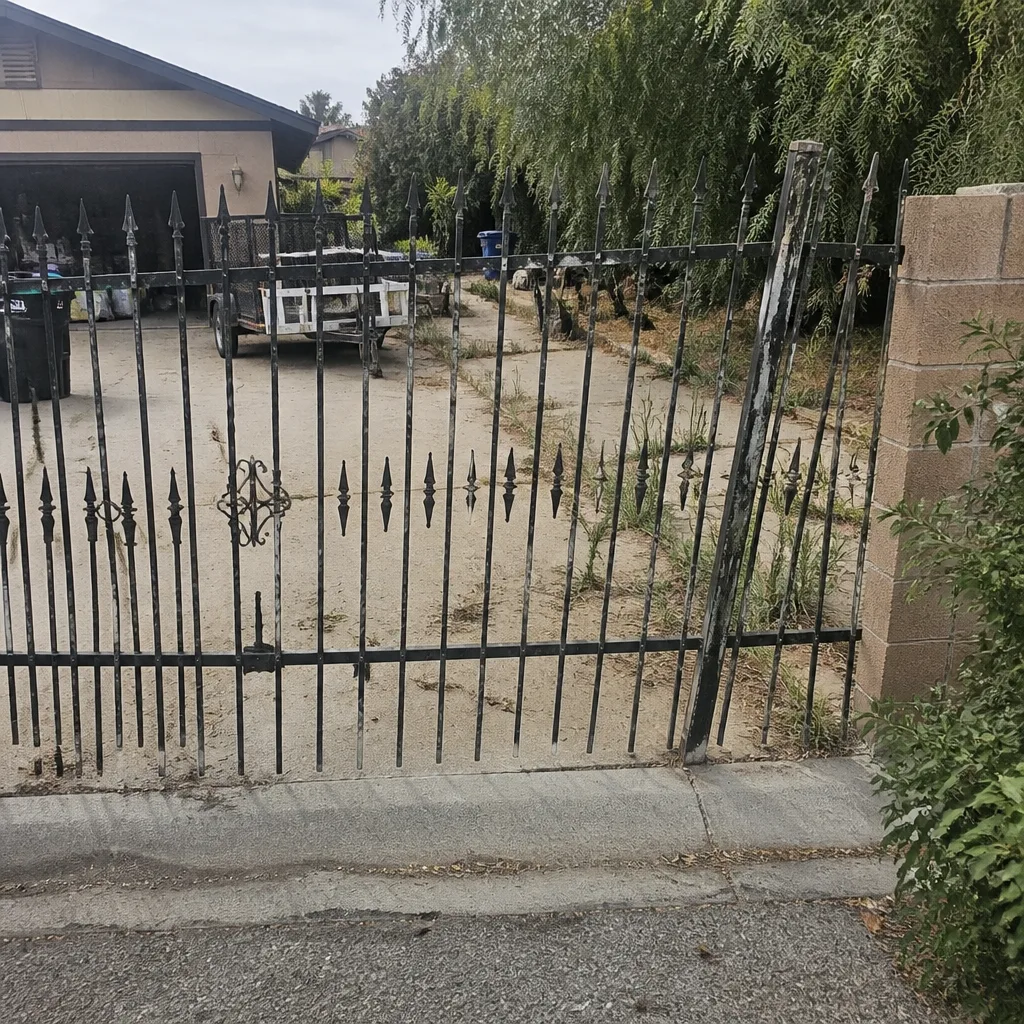
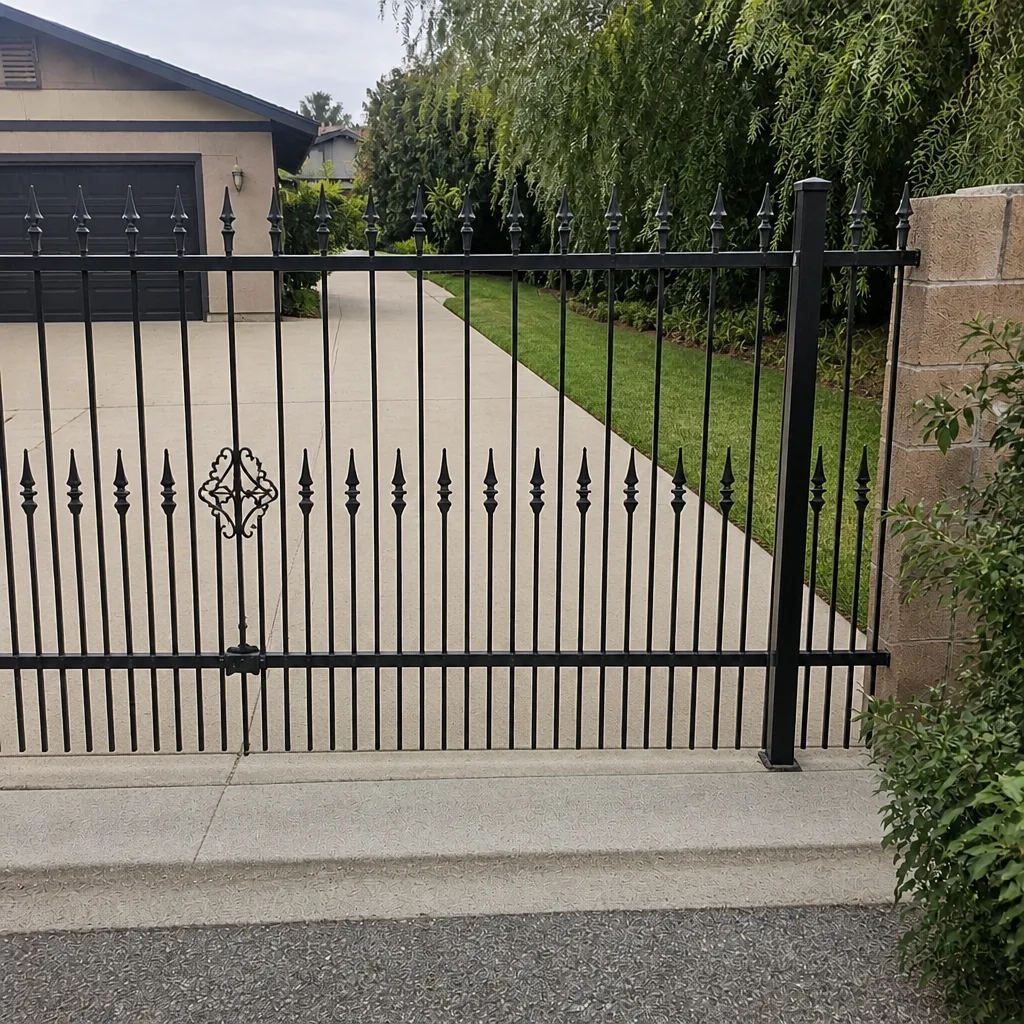
See the difference
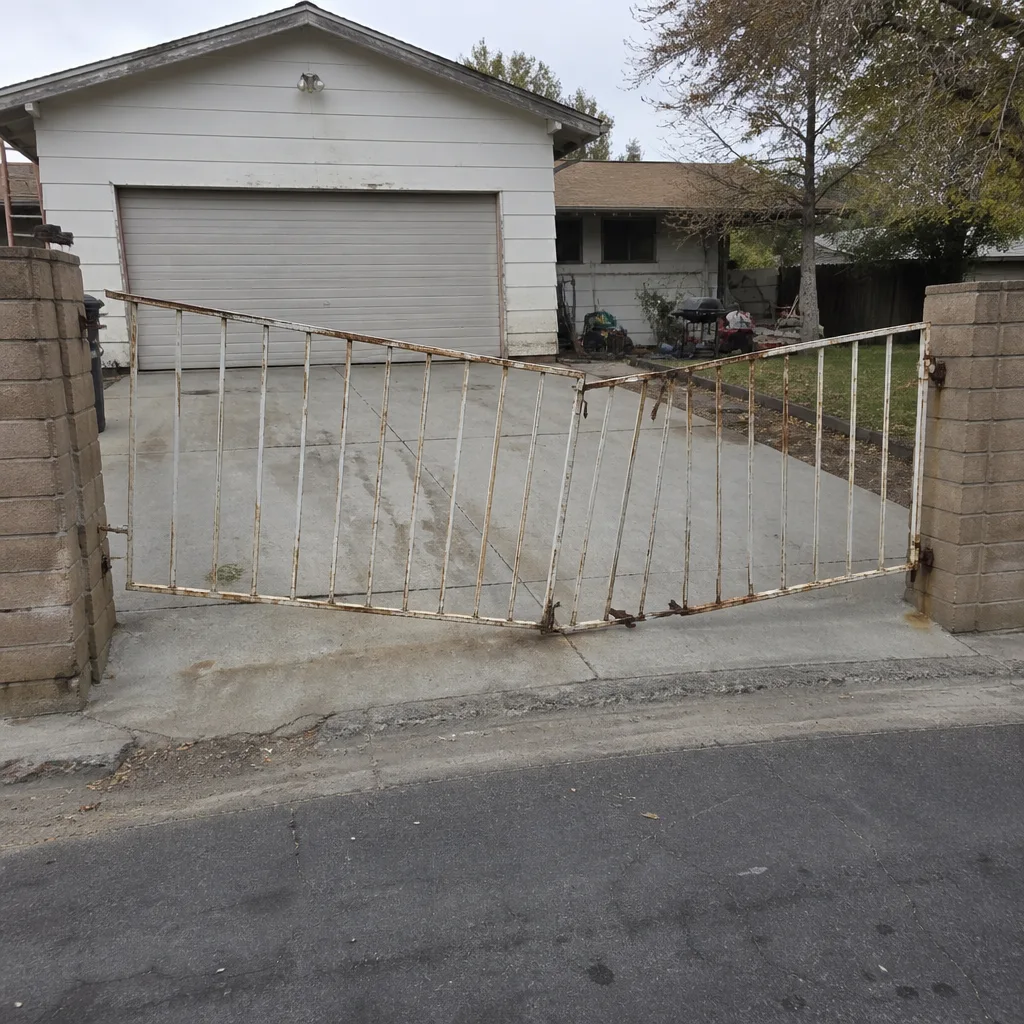 Before
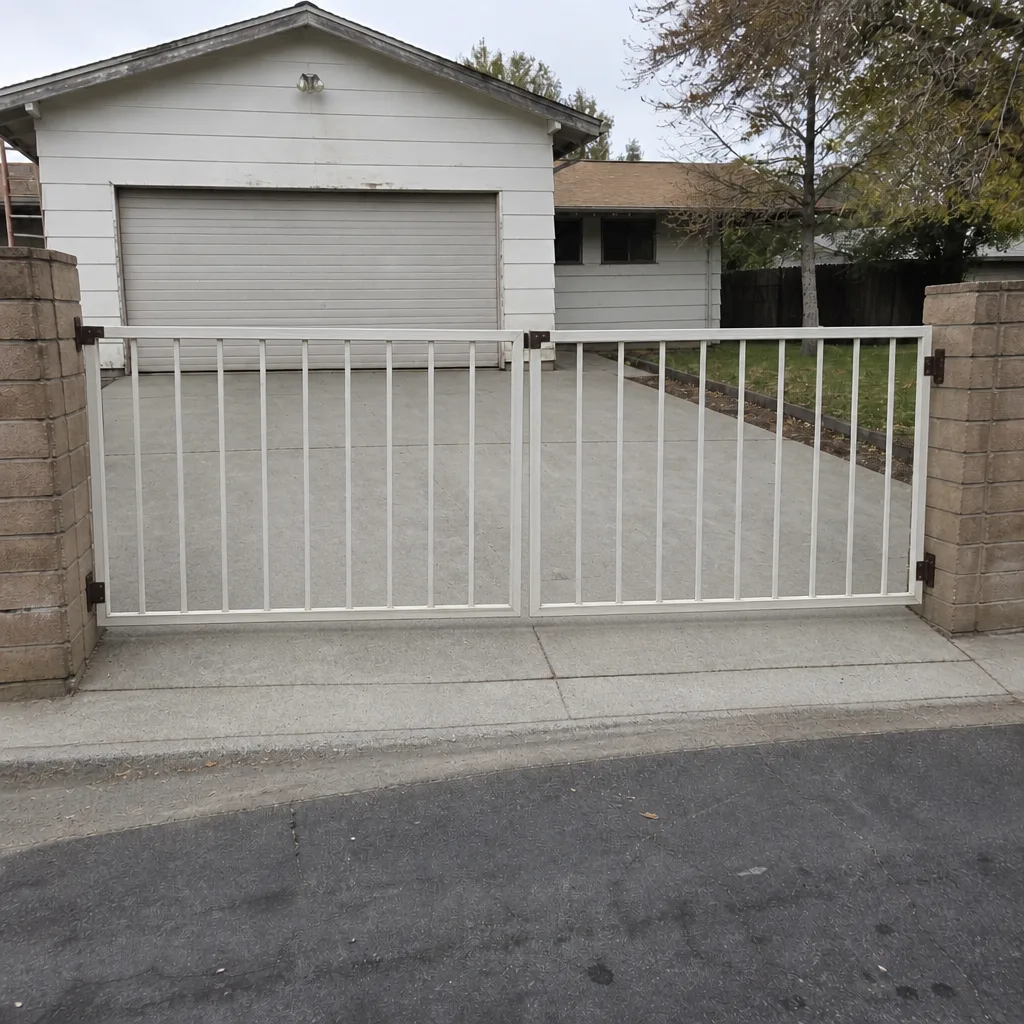 After
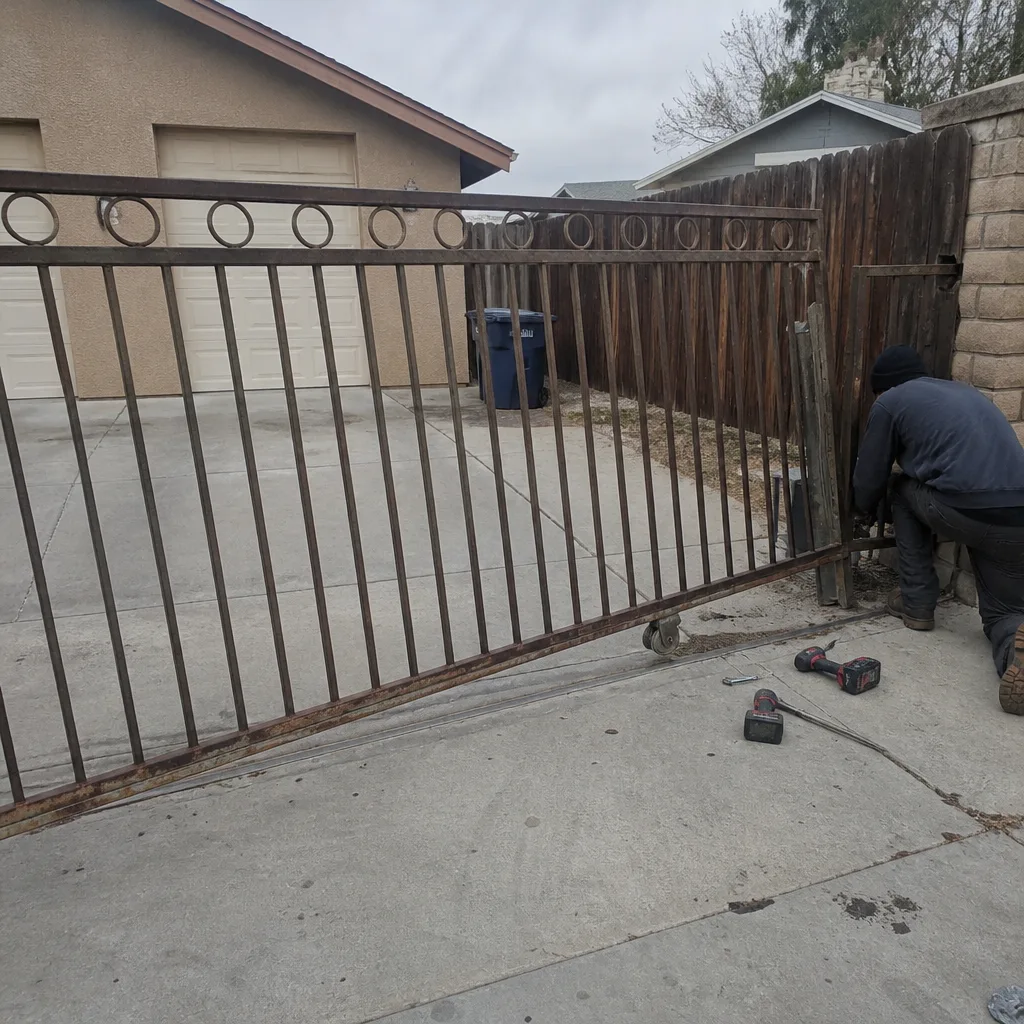 Before
 After
 Before
 After
What Drives Timeline From Quote to Finished Job
Once the assessment is done and the quote is agreed, the timeline divides into three phases: ordering, scheduling, and installation. Ordering is usually the longest. A common DoorKing, LiftMaster, Elite, or Mighty Mule part can be in hand in a few days; a specialty controller or card reader can take longer depending on what’s backordered. Scheduling depends on permit status if one is required. Installation is the hands-on time we’ve already broken out above.
For a full understanding of how the operator and control system interact, our gate motor & opener in Enterprise guide walks through the mechanical side. It’s worth reading before you commit, because a lot of access control “problems” turn out to be operator problems wearing a disguise.
Common Mistakes to Avoid
- Quoting firm hours over the phone. Nobody can promise a two-hour install on a gate they haven’t seen. If a company gives you a hard number before looking, they’re either guessing or planning to change it later. Ask for a written quote after a site visit.
- Ignoring the gate’s mechanical condition. Slapping new electronics on a gate that sags is fixing the wrong thing. The control board will fight the sag on every cycle. Fix the hinge post first.
- Assuming the existing wiring is fine. In older Enterprise neighborhoods, we regularly find 20-year-old low-voltage wire with splices that were never meant to see weather. It looks fine and isn’t.
- Sharing the operator’s circuit with something else. A dedicated transformer circuit is non-negotiable for reliable access control. Sharing with outdoor lighting or a shop outlet causes intermittent failures that are a bear to diagnose.
- Skipping the permit conversation. If your gate sits near a right-of-way, a permit may be required and an inspection may hold up power-up. Not asking about it delays the whole job.
- Not testing every credential before the installer leaves. The moment to catch a misprogrammed fob is while the installer is still there. Run every code, every card, every remote before you sign off.
- Choosing on the phone quote alone. The national outfit that quoted one price and charged another at the door is exactly why a published address, a license you can look up, and a name on the shop matter here.
When to Call a Professional
Some things are safe to poke at. Access control boards and gate operators aren’t. A gate operator lives on 120 volts and drives hundreds of pounds of steel; a control board wired wrong can put the whole system into a random-motion state. If your gate moves without a command, if the safety edges or loops aren’t stopping it, if you smell burning at the control box, or if you’ve found a junction box with tape splices, stop and get a trained set of eyes on it. A keypad that just won’t take a code is usually a simple fix; a gate that doesn’t stop when a child walks under it is an emergency.
Gatewood Fence & Gate Enterprise offers free estimates in Enterprise and across the surrounding communities. Call (833) 780-1547 for a free estimate and a written quote you can hold us to.
Frequently Asked Questions
It ranges from 45 minutes for a like-for-like keypad replacement to a full day for a complete control board swap with new credentials and testing. Jobs that require trenching new wiring or a Clark County permit stretch to days and weeks. The honest number depends on the wiring, the power circuit, and the gate’s mechanical condition, which is why a site assessment comes first. Call (833) 780-1547 for an exact timeline on your gate.
Access control installation is measured, ordered, and scheduled rather than same-day, because the right hardware has to be chosen for your existing operator and confirmed in stock. Same-day service applies to repairs and emergencies, not new installs. We quote the job after a site assessment and schedule the install once the parts are in hand. Call (833) 780-1547 to set up an assessment.
Almost always one of three reasons: prior bad wiring, no dedicated transformer circuit, or a gate that wasn’t mechanically square when the crew arrived. Each of those adds time that a phone quote can’t see. A proper site assessment catches all three before the quote, which is why our up-front pricing holds. Call (833) 780-1547 if you’d like a second opinion on a written estimate.
Sometimes. Any new trench, new electrical run, or gate operator post near a public right-of-way can trigger a Clark County permit and inspection. Most straightforward keypad swaps and board replacements don’t. We flag permit triggers during the assessment and walk you through the county timeline before we start. Call (833) 780-1547 and we’ll tell you whether your job will need one.
We’re certified to service nine major brands, including DoorKing, LiftMaster, Elite, and Mighty Mule. That covers the boards, keypads, card readers, and operators most Enterprise homes and small commercial gates run. Certified doesn’t mean we replace everything; we repair what can be repaired. Call (833) 780-1547 and tell us what’s on your gate.
A keypad replacement typically runs a few hundred dollars installed, while a full control board swap and a new intercom push into the four-figure range with parts. The exact number depends on hardware, wiring condition, and whether a permit is involved. Every price is quoted and agreed before any work starts. Call (833) 780-1547 for an exact quote; estimates are free, and we offer a free second opinion on any written estimate you already have.
The Bottom Line
Gate access control timelines are shorter than most homeowners fear and longer than most phone quotes suggest. A clean keypad swap is an afternoon snack; a full control system with new wiring and a permit is a scheduled project. The three hidden time-killers (bad wiring, missing dedicated power, and a gate that isn’t square) are the whole ball game, and a real site assessment is what catches them before they cost you half a day standing around. Get a written quote after someone has actually looked at the gate, insist on a full test of every credential and safety device before you sign off, and pick a company you can drive to and look in the eye. That’s the oldest accountability there is.
Gatewood Fence & Gate Enterprise repairs what other companies want to replace, fixes the gate in your driveway, and answers the phone with a live person around the clock. Learn more about who we are on the Gatewood Fence & Gate Enterprise home page, and call (833) 780-1547 for a free estimate. Bring your written estimate from anyone else and we’ll give you a free second opinion, no pressure.
Written by the team at Gatewood Fence & Gate Enterprise.