
Last updated November 18, 2026
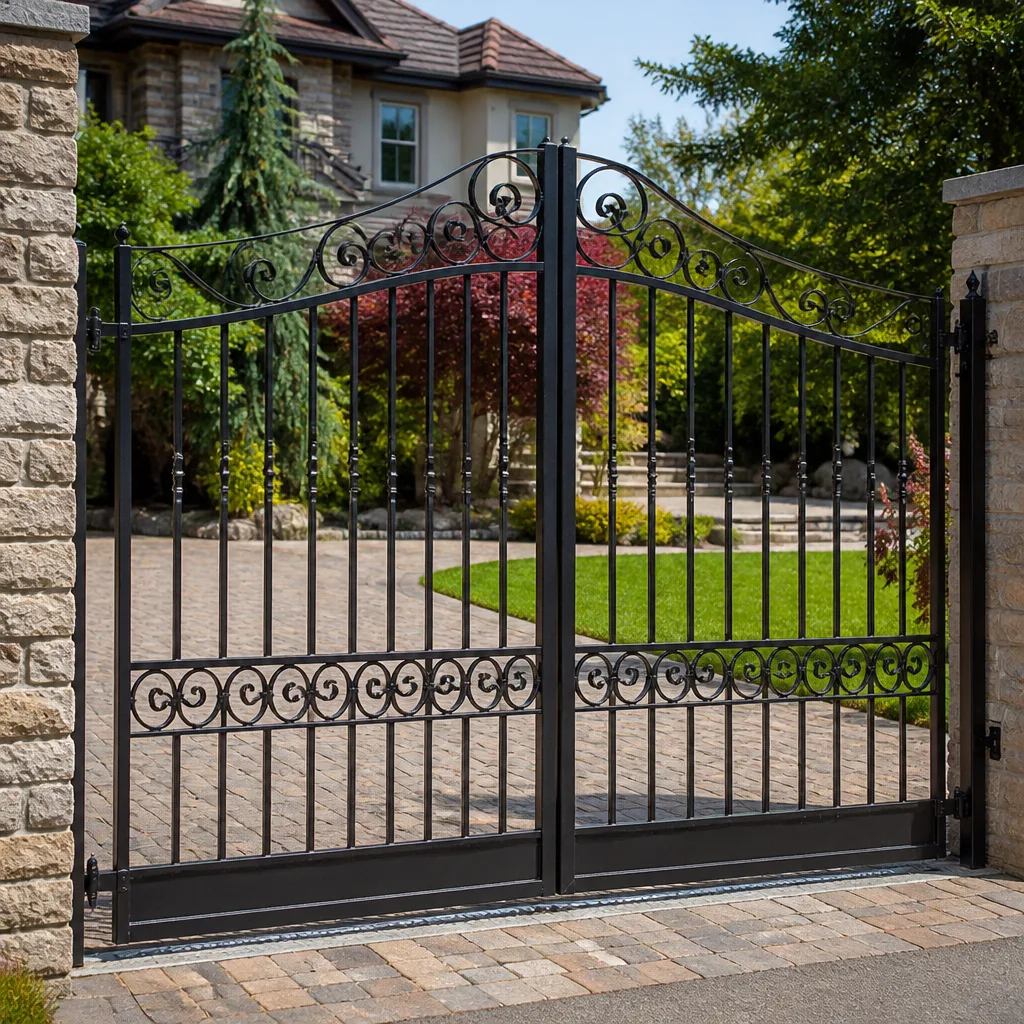 Wrought iron
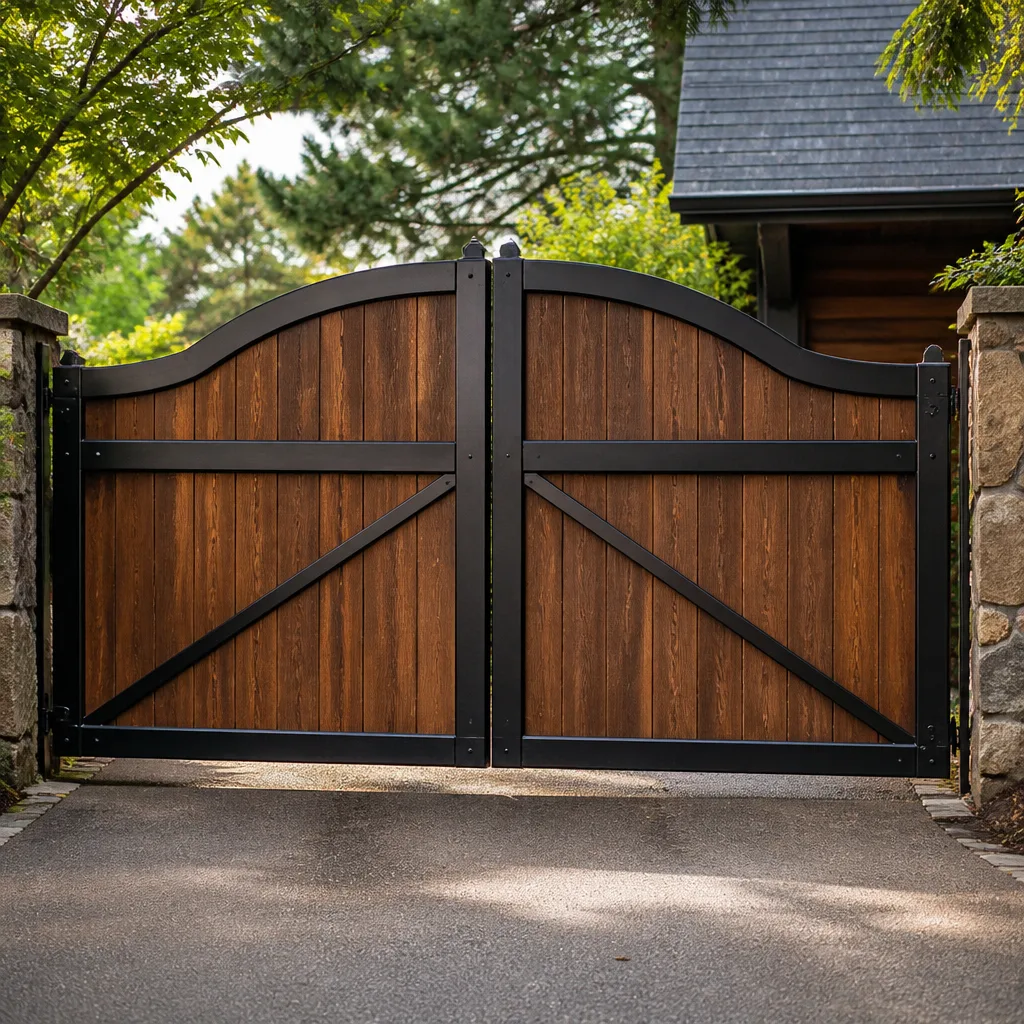 Wood & steel frame
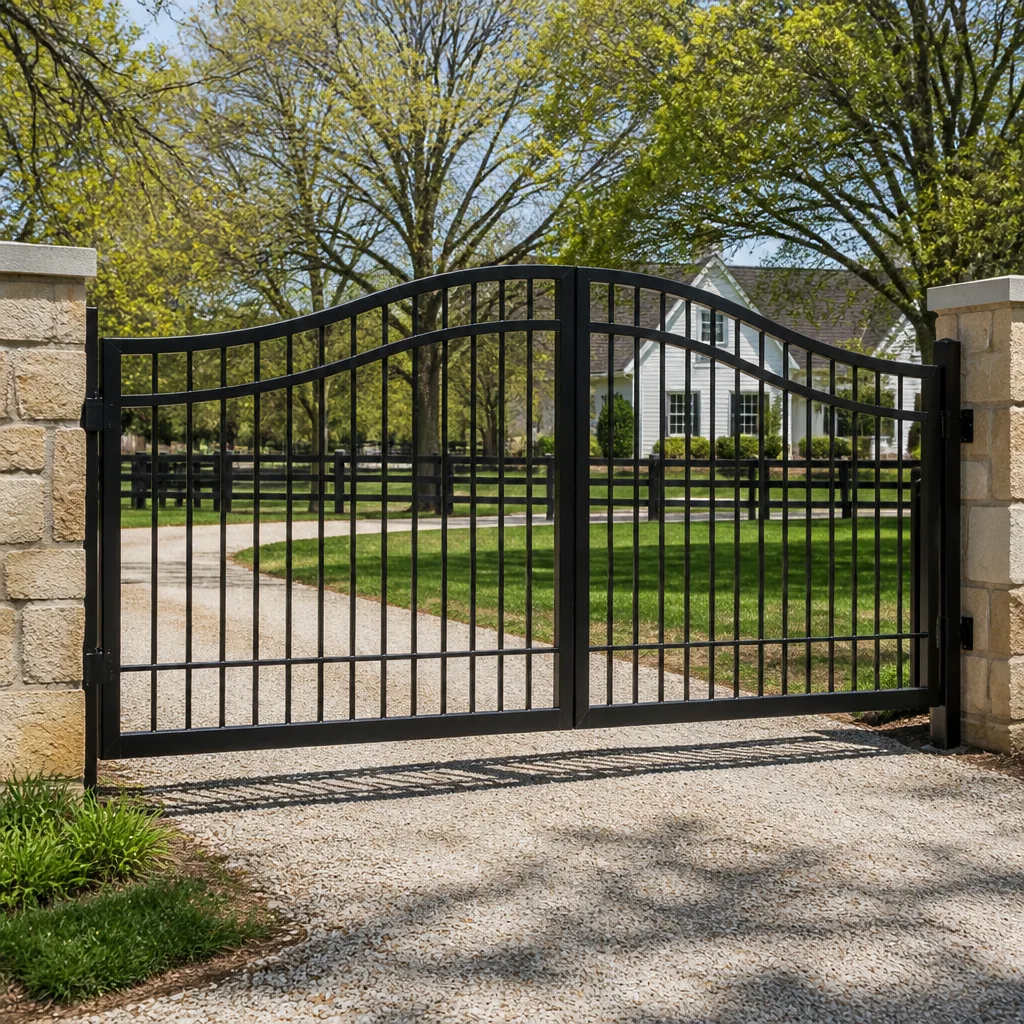 Farm & ranch
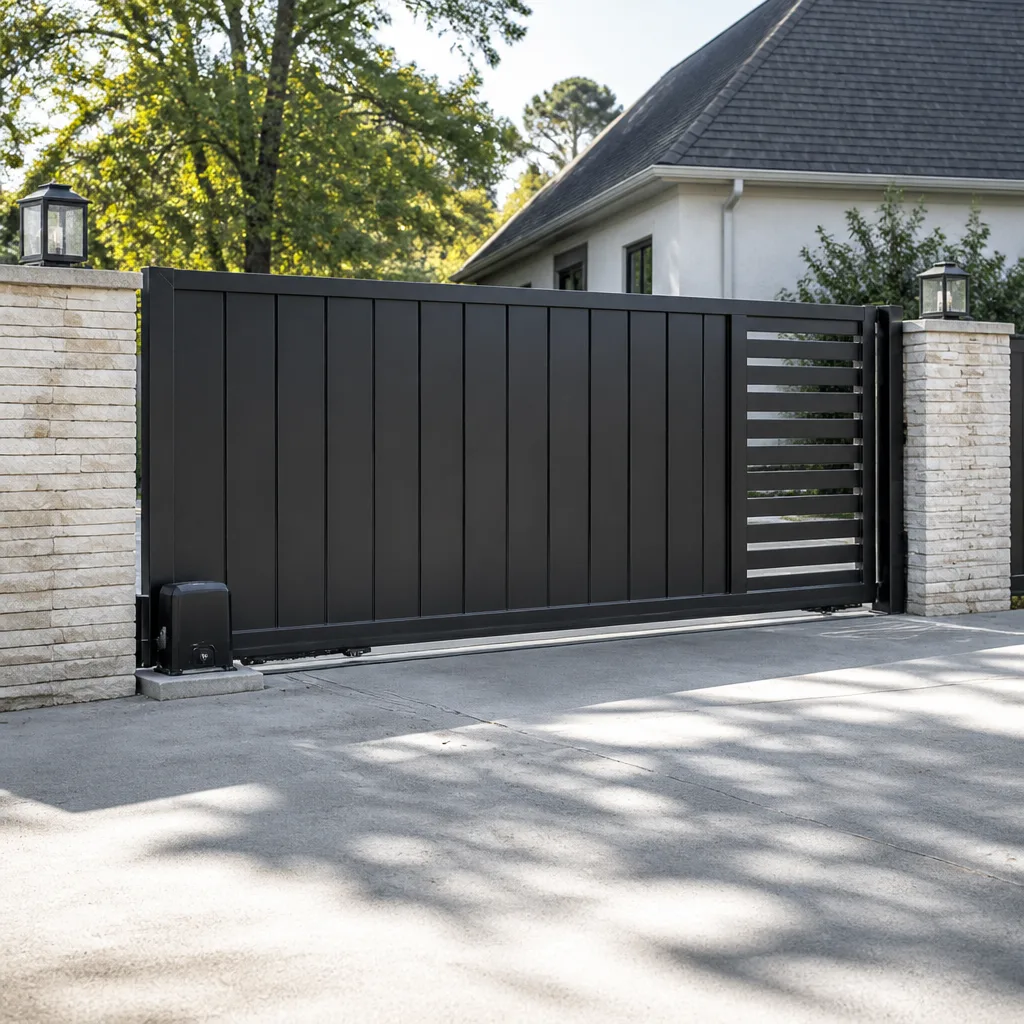 Sliding driveway gates
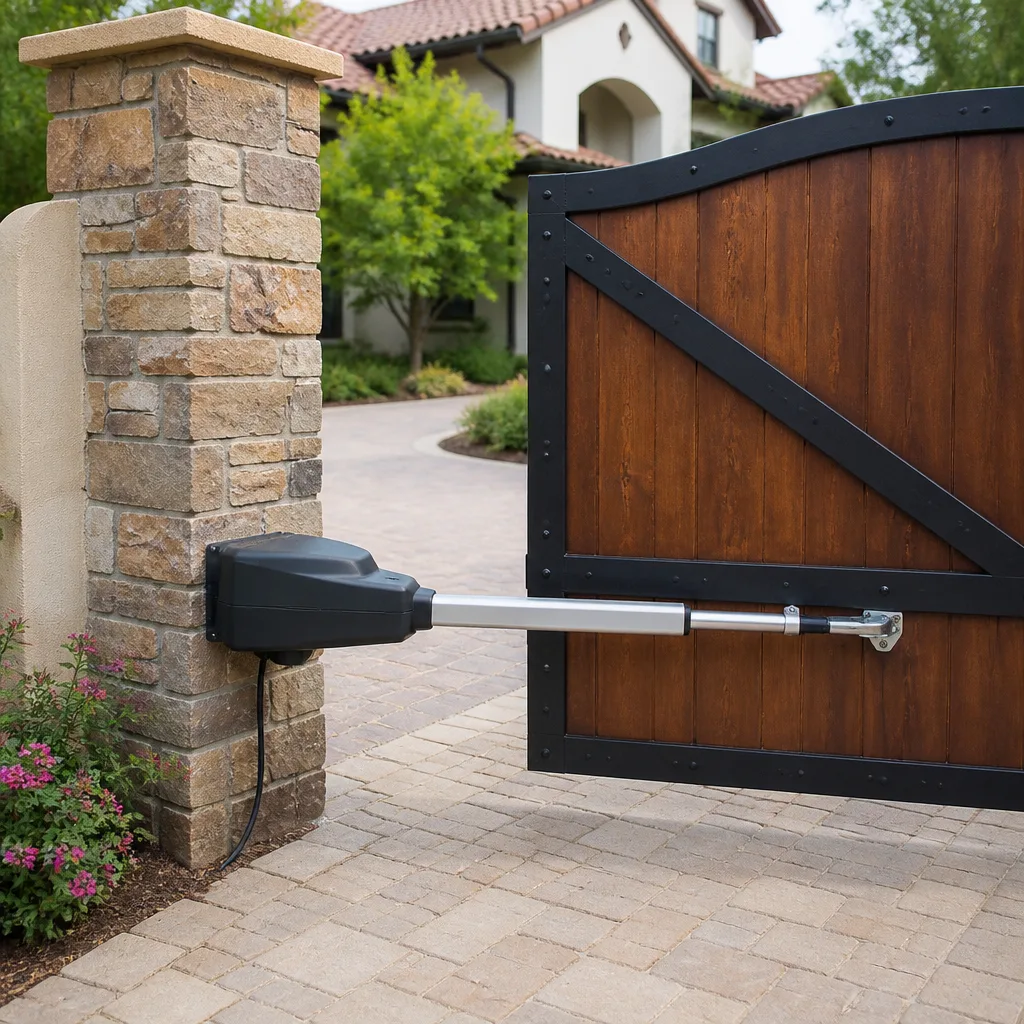 LiftMaster operators
Free on-site gate assessment - hinges, posts, and your LiftMaster or Nice gate operator checked before anything is quoted
The assessment is free and the quote is the invoice.
Get your free estimateHow Long Does Gate Installation Take? Timelines and What to Expect
“One day.” We hear it every week. The crew that quoted you one day may be right – but only if your property matches a checklist most contractors never share with you upfront. The list usually includes ground that’s already level, conduit that’s already in the ground, and a driveway that doesn’t rise more than a few inches over the run. Miss any of those, and one day quietly becomes three separate visits. What follows is the honest shape of a gate installation timeline, including the parts nobody puts in the quote: electrical rough-in, the concrete cure window, and the difference between the day your gate goes up and the day it actually opens on its own. We’ll tell you what stretches a job in Enterprise, NV – caliche, HOA setbacks, heat – so you can spot the delays before you sign.
Quick Answer
A straightforward swing gate on flat ground with power already run usually takes one day, and a slide gate that’s measured and prepped takes two to three days. If your property needs new conduit, a concrete pour, or dealing with caliche, expect three to four visits spread over one to two weeks. Most delays in Enterprise come from the ground and the electrical, not the gate itself.
Styles & brands we work with
- Wrought iron
- Wood & steel frame
- Farm & ranch
- Sliding driveway gates
- LiftMaster operators
Table of Contents
- Timeline by Gate Type: Swing, Slide, and Bi-Fold
- Why Slide Gates on Sloped Driveways Take Longer
- The Electrical Rough-In Reality
- The Concrete Cure Window Nobody Warns You About
- Installation Day vs. Commissioning Day
- Enterprise Site Conditions That Add Days
- What to Ask Before You Sign
- Common Mistakes to Avoid
Timeline by Gate Type: Swing, Slide, and Bi-Fold
Gate type is the single biggest variable in your timeline. A swing gate is a hinge job: two posts, a panel, and an opener. It’s the fastest. A slide gate is a track job: it needs a level run, a rack, a gate that rolls without binding, and a footprint the panel can travel across. Slide gates are where most one-day quotes go wrong, because the track has to be right before the gate ever moves.
- Swing gate, single leaf, flat ground, power on site: one day, start to finish.
- Double swing gate, matched leaves, two openers: one to two days.
- Slide gate, level driveway, track surveyed: two to three days.
- Bi-fold gate, tight urban or commercial approach: three to five days. Bi-fold needs more framing and more precise alignment because both leaves have to meet in the middle every time.
In Enterprise, the swing-to-slide ratio skews toward slide gates on wider lots where the driveway runs 30 feet or more. A long driveway favors a slide gate because you don’t need the clearance for swing arc, but it’s also where the slope matters most. We’ve seen a slide gate quoted as one day turn into four visits on a driveway that dropped eight inches over the run and needed a re-poured pad. If you’re weighing options, our Gate Installation in Enterprise page walks through which type fits which driveway.
Why Slide Gates on Sloped Driveways Take Longer
A slide gate wants a level track. That’s it. That’s the whole rule. When a driveway rises or falls over the run, the level track sits on a plinth of raised concrete or ground track, and that plinth has to be formed and poured and cured before the gate can be set. That’s the delay. The gate manufacturer’s shipping time is rarely the problem – it’s the pad.
- Survey the run. We measure the elevation over the full travel of the gate, not just the driveway grade at the front post. A driveway that looks flat often isn’t by the time the gate travels 12 feet.
- Form and pour the track pad. Any run with more than about an inch of fall gets a raised track. That’s a concrete pour, and the concrete needs to cure before the gate is set on it. No shortcuts.
- Set the track and rack. Once the pad is cured, we set the track, install the gear rack, and check the gate rolls without binding.
- Fit the gate and opener. Now the panel goes on and the operator gets wired and tuned.
The reason sloped driveways almost always take longer than quoted is that step two is a variable. If the concrete cures slower than expected because of heat, or the pad needs a re-pour because the form shifted, you’re adding days. Steep runs on the east side of Enterprise where the driveway drops toward the wash can add three to four days just in the pad. That’s not a contractor being slow. That’s physics.
The Electrical Rough-In Reality
Here’s the piece most homeowners don’t hear until the crew is standing in the driveway with the gate off the truck: an automatic gate needs power, and if the conduit isn’t already there, “one day” becomes two or three before the electrician even shows up. This is the single most common reason a gate installation stretches in Enterprise. We can’t shortcut it, and no honest contractor should suggest you can.
What a proper electrical rough-in involves:
- Trenching. A buried conduit run from your panel to the gate post. That’s 12 to 24 inches deep depending on the run and local code, and it’s typically permitted work.
- The conduit and pull. Rigid or schedule 40 PVC, low-voltage or line-voltage depending on the gate operator. This is where a lot of owners are surprised to learn their low-voltage gate operator still needs a 120V line to the transformer box.
- The electrician. In our experience, scheduling a licensed electrician in the Enterprise area can take several days during peak season. Pulling a permit adds to it.
- Inspection. Most jurisdictions want the rough-in inspected before the trench is backfilled.
If your gate is a brand like Linear or Viking that uses a low-voltage transformer, the electrician installs the 120V receptacle near the gate and the low-voltage work can follow. That’s a smaller job. But if the run crosses a driveway apron or requires a new sub-panel, assume a full week before the gate installer comes back. Budget the electrical as a separate line item and a separate visit. It saves you a very unpleasant conversation with the installer who’s standing in your driveway waiting on power.
The Concrete Cure Window Nobody Warns You About
Concrete doesn’t finish curing in a few hours. A post, pad, or plinth needs to reach enough strength to hold the gate and absorb the load of a moving operator before anyone sets hardware into it. That takes days, not hours. When a crew skips the cure window, you don’t see the consequence the day they leave. You see it three months later when the gate post starts leaning and the opener drags.
What the cure actually looks like:
- 24 hours: don’t let anyone walk on it, let alone bolt a hinge to it.
- 3 to 7 days: enough strength to set posts and hang a light gate.
- 7 to 14 days: full working load for an automated slide gate on a track pad.
Here’s why the heat in Enterprise matters: desert heat accelerates the surface drying of concrete but can slow the cure of the interior. The mix has to be proportioned for the temperature, and the pad needs to stay damp for the first day or two. A crew that pours and bolts the same afternoon is doing sloppy work, and the sag will show up later. If your installer says you’ll be automated the same day the concrete is poured, ask why. The answer usually isn’t one you’ll like.
Installation Day vs. Commissioning Day
The gate is up. The opener is wired. So why isn’t it “done”? Because those two things are the first day. The second day is commissioning, and the gap is where your security lives. Commissioning is where we teach the gate what “closed” means, run the safety edges, set the open limit and the soft close, and test the fail state – what happens when the power drops or a kid runs into the path.
What commissioning covers:
- Open and close limit learning. The operator has to learn exactly where the gate stops in both directions. This is what prevents it from slamming or reversing prematurely.
- Safety edge and photo eye testing. Prompting the gate to reverse on contact, not just on a clean sensor read.
- Manual release. Confirming you can release the gate and open it by hand in a power outage.
- Battery backup check if your operator has one.
- Access control pairing. Remotes, keypads, and any DoorKing entry system you’ve added.
Why the gap matters: if a crew installs and leaves without commissioning the same day, you’re living with a gate that may not reverse on contact and may not hold closed. That’s not an inconvenience, it’s a security gap, and the odds go up that the contractor gets called to another job and can’t return for a week. Insist that the commissioning day is written into the schedule and that someone walks you through the manual release before they leave.
Enterprise Site Conditions That Add Days
Enterprise, NV has three site conditions that reliably stretch an installation timeline beyond what a national quote assumes. If you know them before the bid, you can build them into your plan instead of discovering them mid-job.
Caliche soil
Caliche is a cemented calcium layer just below the surface that laughs at standard digging. It doesn’t turn a shovel, it turns a breaker bar or an auger. Post holes that would take 20 minutes take two hours, and any run that touches caliche can add a full day. We’ve pulled posts out of caliche in Enterprise that took a crew the better part of an afternoon. Ask any contractor quoting you a gate how they handle caliche. If they don’t know what it is, they haven’t installed one here.
HOA setback rules
Many Enterprise neighborhoods – especially in the master-planned communities around the south and east sides – have HOA setbacks that dictate where the gate can sit relative to the property line and the fence line. That’s not a construction delay, but it can force a re-measure, and if the gate has to move, the concrete pad and trench have to move with it. Get HOA approval in hand before the gate ships.
Desert heat on concrete cure times
We covered cure above, but it bears repeating for Enterprise specifically: pours done in July and August need to be scheduled for cooler hours and mixed to account for the heat. A crew that pours at 11 a.m. into a 110-degree pad and then bolts hardware in the same afternoon is inviting a re-pour. That’s a two-week setback at minimum.
For related service questions in the area, see our Gate Repair in Enterprise page for what we see after a bad install, and our Gate Motor & Opener in Enterprise page for how operator type affects commissioning time.
What to Ask Before You Sign
The best way to keep your timeline honest is to ask specific questions before you sign. A contractor who’s tracking their work will answer them without flinching. Here are the ones that separate a real schedule from a guess.
- “What’s the ground condition at my gate line?” If the answer is vague, ask them to walk the run with you.
- “Is the conduit already in the ground, and if not, who’s responsible for it?” The installer and the electrician are different trades on different days.
- “When does the concrete get poured and when does the gate go on it?” The gap between those two answers is the cure window. If it’s zero, you’re getting a sloppy install.
- “What’s the commissioning day, and is it on the schedule?” Installation and commissioning should both be on the contract.
- “What happens if the ground turns out to be caliche?” Expect a defined contingency, not a shrug.
- “What’s the warranty written in writing, and who honors it?” Get it stamped, not spoken.
Common Mistakes to Avoid
- Trusting a one-day quote without a site visit. Any crew that quotes a gate install over the phone without walking the run hasn’t seen your slope or your soil. In Enterprise, that’s a quote you can’t rely on. Insist on a site visit before you sign.
- Forgetting the electrical rough-in. If the trench isn’t scheduled, the gate ships to a driveway with no power. Add it to the schedule as a separate trade and a separate visit.
- Bolting hardware to green concrete. Setting posts and hinges into a pad poured the same day is the single most common cause of a gate that sags six months in. The cure window is not optional.
- Skipping commissioning to “save a day.” A gate that’s been installed but not commissioned isn’t finished – it’s a security gap. Make sure commissioning is on the schedule.
- Not checking HOA setbacks until the gate arrives. A gate that has to move because the setback wasn’t approved means a re-pour, a re-trench, and a two-week delay.
- Assuming the ground is standard soil. Caliche adds hours to any job, and any contractor quoting a gate in Enterprise should know to expect it.
- Paying the full amount up front. A contractor with nothing left to be paid for has less incentive to come back for commissioning. Tie the balance to the commissioning day.
When to Call a Professional
If you’re looking at any of these situations, it’s time to call in the crew rather than try to sort it out yourself. The gate is off the track on a slope you can’t level alone. The pad is cracked and the post is leaning, and you can already see the gate binding. The opener reverses without warning or won’t hold closed. The conduit run needs trenching and an electrician. Or you’ve gotten a written estimate from another company and you’d like a second opinion from someone local. Gatewood Fence & Gate Enterprise offers free estimates in Enterprise – call (833) 780-1547. We answer the phone with a live person, and we’ll walk your driveway with you before we quote you a timeline.
See the difference
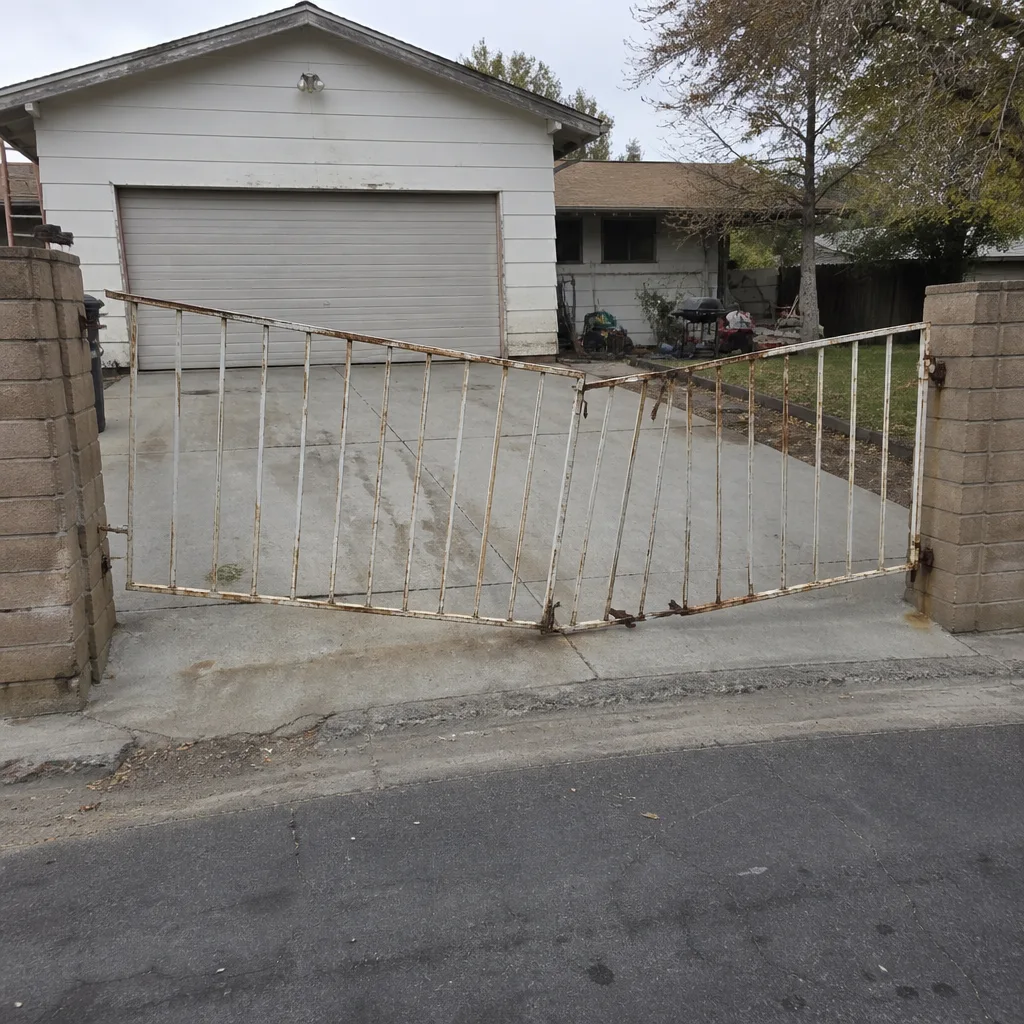 Before
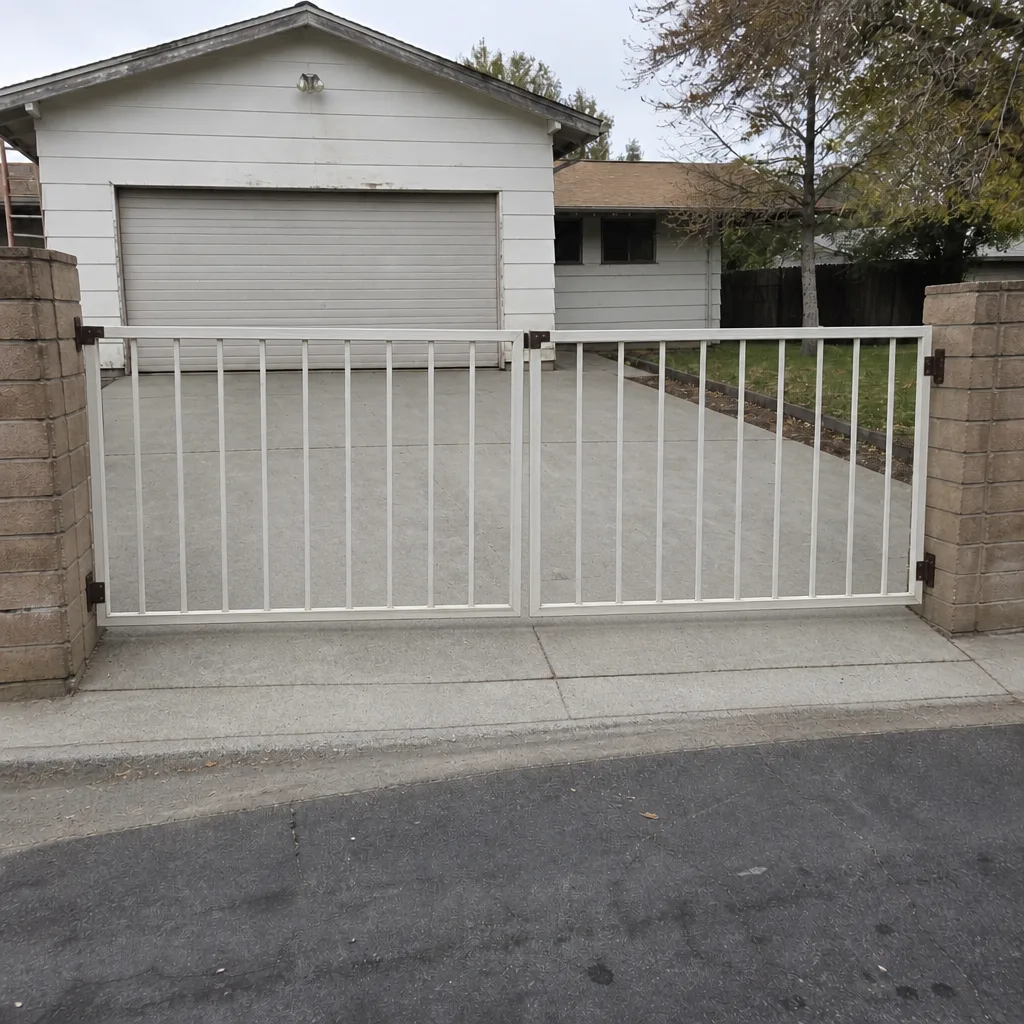 After
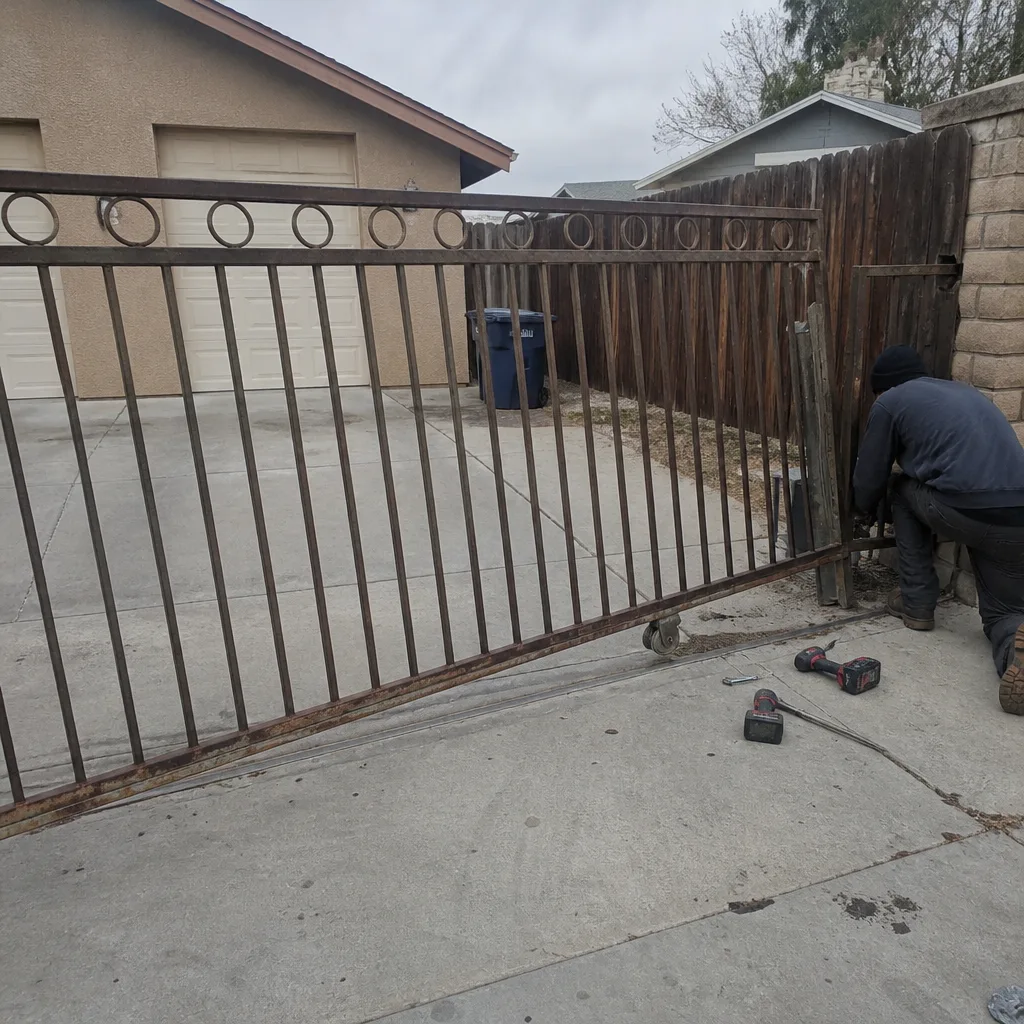 Before
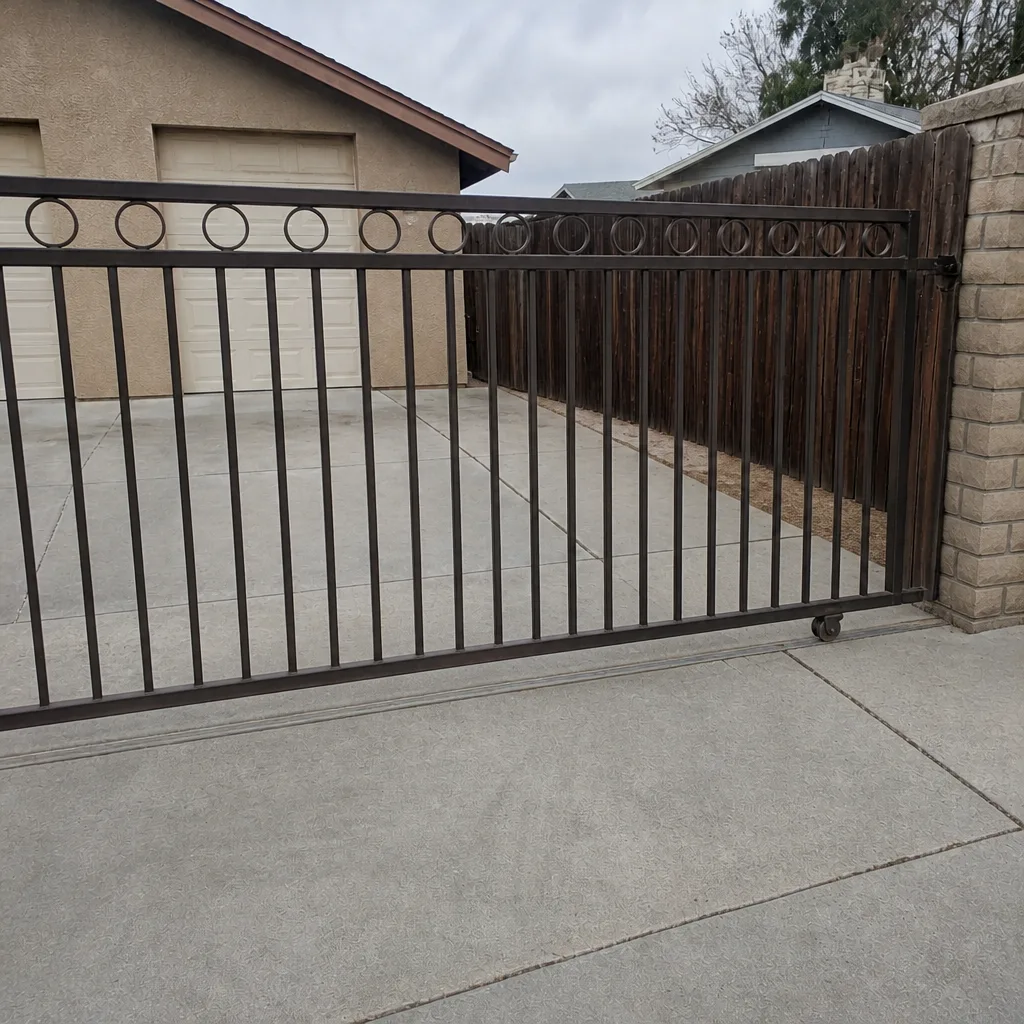 After
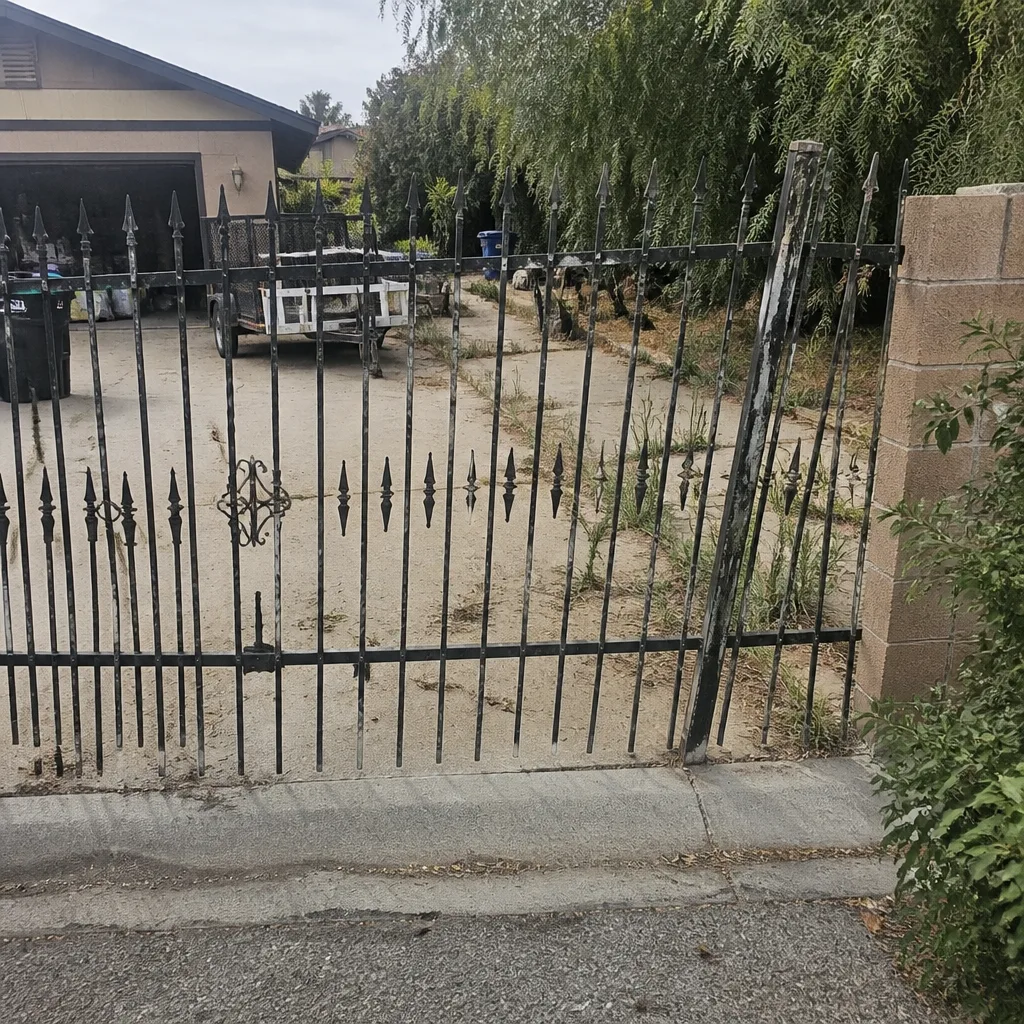 Before
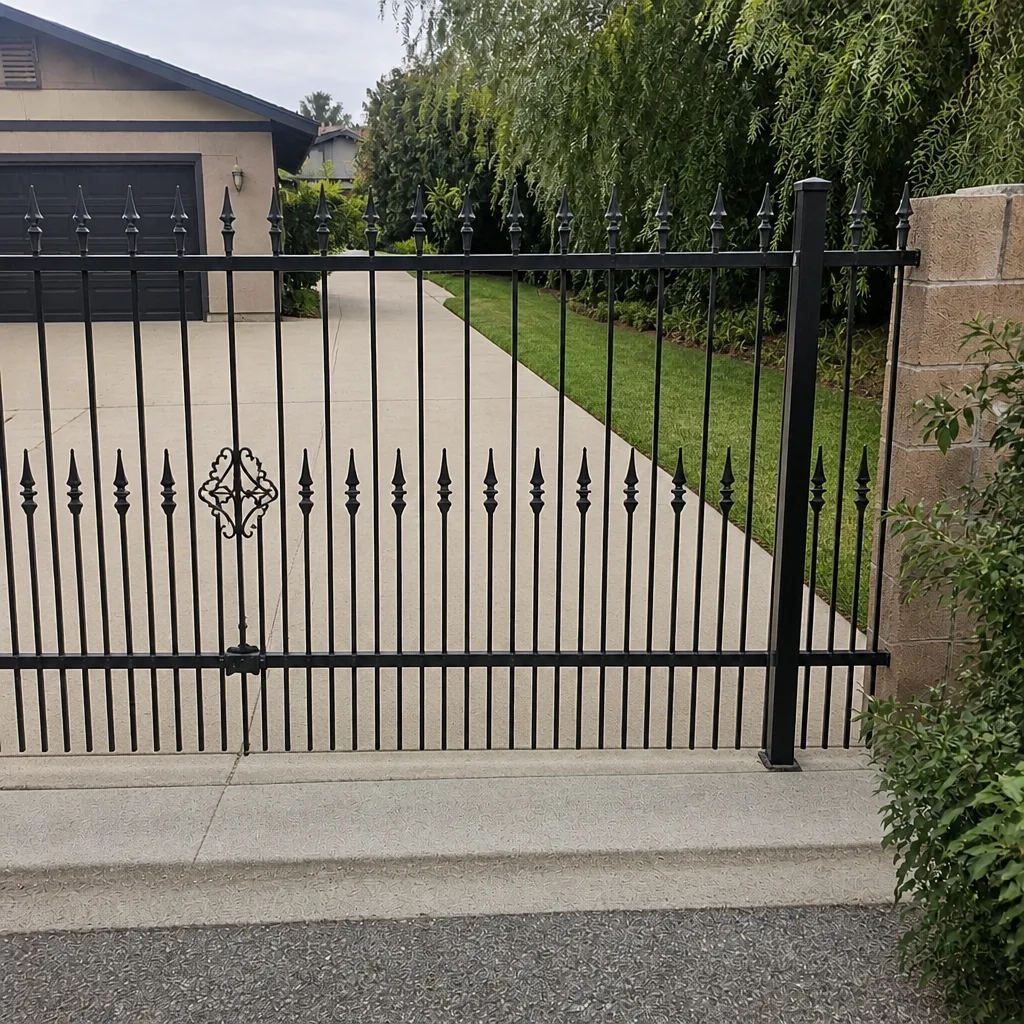 After
Frequently Asked Questions
A swing gate on flat ground with power on site takes one day; a slide gate takes two to three days; and a job that needs new electrical, caliche work, or a concrete pad runs three to four visits over one to two weeks. The gate itself is rarely the delay. The ground and the electrical are.
Yes, if your site conditions match the small checklist: flat ground, no new conduit, standard soil. Most Enterprise driveways on sloped lots or with caliche need at least one more day, and the East-side drives that drop toward the wash can add a pad-cure window. Ask for a site walk before you accept a one-day quote. Call (833) 780-1547 to schedule one – estimates are free.
Almost always one of three things: the concrete had to cure before hardware could be set, the electrical rough-in wasn’t in the ground and needed a trench and an electrician, or the ground turned out to be caliche and took hours to open. All three are predictable with a site visit and a proper scope, which is why we walk the run before we quote it.
Yes, on most sites. A slide gate needs a level track over its full travel, which on a sloped driveway means a formed and poured plinth, a cure window, and a commissioning day before it’s safe to operate. A swing gate has a shorter run and a simpler track. If your driveway is level, the gap narrows to a day.
We install and service nine major gate brands, including Linear, Viking, Ghost Controls, and DoorKing. Operator type affects commissioning time: a Linear or Viking low-voltage operator is often faster to commission than a full DoorKing access-control system with call buttons and entry codes. Ask about the commissioning day when you choose the operator.
Installation day is when the gate goes on the posts and the opener is wired. Commissioning day is when the operator is taught the open and close limits, the safety edges are tested, and you’re walked through the manual release. Both should be on your schedule in writing. A gate that’s installed but not commissioned can pass a visual inspection and still fail on the thing that matters: closing on its own.
The Bottom Line
Gate installation timelines are about hidden site conditions, not the gate. Swing gates are quick; slide gates on a slope need a poured pad and a cure window; and electrical rough-in can add a week before the gate ever comes off the truck. In Enterprise, add caliche, HOA setbacks, and desert heat, and the “one day” quote gets honest fast. Ask for a site visit before you sign, put commissioning day on the schedule in writing, and don’t bolt hardware to green concrete. That’s the whole playbook.
Get a Free Estimate from a Name You Can Verify
Gatewood Fence & Gate Enterprise is locally owned and owner-operated, and the shop has a published address and license number anyone can look up. Our technicians have up to 25 years of experience, we’re certified to service nine major gate brands, and every job carries the 90-Day Done Right Promise in writing. Calls are answered by a live person, 24/7. We do on-site welding, so if the gate just needs welding, we’ll weld it in your driveway instead of hauling it off. Standing offers include $40 off any repair over $200, a free second opinion on any written estimate, no trip charge inside the county, and a permanent 10% discount for seniors and veterans. Call (833) 780-1547 for a free estimate and a site walk before you sign anything.
Written by the team at Gatewood Fence & Gate Enterprise.