
Last updated November 18, 2026
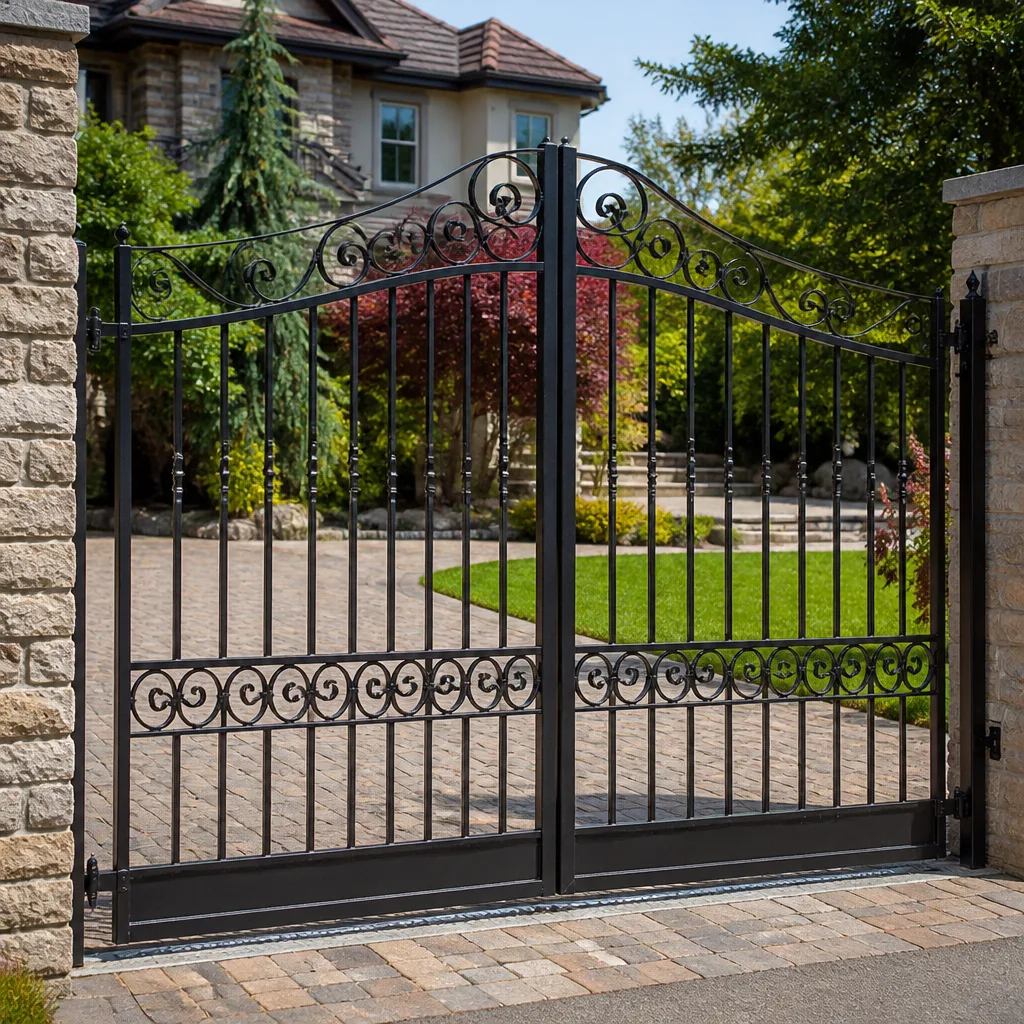 Wrought iron
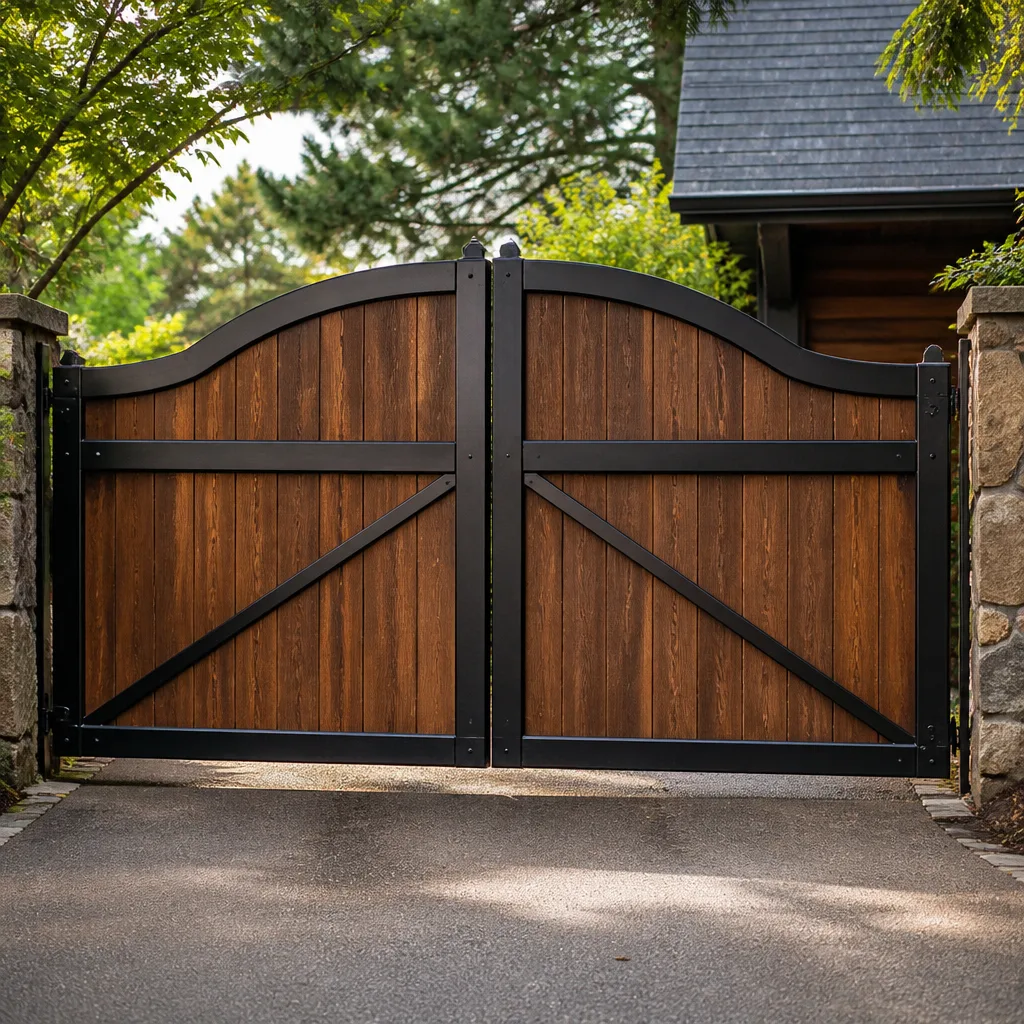 Wood & steel frame
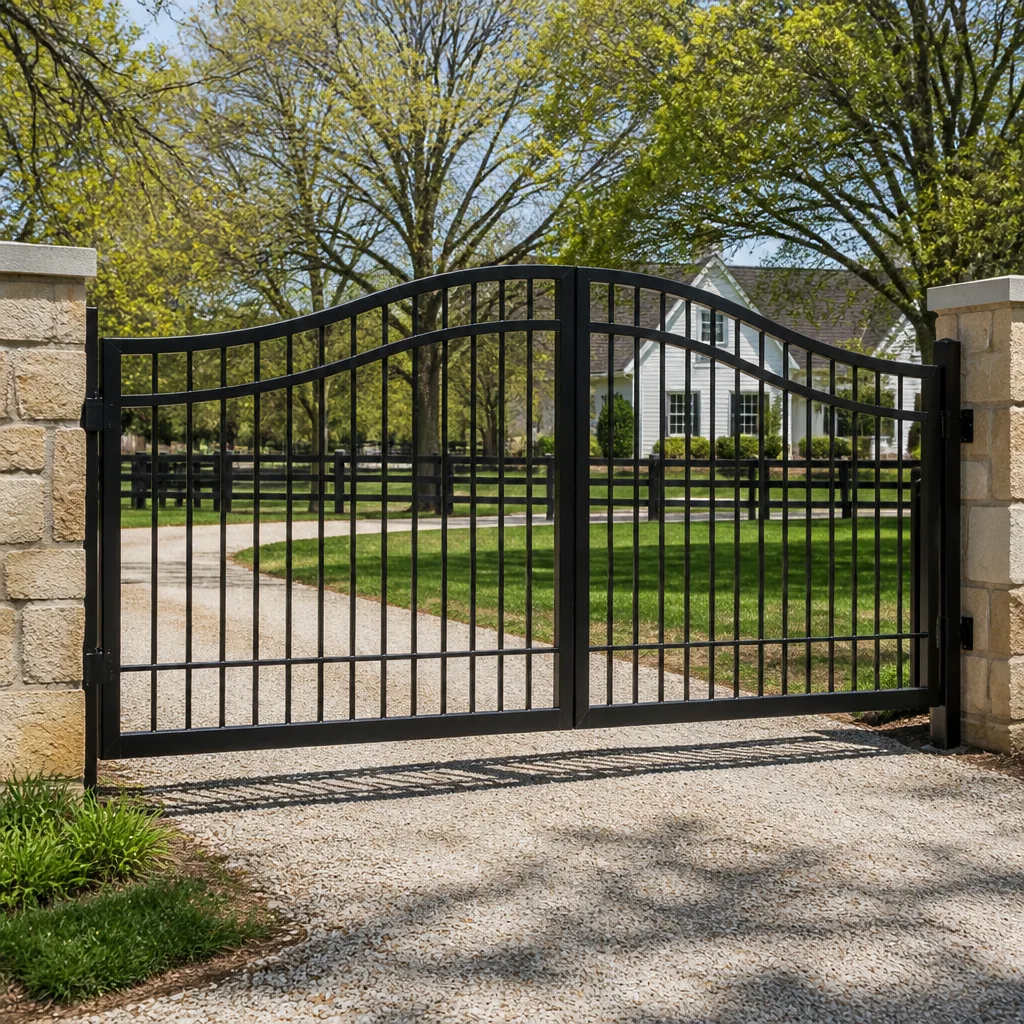 Farm & ranch
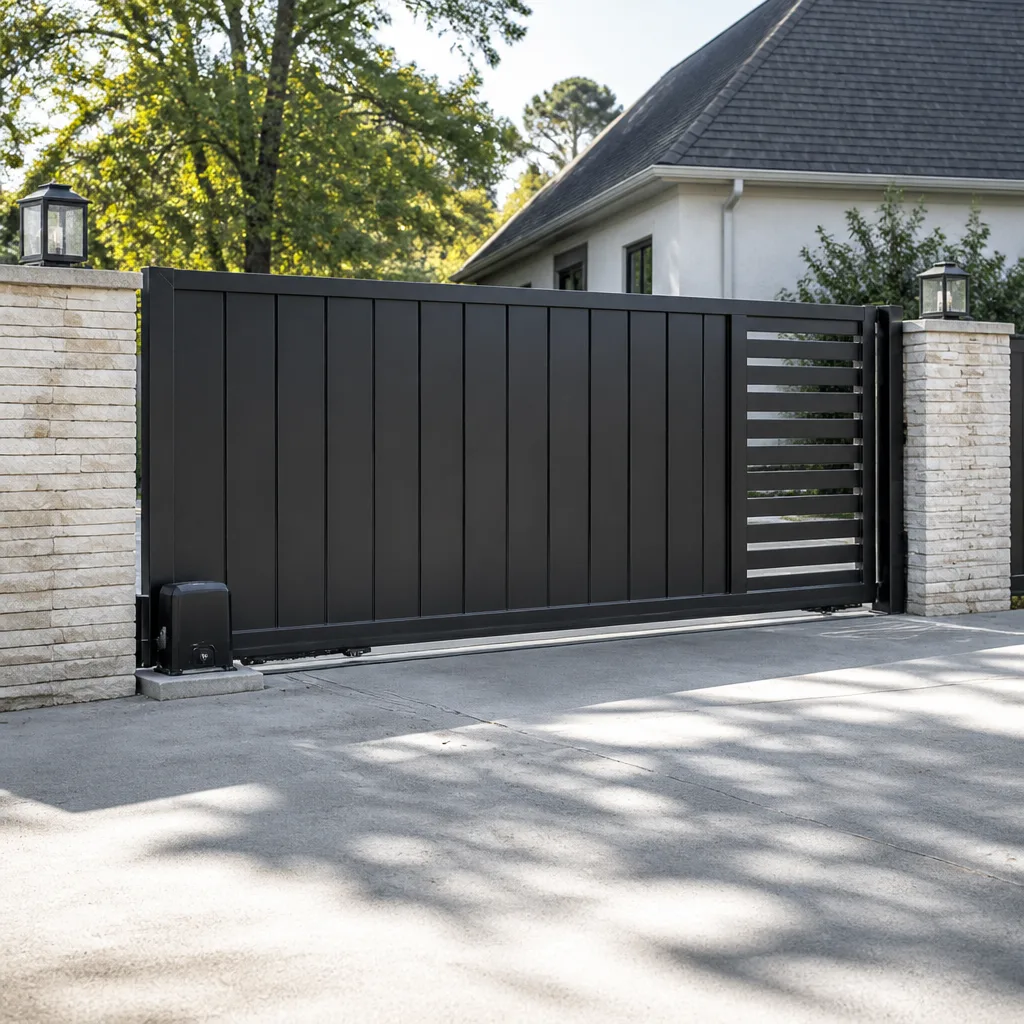 Sliding driveway gates
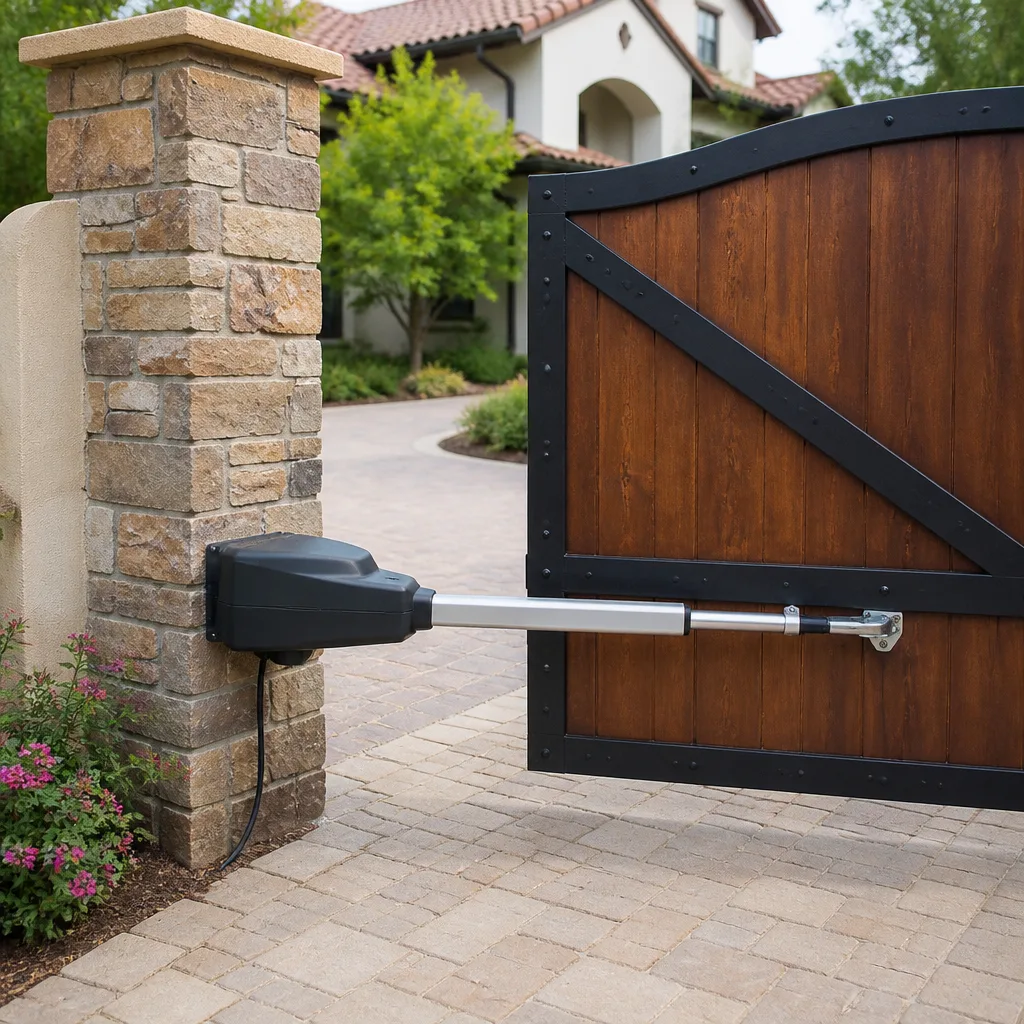 LiftMaster operators
Free on-site gate assessment - hinges, posts, and your LiftMaster or Nice gate operator checked before anything is quoted
The assessment is free and the quote is the invoice.
Get your free estimateGate Motor & Opener Warning Signs Every Homeowner Should Know
If your gate hesitates for half a second before it starts moving, that’s not normal and it’s not minor. That half-second pause is a motor telling you something is wrong, and most homeowners ignore it until the gate stops dead in the closed position with the car trapped inside. In our experience across Enterprise, the pattern is almost always the same: weeks of quiet complaining from the motor, then one morning of no movement at all. This guide names the sounds, behaviors, and smells that mean you have roughly thirty days before a failure, so you can fix a small problem instead of paying for a big one.
Quick Answer
The most reliable warning signs of a failing gate motor or opener are a hesitation at startup, intermittent operation on hot afternoons, a burning or hot-wire smell near the housing, the gate reversing on its own when nothing is in the way, and remote range that shrinks week after week. Any one of these means the motor is under strain or a component is failing, and you have a limited window before it quits entirely. Call (833) 780-1547 and we’ll take a look before it becomes an emergency.
Styles & brands we work with
- Wrought iron
- Wood & steel frame
- Farm & ranch
- Sliding driveway gates
- LiftMaster operators
Table of Contents
- The Startup Hesitation: Capacitor or Binding Gate?
- Why Your Gate Quits on Hot Afternoons in Enterprise
- The Smell Test: Overheating Motor vs. Burning Grease
- When the Gate Reverses on Its Own: A Safety Sensor Warning
- The Remote Range Test: A Free Early-Warning Check
- The Sounds That Mean Trouble
- Battery and Backup Failures You Can Hear Coming
- Brand-Specific Quirks Worth Knowing
The Startup Hesitation: Capacitor or Binding Gate?
A gate that pauses before it moves is the single most useful warning sign you’ll get, because it splits neatly into two very different problems. One is electrical and one is mechanical, and they get fixed in completely different ways. Knowing which you’re dealing with saves you money and time.
If the gate buzzes or hums briefly during that pause and then catches, the motor is trying to turn and can’t get going. That’s usually a failing start capacitor on a LiftMaster or Elite operator. Capacitors are cheap parts and this is the classic sign. The fix is a capacitor swap, not a new motor, no matter what a phone quote tells you.
If the gate lurches or grinds into motion, or if the pause only happens on certain sections of travel, you’re looking at a gate that’s binding. That means the gate itself is heavy or out of line, and the motor is straining against it.
- Stand at the gate and listen during the pause. A hum or buzz points to the capacitor.
- Watch where the pause happens. If it’s the same spot every time, the gate is binding on that section of track or hinge.
- Try to rock the gate by hand (with the motor off) along its full swing or slide. Any tight spot or resistance is the mechanical culprit.
- Check the hinges and track for rust, debris, or a post that has settled. In Enterprise, ground movement and summer heat work on posts year after year.
The reason this matters is that a binding gate will burn out a healthy motor if you ignore it. A capacitor will fail no matter how well the gate moves. Test before you replace anything. If it’s the gate, we handle Gate Repair in Enterprise and we fix the panel without replacing the post, so you’re not paying for a whole new gate over a worn hinge.
Why Your Gate Quits on Hot Afternoons in Enterprise
If your gate works fine in the morning and fails or drags by mid-afternoon in July and August, that’s not a programming problem. That’s heat. In our desert climate the motor housing can get hot enough to trip its own thermal overload protection, and that cutoff is a feature, not a bug. It’s the motor protecting itself because something is making it work too hard.
Here’s the part homeowners miss: a motor that overheats on a mild afternoon is already under abnormal load. The heat doesn’t cause the failure. The overload does, and the heat is what finally pushes it over. So when the gate stops on a hot day and starts again after it cools, most people assume the problem is gone. It isn’t. It’s waiting for the next hot day.
Common causes of heat-related overload we see in Enterprise:
- Dry or gummed-up hinges and rollers, which add drag that the motor fights every cycle
- A gate that has sagged slightly at the hinge post, which loads the hinges unevenly
- A worn drive gear or worn chain that binds under load
- An undersized motor installed years ago for a gate that’s since gained weight or length
Programming resets are not the answer here, and anyone who tells you to just reprogram the speed or limits is treating a symptom. The gate needs to be checked for drag and the motor needs to be looked at for real. If you’re weighing repair against replacement, the honest question is whether the motor is struggling with a gate problem or just wearing out. We answer that question for free.
The Smell Test: Overheating Motor vs. Burning Grease
Your nose can catch problems your eyes miss, and the two smells point to different fixes. An overheating motor smells like hot metal or hot electrical wire, a sharp smell that hits you when you stand close to the housing. That smell means the motor is working too hard or the windings are strained. It’s a sign to stop using the gate and have it inspected before the motor burns out completely.
Burning grease smells different, more like scorched oil or burnt cooking, and it usually comes from the gearbox or a drive area that’s running dry. Older grease degrades, especially in our summer heat, and when metal runs against metal it cooks. Both smells mean trouble, but the second tells you the drive mechanism needs attention and the first tells you the motor itself is being pushed past its limits.
Either way, don’t keep cycling the gate hoping it clears up. If you smell it once, have it checked. The Gate Motor & Opener in Enterprise page covers what we service, including access control and safety edges, and a call is the fastest way to know whether you’re looking at a cheap repair or a motor that’s on its way out.
When the Gate Reverses on Its Own: A Safety Sensor Warning
A gate that suddenly reverses mid-travel without anything blocking it is a safety system speaking, not a glitch. On a LiftMaster or DoorKing operator this usually means the safety edges, photo eyes, or loop detectors are seeing something that isn’t there, or failing to see correctly. These sensors are what keep a gate from crushing a person, a pet, or a vehicle. Resetting the operator to make the reversing stop is exactly the wrong move.
What’s usually behind it:
- A misaligned photo eye that the afternoon sun is confusing
- A safety edge that’s been damaged or filled with water
- Debris or an animal triggering a loop detector buried in the driveway
- A wiring fault where the sensor signal drops in and out
The instinct to override the sensor is understandable. The gate is malfunctioning, you just want it to close. But a reversing gate is telling you the safety circuit is compromised, and if you disable it you’ve removed the protection that stops the gate from hitting someone. No override is worth that risk. Have the safety system tested and repaired, then the gate will behave normally again because the sensor is doing its job.
The Remote Range Test: A Free Early-Warning Check
Shrinking remote range is one of the most underrated warning signs, and you can test it yourself with no tools. It measures how well your operator’s receiver is working, and a receiver that’s losing sensitivity is an operator that’s aging. Here’s how to run the test:
- Pick a fixed spot 50 feet from the gate and test the remote there every few weeks. Same spot, same conditions.
- Note where in that spot you first get a response. Then step back a foot and try again.
- Track the distance over a month. If it shrinks steadily, the receiver is degrading.
- Change the remote battery first. If new batteries don’t restore range, the problem is in the operator, not the remote.
A receiver losing reach often means moisture or heat is getting at the control board, or a component on the board is tiring out. On a Mighty Mule operator, range loss also shows up when the control board has been compromised by a surge or by heat exposure. Catching it early means a board or module fix instead of a full replacement. Ignore it until the remote stops working entirely and you’re stuck operating the gate by hand.
One more thing: this test is also how you find out your remote battery is fine. Don’t replace a good battery three times chasing a receiver problem.
The Sounds That Mean Trouble
Most failing motors make noise before they quit, and the sound tells you what’s going wrong. Stand by the gate and run it once with the motor housing accessible so you can hear clearly.
- Grinding or metallic scraping: worn gears or a dry drive chain. Get it greased and inspected before the teeth wear through.
- Rattling or clanking: loose mounting hardware or a motor that has shaken free of its bracket over years of vibration.
- Buzzing without movement: the capacitor problem from earlier, or a seized motor.
- Clicking that repeats: a relay or control board cycling, often a sign the board is failing.
- Nothing but a faint hum: the worst one. A dead-silent motor with power applied has usually failed electrically.
Record a short video on your phone next time the gate runs. If the sound changes from week to week, that’s a trend, and a trend is what we look for. A single noise might be a branch caught in the track. A noise that gets worse every cycle is a component on its way out.
Battery and Backup Failures You Can Hear Coming
If your operator has a battery backup, a failing battery shows up before it dies completely. The gate slows down on battery power, the operator beeps more often than it used to, or the backup fails to hold the gate when the power blips. In Enterprise the power stays on reliably enough that many backup batteries quietly go bad from age and heat without anyone noticing until an outage.
Test the backup on purpose every few months. Kill the power at the breaker for a minute and watch the gate run on battery. If it moves slowly, stutters, or won’t move, the battery is done. That test takes five minutes and saves you the ugly surprise of a dead gate during a storm or an outage.
If you’re not sure how your backup is set up, or the operator is an older model, we can check it. We’ve serviced enough of these to tell you what’s normal for your vintage of LiftMaster, DoorKing, or Elite operator.
Brand-Specific Quirks Worth Knowing
Different operators fail in different ways, and knowing your brand’s pattern helps you catch problems sooner. We service nine major brands, and here are the quirks we see most in Enterprise.
LiftMaster operators are tough, but the control boards are sensitive to heat and power surges, so range loss and odd reversal behavior point at the board. DoorKing is built for heavier commercial-grade use, and when it starts acting up it’s often the safety loops or the access control wiring. Elite units tend to show wear in the drive and hinges first. Mighty Mule is a good value unit, but its control boards are known for giving out after a few years of desert heat, and the symptom is usually range loss or a board that clicks but won’t run. Ghost Controls has its own programming quirks, and a “failing” operator is sometimes just a limit setting that drifted.
If you’re not sure of the brand, take a photo of the housing label and call us with it. We can tell you what you’re dealing with before anyone comes out.
Common Mistakes to Avoid
- Assuming the motor is bad because the gate won’t move. The motor is usually fine and the gate is binding. Have the gate checked before you replace the operator.
- Resetting a reversing gate to make it stop. That’s a safety sensor telling you the circuit is compromised. Resetting it removes the protection.
- Greasing a track or gear with the wrong product. The wrong grease attracts grit in our desert climate and wears the mechanism faster.
- Ignoring heat-related stalling as “just summer.” A gate that only fails when hot is overloaded and will keep failing until the cause is fixed.
- Replacing remotes when the operator is the problem. New batteries and a new remote won’t fix a degrading receiver.
- Skipping the battery backup test. Backups fail silently, and you only find out during the outage when you need the gate.
- Calling a national outfit that quotes one price and charges another at the door. Ask for upfront pricing in writing before anyone touches the gate.
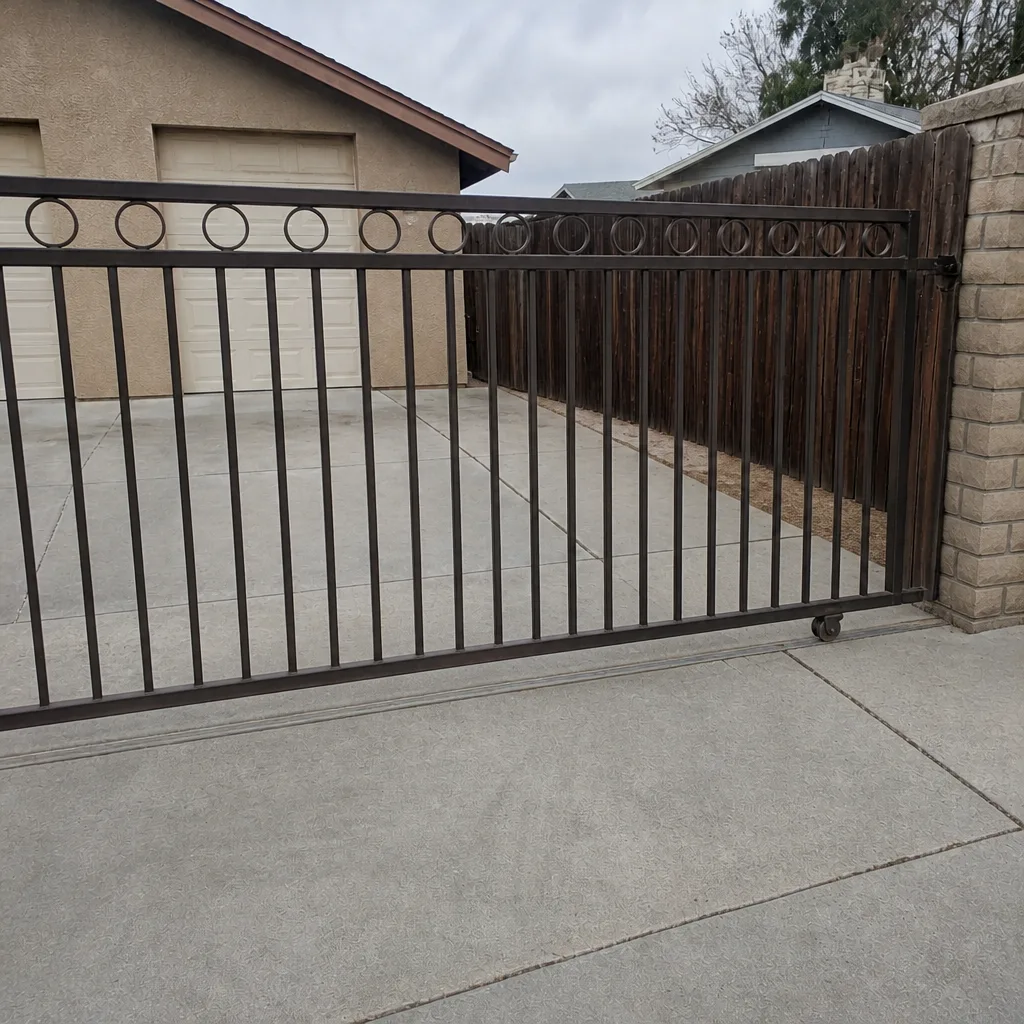
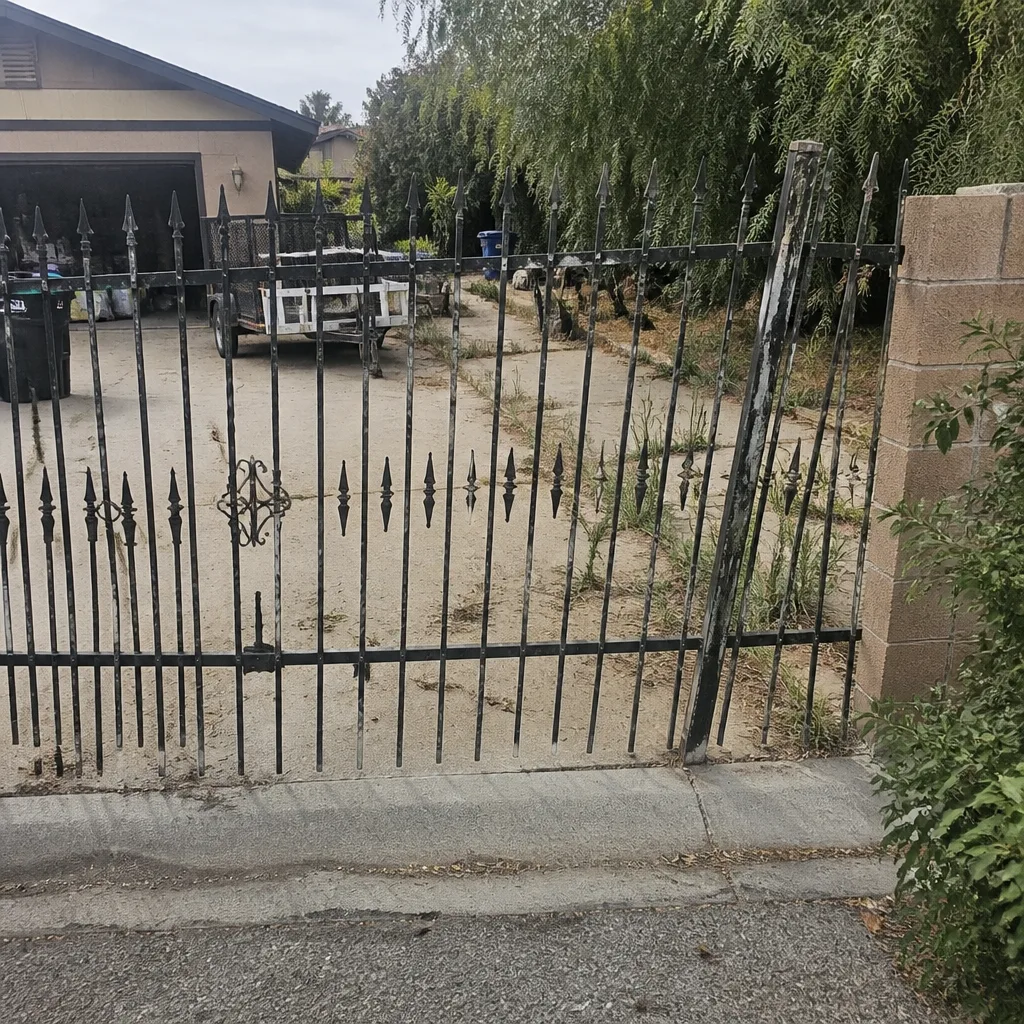
See the difference
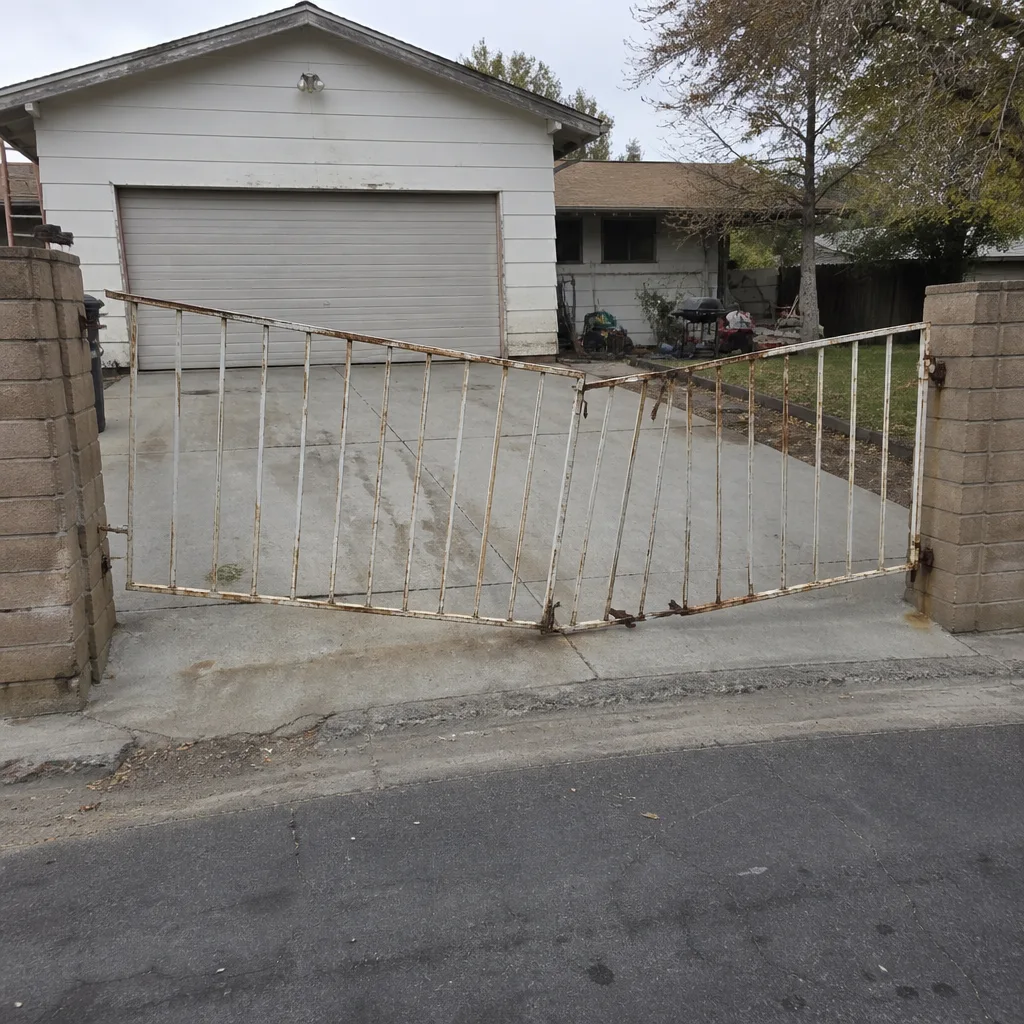 Before
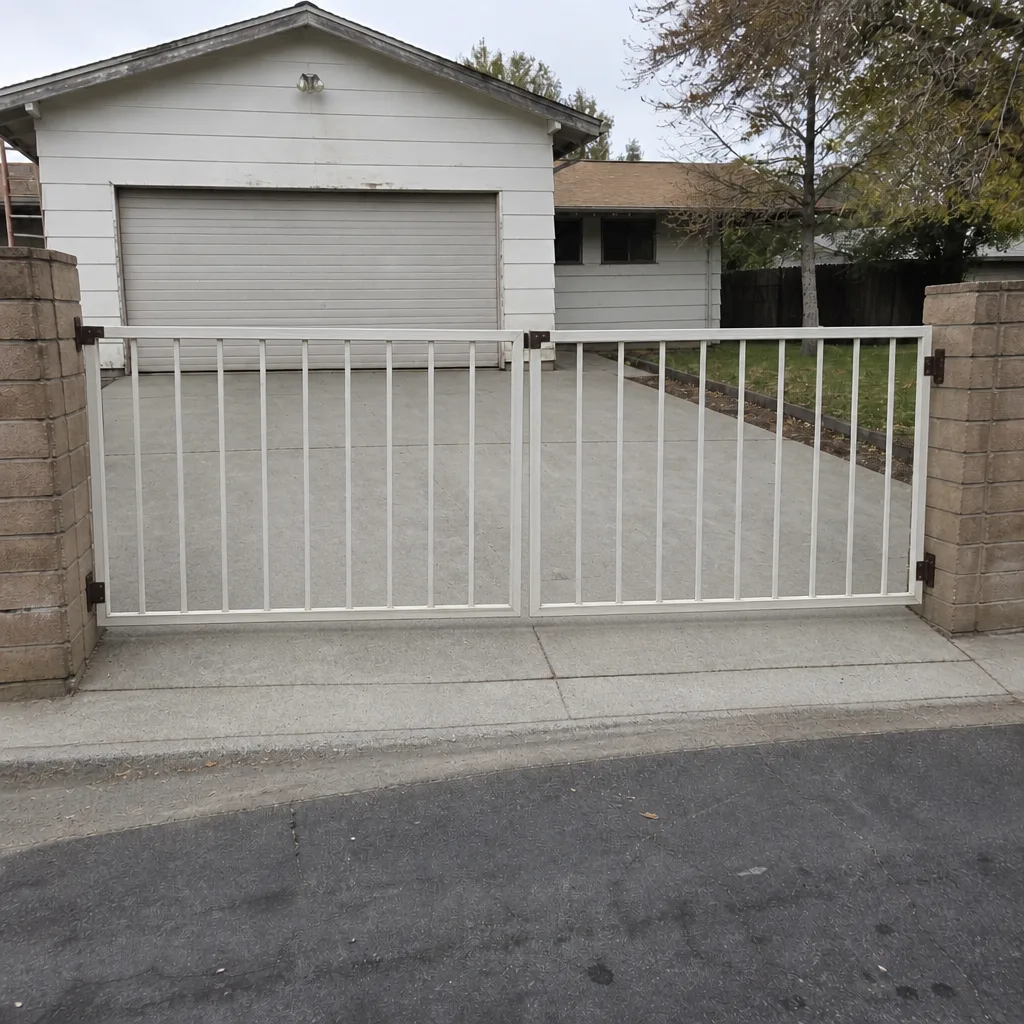 After
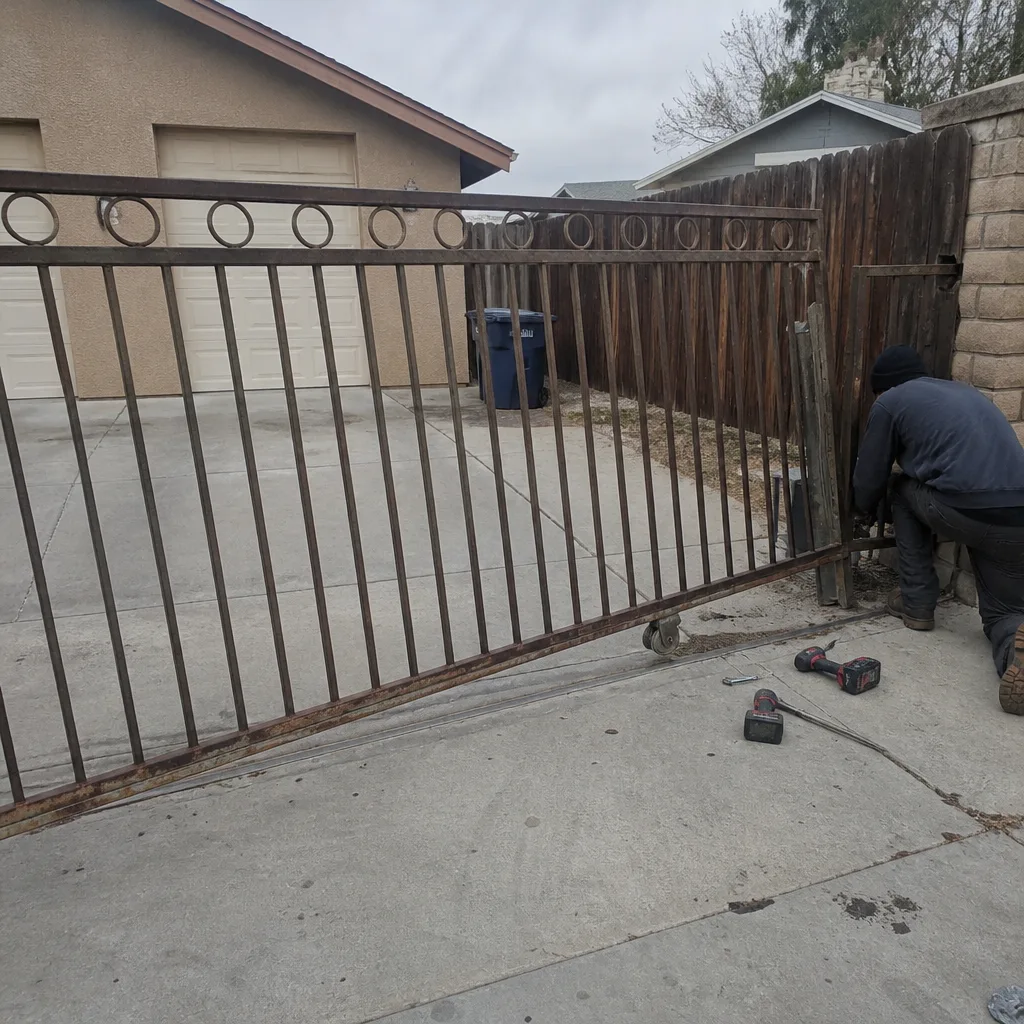 Before
 After
 Before
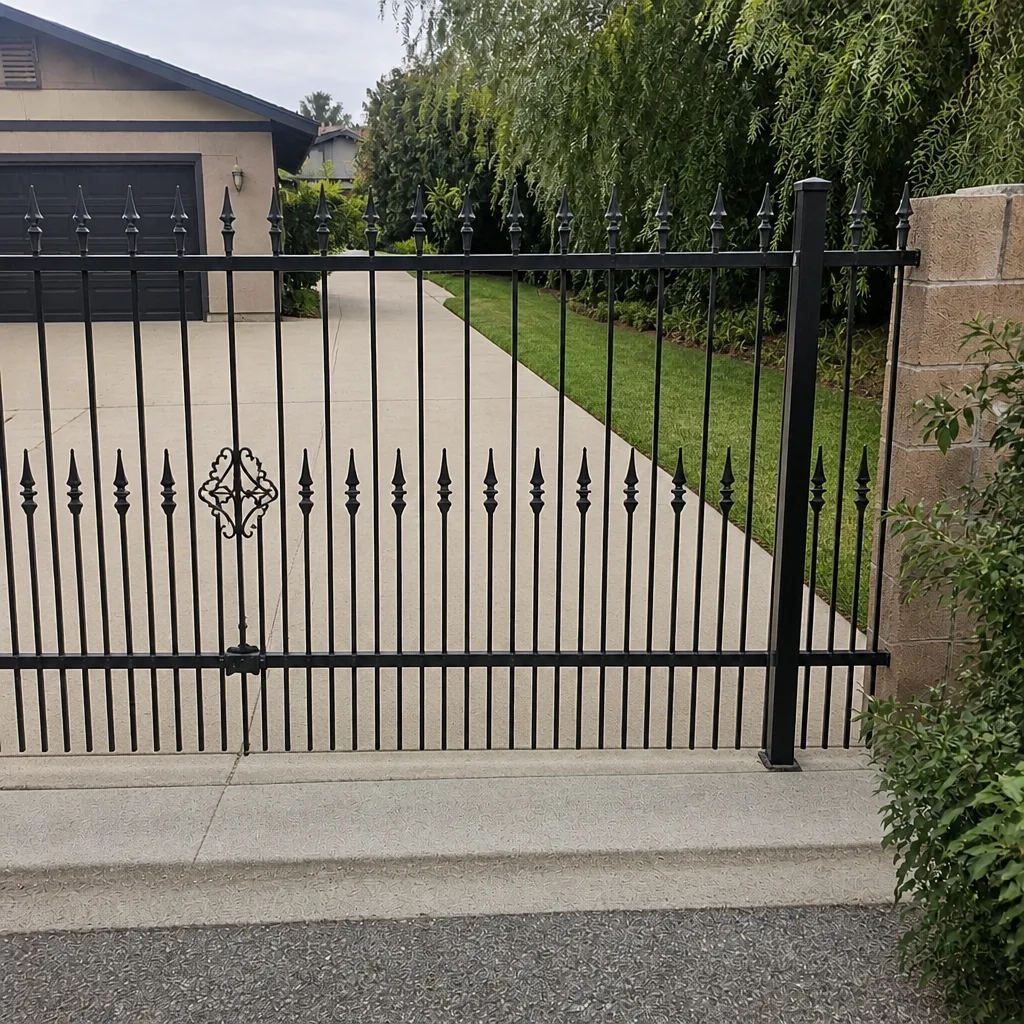 After
When to Call a Professional
Call us when you’ve noticed any of the signs above and you’re not sure which cause you have, or when the gate starts behaving badly and you want it fixed before it quits. Also call if the gate is reversing, if you smell burning, if the motor shuts down in the heat, or if the remote range keeps shrinking no matter what battery you put in. Motor housings carry live wiring, and a gate under spring or drive tension is not a safe place to experiment. That’s why we handle it on-site and test it before we leave.
Gatewood Fence & Gate Enterprise offers free estimates in Enterprise. Call (833) 780-1547 and a live person answers, day or night. We’ll tell you what’s wrong and what it costs before we start. That’s upfront pricing in writing, and it doesn’t change at the door.
Frequently Asked Questions
Most gate motor repairs in Enterprise run between $150 and $450 depending on the part, and startup hesitation or a capacitor usually sits at the low end while board or motor replacement runs higher. We give you a price in writing before we start, and it doesn’t change. Call (833) 780-1547 for an exact quote, free of charge.
We aim to get to most repair calls same day, and a live person answers our phone at all hours. We don’t promise a time we can’t keep, so when you call we tell you honestly when we’ll be there.
Heat causes the motor to trip its thermal overload protection when it’s already working too hard, which is almost never a programming issue. The gate usually needs its hinges and track checked for drag. Call (833) 780-1547 and we’ll diagnose it before the next hot afternoon shuts it down.
Reversing without an obstacle means the safety sensors or loops are misreading, and that’s a safety warning not to be overridden. The fix is testing and repairing the safety circuit, not resetting the operator. Call us (833) 780-1547 and we’ll get the safety system working properly.
Estimates are free, and there’s no trip charge inside the county. If the repair is over $200, you get $40 off as a standing offer. Call (833) 780-1547 and we’ll tell you what we find and what it costs before anything starts.
We service nine major brands, including LiftMaster, DoorKing, Elite, and Mighty Mule. If you’re not sure of your brand, photograph the label on the housing and call us with it.
The Bottom Line
Gate motors telegraph failure for weeks before they quit, and the signs are quiet: hesitation at startup, heat-related stalling, burning smells, self-reversing, shrinking remote range, and changing sounds. Catch them early and you’re usually looking at a small repair. Ignore them and you’re looking at a dead gate, a trapped car, and a bigger bill. Every job we do carries the 90-Day Done Right Promise in writing, and our technicians have up to 25 years of experience. If you’re in Enterprise, call us before the gate stops, not after.
Final note on the big decision: never let anyone talk you into a new motor or gate before the gate itself has been checked for binding, and never let a reversing gate be reset to hide a safety problem. Those two rules alone will save you hundreds and keep your family safe. If you want a second look at an estimate you’ve already been given, we offer that free too. Show us the quote and we’ll tell you straight.
Contact Us
Every warning sign in this guide points to the same next step: get it looked at while it’s still a small repair. We’re locally owned and owner-operated, the name is on the shop, and a live person answers our phone around the clock. If you’re in Enterprise or the surrounding county, call (833) 780-1547 for a free estimate. We give you an upfront price in writing, with no trip charge inside the county and $40 off any repair over $200, and a permanent 10% discount for seniors and veterans. Learn more on our Gatewood Fence & Gate Enterprise home page, or if you’re planning ahead, see Gate Installation in Enterprise.
Written by the team at Gatewood Fence & Gate Enterprise.