
Last updated November 18, 2026
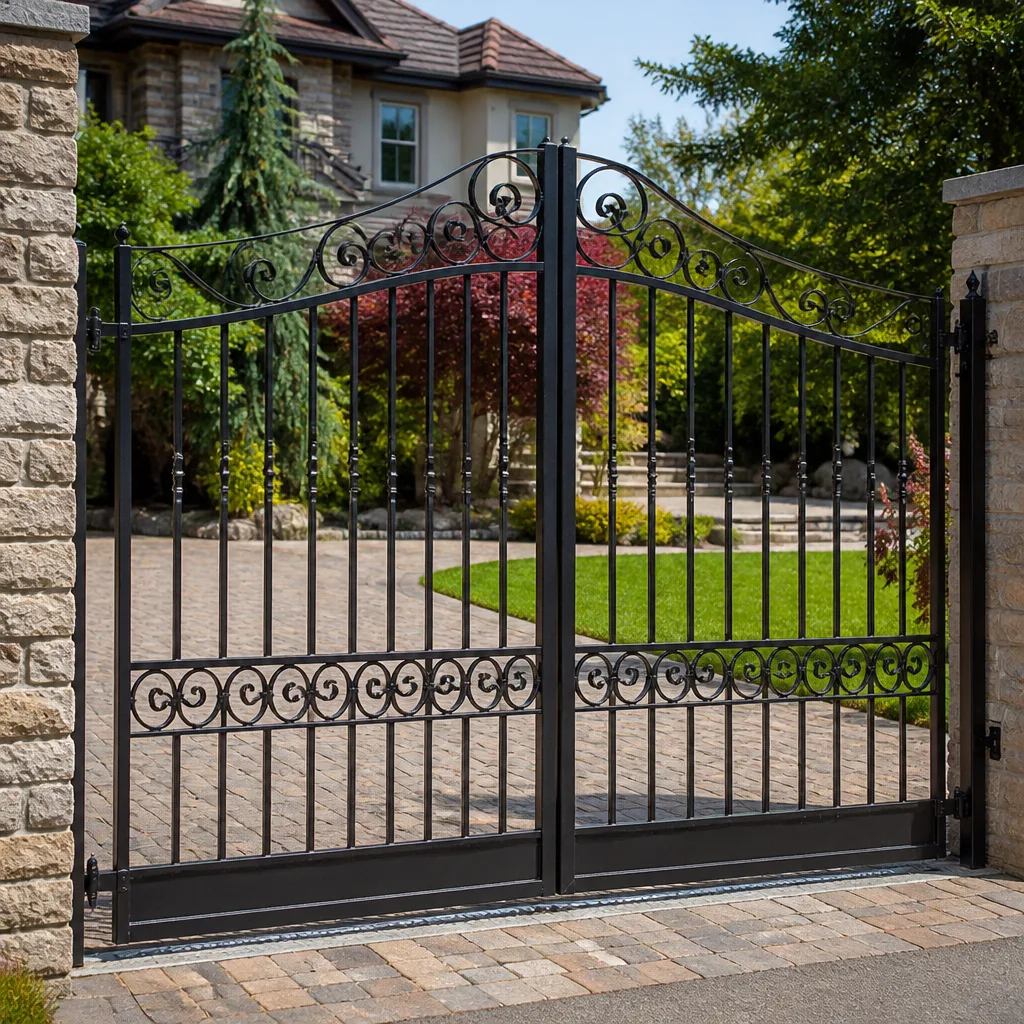 Wrought iron
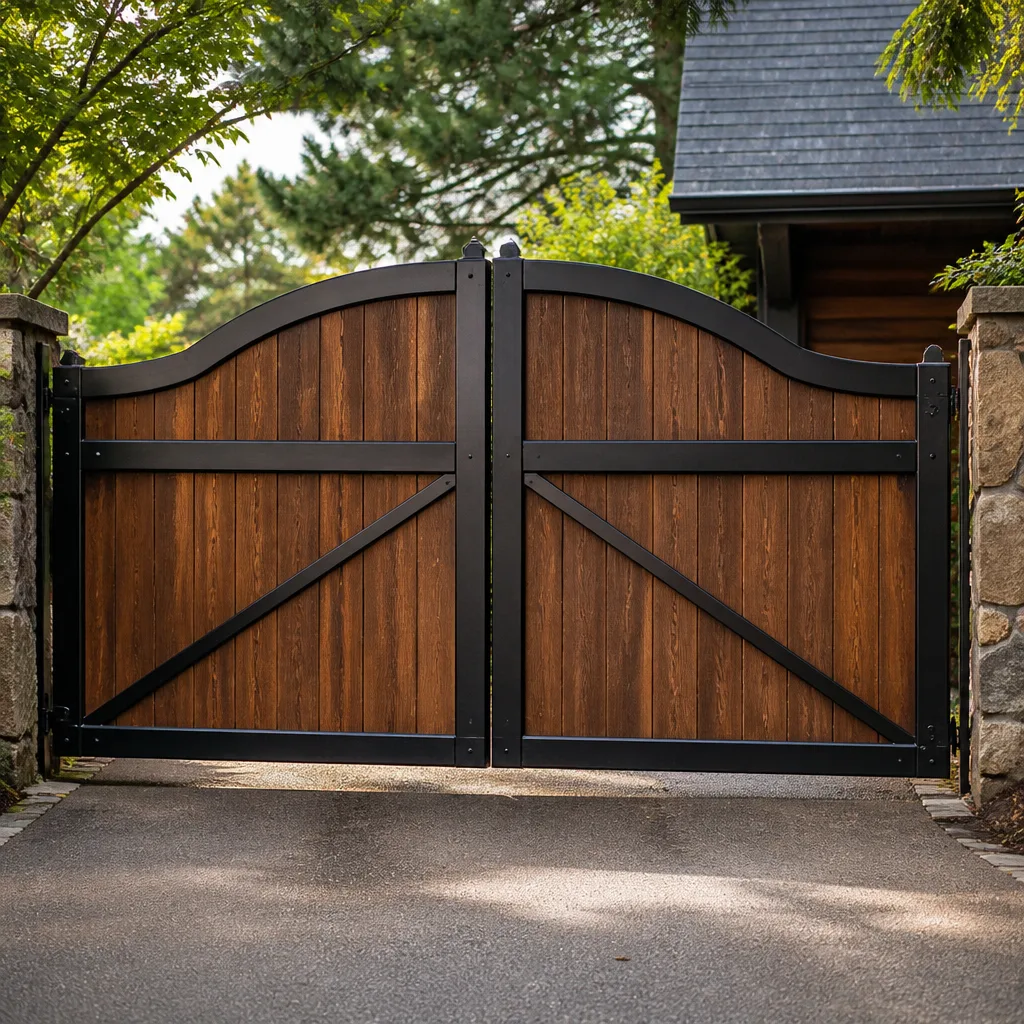 Wood & steel frame
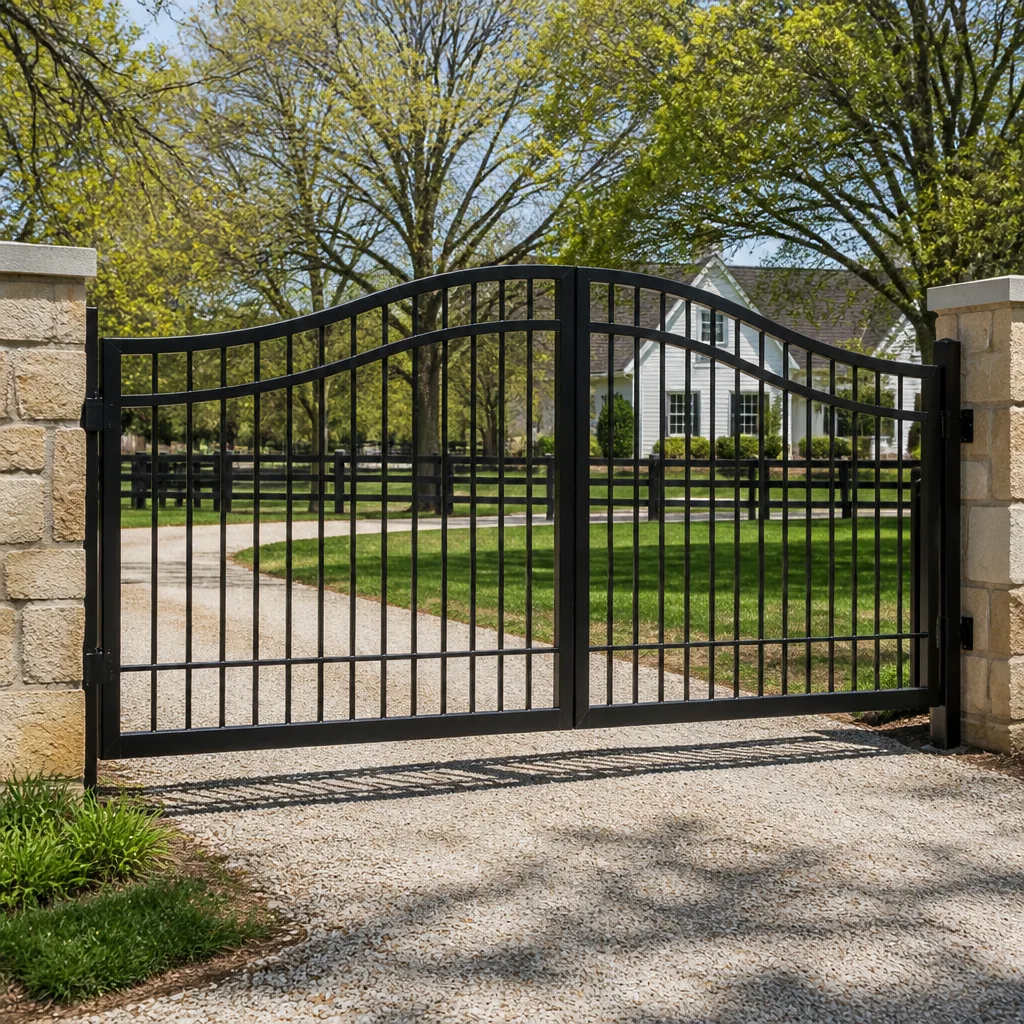 Farm & ranch
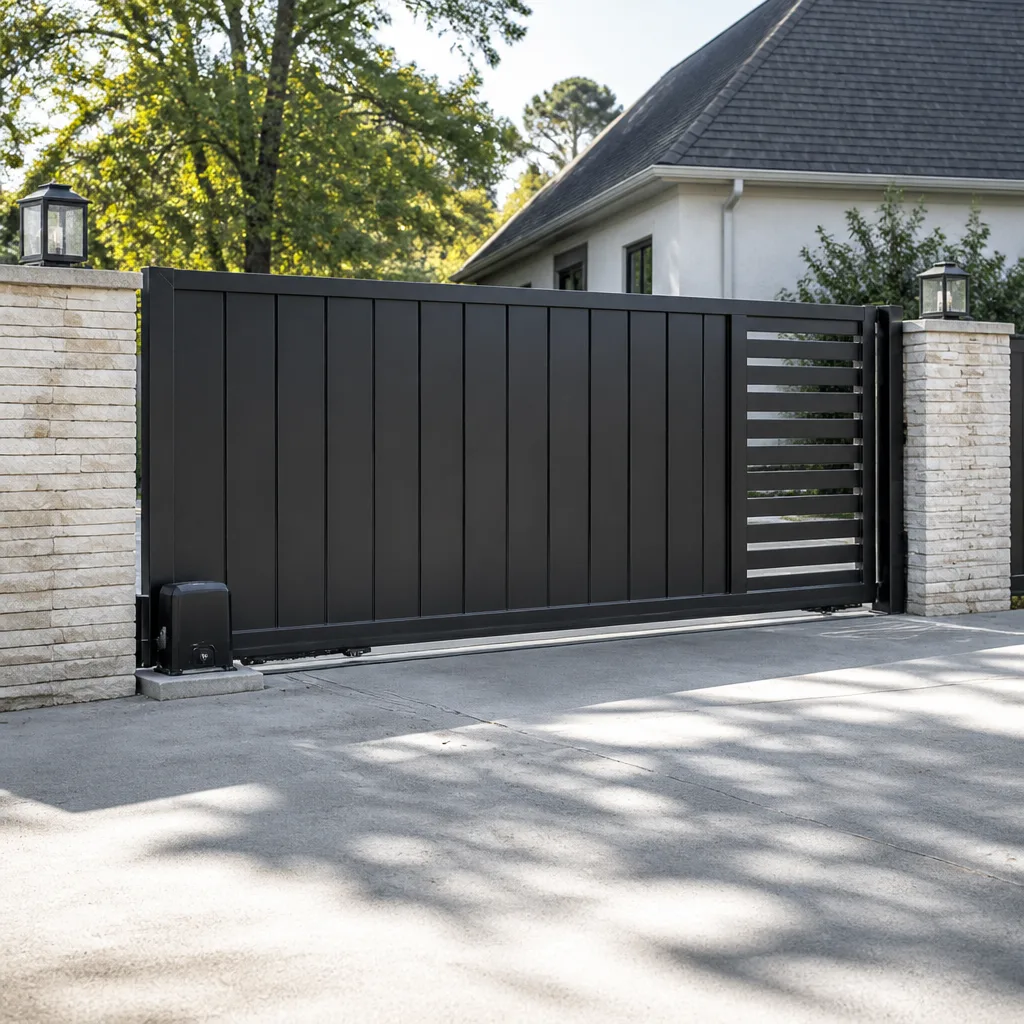 Sliding driveway gates
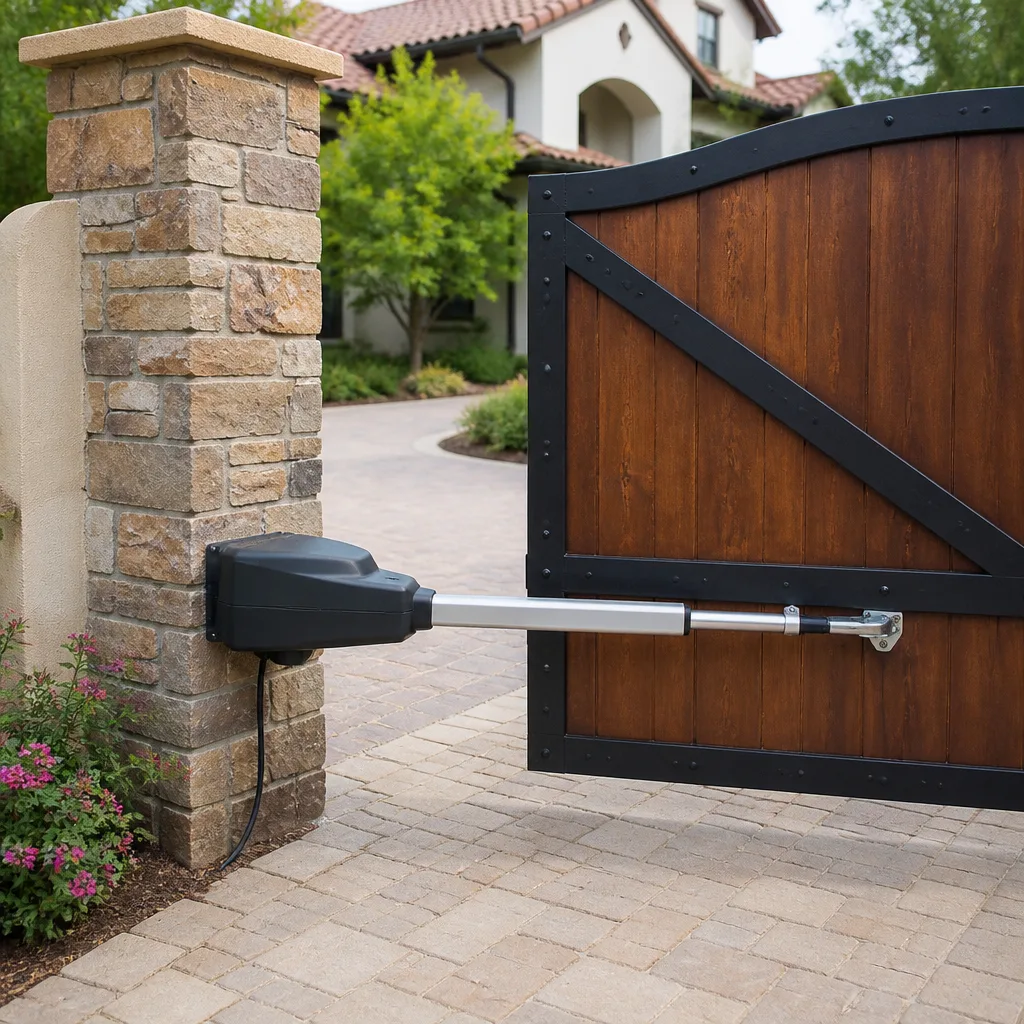 LiftMaster operators
Free on-site gate assessment - hinges, posts, and your LiftMaster or Nice gate operator checked before anything is quoted
The assessment is free and the quote is the invoice.
Get your free estimateGate Repair Warning Signs Every Homeowner Should Know
A gate that opens slower than it used to is not “getting old.” That’s the operator working harder to push against increased resistance from a dragging hinge or a post that has drifted, and that extra load can cut motor life in half. The dramatic failures get all the attention: the gate hanging off one hinge, the arm snapped clean. But the signs that actually save you money show up quietly, six to eighteen months before a failure, when a repair runs a fraction of what the breakdown will cost. What follows is the list we wish every homeowner in Enterprise had taped to the garage wall: the sounds, the visual clues, the behavior changes, and a straight answer on which ones mean call today and which ones can wait a month.
Quick Answer
The warning signs that matter most are the quiet ones: a gate that moves slower, a squeak that shows up every spring, rust streaking below a hinge, hairline cracks at a weld, a remote that needs to be closer every month. Catching these early usually means a small adjustment or a weld on site. Ignoring them is what turns a repair into a replacement. In Enterprise, the dry climate hides some of these signs and exaggerates others, so knowing what to look for matters more than people think.
Styles & brands we work with
- Wrought iron
- Wood & steel frame
- Farm & ranch
- Sliding driveway gates
- LiftMaster operators
Table of Contents
- The Five Sounds That Mean Something Specific
- Visual Signs That Aren’t Obvious Until You Know What to Look For
- Behavioral Warning Signs in Automatic Gates
- Why Post Lean Is Not a Cosmetic Issue (And How to Measure It)
- Call Today Versus Watch It for a Month
- How Enterprise Weather Changes What You Should Watch
- Common Mistakes to Avoid
- Frequently Asked Questions
The Five Sounds That Mean Something Specific
A gate makes noise the way a car does: the sound tells you where the problem lives. Not all noises are equal, and the difference between them is the difference between a fifteen-minute adjustment and a motor replacement. Here’s the short version, translated from what we hear on calls around Enterprise.
- A squeak is a dry hinge or pivot. It’s the easiest thing on this list to fix, and the easiest to ignore until the pin wears through its bushing. A squeak in March is a hinge that needs grease; a squeak in September that you’ve heard since March is a hinge that needs replacing.
- A grind means metal is contacting metal where it shouldn’t. On a sliding gate it’s usually a roller that has worn flat or a track that has debris packed into it. On a swing gate it’s often a hinge pin that has lost its lubrication and started shaving itself against the bracket.
- A click on close is a latch or strike plate that has drifted out of alignment. The gate is telling you the geometry changed somewhere, and the latch is where it shows. Left alone, that click becomes a gate that doesn’t latch at all, which is a security problem, not a noise problem.
- A hum with no movement is the motor overloaded. The operator is drawing current, trying to move a gate that won’t go, and the thermal protection is cycling. Every second of hum is heat building in the motor windings. This one shortens motor life faster than any other symptom.
- A pop is weld fatigue. Something that was solid is starting to move. A pop on opening or closing means a joint is cracking, and a cracking joint on a gate holding tension is not something to keep using while you think about it.
If you can name the sound, you can usually name the fix. If you can’t, that’s when a gate repair visit in Enterprise earns its keep.
Visual Signs That Aren’t Obvious Until You Know What to Look For
Most homeowners look at a gate and see a gate. What we look at is the post, the hinges, the welds, and the paint. These four spots carry most of the early-warning information, and three of them don’t look like problems until you know what you’re seeing.
Rust streaking below a hinge
Rust running down the post below a hinge bracket is not a paint problem. It’s moisture getting behind the bracket and starting to work on the steel underneath. The bracket bolts are usually the first thing to corrode, and once they’re compromised, the hinge can pull out under load. A rust streak today is a hinge that’s losing its grip.
Hairline cracks at weld points
Cracks start small, at the corner where a stile meets a rail, or where a hinge plate was welded on. They follow the heat-affected zone of the original weld. A crack you can see with your eyes is advanced; a crack you can catch with a fingernail is early. This is one of the reasons we weld on site instead of hauling gates off, because the joint is easier to inspect and fix in place, and the gate stays on its hinges the whole time.
Paint bubbling near post bases
Bubbled paint at the bottom of a steel post is moisture coming up from the ground or trapped inside the post. It signals the post is corroding from the inside out, which no amount of repainting will stop. On a post set in Enterprise soil, this often shows up after a wet winter followed by a dry summer.
Uneven gaps
Walk the gate and look at the gap between the gate frame and the post at top and bottom, on both sides. If those gaps are measurably different, the geometry has moved. It’s the quietest sign on this list and one of the most informative.
Behavioral Warning Signs in Automatic Gates
On an automatic gate, the operator’s behavior tells you what it’s dealing with. The motor doesn’t lie. When it starts compensating for something, you’ll see it in how the gate moves, stops, and responds to a remote.
- Inconsistent stop positions. If the gate used to stop at the same spot every time and now stops a little short or a little past, the limit switch is drifting or the gate’s resistance has changed. On a gate motor and opener system in Enterprise, this is more often a mechanical problem the operator is reacting to than an operator problem itself.
- Reversing without an obstruction. A gate that reverses on its own is usually reading increased resistance as an obstacle. That resistance comes from a dragging hinge, a track out of alignment, or a post that has moved. There’s also a chance the safety edges or photo-eyes have drifted, which is a safety issue and not something to put off.
- Remote range that keeps shortening. If you used to open the gate from the top of the driveway and now you’re pulling almost to it, something is degrading. On the Ghost Controls and Mighty Mule units we service around Enterprise, a shortening range is usually a failing receiver, a dying battery in the remote, or interference from a new device on the property. It’s rarely a mystery once we test it.
- Slower opening. This is the one most people read as “the gate getting older.” It’s the operator working harder to overcome resistance. A slower gate is a gate moving closer to a motor failure, and the earlier you find the resistance, the cheaper the fix.
Why Post Lean Is Not a Cosmetic Issue (And How to Measure It)
A gate sags in the hinge post, not in the middle. That’s where the load lives, and that’s where we start. A post that has leaned out a fraction of an inch may look like nothing. But a fraction of an inch at the base becomes a couple of inches at the top of a six-foot gate, and that’s the difference between a gate that latches and a gate whose operator is fighting the latch every cycle.
You can measure lean yourself with a level and a steady hand. Here’s how:
- Close the gate fully and engage the latch.
- Set a four-foot level against the hinge post, plumb in both directions (front to back and side to side).
- Note the bubble position and take a photo of it. Photos turn a vague “looks a little off” into a reference you can compare in a month.
- Repeat at the latch post.
- If either post is out of plumb by more than roughly the thickness of the level’s bubble line, you’re in the range where a pro should look at it. Anything visibly out of plumb is structural.
Post lean in Enterprise is often a soil issue. Expansive clay moves with the seasons, and a post set years ago without accounting for that movement is going to drift. When we find a lean, we look at the post first, because fixing the panel without fixing the post means you’ll fix it twice.
Call Today Versus Watch It for a Month
Not every warning sign is urgent, and pretending otherwise is its own kind of dishonesty. Here’s a straight way to sort the list, so you know what to do without a sales pitch attached.
Call today
- A hum with no movement on the motor. The motor is overheating every time the gate is used, and the damage compounds.
- A pop at a weld. A cracking weld on a loaded gate can fail completely, and sometimes it fails when someone is standing nearby.
- Reversing without obstruction once you’ve confirmed the path is clear. Safety sensors are there to prevent injury, and if they’re misfiring, they aren’t doing their job.
- A gate that won’t latch. This is a security gap, and it’s the kind of thing that doesn’t fix itself overnight.
- A hinge that has pulled visibly away from the post. The gate is now held by less than it should be.
Watch it for a month
- A squeak on a hinge that still moves freely. Grease it and note whether it comes back within a couple of weeks.
- A shortening remote range on a gate that otherwise works fine. It’s inconvenient, and it’s worth checking, but it isn’t urgent unless it’s erratic.
- Paint bubbling at a post base, once you’ve looked to confirm the post is solid below it.
- A latch that clicks on close but still latches. Note it, measure it, and get it seen before the season changes.
When in doubt, a free second opinion on any written estimate is one of the standing offers at Gatewood Fence & Gate Enterprise, and we’ll tell you straight if what you’re looking at can wait. If it can, we say so.
How Enterprise Weather Changes What You Should Watch
Enterprise has a dry climate with big temperature swings between day and night, and a short, cold winter that still gets cold enough to matter. That combination puts stress on gates in specific ways, and it changes which of the warning signs on this list are most likely to show up here.
Dry heat bakes the paint and the grease out of hinges. A hinge that gets greased once a year in a wet climate might need it twice in Enterprise. The summer sun also expands metal enough that a gate adjusted tight in July can bind in January. And the winter cold isn’t deep enough to freeze the ground solid, but it’s cold enough that any moisture collected at a post base can do damage when it expands and contracts.
We also see a lot of older gates in gate installation projects around Enterprise where the post was set decades ago without a proper concrete footing. Those posts are the ones that lean first. The wind here is light most of the year, but the seasonal gusts and the fact that these gates are often wider than necessary mean that the post gets a lot of side load. Post lean is one of the top two reasons we get called out in Enterprise, along with operator motors that are being asked to push a gate that’s fighting itself.
Common Mistakes to Avoid
- Greasing the wrong part. Slathering grease on a hinge bushing that’s already worn thin hides the problem without fixing it. The squeak comes back in a week, and the bushing keeps wearing underneath.
- Adjusting the operator to compensate. When a gate runs rough, some folks turn up the motor force or add travel time to make it work. That’s working around the resistance instead of finding it, and it’s how a bad hinge turns into a dead motor.
- Repainting a rust-streaked post. Paint over rust looks great for a month and traps the corrosion underneath. If the post is showing rust streaks, the post is the problem, not the paint on it.
- Treating post lean as cosmetic. Straightening a gate panel without addressing a leaning post gets you a gate that leans again the moment the weather changes. Fix the post, then the panel.
- Ignoring a click on close. A latch that’s slightly out of alignment is a latch that’s eating itself every time it closes. A five-minute adjustment now beats a latch replacement later.
- Letting a slow gate get slower. Slowing is the gate’s way of telling you it’s working harder. It’s the single most-missed warning sign we see on calls around Enterprise.
- Assuming replacing is the answer. A gate that’s showing two or three of these signs is usually still very much repairable. Replacing a gate that needed a weld and a hinge is a waste of money, and the gate that replaces it will show the same signs in five years if the post wasn’t addressed.
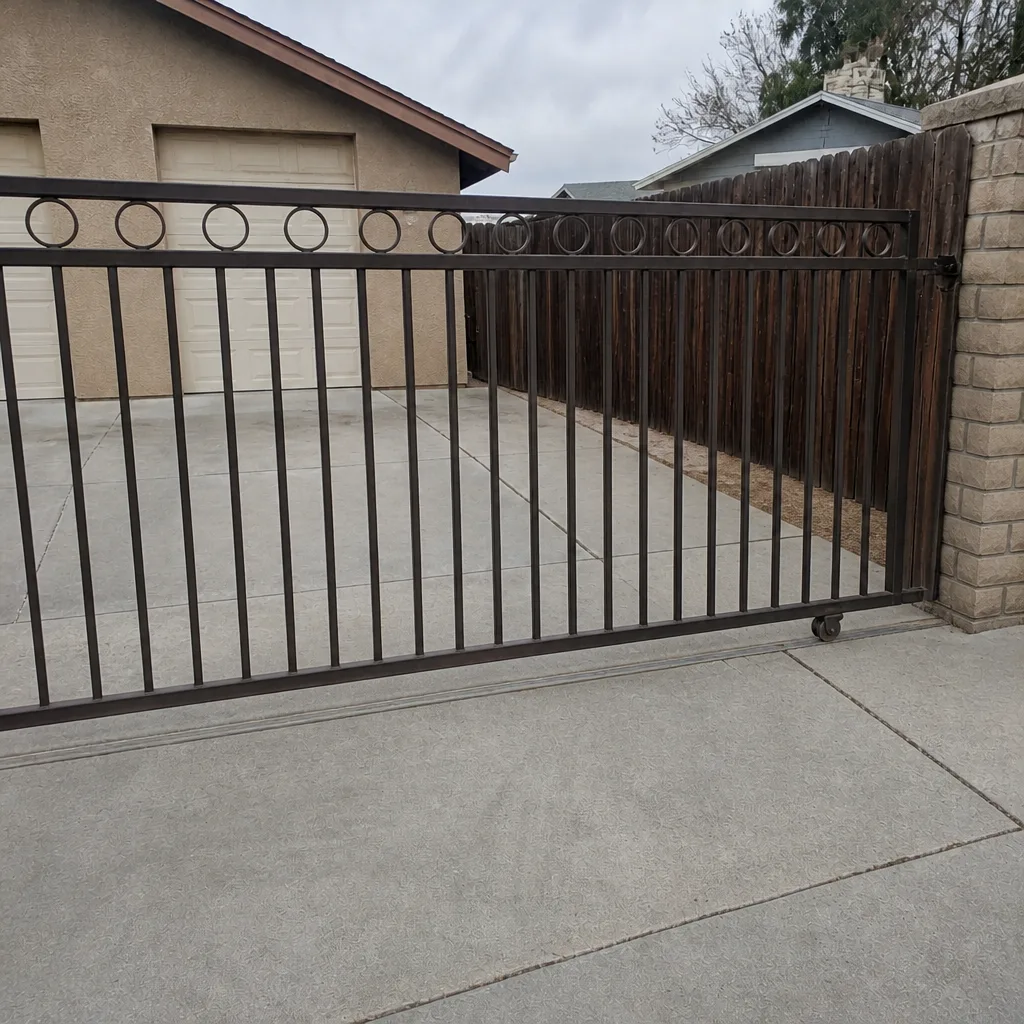
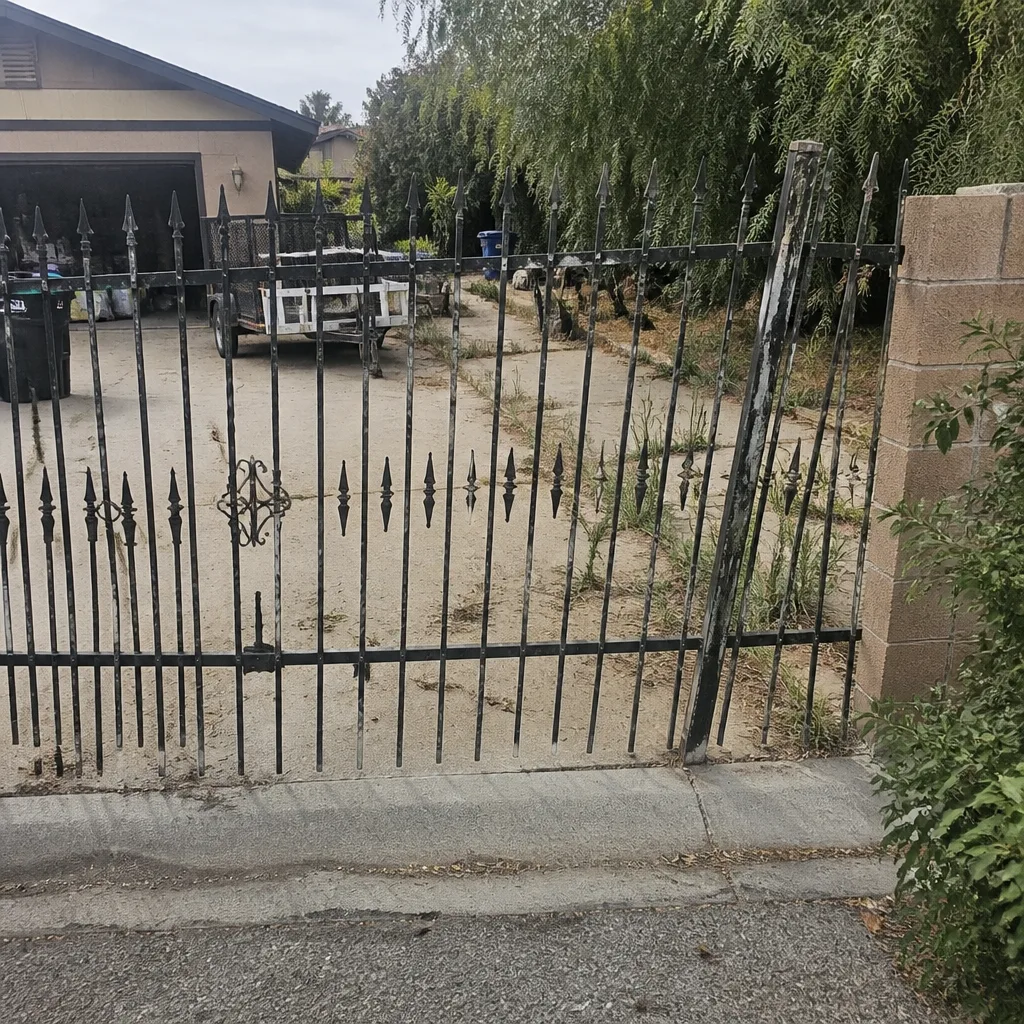
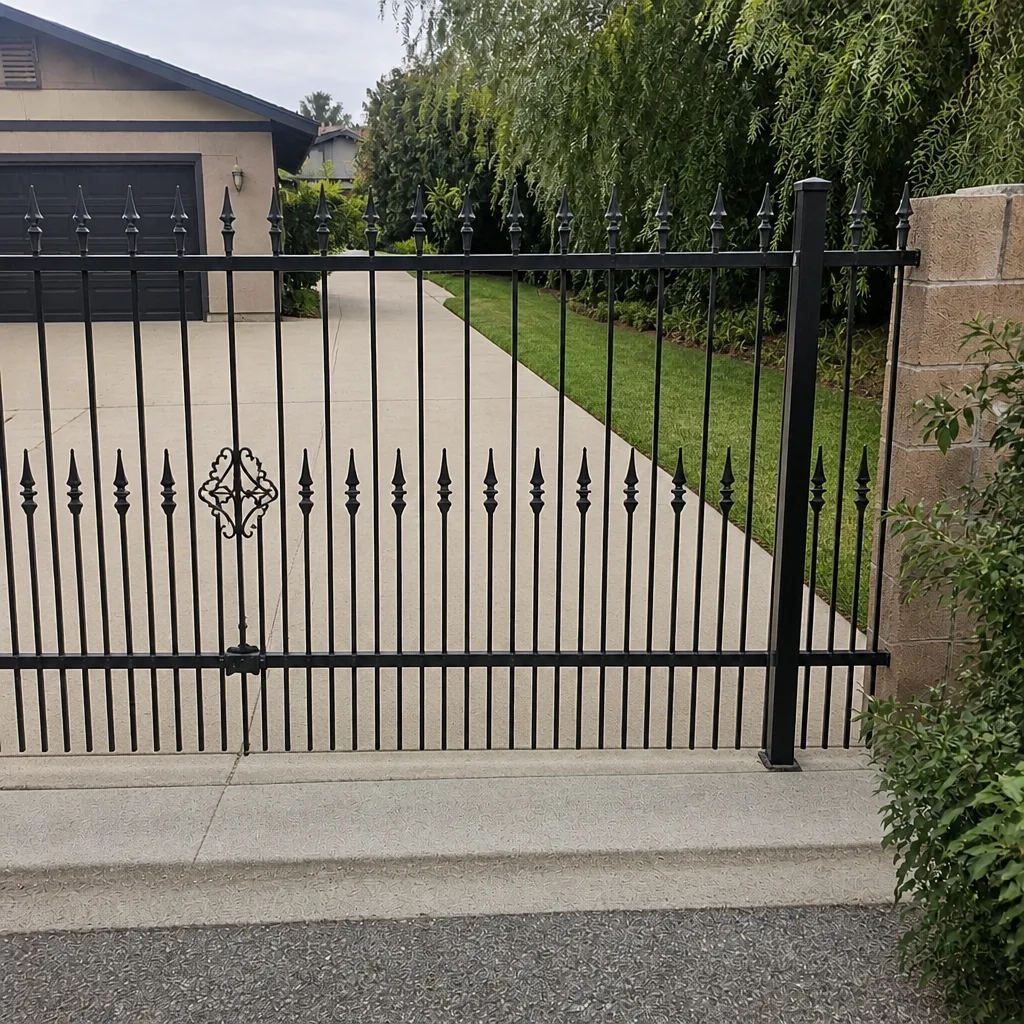
See the difference
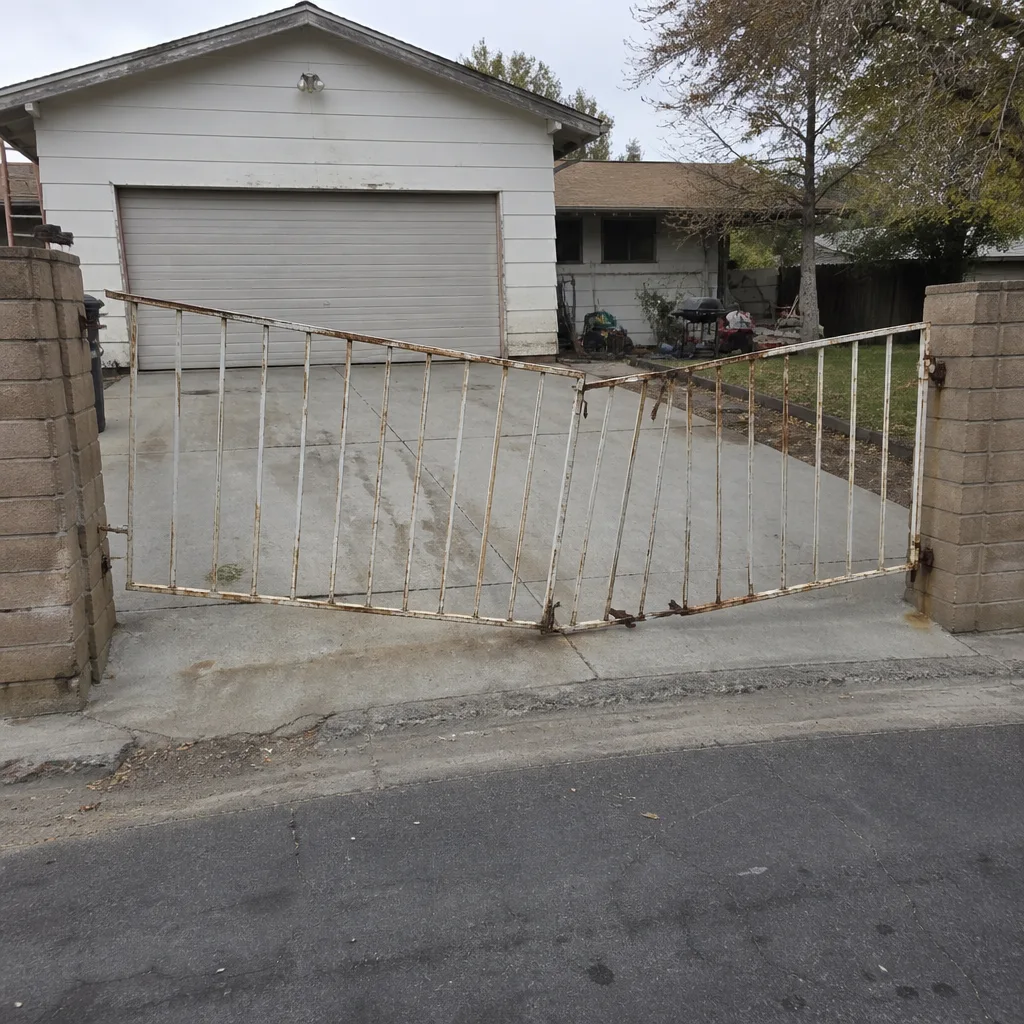 Before
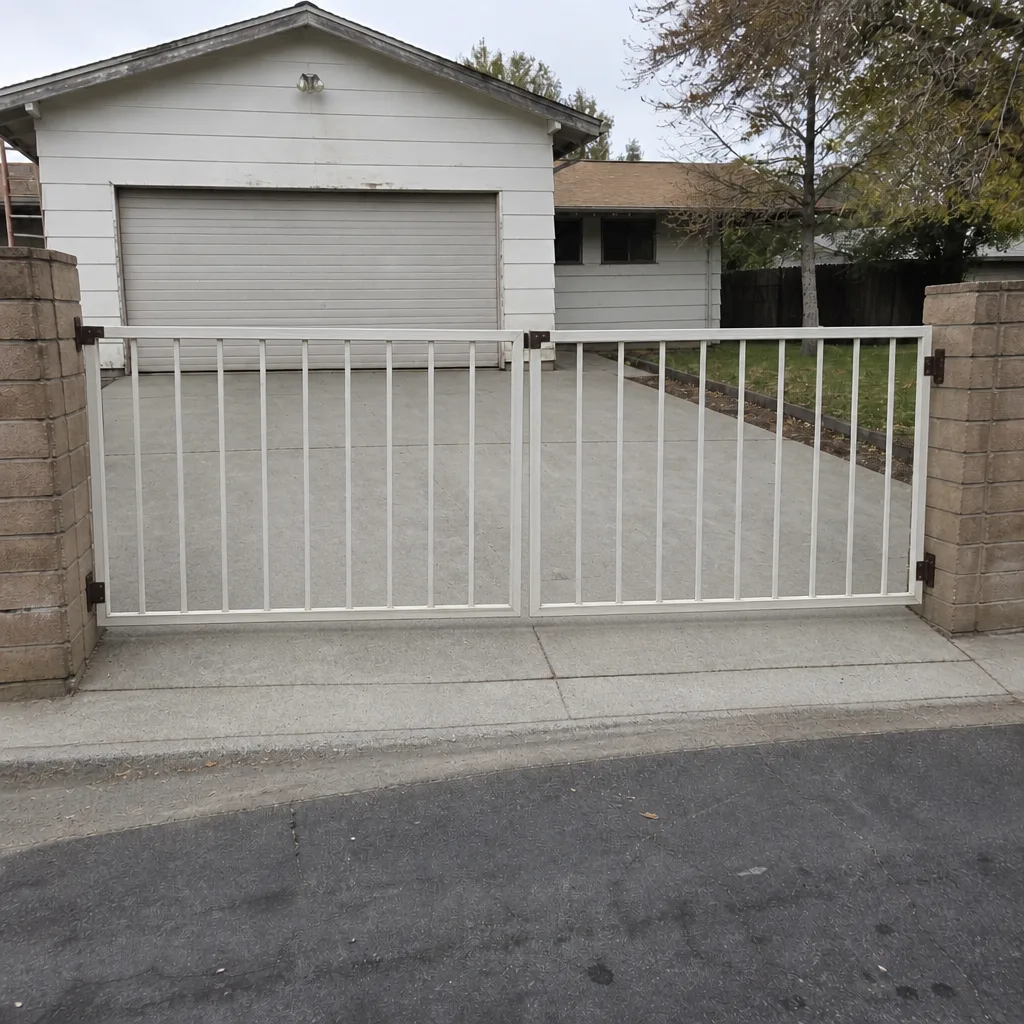 After
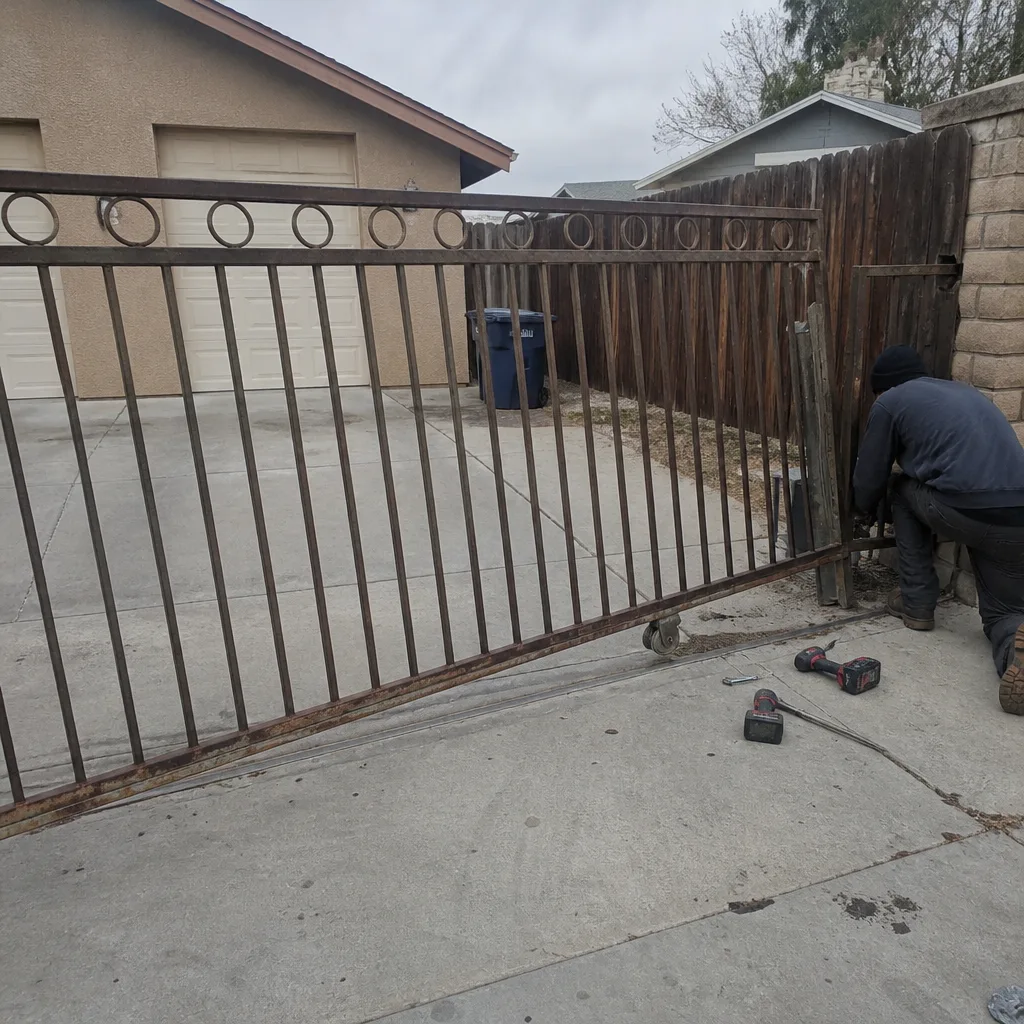 Before
 After
 Before
 After
When to Call a Professional
Call when the sign points to something structural or electrical, or when you can’t tell which category it falls into. A popping weld, a humming motor, a gate reversing without obstruction, a hinge pulling out of the post, a latch that won’t hold: those are all worth a call today, and none of them are worth waiting on. On the softer signs, a squeak that comes back, paint bubbling at a post base, a remote with shrinking range, a free estimate gives you a straight answer on whether to fix now or watch it. Gatewood Fence & Gate Enterprise offers free estimates in Enterprise. Call (833) 780-1547 and a live person will pick up, day or night. We’ve been repairing gates here since 2001, and we’re owner-operated, so the person on the phone is the same person who shows up.
Frequently Asked Questions
The five warning signs with the most meaning are a squeak on every open (dry hinge), a grind (metal-on-metal contact), a click on close (latch misalignment), a hum with no movement (motor overload), and a pop (weld fatigue). Add the quieter ones: inconsistent stop positions on an automatic gate, a remote that needs to be closer each month, rust streaking below a hinge, cracks at weld points, and post lean.
A slower gate is a problem almost every time. The operator is working harder to push through increased resistance from a dragging hinge, a track out of alignment, or a post that has drifted. That extra load shortens motor life and adds heat to the windings on every cycle. If your gate is slower than it used to be, the operator is compensating for something, and it’s worth finding out what before the motor gives out.
If the post is visibly out of plumb when you set a four-foot level against it, it’s structural. If it’s only slightly off but the gate has started to drag or the latch has started missing, it’s also structural. Post lean doesn’t reverse on its own, and adjusting the gate panel without addressing the post means the same lean comes back. Call (833) 780-1547 for a free estimate and we’ll tell you what you’re looking at, no pressure either way.
On-site repair is the norm, not the exception. We weld in the driveway, on the gate’s own hinges, which is faster and cheaper than hauling it off, and it lets us inspect the joint where it actually lives. Most repairs around Enterprise are done on site in a single visit. The gate stays on its hinges unless the post itself has to be reset, and that’s a bigger job we’d explain on the estimate.
Yes. We’re certified to service nine major gate brands, including Ghost Controls, DoorKing, Elite, and Mighty Mule. When we get called out on an operator problem, we look at the gate’s resistance first, because most “motor problems” are the motor responding to a gate that’s become hard to move. If the motor’s fine, we say so, and we don’t swap parts that don’t need swapping.
Repair prices depend on what the diagnosis turns up: a hinge adjustment and a weld are very different jobs. Every estimate at Gatewood Fence & Gate Enterprise is quoted and agreed in writing before any work starts, so you know the number before we pick up a tool. Standing offers also apply, including $40 off any repair over $200 and a permanent 10% discount for seniors and veterans. Call (833) 780-1547 for an exact quote (estimates are free), or to ask us to look at a written estimate you already have.
The Bottom Line
The signs that save you money are the quiet ones: a squeak that keeps coming back, rust under a hinge, a weld starting to crack, a gate that’s gotten slower, a post that’s leaning a fraction of an inch. Catch them at six to eighteen months before a failure and you’re usually looking at a small repair. Miss them and you’re looking at a motor, a post, or a replacement. Fixing a gate by welding on site and addressing the post before the panel is the difference between fixing it once and fixing it twice. If you’re unsure which category a sign falls into, that’s exactly the question a free estimate answers. For more on what we do, start at the Gatewood Fence & Gate Enterprise home page.
When you’re ready to have it looked at, call (833) 780-1547 for a free estimate. A live person answers, day or night, and every job carries the 90-Day Done Right Promise in writing. We’d rather tell you it can wait than sell you something you don’t need.
Written by the team at Gatewood Fence & Gate Enterprise.