
Last updated November 18, 2026
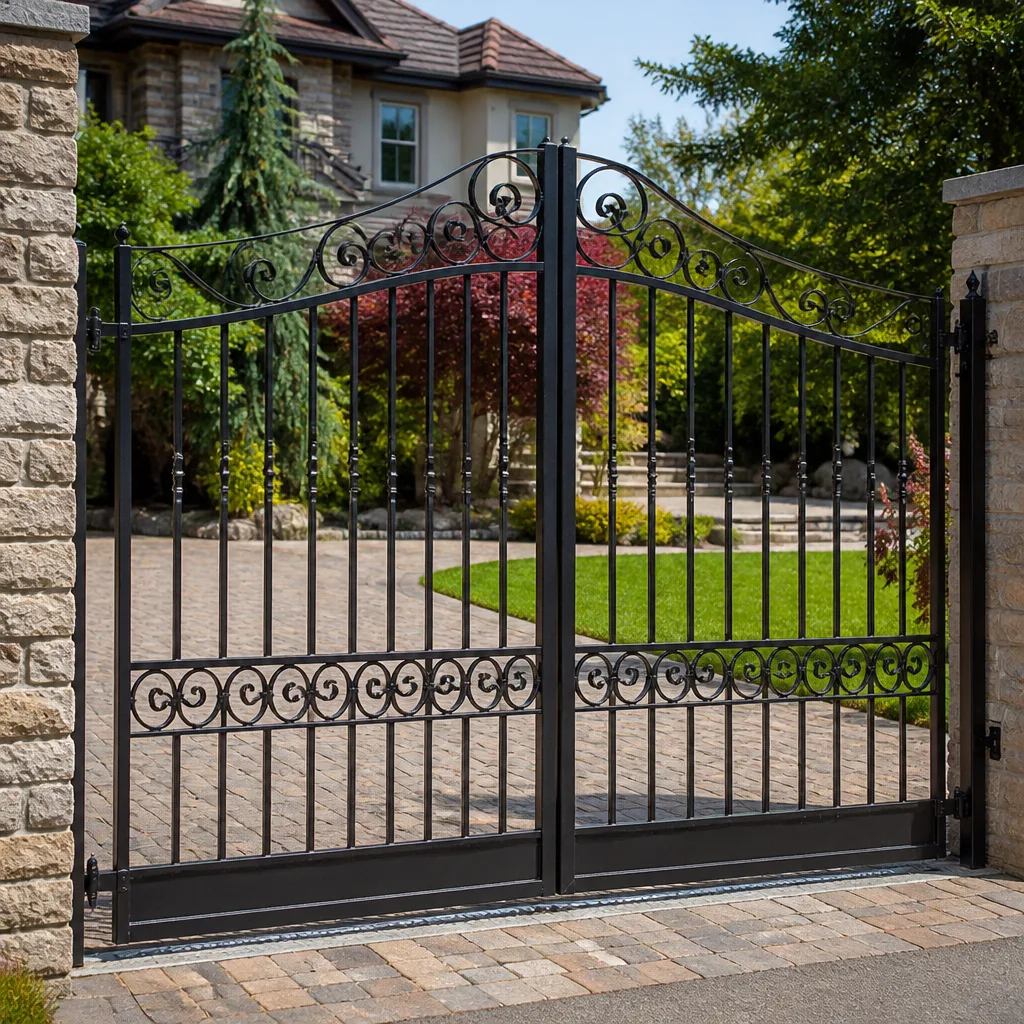 Wrought iron
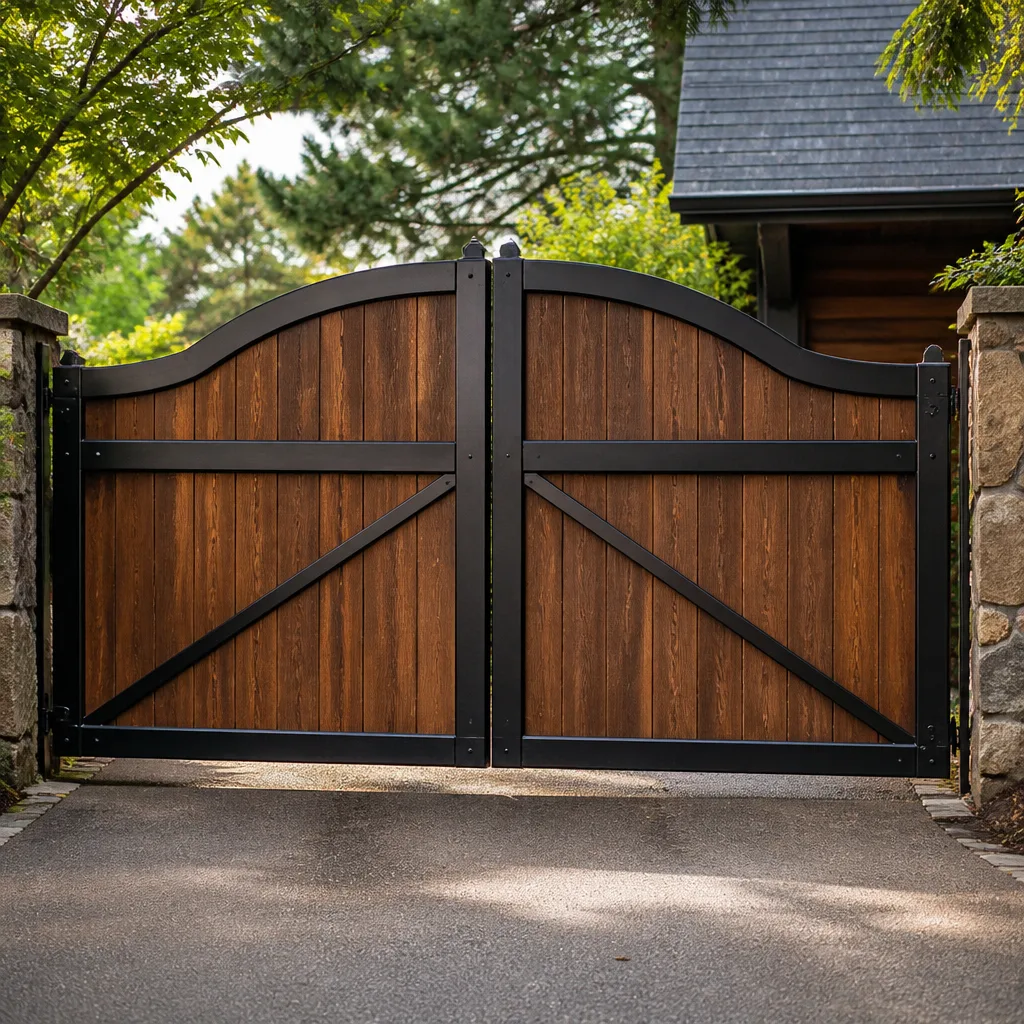 Wood & steel frame
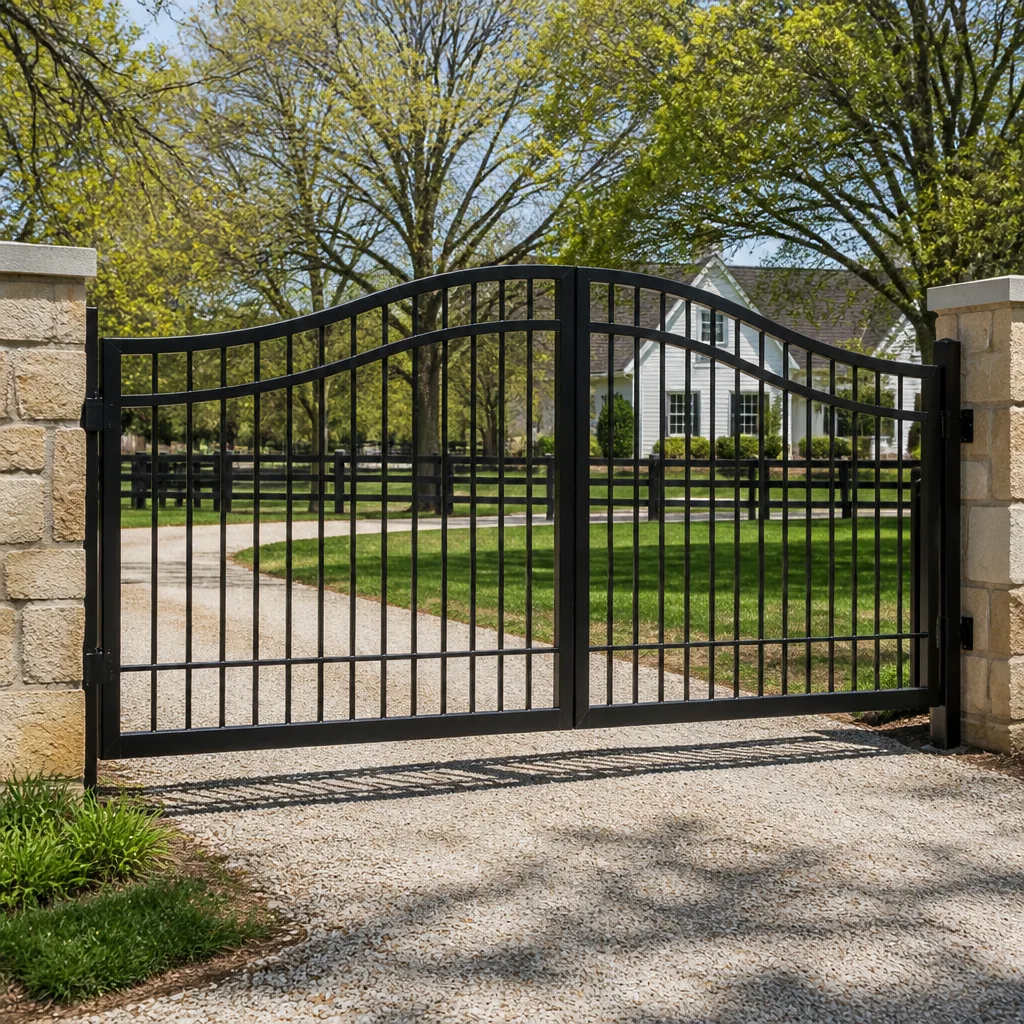 Farm & ranch
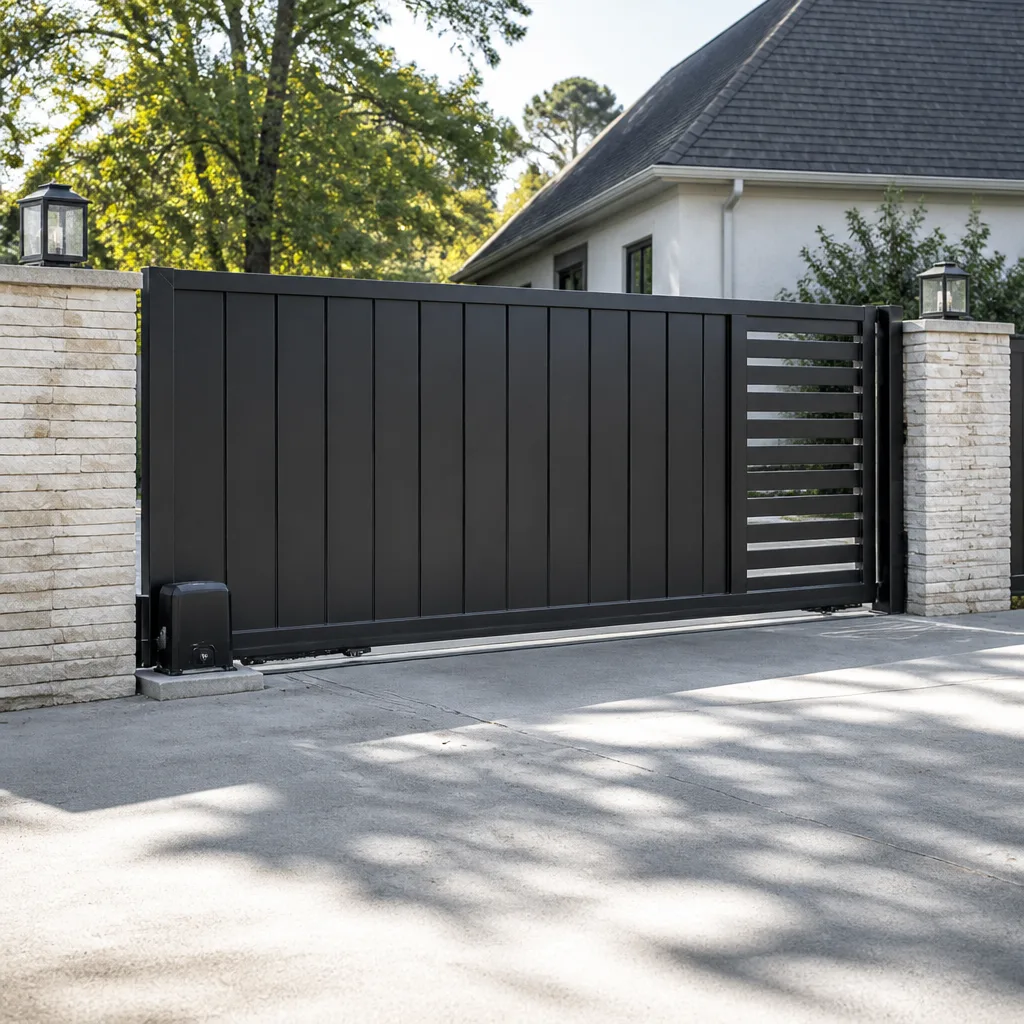 Sliding driveway gates
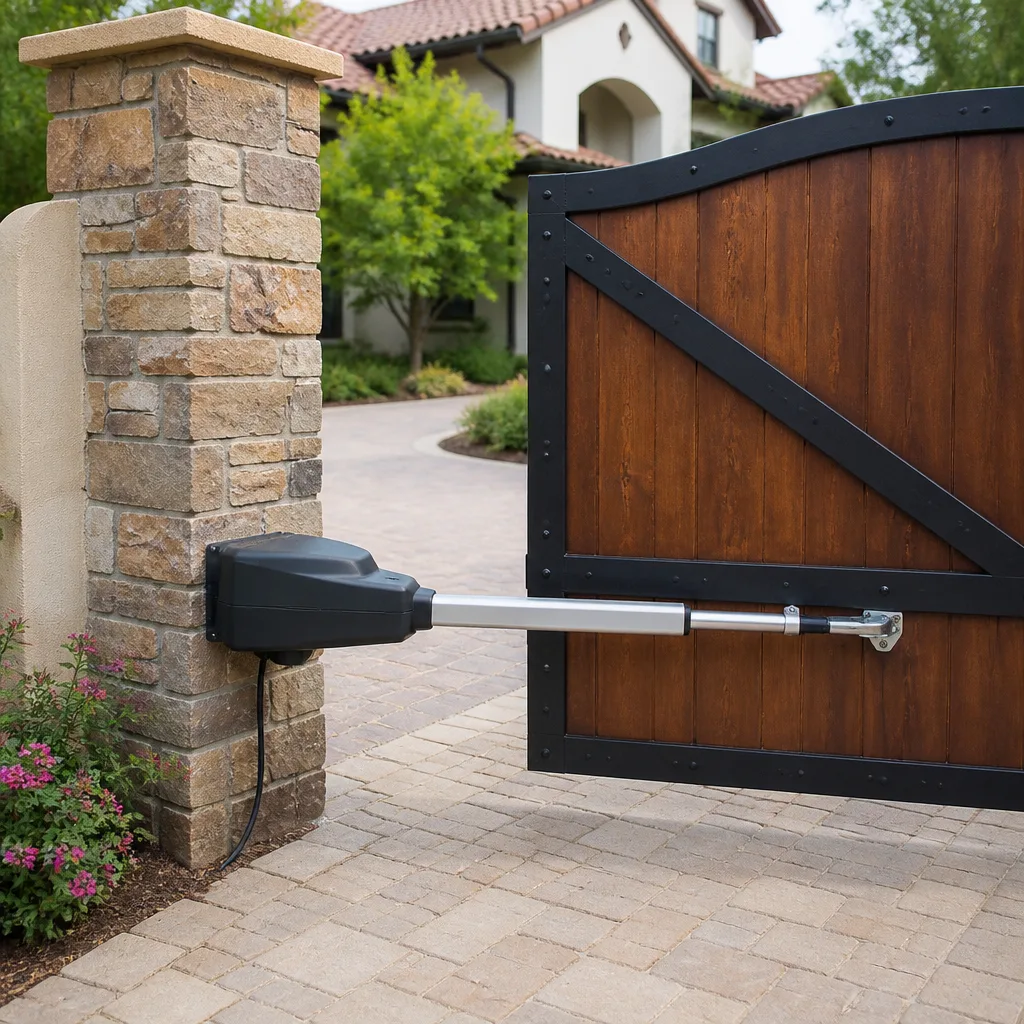 LiftMaster operators
Free on-site gate assessment - hinges, posts, and your LiftMaster or Nice gate operator checked before anything is quoted
The assessment is free and the quote is the invoice.
Get your free estimateThe Complete Gate Repair Guide for Enterprise Homeowners
The number one reason gates fail early in Enterprise isn’t rust or cheap hardware. It’s the ground. Our caliche-and-clay mix swells and shrinks with every monsoon cycle, and most installers set posts as if the soil were going to stay put. It doesn’t. A gate that ran smooth in April can drag, bind, or slam by August with every hinge and roller still in fine shape. This guide explains what’s actually going wrong, what Clark County pool code requires, which repairs are legal to skip, and what a fair price looks like in Enterprise before anyone knocks on your door.
Quick Answer
Most gate problems in Enterprise trace back to post movement in shrinking clay soil or a worn operator, not the gate frame itself. Repairs usually run $185 to $1,400 depending on the cause, and a repair-first shop can often weld and realign on site rather than sell you a new gate. Always confirm the company’s license, insurance, and written warranty before work starts, and get the price agreed in writing first.
Styles & brands we work with
- Wrought iron
- Wood & steel frame
- Farm & ranch
- Sliding driveway gates
- LiftMaster operators
Table of Contents
- Why Enterprise Soil Breaks Gates Nobody Else Explains
- Pool-Code Gates in Clark County: What’s Actually Legal
- Working vs. Safe: Why They Aren’t the Same Gate
- What Common Gate Repairs Cost in Enterprise
- Gate Operators and Motors: What Fails First
- Questions to Ask Before Anyone Touches Your Gate
- Repair or Replace? How to Decide
- The Seasonal Prevention Checklist for Enterprise
Why Enterprise Soil Breaks Gates Nobody Else Explains
Enterprise sits on a layer of caliche under a clay-heavy topsoil, which is a rough combination for anything set in the ground. Caliche is dense and slow to drain. The clay above it holds water after a storm and lets it go slowly, so a post hole can sit damp for days and then dry for weeks. Clay expands as it takes on water and contracts as it dries. Over a monsoon season that back-and-forth works on a post like a slow pry bar.
What that means in practice: the gate sags at the hinge post, not in the middle. Homeowners often call about a dragging gate and expect a hinge swap. A hinge swap alone buys a few months and then you’re back where you started. If the post has heaved or tilted even a quarter inch, the geometry of the whole gate changes. The latch stops catching. The operator arm over-travels. The bottom rail scrapes concrete.
Any honest gate repair in Enterprise starts with the base, not the hardware. Three things we check before touching a bolt:
- Plumb and levels on the hinge post, read twice, once after a wet week if we can time it.
- Whether the post concrete has a proper footing depth and drainage, or was set shallow and dry.
- Whether the post is mounted into a wall that’s moving separately from the gate frame.
If the post is the problem, we reset or sister the post before we touch a single hinge, then weld a gusset where the frame has cracked. Fixing the panel without the post means you’ll fix it twice. You can see how we handle this on our Gate Repair in Enterprise page.
Pool-Code Gates in Clark County: What’s Actually Legal
If your property has a pool, the gate at the pool enclosure is not just a gate. It’s a barrier, and Clark County treats it that way under the pool safety code. That changes what repairs are legal to perform, and it changes what a reputable shop will agree to do.
The core requirements that affect gate repair:
- Self-closing: the gate must swing closed and latch on its own from any open position.
- Self-latching: the latch must engage without a push, and the release mechanism must be out of a young child’s reach.
- Opening limits: the gate can’t open more than a set amount before the latch releases.
- No propping: a gate propped open with a brick is a code violation, not a convenience.
Here’s where we see problems: a homeowner’s gate has been sagging for months and the family got used to holding it shut. Or the latch spring has corroded through a monsoon season and the gate “mostly closes.” Or an operator was installed to pull the pool gate open automatically for the family, without a fail-safe closer that overrides the operator. Each of those is a code issue, not just a maintenance issue. Fixing it properly usually means new hinges, a self-closing spring rated for the gate weight, and a latch at the correct height, plus an adjusted operator if one is present.
We won’t sign off on a pool gate that doesn’t self-close and self-latch. If you’re being quoted a repair that keeps an operator pulling the pool gate without a compliant closer, that’s the wrong quote. The rest of our gate work lives at Gatewood Fence & Gate Enterprise home, and pool gates are a routine part of it.
Working vs. Safe: Why They Aren’t the Same Gate
A gate “working” means it opens and closes when you push it. A gate being safe is a different question, and in Enterprise the winter wind load coming off the Spring Mountains exposes the gap between the two. A gate that’s technically operable can still be one gust away from coming down on a car or a kid.
The checks we run, every time:
- Hinge anchor integrity. We pull each hinge to look for a wobbly anchor. A loosened anchor is the first sign of a failing frame-to-post connection.
- Weld inspection. Cracks in the weld at a stile joint or corner are common after wind fatigue, and they run silently until the frame folds.
- Gate weight vs. operator rating. An operator sized for a 300-pound gate driving a 500-pound gate will keep working right up to the day the gearbox strips.
- Safety edges and photo eyes. Automatic gates need both, tested monthly. A bypassed safety edge is a liability, not a shortcut.
- Fall risk if the gate comes free of a track or drops off a roller. On sliding gates, we look at the roller carrier, not just the rollers.
The one that catches most homeowners: the gate is running fine, but the operator’s safety reverse has been dead for a while and nobody’s noticed. If a car or a person sits in the path, the gate doesn’t stop. That’s the repair that matters before the gate “breaks.”
What Common Gate Repairs Cost in Enterprise
These are the ranges we see in Enterprise for the most common repairs. Real numbers will vary with gate size, material, and access. What matters is that you have a ballpark before the truck pulls up, so you can tell whether a quote fits the work.
| Repair | Typical range in Enterprise | What it covers |
|---|---|---|
| Hinge replacement | $185 – $320 | New hinges, realignment, on-site welding if needed |
| Latch or strike repair | $150 – $275 | Latch adjustment, replacement, self-closing spring on a pool gate |
| Post reset or re-foot | $450 – $900 | Pulling and resetting a heaved post with proper footing and drainage |
| On-site weld repair | $250 – $550 | Frame weld cracks, gussets, stile-to-rail rebuilds |
| Operator or motor service | $225 – $500 | Board, gearbox, limit switch, or arm repair on LiftMaster, FAAC, BFT, or Linear units |
| Full automatic gate opener replacement | $900 – $1,900 | New operator, remount, safety edges and photo eyes, commissioning |
| Full sliding gate rebuild | $1,400 – $3,200 | New track, carrier, panel repair, and operator alignment |
The price you’re quoted is the price you pay. We agree it in writing before the first tool comes out of the truck, and it doesn’t change at the door. If you got a quote from someone else and the number feels off, bring it to us for a free second opinion. That’s a standing offer, not a sales pitch.
Gate Operators and Motors: What Fails First
Automatic gate operators fail in a predictable order, and knowing that order saves money. Before replacing a whole unit, we test each link in the chain.
- Safety edges and photo eyes. Cheap to replace, first to fail underwater, and first to cause a “not working” call.
- Battery backup. On most residential units the sealed battery dies quietly around year three to five, and the gate stops working in a power cut before it stops working on a normal day.
- Limit switches. The gate stops short or overshoots, or the arm runs past the stop and binds. On LiftMaster and Linear, this is a five-minute adjustment.
- The control board. Lightning, brownouts, and simple age. Testing costs very little; guessing costs a lot.
- The gearbox and motor. Last, and only if the earlier parts check out clean.
We service LiftMaster, FAAC, BFT, and Linear as well as five other major brands, so a diagnosis doesn’t depend on which brand you happen to own. Full details on that work are on our Gate Motor & Opener in Enterprise page. The one thing we don’t do is swap a whole operator when the board or the safety edges are the only problem. If you’re being quoted a full replacement without a diagnostic test, ask why.
Questions to Ask Before Anyone Touches Your Gate
Four questions. Ask them in the first phone call, before anyone schedules a visit.
- Are you licensed and insured? Ask for the license number and look it up. Ask for the certificate of insurance and check the policy is current. A gate can drop or swing into a person. An uninsured shop is a risk you’re carrying, not them.
- What warranty do you put on the work, in writing? Not a verbal promise. A written warranty with a specific term. If the answer is “our work is guaranteed” with no paperwork, that’s not a warranty.
- Do you weld on site, or haul the gate off? On-site welding means the gate gets fitted against your driveway and your post, not someone else’s. If the gate has to leave the property, it can come back with old problems.
- Will the written estimate include the price before work starts? A good shop puts the price on a signed estimate and doesn’t touch anything until you’ve agreed. If the number is open-ended, walk away.
One more worth asking: who answers the phone if something goes wrong after the job? If the answer is a call center, that’s a tell. The best accountability is a name on the shop and a number that gets picked up.
Repair or Replace? How to Decide
Most gates are replaceable only when the frame itself is beyond safe repair. The rest of the time, repair-first is the right call, and the math usually supports it. Here’s how we think it through on a first visit.
- Frame integrity decides it. Rusted-through steel, cracked stiles at multiple joints, or a bent frame on a high-end gate: replacement might be cheaper than chasing repairs across two seasons.
- Post integrity is a separate question. A sound frame on a failing post gets a post fix, not a new gate. This is the single biggest source of unnecessary replacement in Enterprise.
- Operator age and parts availability. A 15-year-old operator with no replacement parts in circulation is often cheaper to replace than to keep patching. A working 6-year-old LiftMaster isn’t.
- Pool gate compliance. If the current gate can’t be brought into code within a reasonable repair budget, that’s a reason to replace, not patch.
We won’t sell you an installation to fix a hinge problem. See how we think about new work on our Gate Installation in Enterprise page. If your gate can be repaired, we’ll tell you. If it can’t, we’ll show you why.
The Seasonal Prevention Checklist for Enterprise
Gates in Enterprise live through a specific weather pattern. Dry spring, windy late spring, intense monsoon storms in July and August, then a long dry fall. Each season asks something different of your gate. This checklist maps to that cycle.
- Before monsoon season (May-June): check the footing drainage around the hinge post. Clear any landscape rock or hardscape that channels water directly against the post.
- After the first big storm (July): walk the gate. Look for a fresh crack at the weld, a hinge that suddenly has slack, or a gate that’s started rubbing the ground on one side.
- Before the wind season (late spring): confirm hinges and anchors are tight, and on automatic gates, test the safety edge and photo eyes with a physical obstruction.
- Monthly, all year: test the operator reverse on an automatic gate, and test that a pool gate self-closes and self-latches from any open position.
- Every fall: wipe down hinges and latch mechanisms and re-lubricate. In Enterprise’s dust, dry pivots wear out faster than anything else on the gate.
Caught early, most of these are free or small. Caught late, they’re a post reset or a new operator. And if the gate is on a slope or the panel is heavy, don’t try to lift or prop the gate yourself. A steel gate under load can drop fast and it takes more than one person to control.
Common Mistakes to Avoid
- Adjusting the hinges when the post is the problem. A sagging gate looks like a hinge issue and usually isn’t. Hinge adjustments on a moving post buy months, not years.
- Ignoring the first monsoon shift. The gate was fine in April and binds in August. The moment it starts catching, get it looked at, because six months of drift is a much bigger repair.
- Signing an open-ended estimate. A quote with “plus parts and labor” buried in the fine print is how a $300 repair becomes $800. Get the number in writing.
- Letting a contractor work without seeing the license and insurance first. Particularly in rural Enterprise properties, an uninsured worker is your liability the second they hop a fence.
- Treating a pool gate like a regular gate. Clark County code treats it as a safety barrier. A repair that keeps the gate operable but not self-closing is a code problem in your name.
- Replacing the operator when the safety edges were bad. A full operator swap is a $900-plus answer to a $150 problem. Ask for a diagnostic test, not a quote.
- Skipping the weld inspection in dry season. Weld fatigue is invisible until it isn’t. A 10-minute inspection on a windy day is the cheapest insurance on the gate.
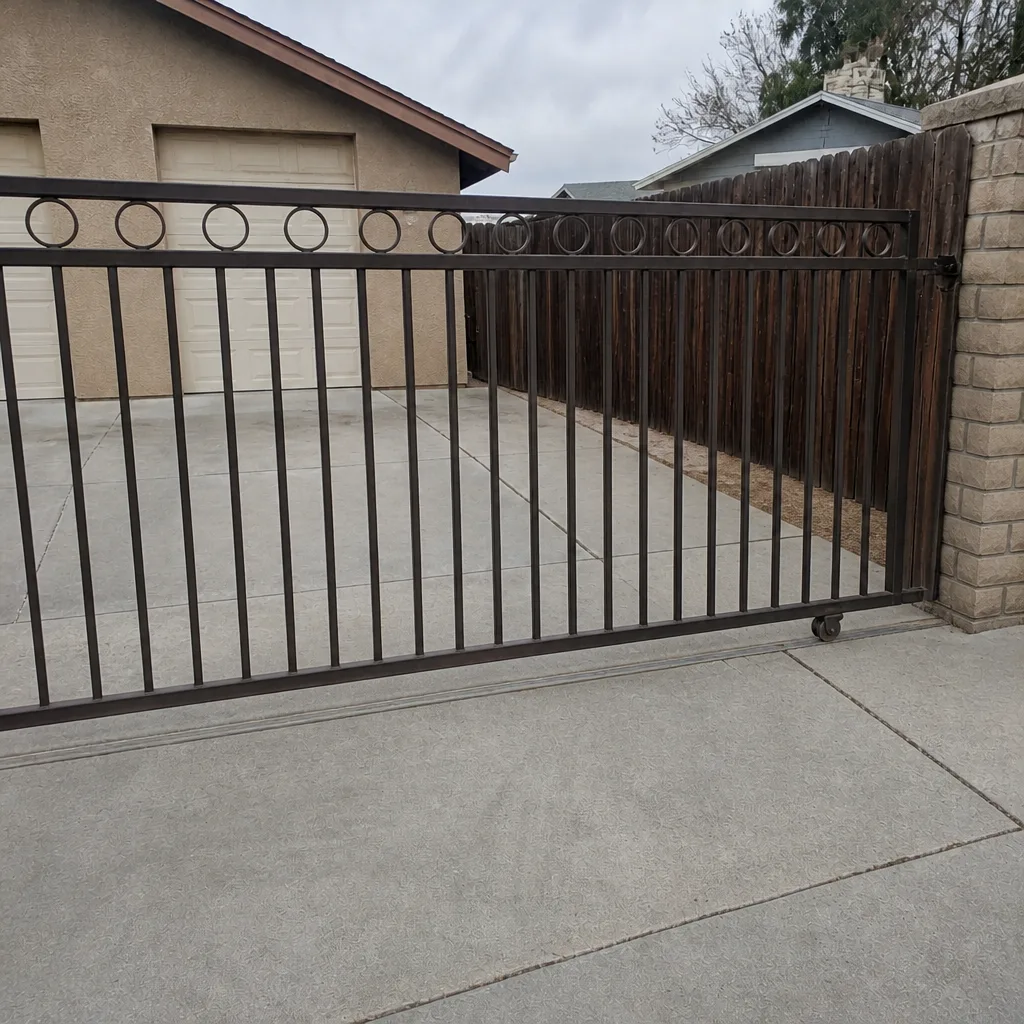
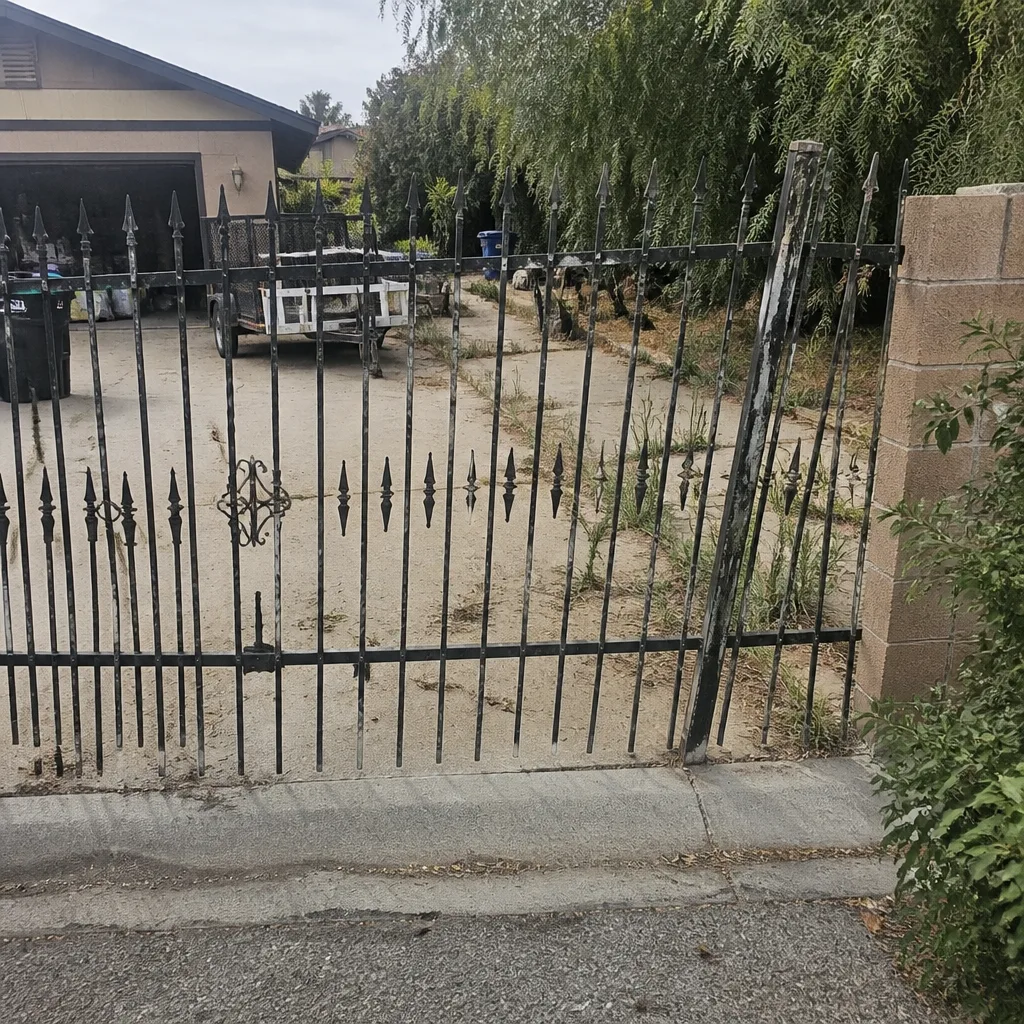
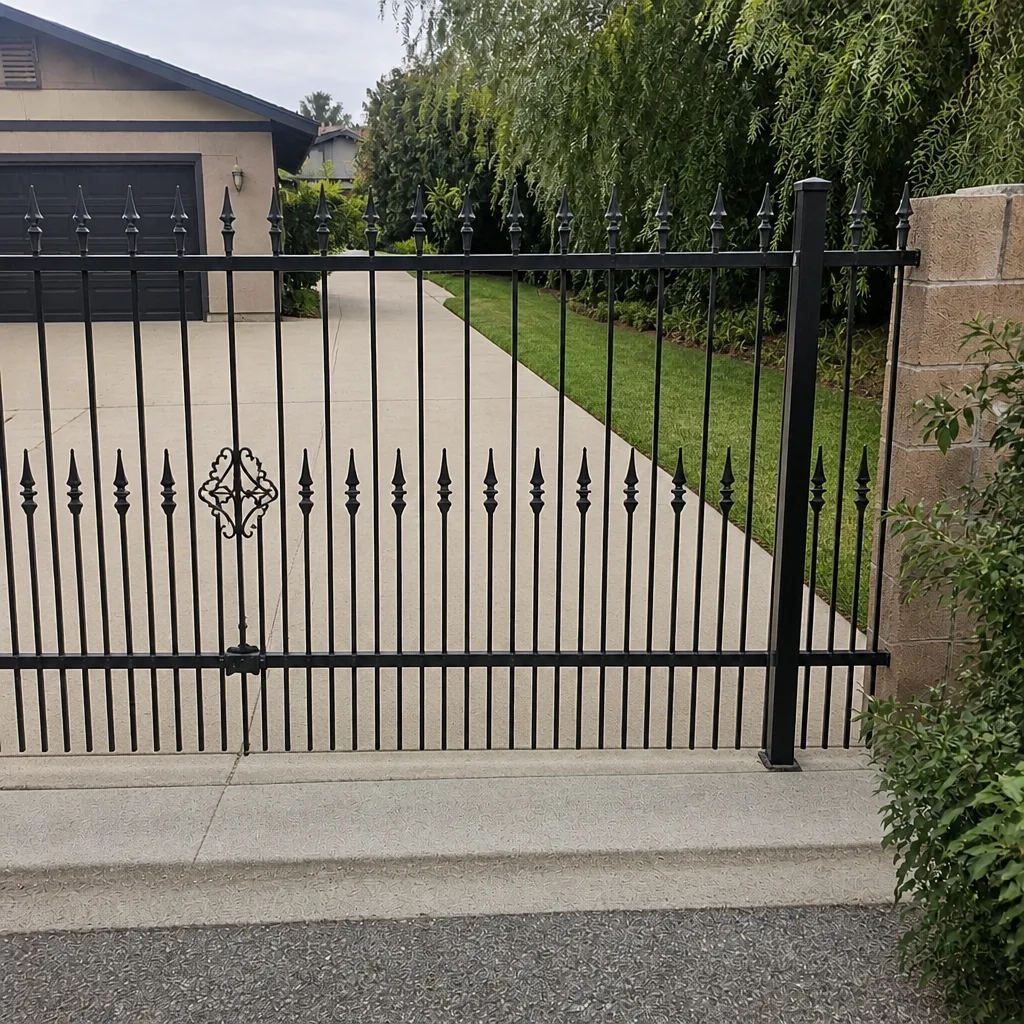
See the difference
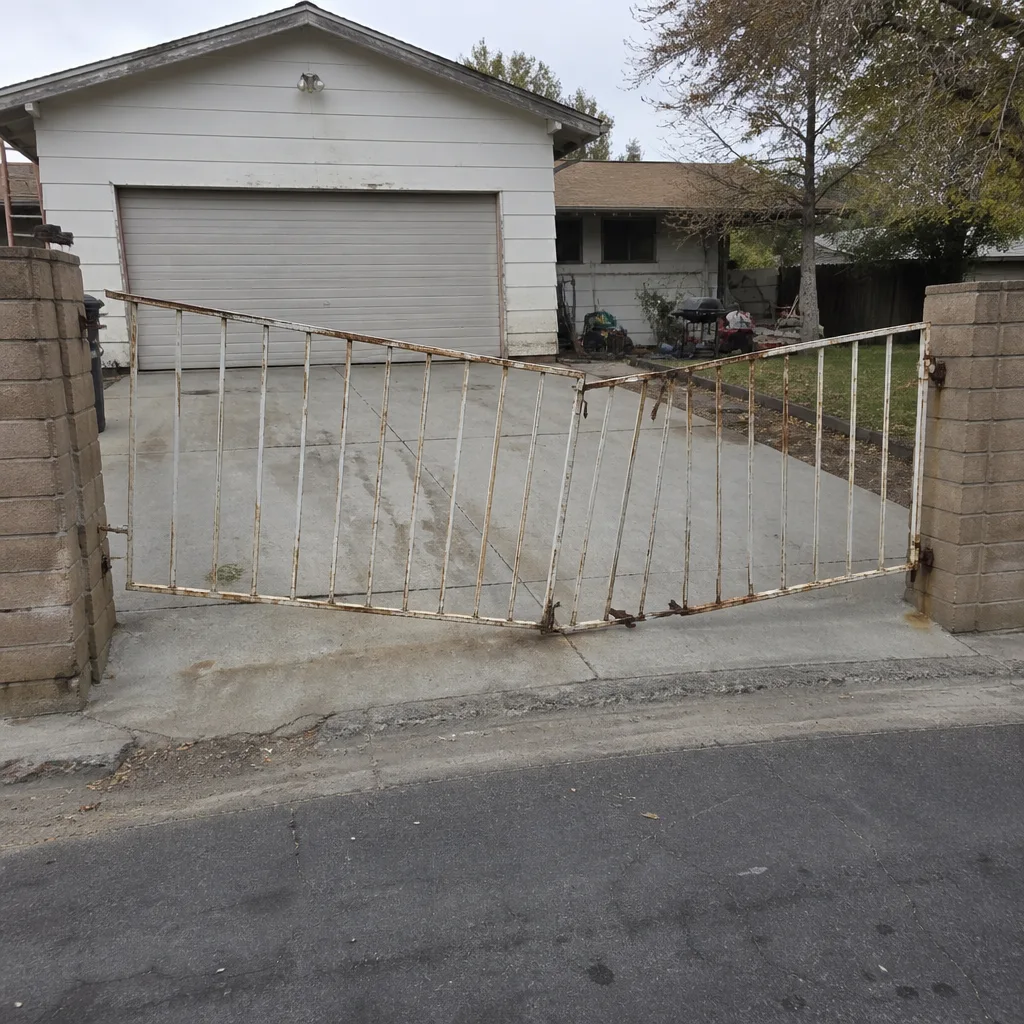 Before
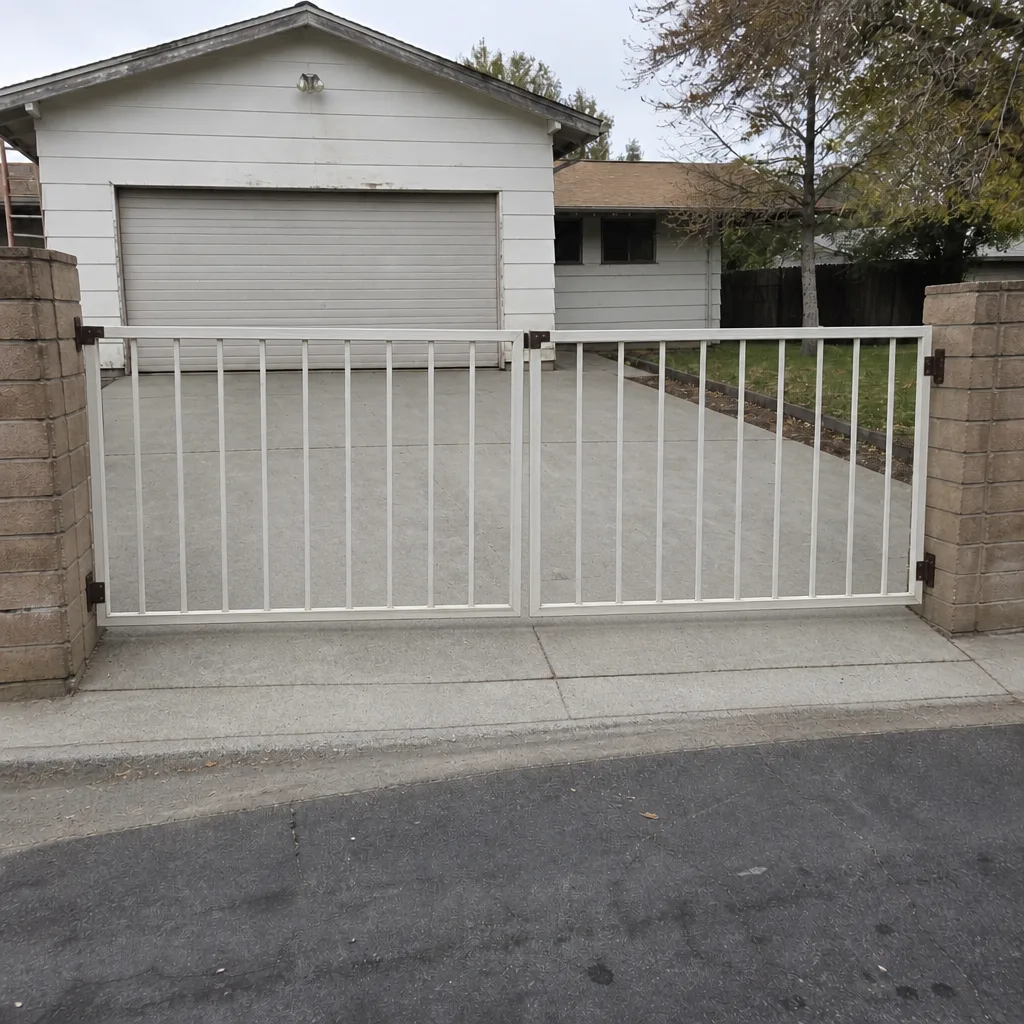 After
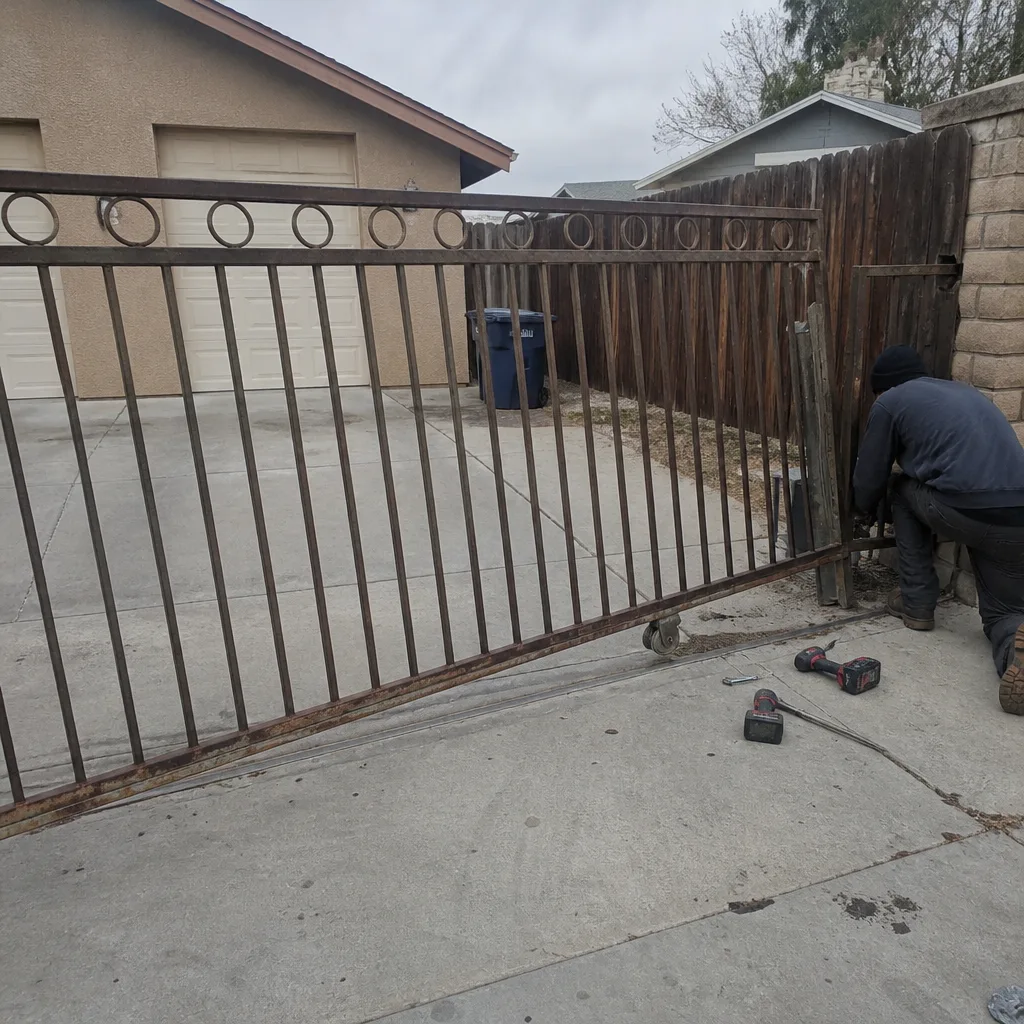 Before
 After
 Before
 After
When to Call a Professional
Call for help if the gate has started moving in a way it didn’t used to, if a pool gate won’t self-close or self-latch from any open position, if the operator has stopped reversing on obstruction, or if a weld or hinge anchor is showing a crack. Also call if the gate’s post is heaved or tilted, because that’s a footing repair, not a hinge swap, and no amount of hinge adjustment will fix it. Anything involving a loaded steel panel, a lifting arm under spring tension, or a post that’s coming up should stay in trained hands. Gatewood Fence & Gate Enterprise offers free estimates in Enterprise. The price is agreed in writing before any work starts, and every job carries the 90-Day Done Right Promise in writing. Call (833) 780-1547.
Frequently Asked Questions
Most gate repairs in Enterprise run $185 to $550 for hinge, latch, weld, and operator issues, and $450 to $1,400 for heavier work like post resets or operator replacement. Pool gate compliance work usually falls in the $200 to $400 range for a self-closing latch and hinge rebuild. Call (833) 780-1547 for an exact quote. Estimates are free.
Often yes. For repairs, we schedule same-day and 24-7 emergency work in Enterprise and the surrounding area, and a live person answers the phone around the clock, not a voicemail. New installation work is measured and scheduled, so call ahead for that. The number is (833) 780-1547.
A full gate installation includes site measurement, footing and post work sized for Enterprise’s clay-and-caliche soil, gate fabrication or fitting, operator mounting if you’re automating, safety edges and photo eyes, and a full commissioning test. The estimate is written and agreed before any work starts. Call (833) 780-1547 to schedule a free measure.
Yes. On automatic gates we handle the power run, the safety edges, and the photo eyes, and we test the reverse function on the finished install. Both edges are part of a compliant install, not an add-on. Call (833) 780-1547 for a free estimate.
In Enterprise, a sagging gate with intact hinges usually means the hinge post has moved. The clay-heavy soil here swells and shrinks after each monsoon, and a shallow-set post will tilt enough to throw off the whole gate. Fixing the hinges without addressing the post means fixing it twice. Call (833) 780-1547.
That’s a safety failure, not a working gate. A gate that won’t reverse on obstruction can crush or trap a person or a pet, and on a pool gate it’s a code violation. Get it tested first. Call (833) 780-1547 for a free second opinion on any written estimate you’ve already received.
The Bottom Line
If you take three things from this guide: fix the base before the hardware, treat a pool gate as a code question and not just a repair, and ask for the license, insurance, and written warranty before anyone touches the gate. Most premature gate failures in Enterprise are footing problems caused by clay soil movement, not worn-out hinges. Catch the first shift after the monsoon, get the price in writing, and you’ll avoid the bigger repair. When something needs a trained hand or a called-in second opinion, call. Free estimates are standing, the 90-Day Done Right Promise is in writing on every job, and a live person answers the phone 24/7. Reach Gatewood Fence & Gate Enterprise at (833) 780-1547.
Written by the team at Gatewood Fence & Gate Enterprise.