
Last updated November 18, 2026
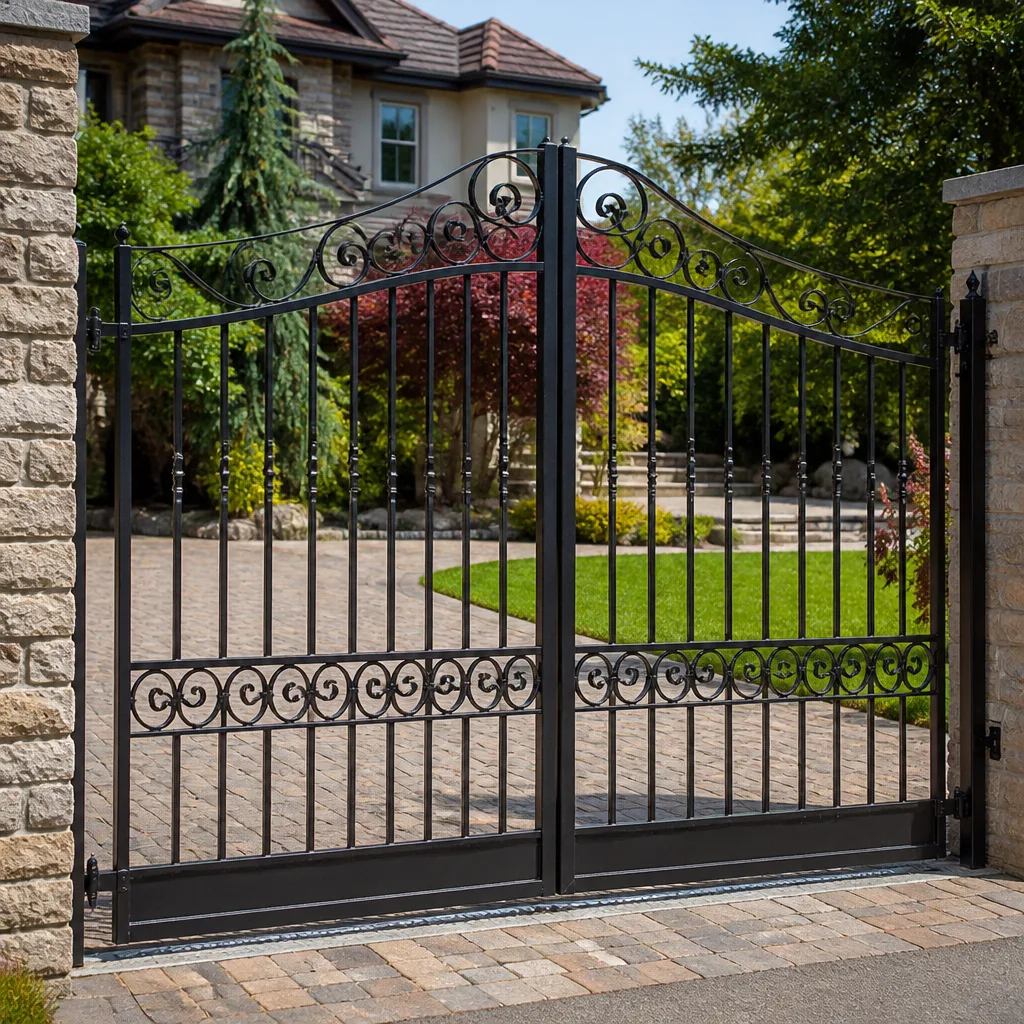 Wrought iron
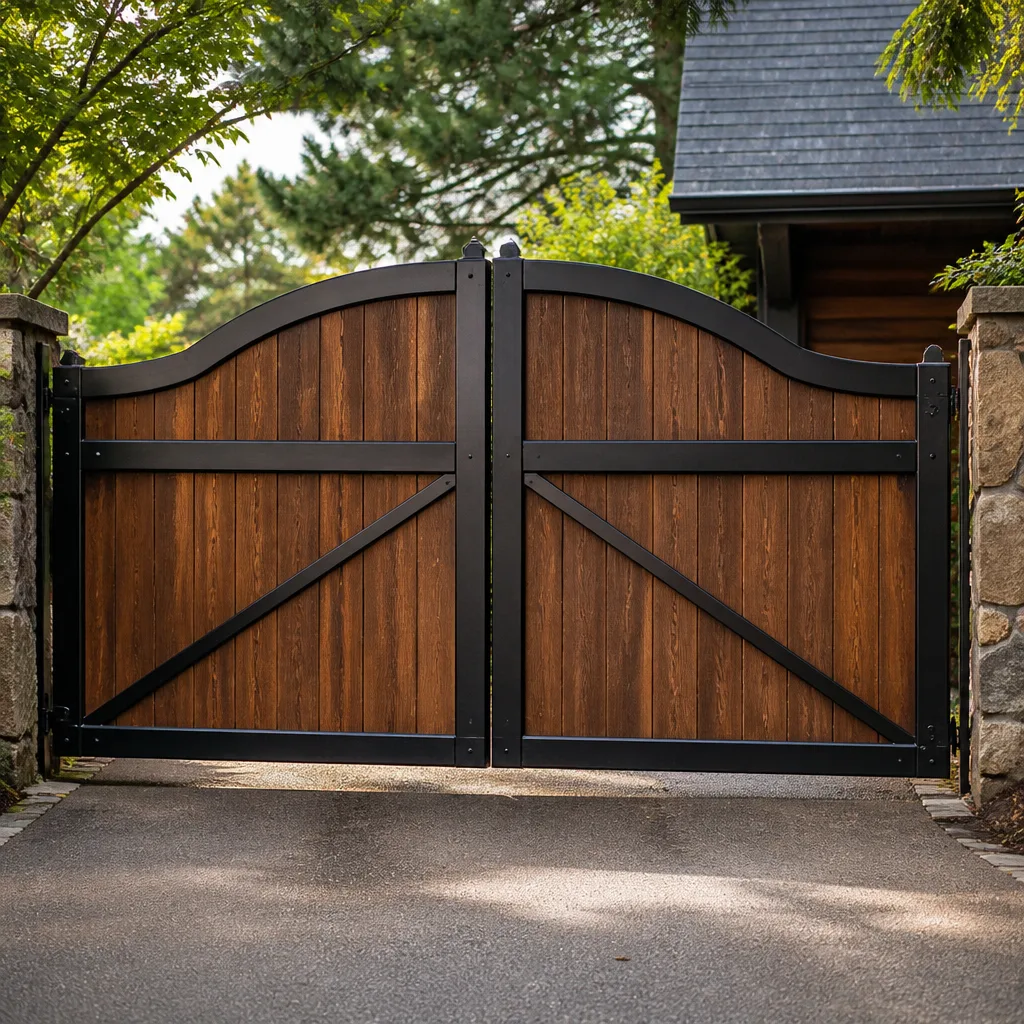 Wood & steel frame
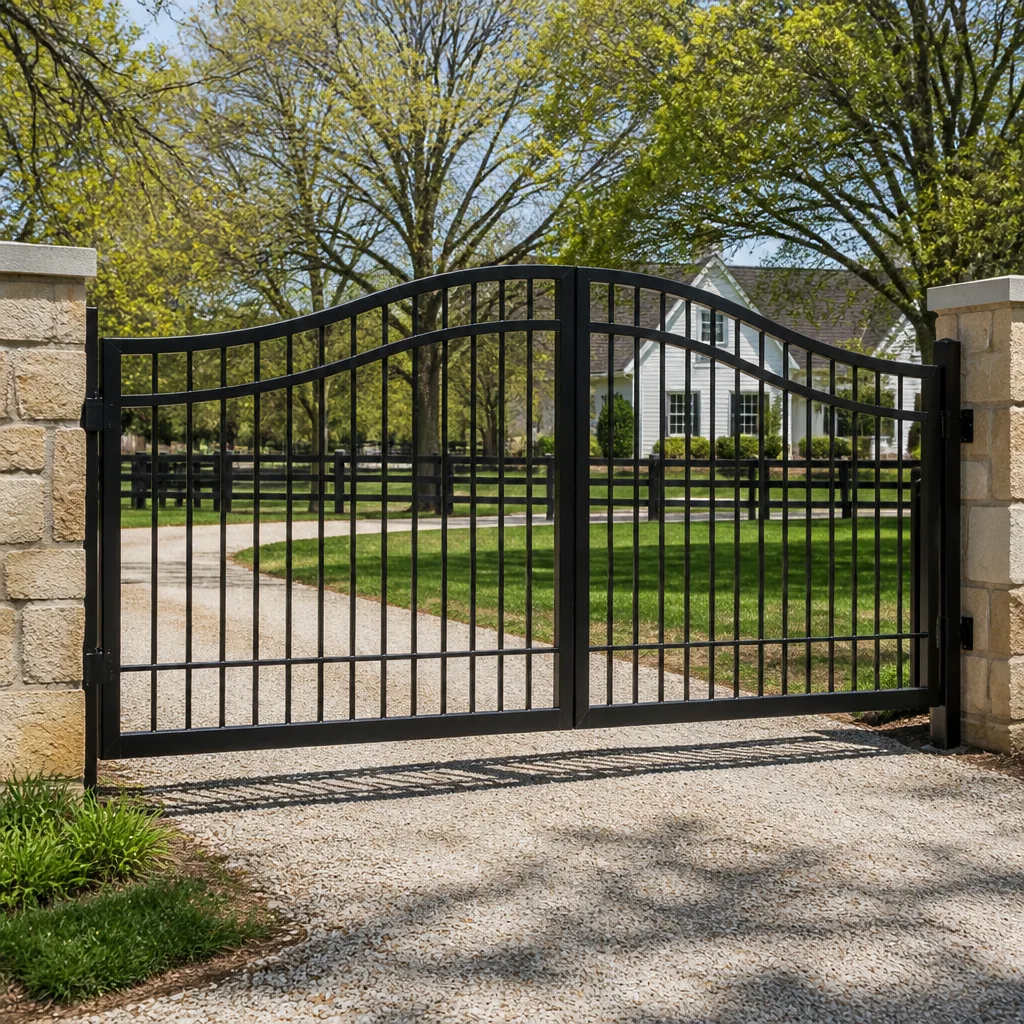 Farm & ranch
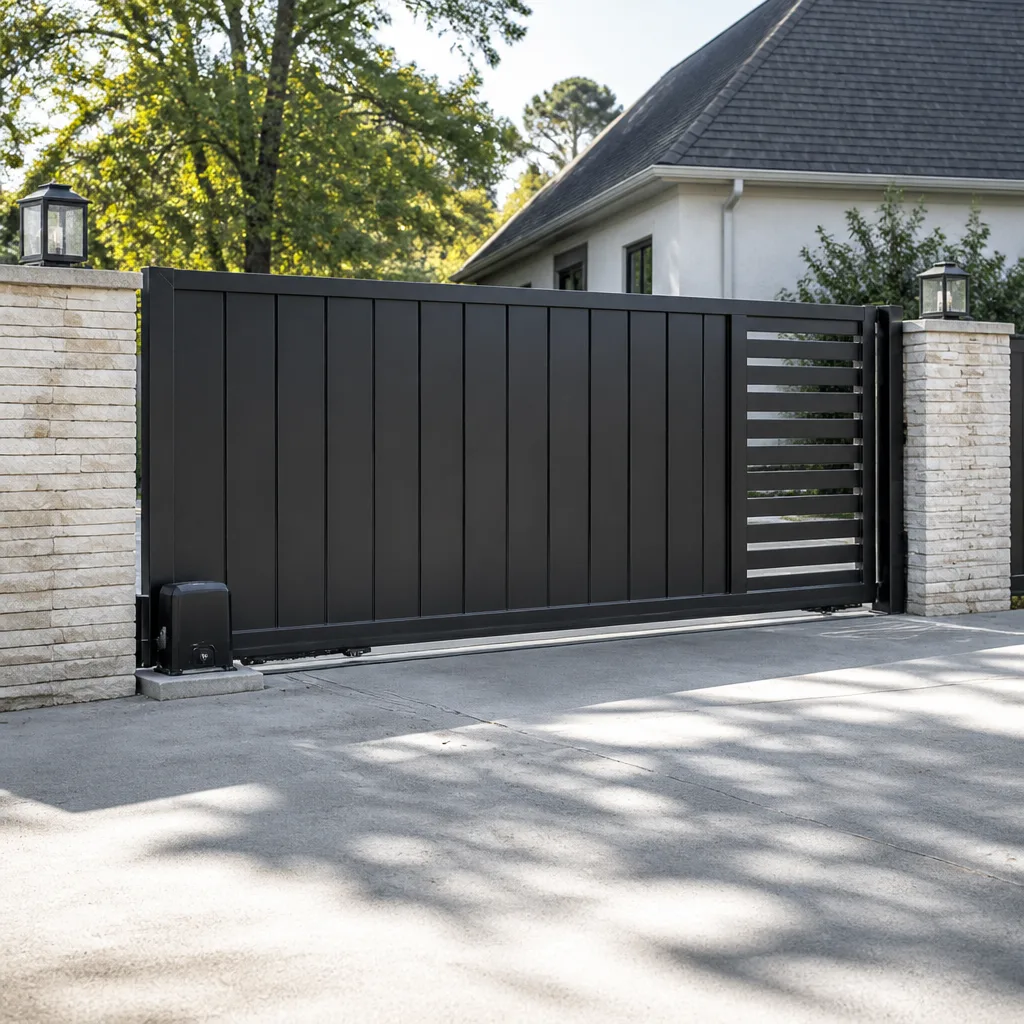 Sliding driveway gates
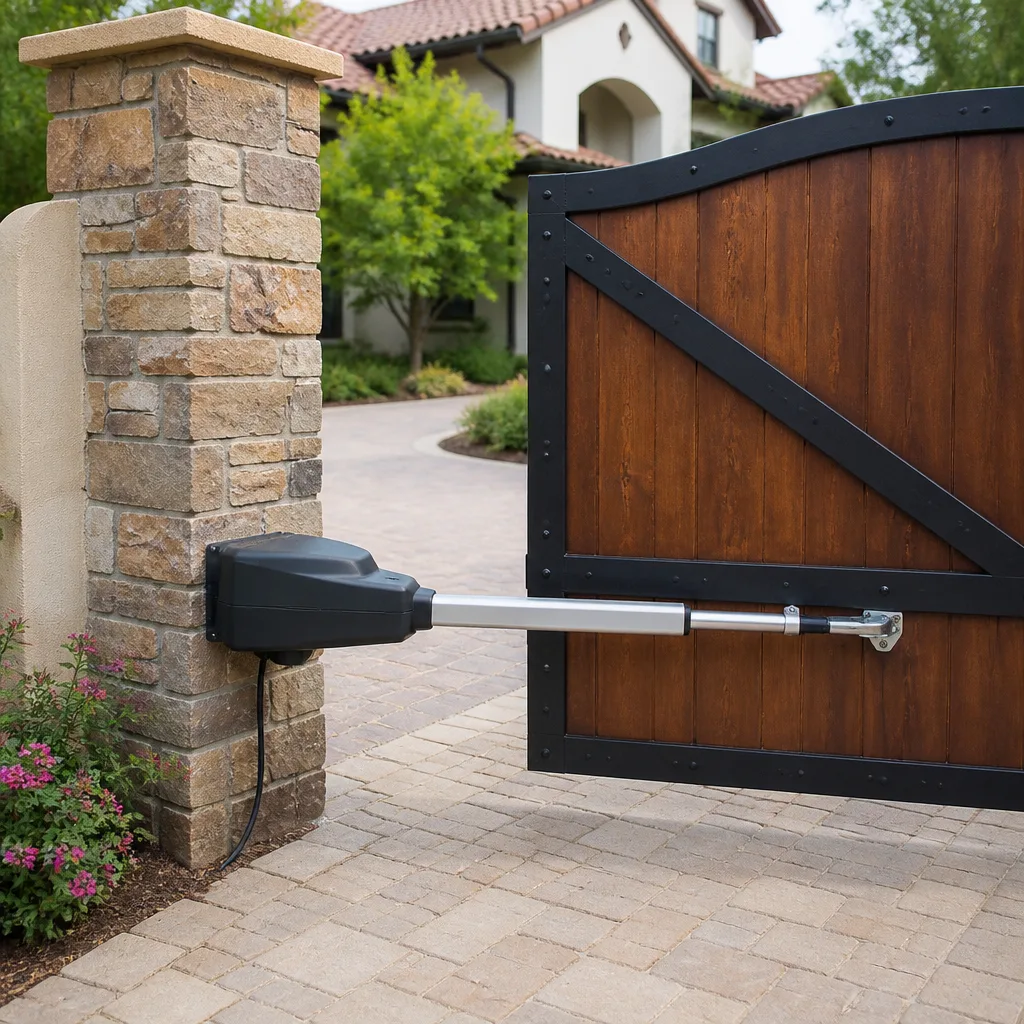 LiftMaster operators
Free on-site gate assessment - hinges, posts, and your LiftMaster or Nice gate operator checked before anything is quoted
The assessment is free and the quote is the invoice.
Get your free estimateDIY vs Professional Gate Repair: What’s Safe to Do Yourself
We’re not going to tell you to call a professional to tighten a hinge bolt. That would be condescending, and you’d rightly ignore it. But here’s something worth knowing: in the last two years, we’ve been called out to three separate homes in Enterprise where a homeowner had wired their own automatic gate operator and, in the process, created a live shock hazard they didn’t know existed. None of them felt like they were doing something dangerous at the time. That gap between “feels fine” and “is actually safe” is what this guide is about, and it’s why the real question isn’t whether you’re handy enough to fix your own gate. It’s whether you understand the consequence of getting it wrong before you start.
Quick Answer
Tightening hinge bolts, adjusting a latch, lubricating moving parts, and shimming a gate that’s off by a fraction of an inch are all genuinely safe for a careful homeowner. Anything involving operator wiring, re-setting a post, or welding a cracked frame is not, because the failure modes are severe: shock, a gate that drops under load, or a repair that fails a Clark County inspection and forces a full replacement. Know which category your repair falls into before you pick up a tool.
Styles & brands we work with
- Wrought iron
- Wood & steel frame
- Farm & ranch
- Sliding driveway gates
- LiftMaster operators
Table of Contents
- Why This Is About Consequence, Not Skill
- Four Repairs You Can Safely Do Yourself
- Three Repairs That Look Simple but Aren’t
- Clark County Code, Pool Gates, and HOA Rules
- How to Judge Whether a YouTube Repair Video Applies to Your Gate
- What We Actually Tell You on the Phone
- Common Mistakes to Avoid
- When to Call a Professional
- Frequently Asked Questions
Why This Is About Consequence, Not Skill
Most gate repair advice online treats the DIY-or-professional question as a test of your confidence and your toolbox. That misses the point. A misjudged hinge adjustment wastes an afternoon and maybe a stripped bolt. A misjudged post repair can send a heavy gate swinging off a rotted footer and onto a car, a kid, or you. Those two outcomes live on completely different scales, and the scale is what should decide whether you tackle the job or hand it off.
Here in Enterprise, this matters for a specific reason. Our soil is desert-hard in the dry months and shifts when monsoon moisture works into it, which means post footers here take a different beating than they would in a wetter climate. A gate that was rock solid in April can develop a lean by August. When a homeowner re-sets that post by eye, without knowing the footer depth or what the soil is doing, the fix often holds for a season and then fails suddenly with a gate that’s heavier than it looks. We’ve seen it more than once on the older properties along the residential edges of Enterprise where the original installs predate current code.
The point isn’t to scare you off every repair. It’s to sort your gate problems into two piles: the ones where a mistake is an annoyance, and the ones where a mistake can hurt someone or void your homeowner’s policy. Everything below sorts them for you. And if you’d rather just understand the full scope of what we handle, the Gatewood Fence & Gate Enterprise home page lays it out plainly.
Four Repairs You Can Safely Do Yourself
These are the jobs we regularly tell people to handle on their own over the phone. They’re low-risk, they don’t touch line voltage, and they don’t require knowing anything about footer depth or weld integrity. If your gate problem is on this list, save the service call.
- Hinge bolt tightening. A gate rarely sags from the middle. It sags at the hinge post, and a loose bolt there is the most common culprit. With the gate closed and supported, snug the bolts on the hinge side. Don’t over-torque to the point of crushing the metal or stripping threads. If the bolt spins freely in a wallowed-out hole, stop. That’s a sign the metal has fatigued and it’s no longer a tighten-up job.
- Latch adjustment. A latch that catches, sticks, or refuses to fully seat is usually a matter of a few millimeters of alignment. Loosen the strike plate, shift it slightly, retighten, and test. This is a fifteen-minute job and it fixes the majority of “my gate won’t latch” calls.
- Lubrication. Dust and dry heat are hard on gate hardware in Enterprise. A dry lubricant on hinges, latches, and the track or roller assembly (depending on your gate style) quiets squeals and prevents seizing. Avoid heavy grease that traps grit. Once or twice a year is plenty for most residential gates.
- Minor alignment shims. If a gate drags on the ground by a hair and the hinges are tight, a thin shim behind a hinge plate can lift it just enough. Keep it small. A gate that needs a half-inch of shimming has a structural problem underneath, not an alignment problem.
Notice what these have in common: you can do them with the gate closed and supported, none involve the operator, and if you stop halfway, nothing catastrophic happens. That’s the test to apply to any repair you’re considering.
Three Repairs That Look Simple but Aren’t
These are the ones that catch people. Each looks like a straightforward weekend project, and each has a failure mode that isn’t obvious until it’s too late.
Gate operator wiring
This is the big one, and it’s where we’ve seen the most dangerous DIY work. Automatic gate operators from brands like Ghost Controls, DoorKing, and Elite involve line voltage at the control box. If you wire a residential operator without a proper disconnect, correct grounding, and an understanding of your local electrical code, you can create a shock hazard that sits there quietly until someone touches the wrong thing. It works fine for months. That’s what makes it scary. We handle operator service and wiring as part of our Gate Motor & Opener in Enterprise work, and this is not a repair to learn by trial and error.
Re-setting a post
Everyone thinks they know how to set a post. Dig a hole, drop it in, pour concrete. But a gate post carries continuous lateral load from a gate that swings, and the footer depth that holds in wet clay is not the footer depth that holds in our desert soil. Re-set a post too shallow and the gate leans again within a season, sometimes pulling the whole hinge assembly out of line. Knowing the footer depth and soil conditions for your specific property is the whole job, and it’s not something a video can tell you.
Welding repairs
A cracked weld on a gate frame is a structural failure waiting to happen. An improper weld on a load-bearing joint can look fine, hold for a while, and then fail suddenly under the weight of the gate swinging. This is exactly the kind of repair where we weld on site in your driveway rather than hauling the gate off, because it lets us keep the gate in its loaded position and fix it where the stress actually is. Trying this yourself without the right equipment and technique is a genuine injury risk, and a failed weld on a heavy gate can do real damage.
Clark County Code, Pool Gates, and HOA Rules
Here’s the part almost no DIY guide mentions: some gate repairs carry a documentation requirement. In Clark County, pool barriers have specific code requirements around self-closing and self-latching hardware, latch height, and gate gap tolerances. Those rules exist because a pool gate that fails is a drowning hazard. If you “fix” a pool gate yourself in a way that doesn’t meet the current standard, you haven’t fixed it. You’ve created a liability.
The same applies in HOA communities across Enterprise, where exterior gate changes often need to match an approved style and sometimes require documented compliance. A DIY repair that fails an inspection can trigger the worst possible outcome: a requirement to replace the whole gate rather than repair it. We’ve seen homeowners try to save a $200 repair and end up with a full replacement bill because the fix didn’t pass. When a gate sits anywhere near a pool or a shared property line, it’s worth a quick conversation before you touch it.
For a broader walkthrough of the repairs that fall outside this guide, our page on Gate Repair in Enterprise covers the full scope of what we fix and how we approach it.
How to Judge Whether a YouTube Repair Video Applies to Your Gate
YouTube is genuinely useful for gate repair. It’s also full of videos that will send you down the wrong path because they were filmed on a different gate, in a different climate, with different hardware. Before you follow any of them, run through this checklist:
- Does it match your gate type? A sliding gate repair is not a swing gate repair. A wood gate is not a metal gate. A video for a chain-driven operator doesn’t apply to a swing arm. Match the exact style and material before you start.
- Does it match your post material? A technique that works on a steel post may damage a wood or vinyl post. Know what your gate is made of.
- Does it account for your soil and climate? This is the one people skip. A post-setting video filmed in wet, loamy soil doesn’t apply to Enterprise’s desert ground. The footer specs and settling behavior are different.
- Does it touch line voltage? If the video involves opening the operator’s control box, wiring, or anything near the electrical supply, stop and call a trained professional. No video makes that safe to learn on your own gate.
- Does it skip the post? A video that fixes a sagging gate by adjusting the panel without addressing the hinge post is a fix that fails. The gate sags at the post, so that’s where the repair has to start.
If a video passes all five, it’s probably a safe watch for a low-risk repair. If it fails any of them, the most useful thing the video can do is tell you to call someone.
What We Actually Tell You on the Phone
When you call us and describe your gate problem, you’ll get a live person, not a voicemail or a bot. And you’ll get a straight answer, which sometimes means “you don’t need us.” Here’s how that conversation usually goes.
If you describe a gate that won’t latch, a hinge that’s loose, or a squeal you can’t place, we’ll almost always tell you to try the safe repairs above first. Call us back if it doesn’t hold. If you describe a gate that’s leaning, a post that’s shifting, a weld that’s cracked, or anything that touches the operator, we’ll tell you to stop and let us look at it. We’d rather save you a service call than sell you one you don’t need, because the name is on the shop and the shop is down the road. That’s the oldest accountability there is.
If it does need a visit, we quote the price upfront and in writing before any work starts. No surprise invoice at the door. You’ll know the number before we pick up a tool, and if you’ve already gotten a written estimate somewhere else, we’ll give you a free second opinion on it.
Common Mistakes to Avoid
- Fixing the panel and not the post. A sagging gate looks like a panel problem, but it starts at the hinge post. Fix the panel without the post and you’ll fix it twice, once now and once when the post gives.
- Adding a stiffener where you need a weld. Bolting a plate over a cracked weld feels like a fix. It isn’t. The load still moves through the crack, and the plate just hides the failure until it lets go.
- Wiring an operator without a disconnect. We’ve seen three homes in two years with a live shock hazard from DIY operator wiring. It works fine until it doesn’t, and by then someone’s already touched it.
- Re-setting a post to the wrong depth for desert soil. The footer depth that holds in wet ground isn’t the depth that holds in Enterprise. Get it wrong and the gate leans again within a season.
- Assuming a pool gate repair is just a repair. Pool barriers in Clark County have specific code requirements. A fix that doesn’t meet the standard can fail inspection and force a full replacement.
- Following a video that doesn’t match your gate. A chain-driven sliding gate video won’t help a swing gate. Match the gate type, post material, and climate before you follow any tutorial.
- Over-lubricating with the wrong product. Heavy grease traps grit in our dusty air and speeds up wear. Use a dry lubricant and don’t overdo it.
When to Call a Professional
Call us when the repair involves the operator, the electrical supply, the post, or a weld. Call us when the gate is leaning, dragging more than a fraction of an inch, or moving in a way that feels wrong. Call us when a pool gate or an HOA gate is involved, because those carry documentation and compliance concerns. And call us when you’ve tried the safe repairs and the gate still isn’t right, because a problem that keeps coming back is telling you the real cause is somewhere you haven’t looked yet.
Gatewood Fence & Gate Enterprise offers free estimates in Enterprise. Every job carries our 90-Day Done Right Promise in writing, and if it’s not done right, we make it right with one call. There’s a $40 discount on any repair over $200, no trip charge inside the county, and a standing 10% discount for seniors and veterans. Our technicians have up to 25 years of experience, and we’re certified to service nine major gate brands, so the person who shows up knows your hardware. Call (833) 780-1547 for a free estimate.
Frequently Asked Questions
Yes. Snugging loose hinge bolts with the gate closed and supported is one of the safest repairs you can do, as long as you don’t over-torque and you stop if a bolt spins freely in a wallowed-out hole, since that points to fatigued metal rather than a loose bolt. If the hinge is loose because the post behind it is moving, tightening won’t hold. Call (833) 780-1547 for an exact quote, and the estimate is free.
No. Gate operators involve line voltage at the control box, and improper wiring without a disconnect and correct grounding can create a shock hazard that sits quietly until someone touches the wrong thing. This is the single most dangerous DIY gate repair we see, and it’s the one we most strongly recommend leaving to a professional. Call (833) 780-1547 and we’ll take a look.
It depends on the repair, but we price it upfront and in writing before any work starts, so you know the number before we pick up a tool. There’s a $40 discount on any repair over $200, no trip charge inside the county, and a standing 10% discount for seniors and veterans. You’ll also get a free second opinion on any written estimate from another company. Call (833) 780-1547 for an exact quote.
Post re-setting is a scheduled job, not a same-day fix, because it requires assessing footer depth and soil conditions for your specific property before we dig. We’ll measure it, give you a written price, and schedule the work. Rushing a post repair is exactly how gates end up leaning again within a season. Call (833) 780-1547 to get it measured and priced.
We weld on site, in your driveway. That keeps the gate in its loaded position so we can fix the stress where it actually is, rather than removing the gate and working on it out of context. It also means your gate never leaves your property. Call (833) 780-1547 to schedule a welding repair and get a free estimate.
Not necessarily. Pool barriers in Clark County have specific code requirements around self-closing and self-latching hardware, latch height, and gate gap tolerances, and a DIY fix that doesn’t meet the current standard can fail inspection and force a full replacement. When a gate is part of a pool barrier, it’s worth having the work documented properly. Call (833) 780-1547 before you touch it, and the estimate is free.
The Bottom Line
Sort your gate repair by consequence, not by confidence. Hinge bolts, latches, lubrication, and small shims are genuinely safe to handle yourself, and we’d rather you save the service call. Operator wiring, post re-setting, and welding are not, because the failure modes are severe and often invisible until they’re dangerous. Add Clark County code and HOA compliance on top for pool gates and shared gates, and you have a clear line between what you can do and what needs a trained hand. When you’re not sure which side of that line you’re on, call. For the bigger picture, including new builds and upgrades, see our Gate Installation in Enterprise page. Call (833) 780-1547 for a free estimate, and a live person will answer, anytime.
Written by the team at Gatewood Fence & Gate Enterprise.
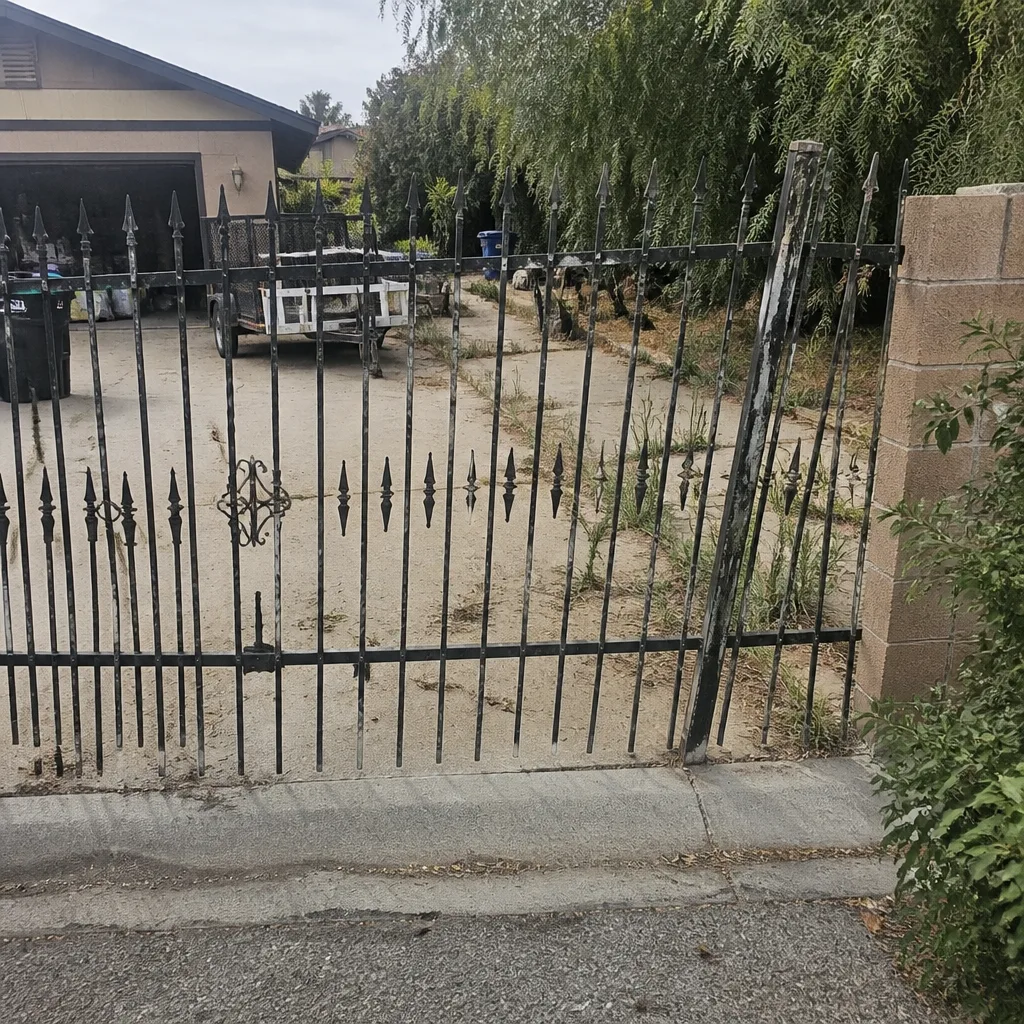
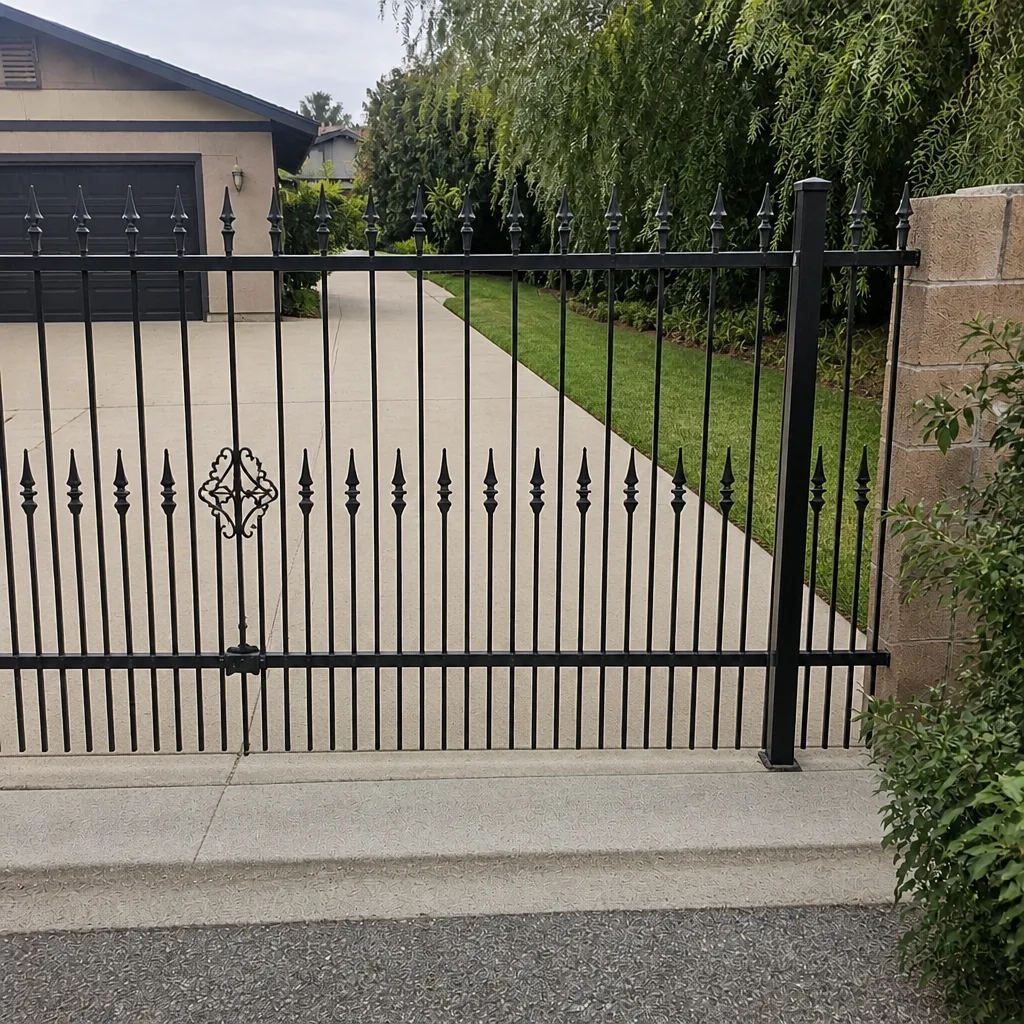
See the difference
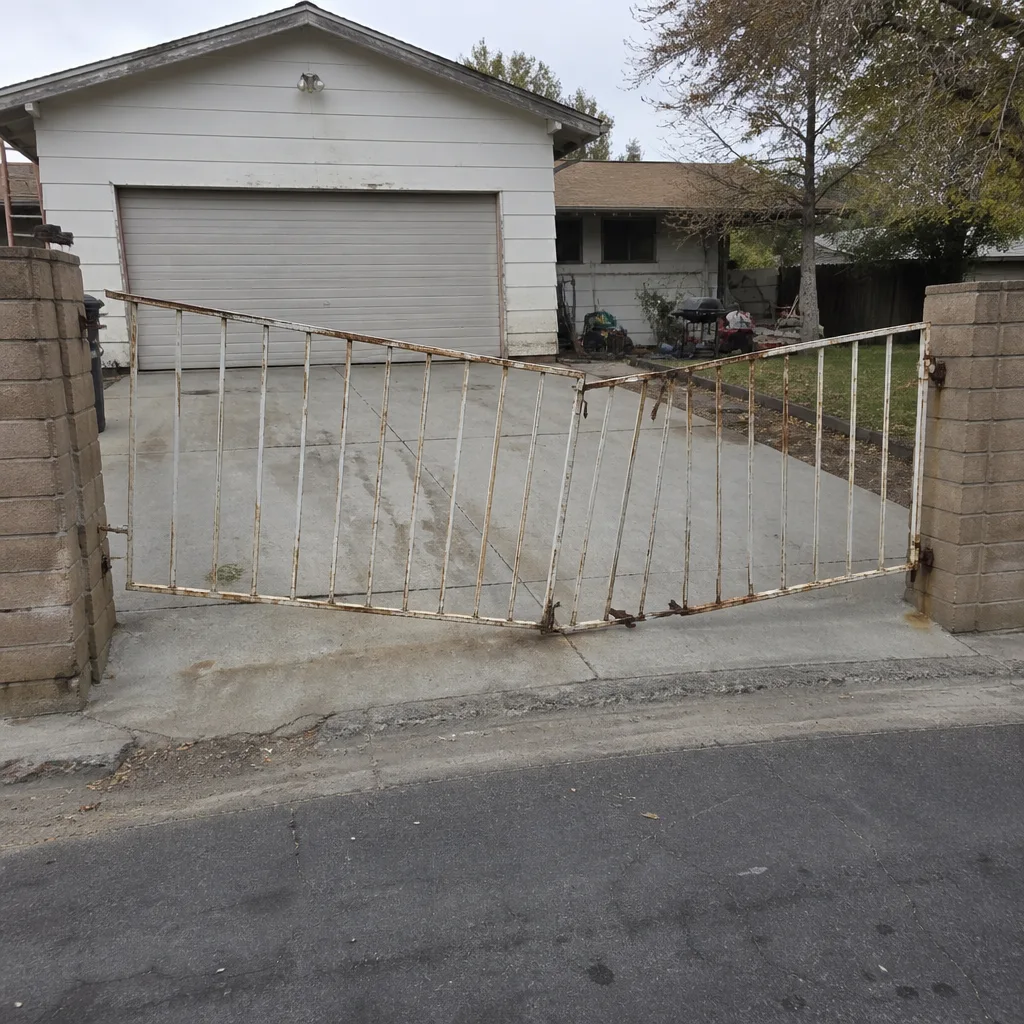 Before
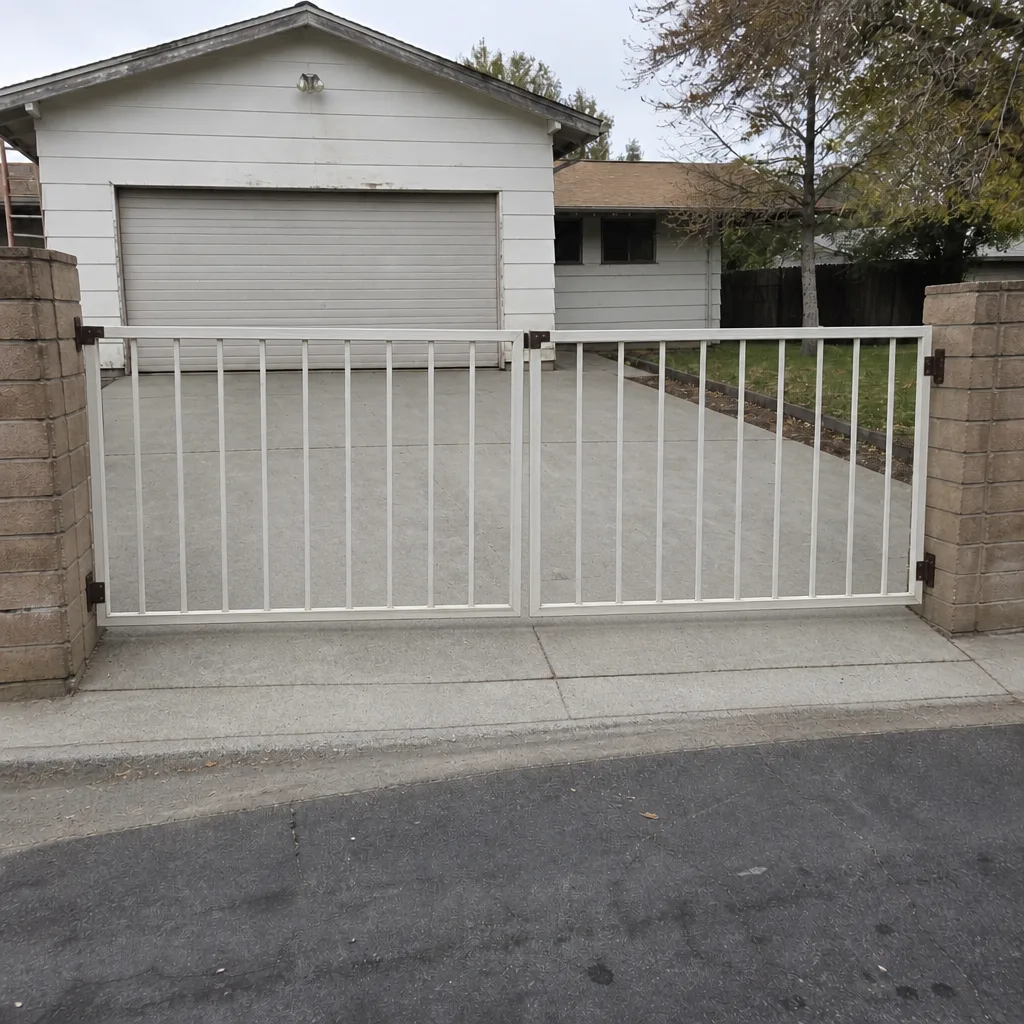 After
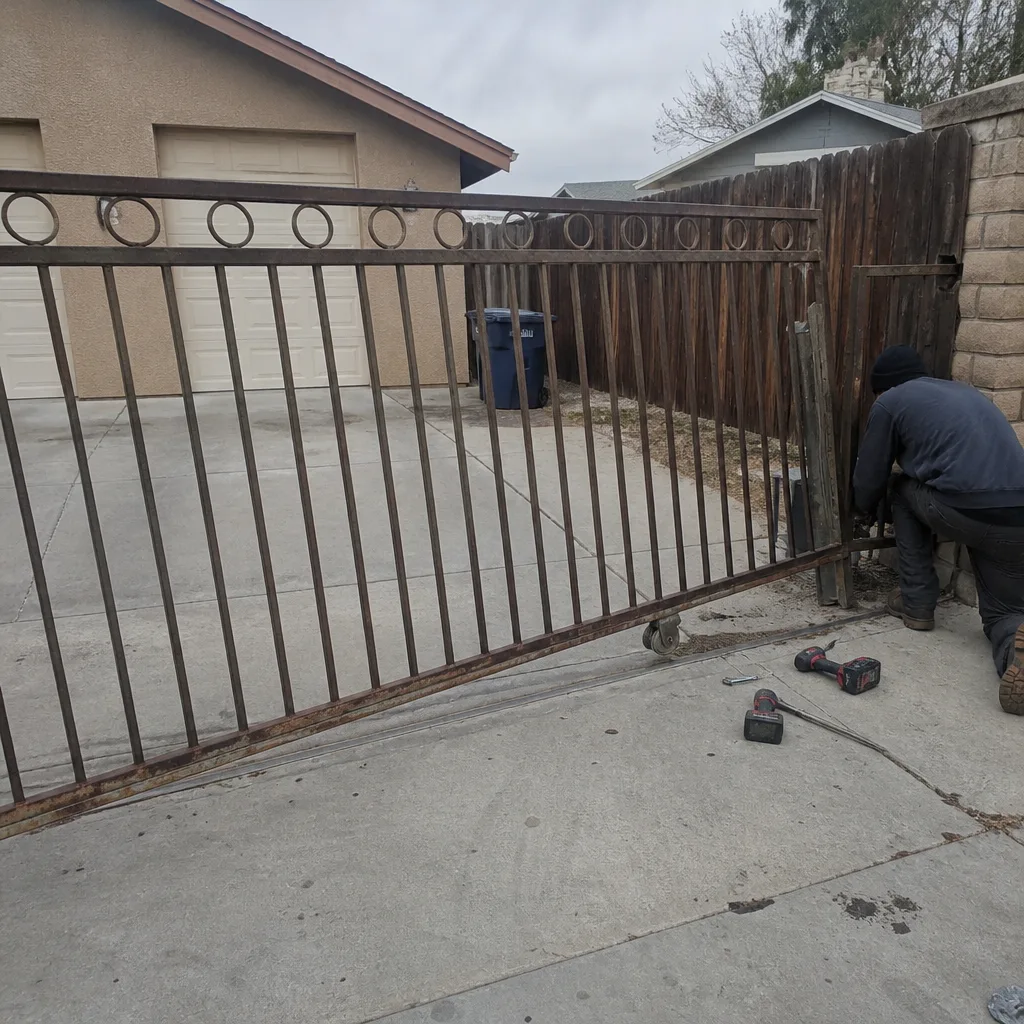 Before
 After
 Before
 After