
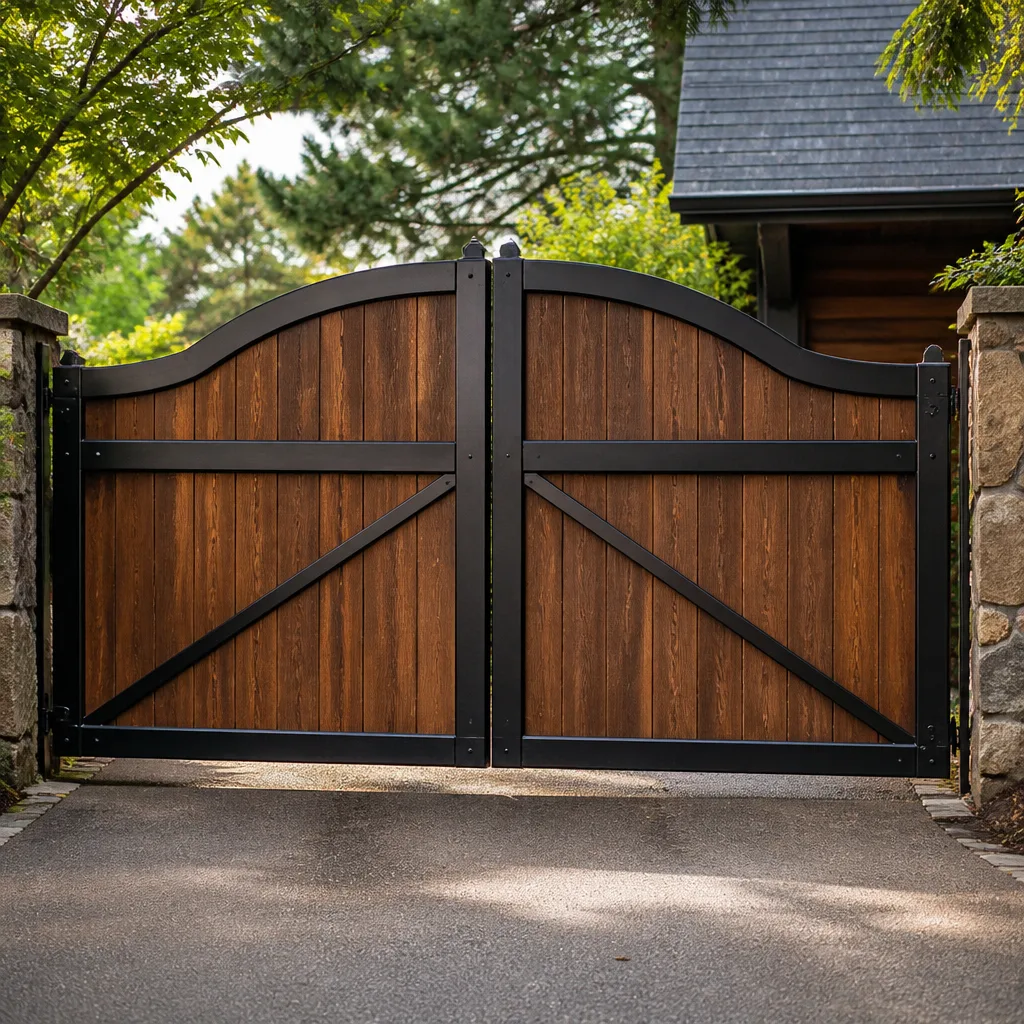
 Wood & steel frame
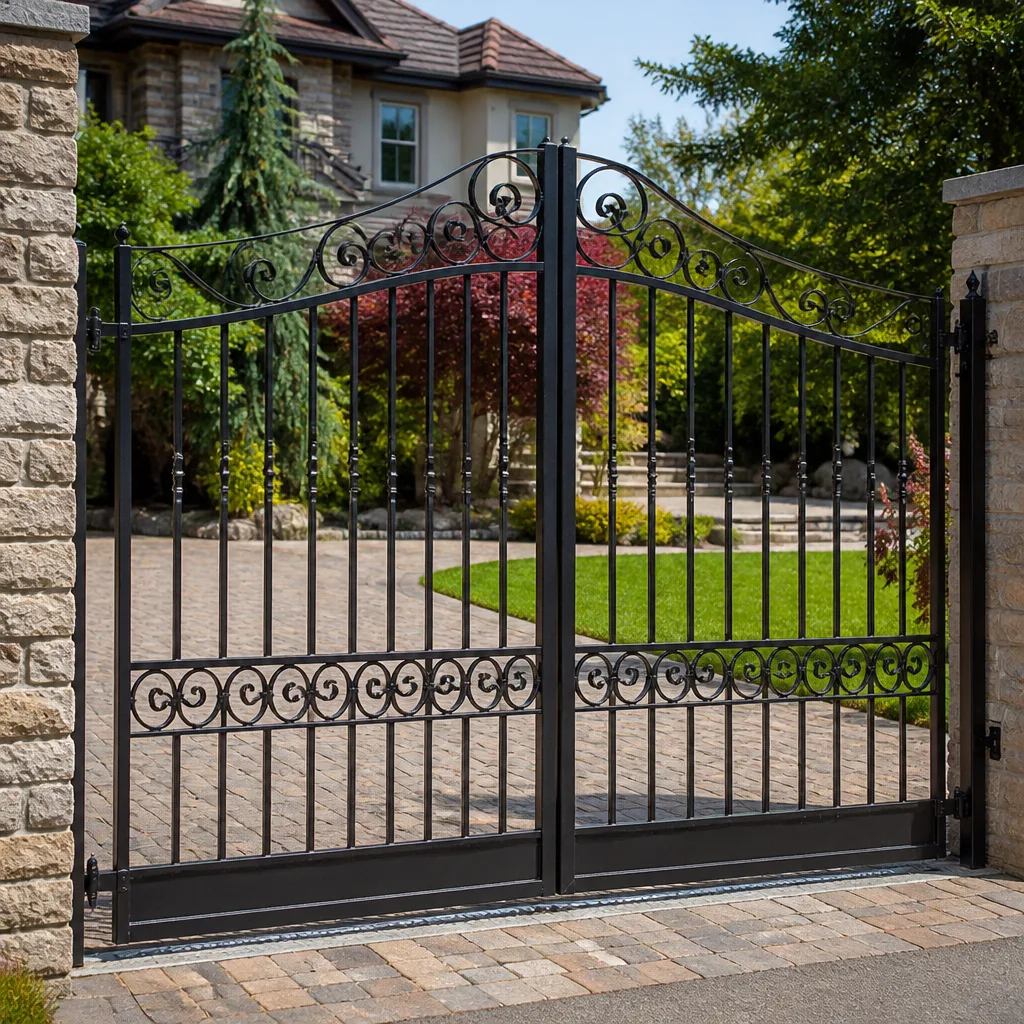 Wrought iron
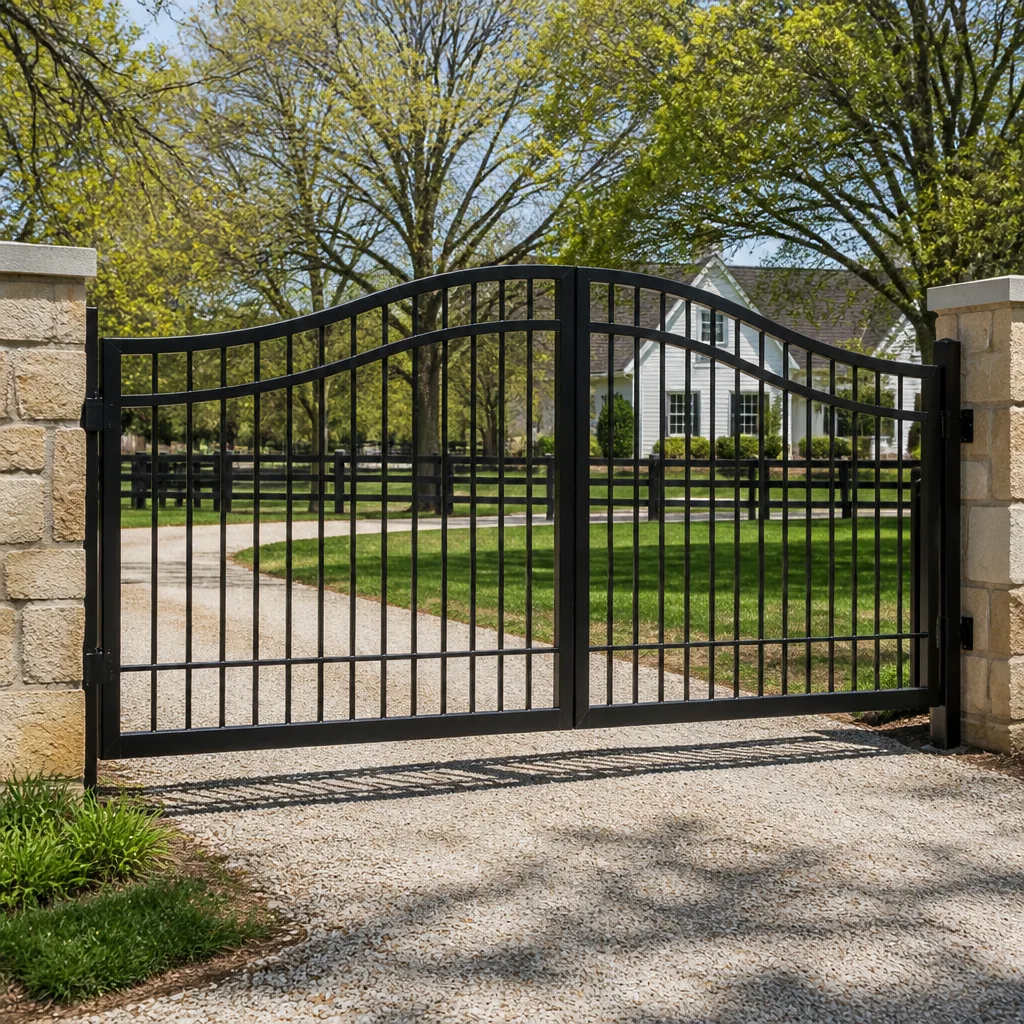 Farm & ranch
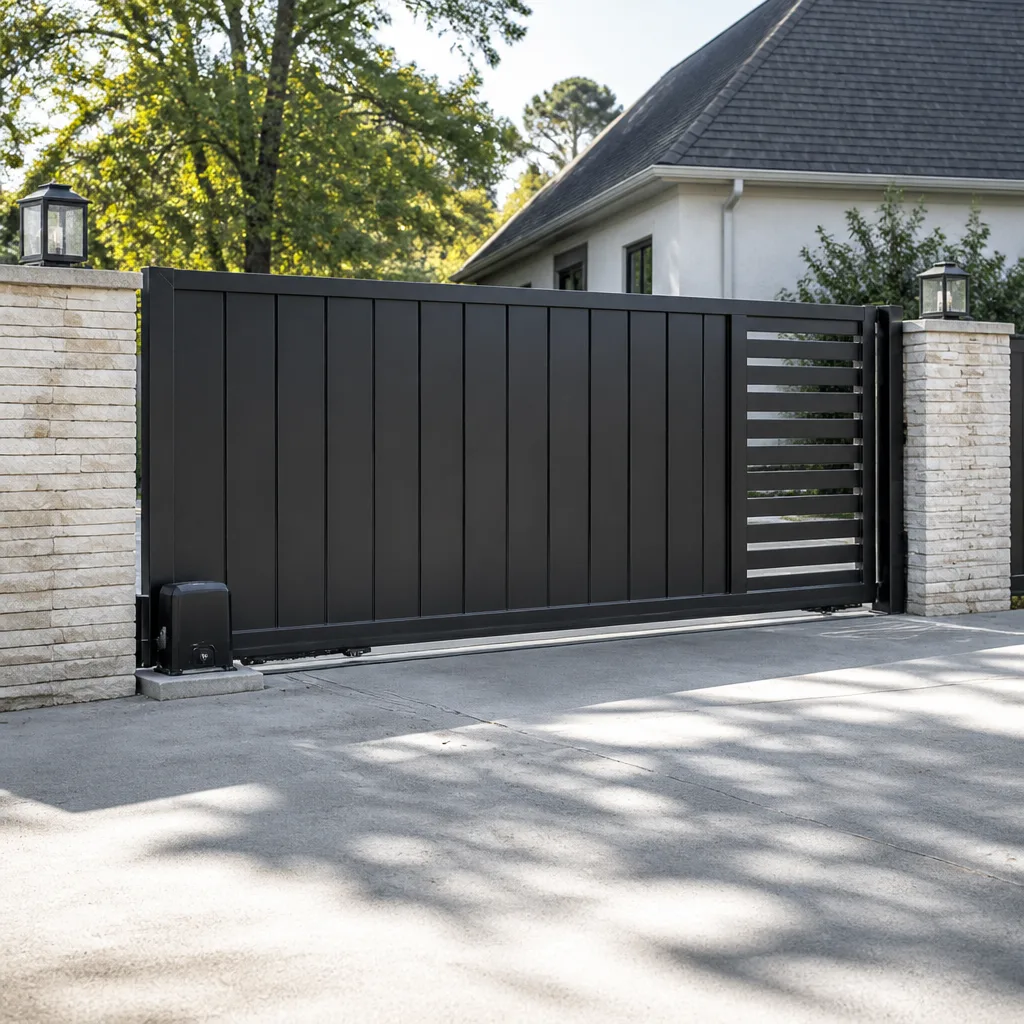 Sliding driveway gates
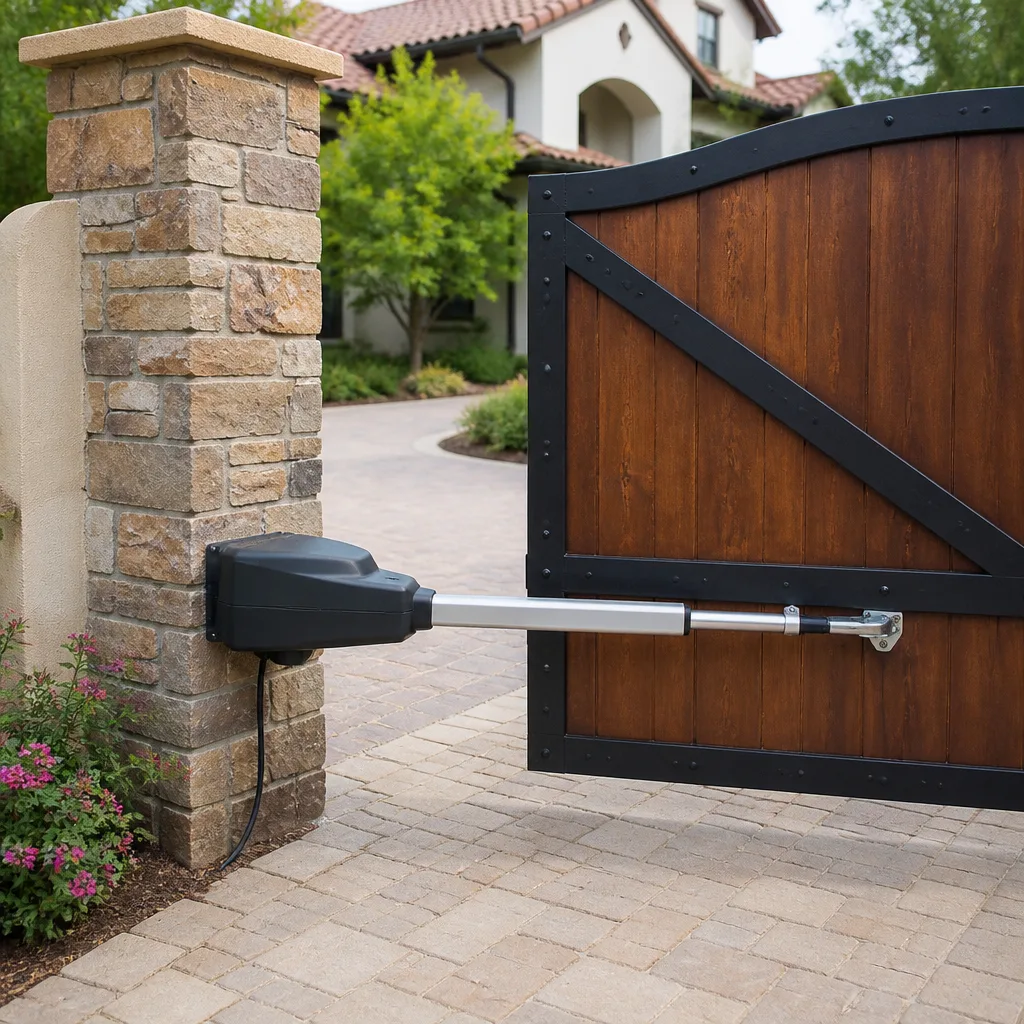 LiftMaster operators
Free on-site gate assessment - hinges, posts, and your LiftMaster or Nice gate operator checked before anything is quoted
The assessment is free and the quote is the invoice.
Get your free estimateStyles & brands we work with
- Wrought iron
- Wood & steel frame
- Farm & ranch
- Sliding driveway gates
- LiftMaster operators
See the difference
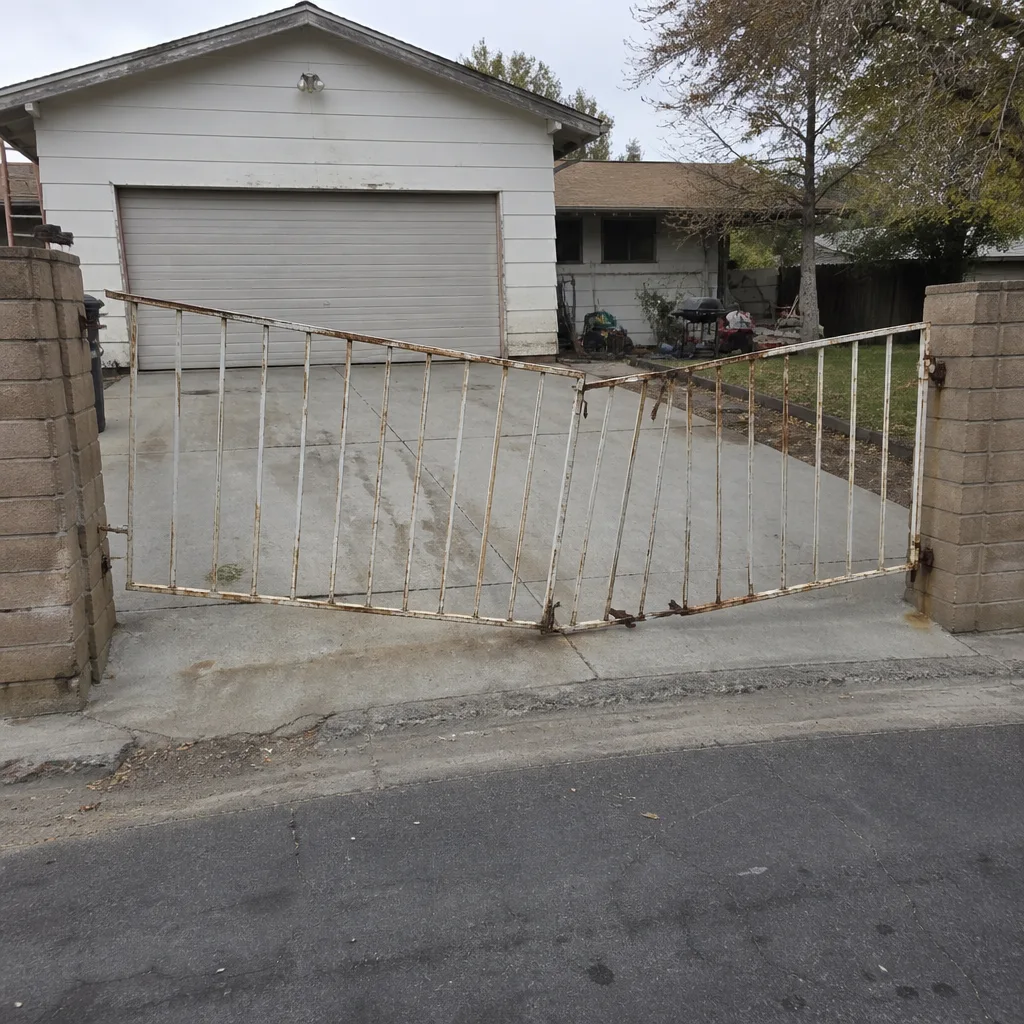 Before
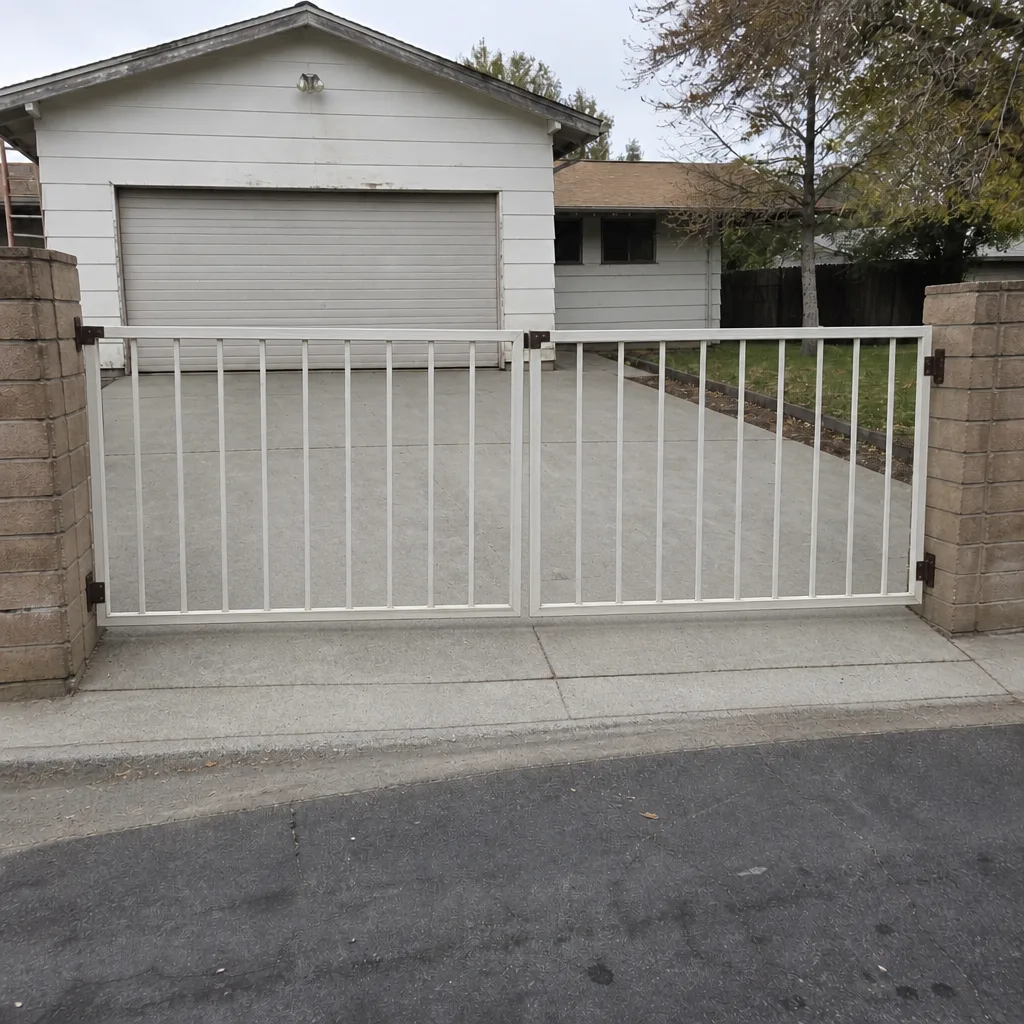 After
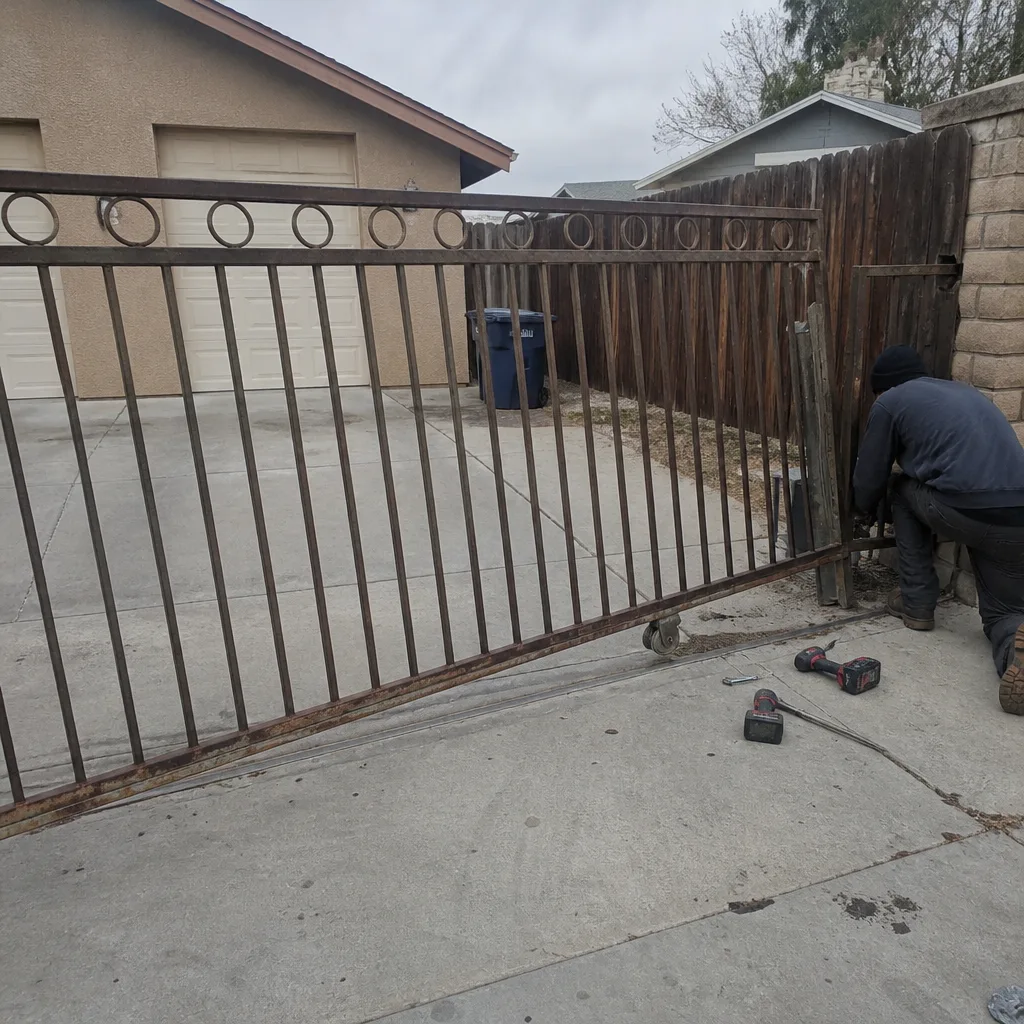 Before
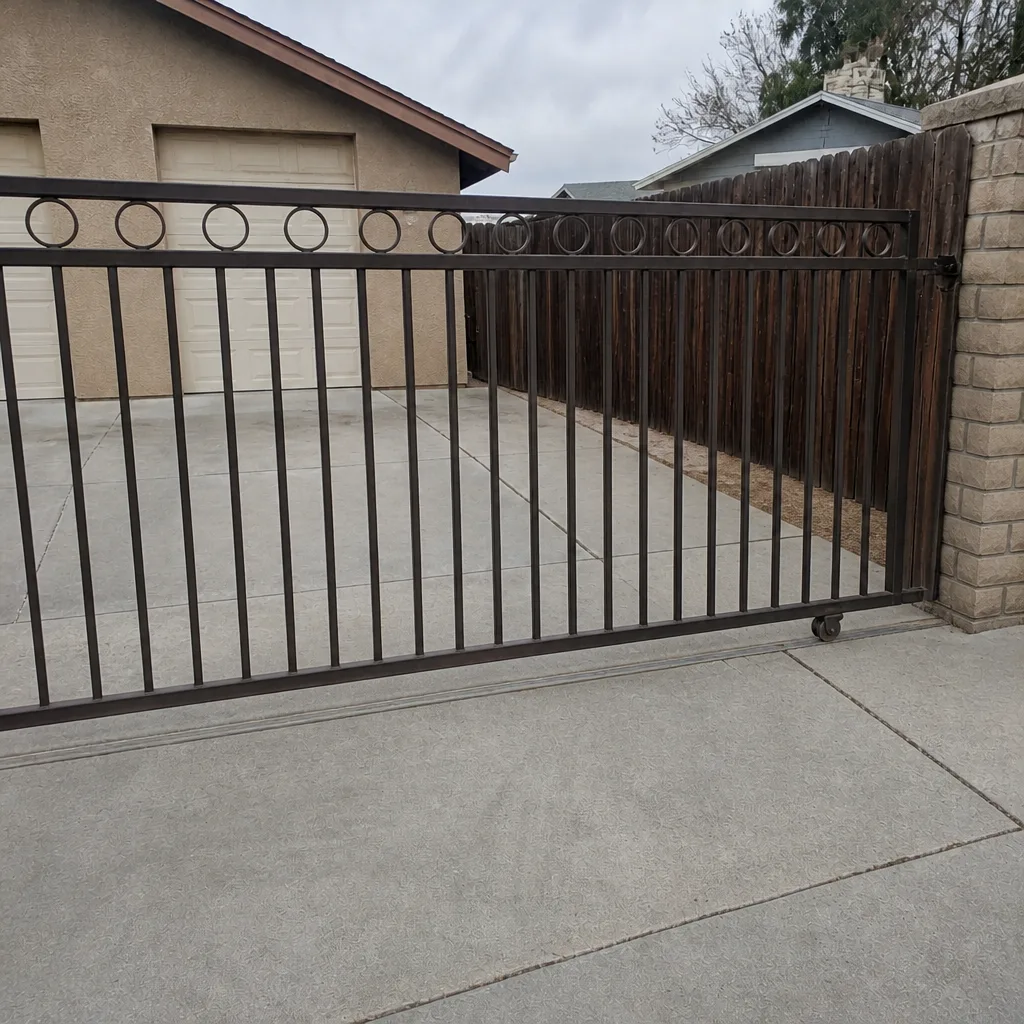 After
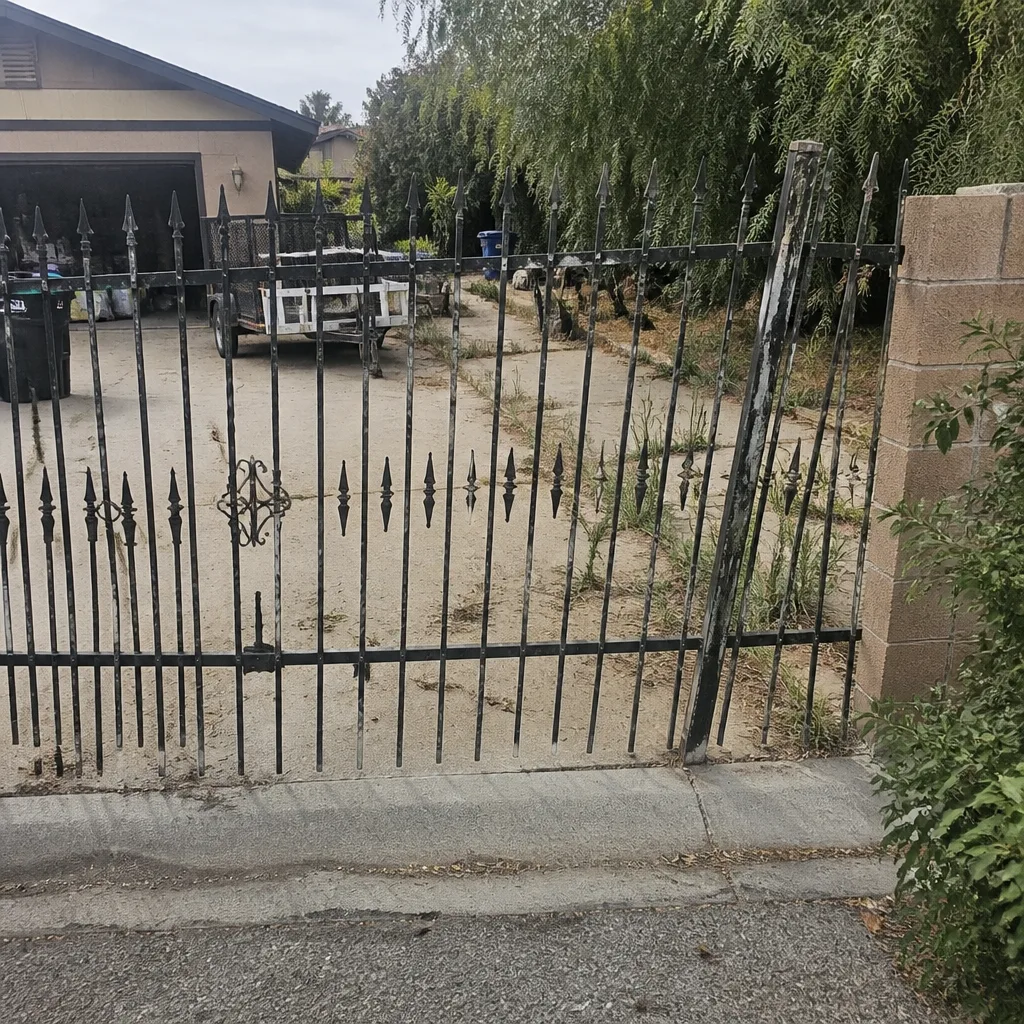 Before
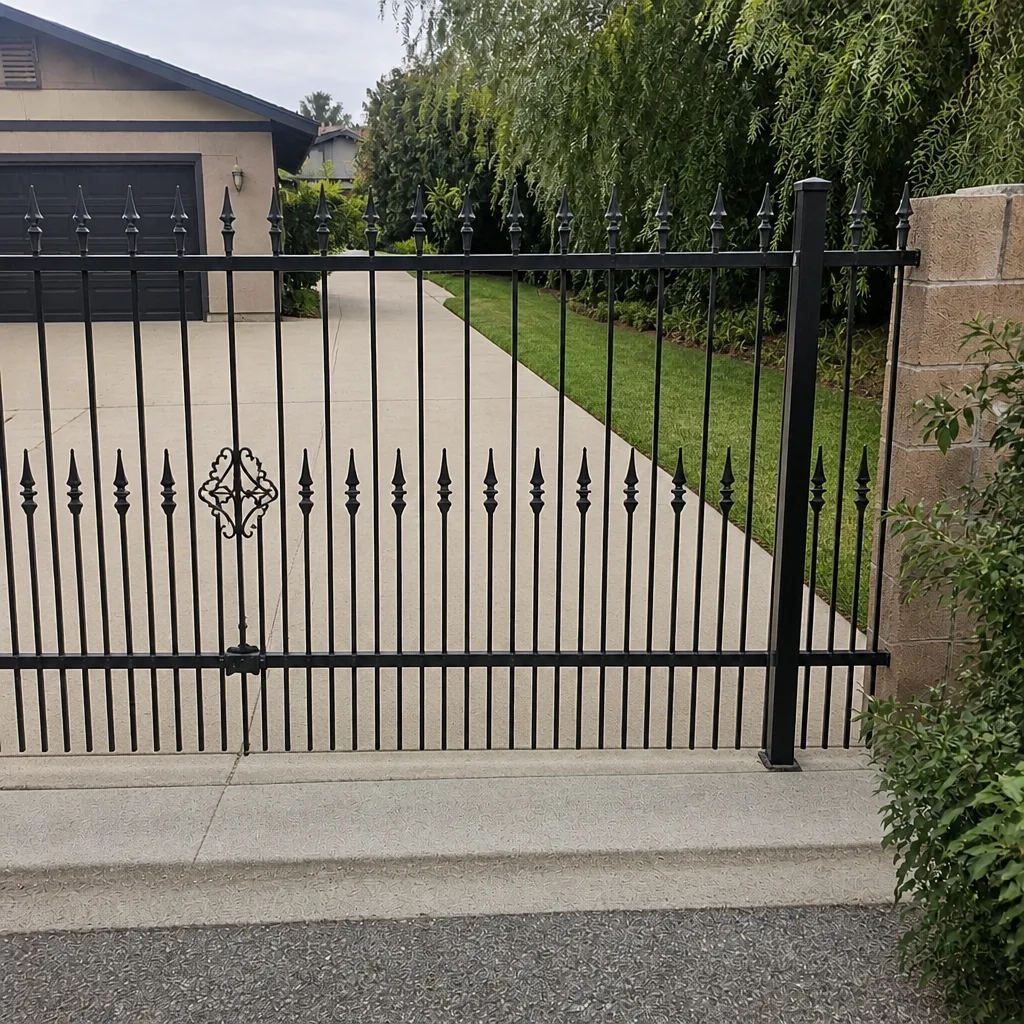 After
What’s the Best Automatic Gate Opener in Enterprise, NV?
Choose a liftmaster or DoorKing-class operator rated for at least double the cycles your gate actually sees, and skip the feature-packed residential unit unless the spec sheet shows a duty rating and a temperature ceiling that survive an Enterprise summer. In this town the best automatic gate opener isn’t the one with the most app controls. It’s the one whose control board doesn’t cook on a west-facing block wall that hits 120°F by mid-afternoon. That’s the honest bottom line. If you want it checked against your actual gate, call (833) 780-1547 and we’ll look before you buy.
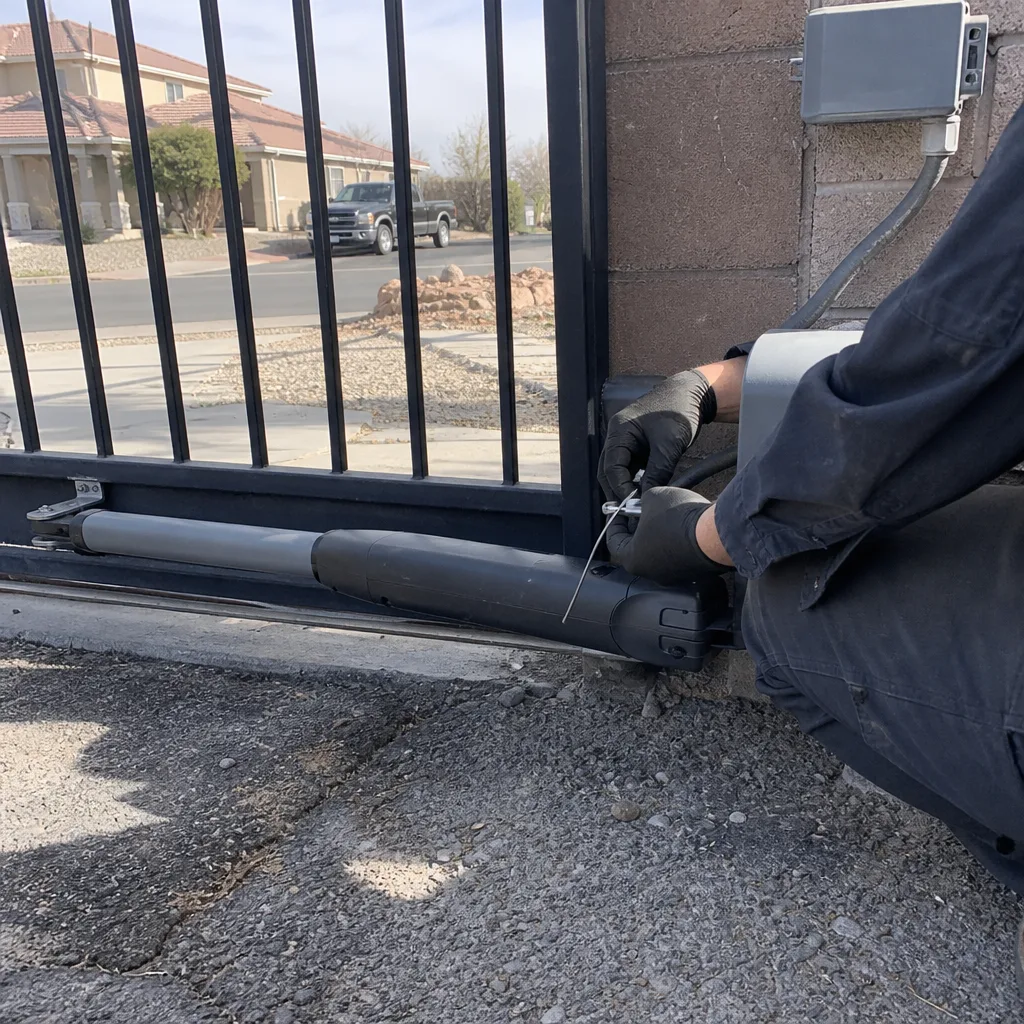
Most buyers of an automatic gate opener in Enterprise are weighing two or three units against a phone quote and a pile of online reviews. The reviews tell you about the app. They don’t tell you what happens to the capacitor bank in July, or whether your association will accept the thing you just ordered. We’d rather you spend five minutes on the right questions than a season fixing a unit that was never built for this climate.
Why heat and duty cycle beat horsepower every time
That smart opener with the camera and the slick reviews? Check its operating temperature ceiling first. A lot of residential units top out around 104°F, and that number has already met its match in Enterprise, where a control box bolted to a west-facing block wall bakes to 120°F and higher. The opener itself is fine. What fails is the electronics inside it.
The failure mode I see most on this side of the valley is a control board with under-spec’d capacitors that swell and pop after two or three summer seasons. Homeowners hear the gate stall and assume the motor is gone. It’s almost never the motor. The board is the consumable part in Enterprise, and swapping it is a fraction of what a motor replacement runs. The same goes for the sliding-gate photo-eyes and rollers that eat wind-blown sand off the open desert edges: they grind and misalign a lot faster here than the book says they should.
Duty cycle is the number nobody asks about
Residential openers fall into low daily-cycle classes (Class I and II), built for a handful of open-and-close runs per day. That’s fine for a family driveway. It falls apart on a busy HOA entry that cycles 200 times a day, or even a household where the gate opens and closes for every car in and out all afternoon. The best automatic gate opener for your gate is the one spec’d one class above what you actually need, so it runs cool and half-idle instead of maxed out. Paying for the next class up front is cheaper than replacing a worn residential unit every few summers.
| Opener class | Typical daily cycles | Best for | Heat/thermal watch |
|---|---|---|---|
| Class I (light residential) | Up to ~20 | Quiet side-yard or single-car driveways | Board and capacitors are the weak point; keep it out of direct afternoon sun |
| Class II (residential/HOA light) | ~20-60 | Busy family driveways, light community traffic | Rated warmer; still wants shade or an insulated housing |
| Community/commercial grade (DoorKing-style) | 100+ per day | HOA and shared entry gates cycling all day | Built for heat and volume; sized so it idles rather than strains |
Check your HOA list before you buy
Enterprise is HOA-heavy. Nearly every driveway, community, and side-yard gate here sits under recorded CC&Rs that spell out style, color, and placement, and a chunk of associations keep an approved equipment list on file. Buying first is how you end up with a compliance letter and a swap-out. Before you order the best-reviewed opener on a retail site, find out whether your association has a list and whether the unit is on it. This matters more here than in a lot of places because community gates share operators and call-box systems installed back when the tracts went up, and a homeowner dropping in a mismatched unit can leave the whole entry out of step.
The other local twist: because these are blocks of identical tract-home gates, one worn roller or a misaligned sensor tends to replicate down the street. If your neighbor’s gate just started misbehaving the same way yours did, it’s likely the same part and the same easy fix. We fix the panel and the post together, because fixing the panel alone means you’ll fix it twice. Same logic applies to the opener.
Solar or plug-in: match the power source to the draw
A lot of Enterprise homes have rooftop solar, and homeowners naturally want the gate opener to match. That’s a fair instinct, but the panel has to be sized for the opener’s peak amp draw at temperature, not its average draw on a mild day. Undersized solar panels are a common cause of erratic gate behavior in summer: the system browns out right when demand peaks and the gate starts acting like it has a mind of its own. Plug-in is the simpler call where you have power at the gate post and a shaded spot for the control box. Solar is workable when the array is sized honestly for a hot afternoon.
What the brand choice actually gets you
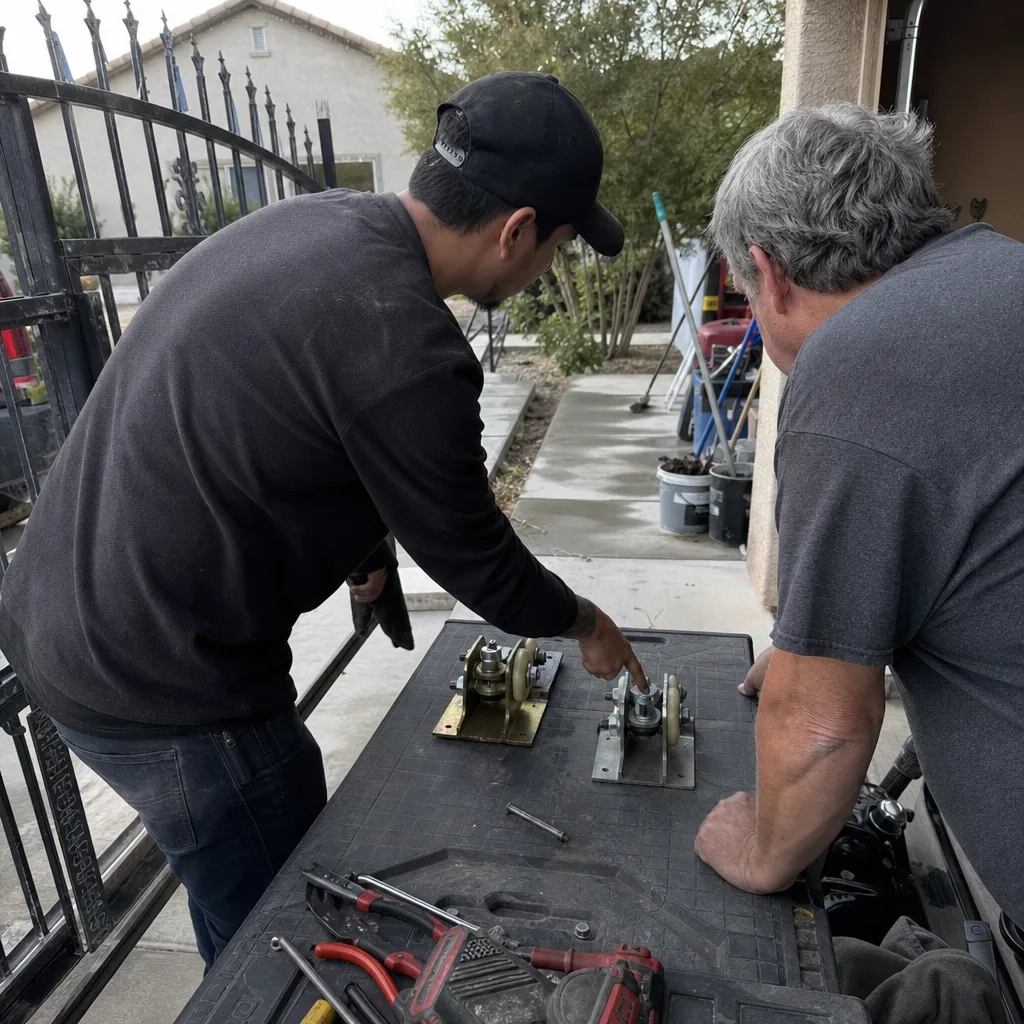
Any of the majors can run an automatic gate opener in Enterprise if it’s spec’d right. The brand matters less than the class, the power sizing, and whether someone local can get parts and service it. We’re certified across nine brands, and among the residential-friendly ones we work with Mighty Mule and Ghost Controls for lighter driveways, and DoorKing and Elite for community and heavy-duty entries. If a competitor quoted you a full opener replacement, bring us the estimate. Our standing offer is a free second opinion on any written estimate, and there’s no trip charge for a call inside the county. Plenty of “failed” openers turn out to need a board swap or a capacitor kit, not a whole new unit, and we’ll tell you straight which it is.
Same goes for the gate hardware the opener drives. A control board can be perfect and the gate still won’t close right if a hinge post has shifted in caliche-heavy desert soil or the rollers are packed with sand. That’s the sort of thing we sort out in your driveway rather than hauling the gate off. If it turns out you need service on the operator itself, our Gate Motor & Opener page covers that side of the work in more detail.
How to pick the right opener, step by step
- Count your real cycles: how many times per day does the gate actually open and close, including every car in and out?
- Check for an HOA approved-equipment list before you buy a single unit.
- Look at the spec sheet’s temperature ceiling and duty class, not the app features.
- Measure peak amp draw and size any solar array for the hot-day load, not the average.
- Get the gate’s hinge posts, rollers, and travel checked so the new opener isn’t fighting a bad gate.
- Get a written, upfront price before anyone touches the gate.
- 90-Day Done Right Promise, stamped in writing on every job, so one call brings us back.
- A live person answers the phone 24/7, so you’re not leaving a voicemail and hoping.
- $40 off any repair over $200, no trip charge inside the county, and a permanent 10% discount for seniors and veterans.
FAQs
For a community entry that cycles 100 or more times a day, a community-grade operator like a DoorKing is the right call over any residential unit, because residential classes are built for a handful of daily cycles and wear out fast under that kind of traffic. Residential openers are spec’d for low volume, and a shared entry will eat through one in a few summers. Call (833) 780-1547 and we’ll match the class to your actual gate count.
Most summer failures here trace back to the control board and its capacitors, not the motor. In Enterprise a west-facing control box can hit 120°F by mid-afternoon, and under-spec’d capacitors swell and fail after two or three seasons. The fix is often a board or capacitor kit rather than a new opener. We’re happy to give a free second opinion on any written estimate before you replace anything.
Yes, as long as the panel is sized for the opener’s peak amp draw in the heat, not its mild-day average. Undersized arrays cause erratic operation right when summer demand peaks. If your gate post has power and afternoon shade, plug-in is simpler and easier to keep cool. Either way, the upfront price is set before work starts.
It depends on whether you need a board or capacitor kit versus a full replacement, which is why we quote in writing before touching the gate. A second opinion on a competitor’s estimate is free, there’s no trip charge inside the county, and repairs over $200 carry $40 off. Call (833) 780-1547 for an exact number on your gate.
If you’d rather have it looked at, Gatewood Fence & Gate Enterprise offers a no-pressure assessment in Enterprise - call (833) 780-1547. We’ll check the duty cycle, the heat exposure, and your association’s list before you spend a dime on the wrong unit.
Written by the team at Gatewood Fence & Gate Enterprise, serving Enterprise, NV.