
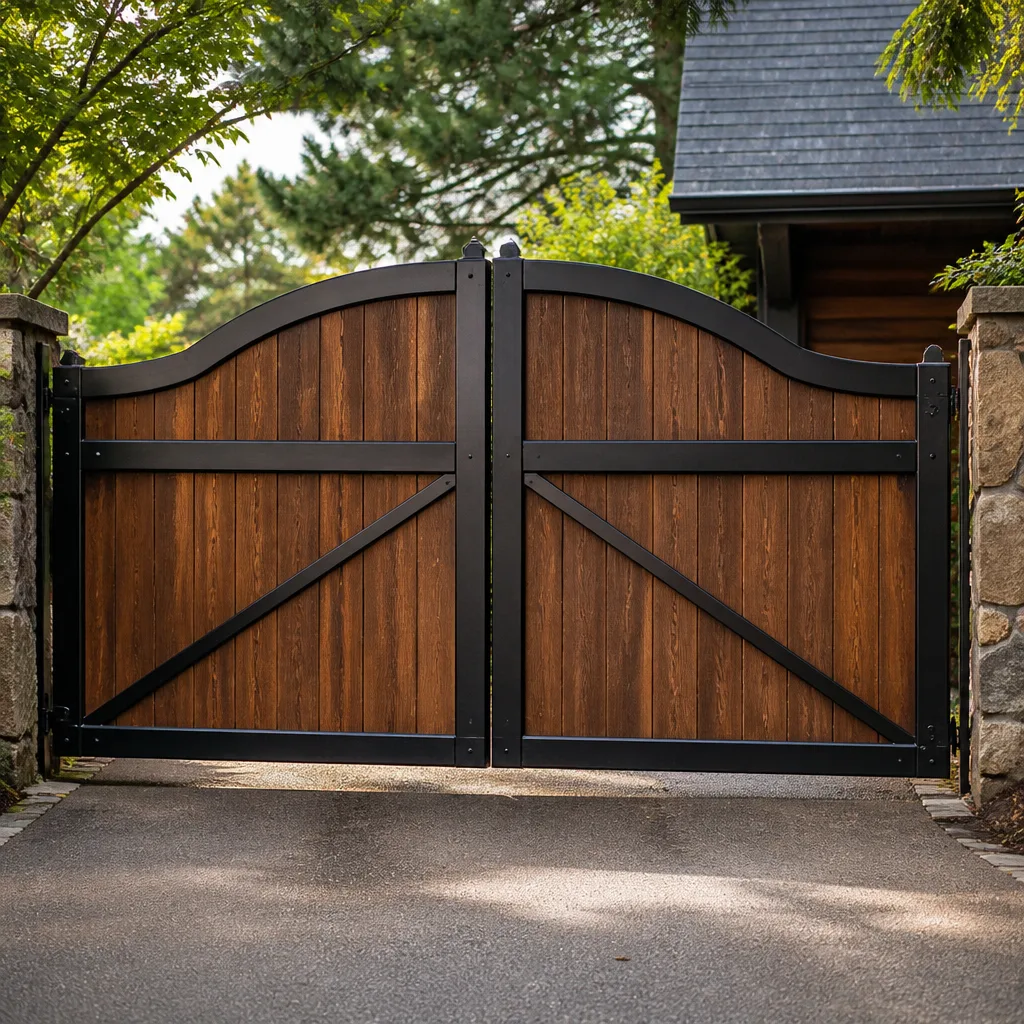
 Wood & steel frame
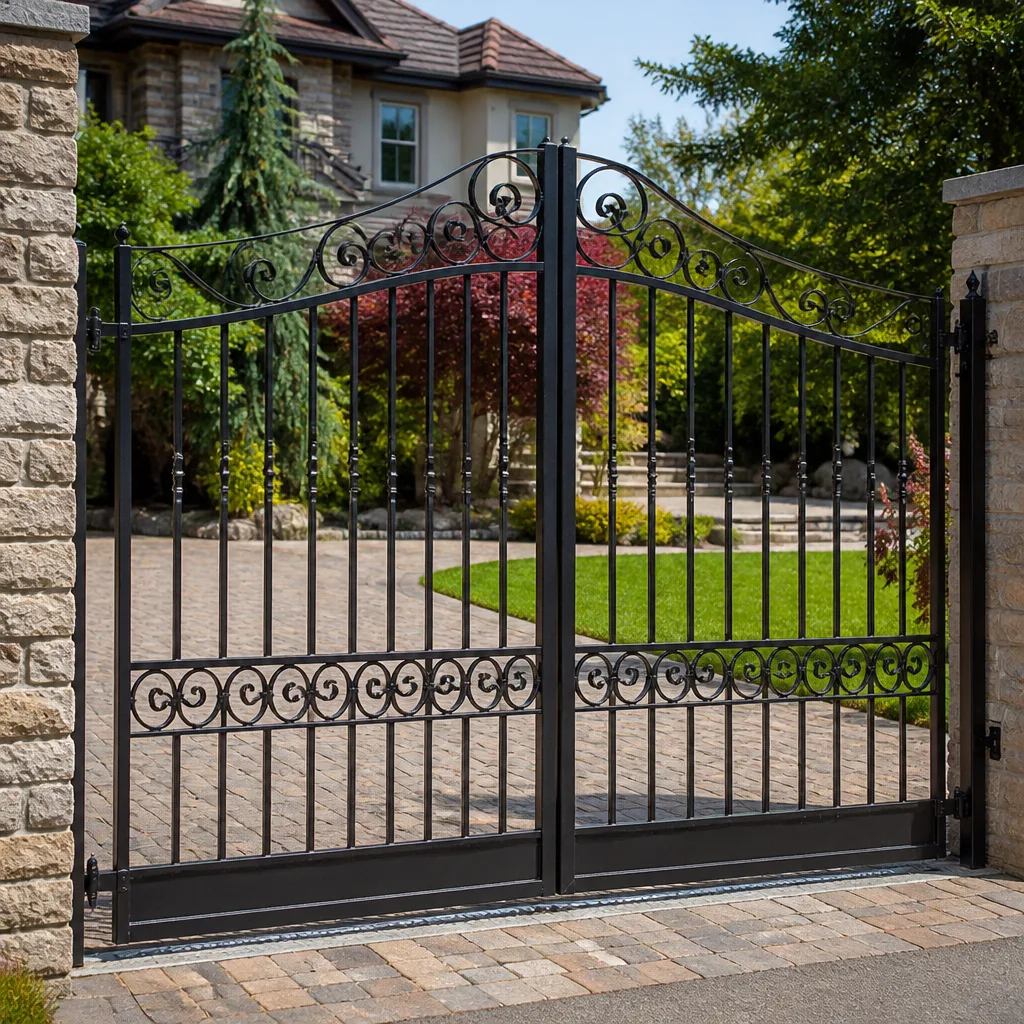 Wrought iron
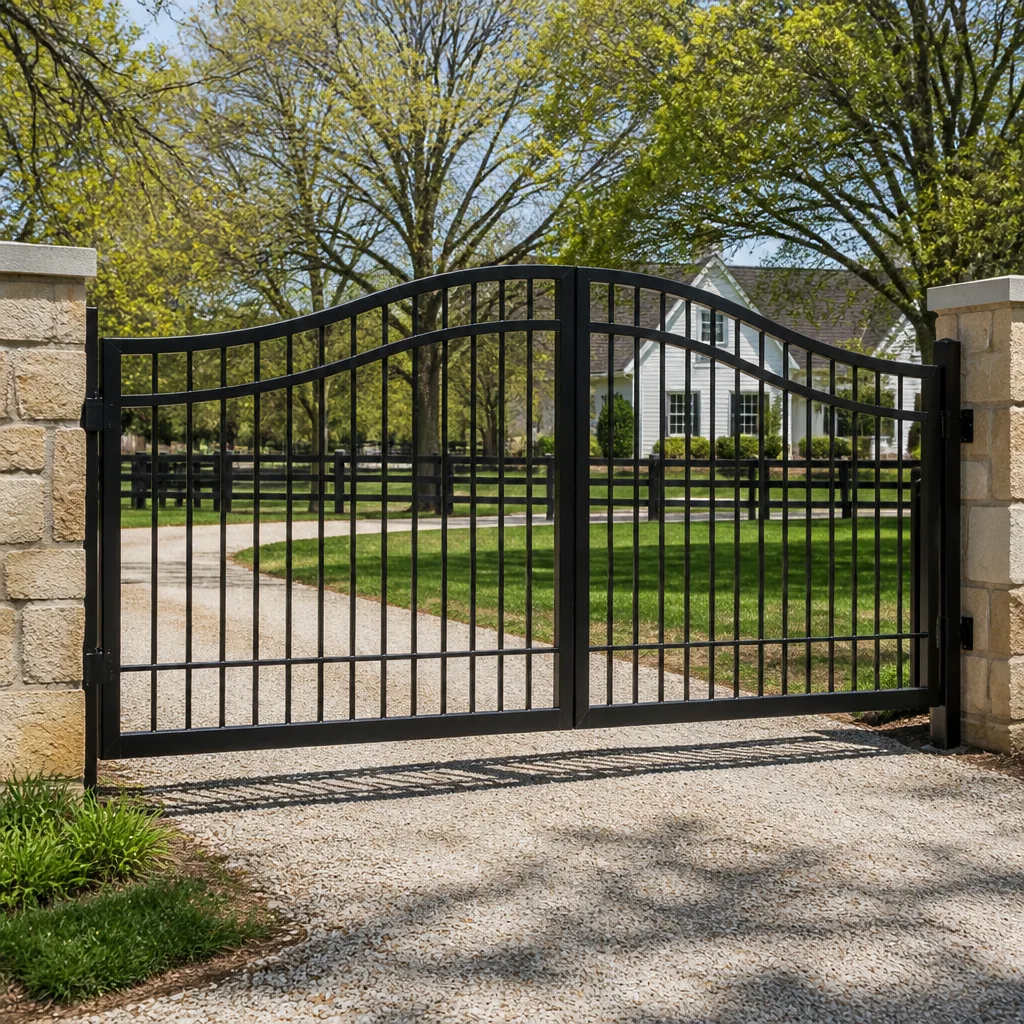 Farm & ranch
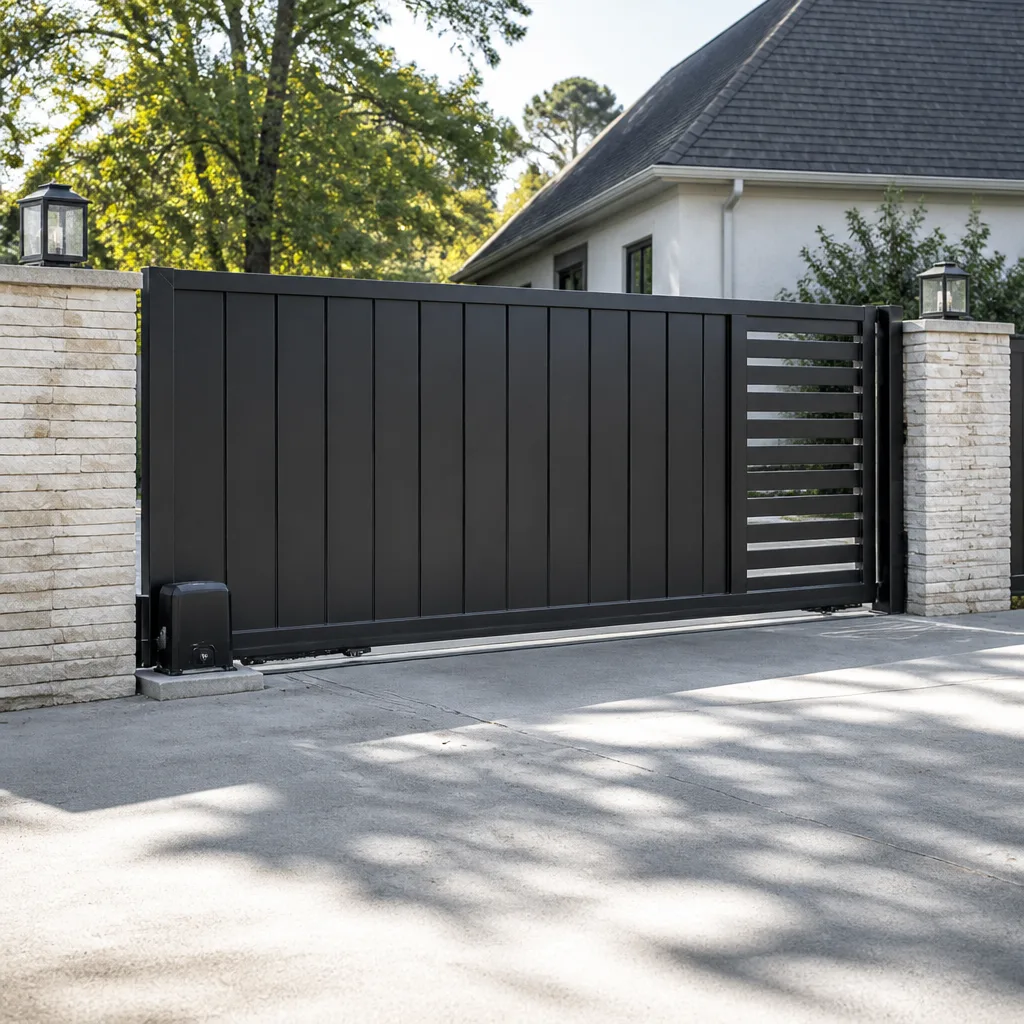 Sliding driveway gates
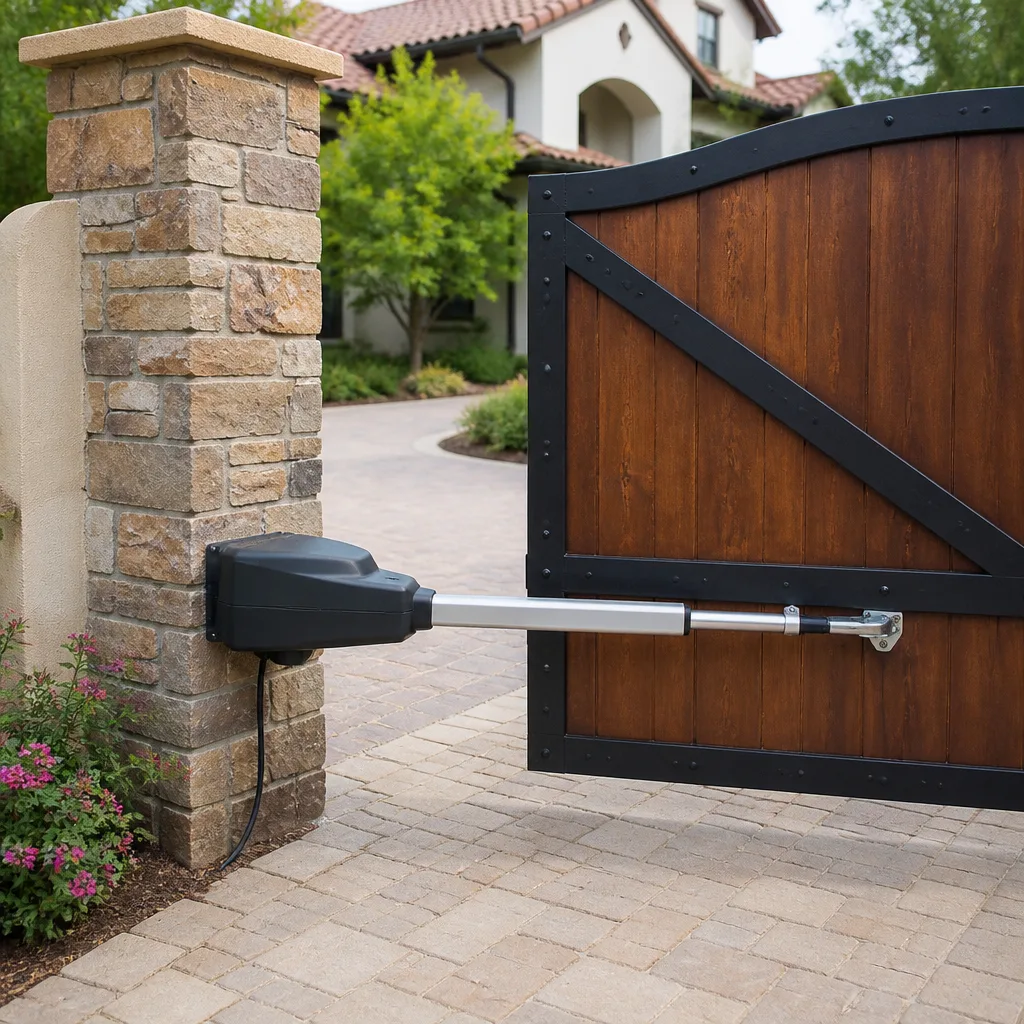 LiftMaster operators
Free on-site gate assessment - hinges, posts, and your LiftMaster or Nice gate operator checked before anything is quoted
The assessment is free and the quote is the invoice.
Get your free estimateStyles & brands we work with
- Wrought iron
- Wood & steel frame
- Farm & ranch
- Sliding driveway gates
- LiftMaster operators
See the difference
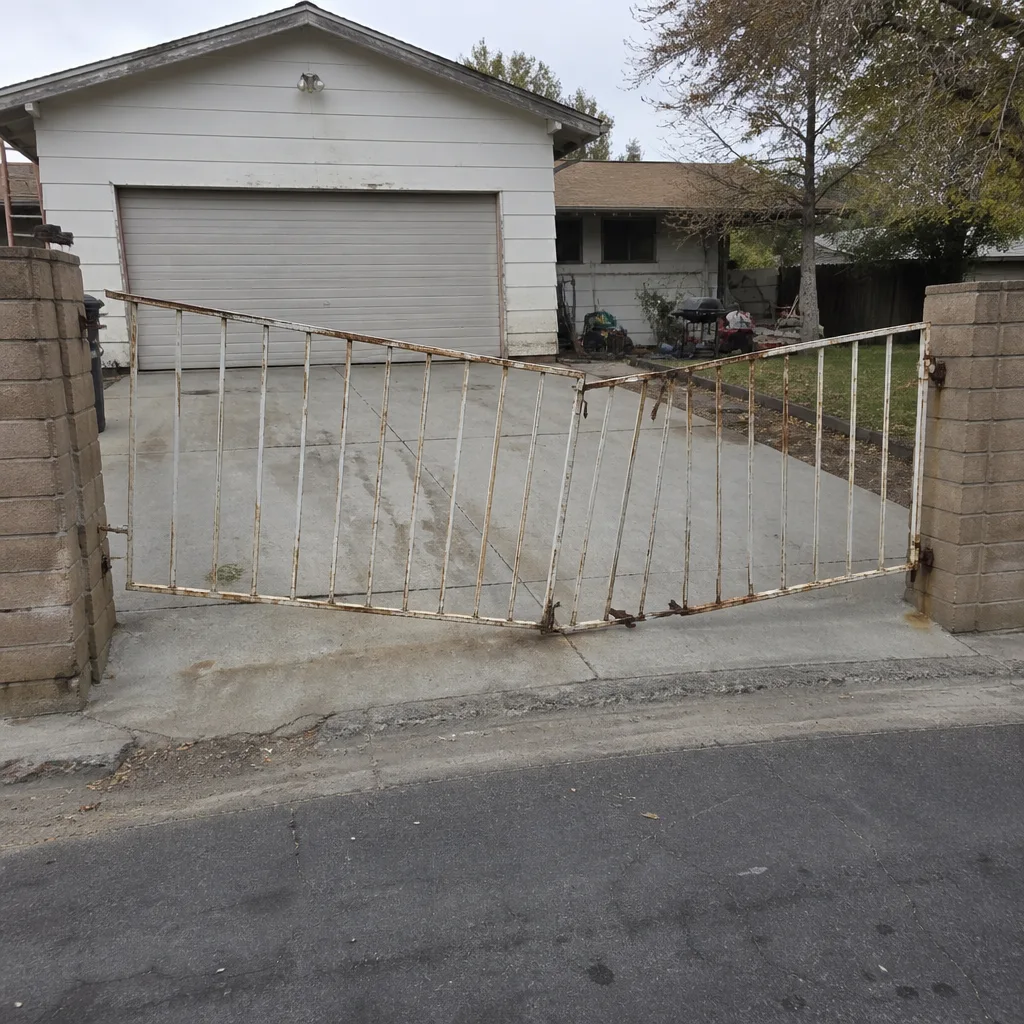 Before
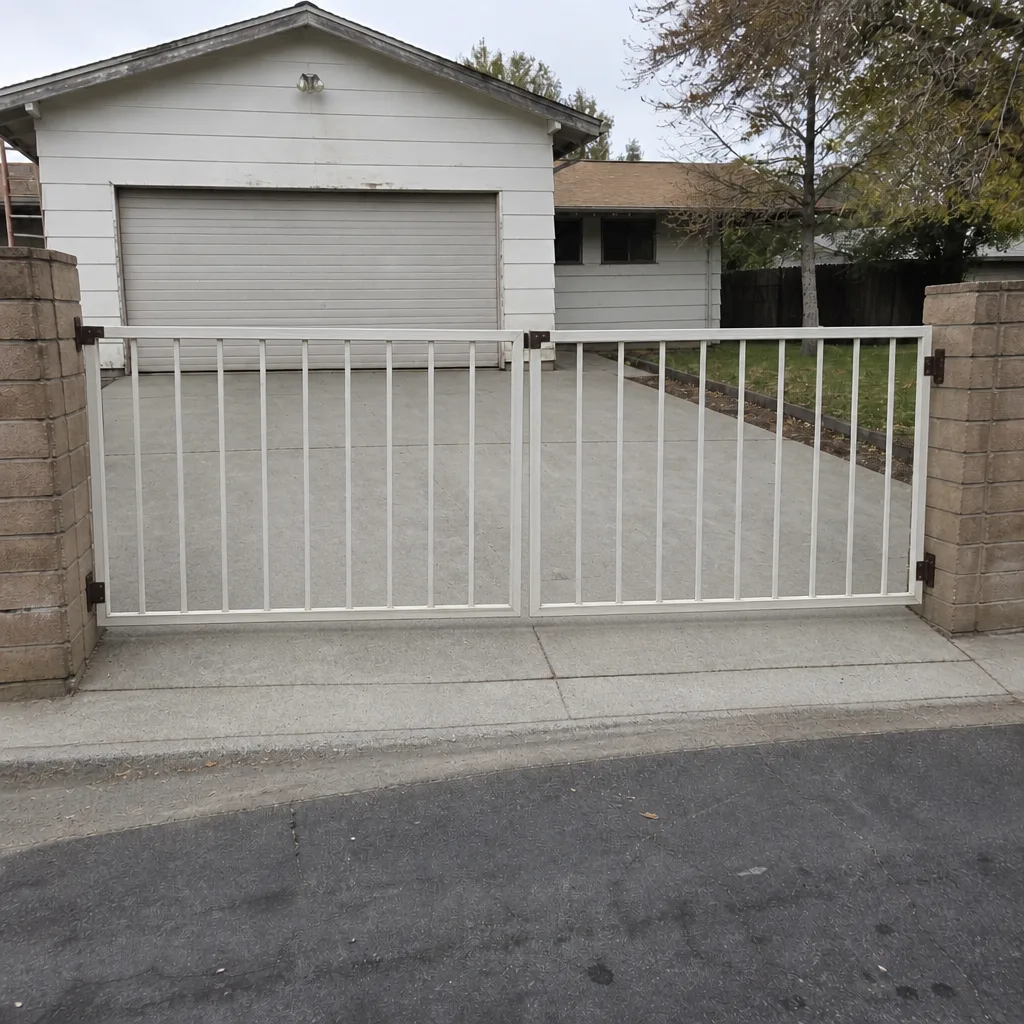 After
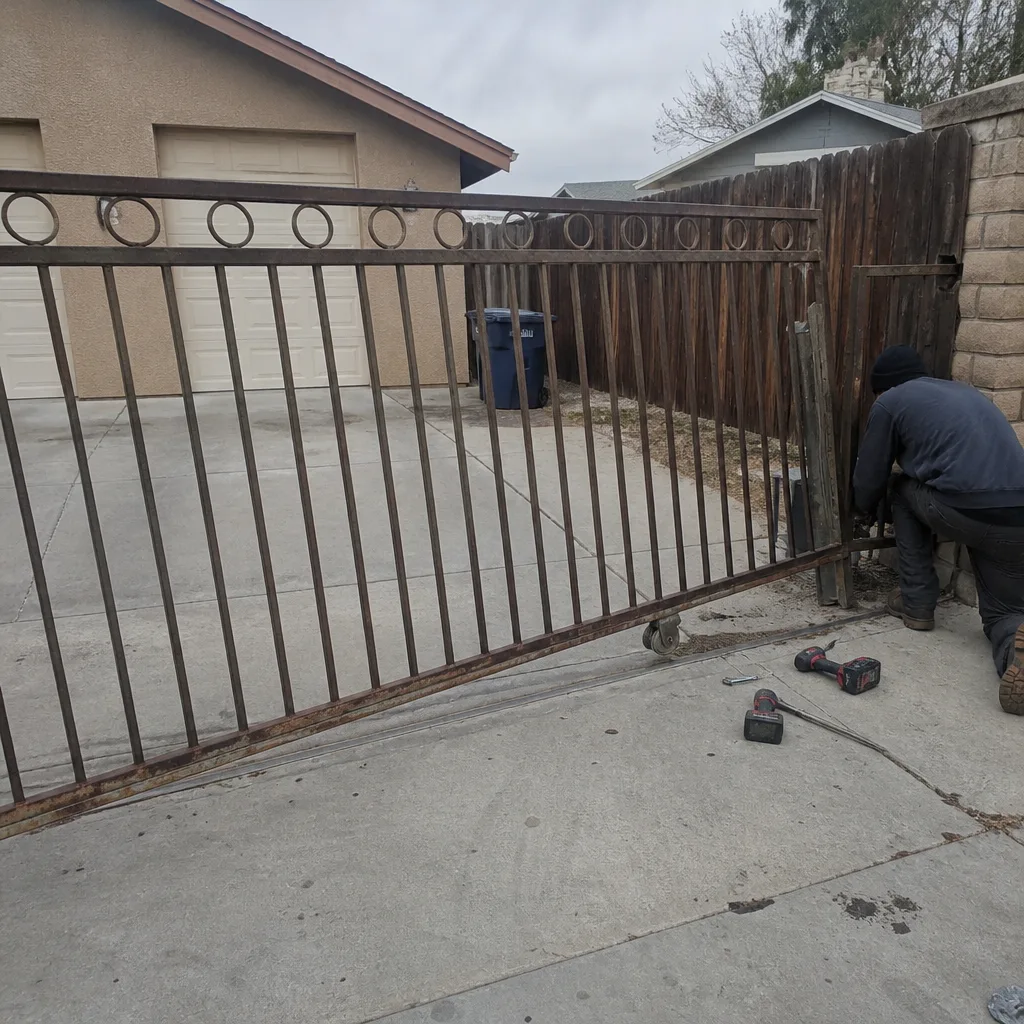 Before
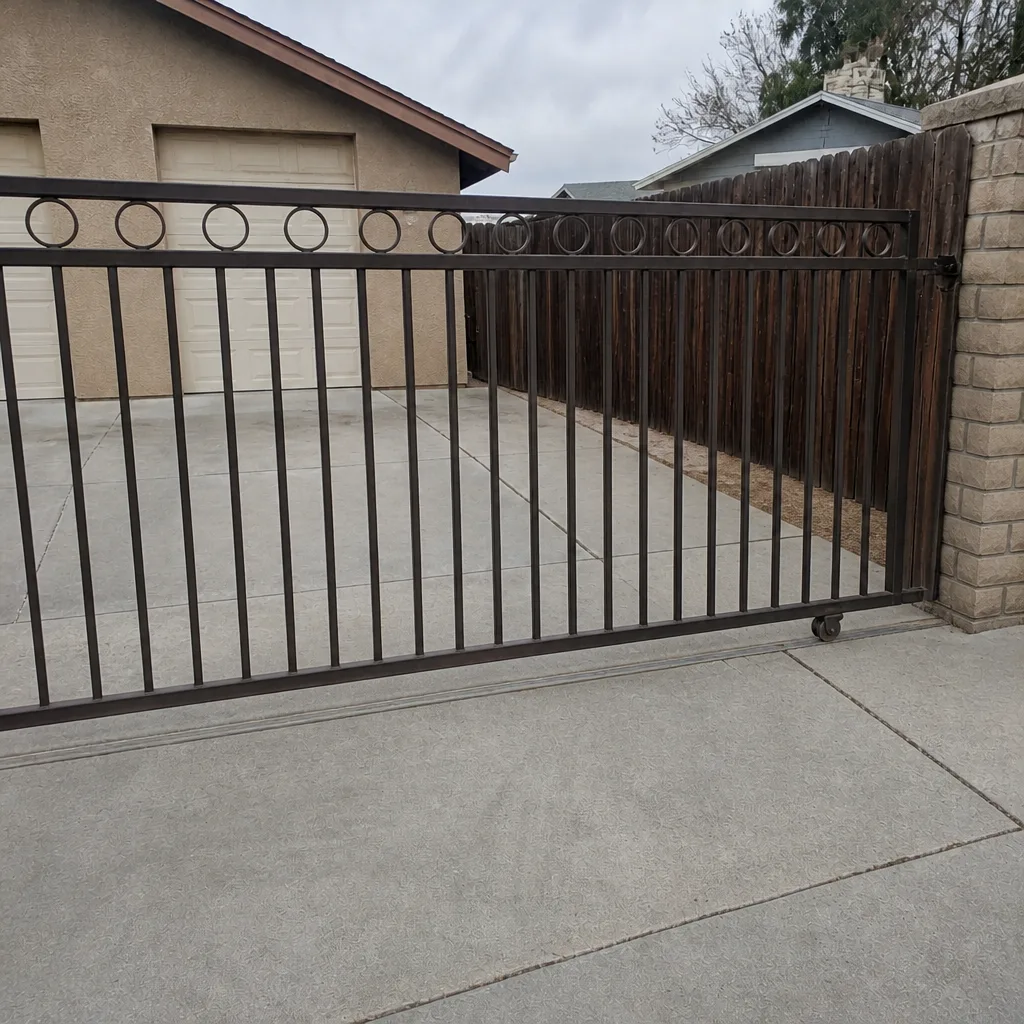 After
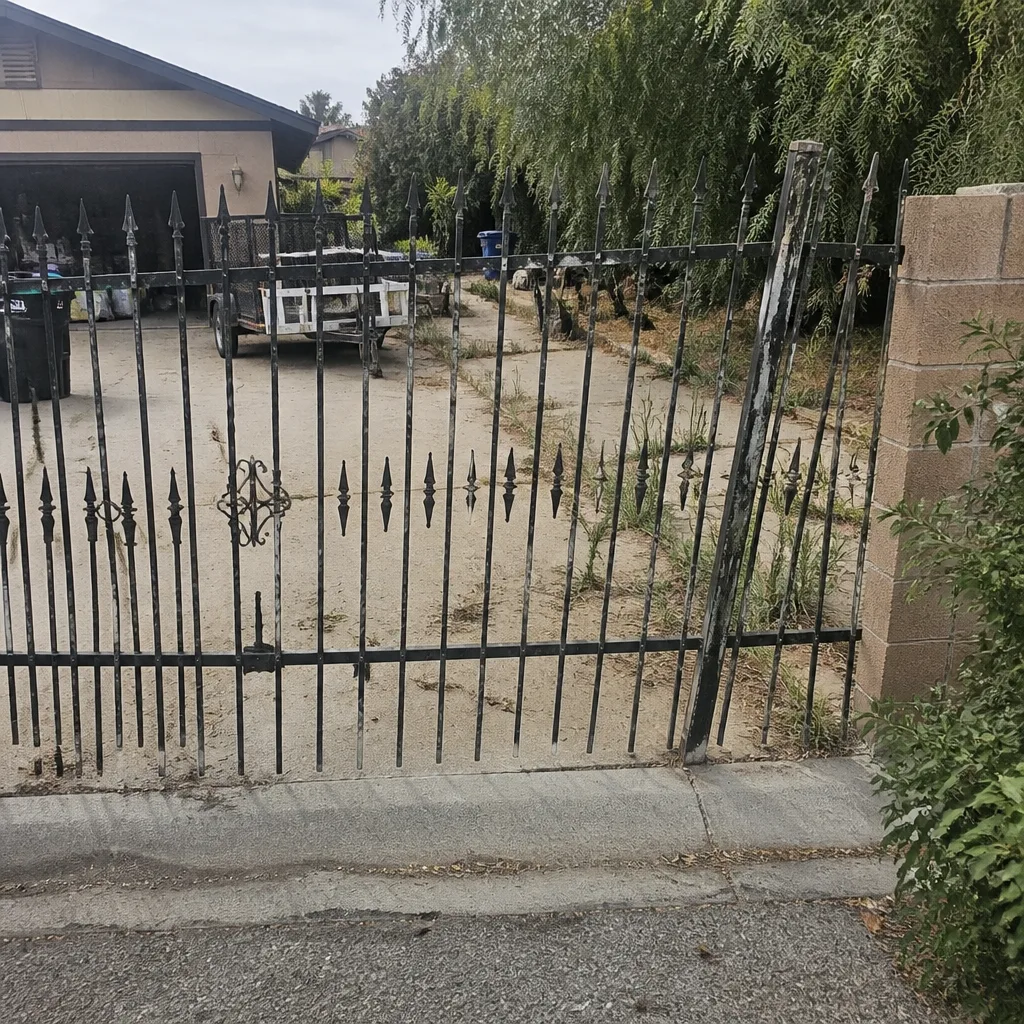 Before
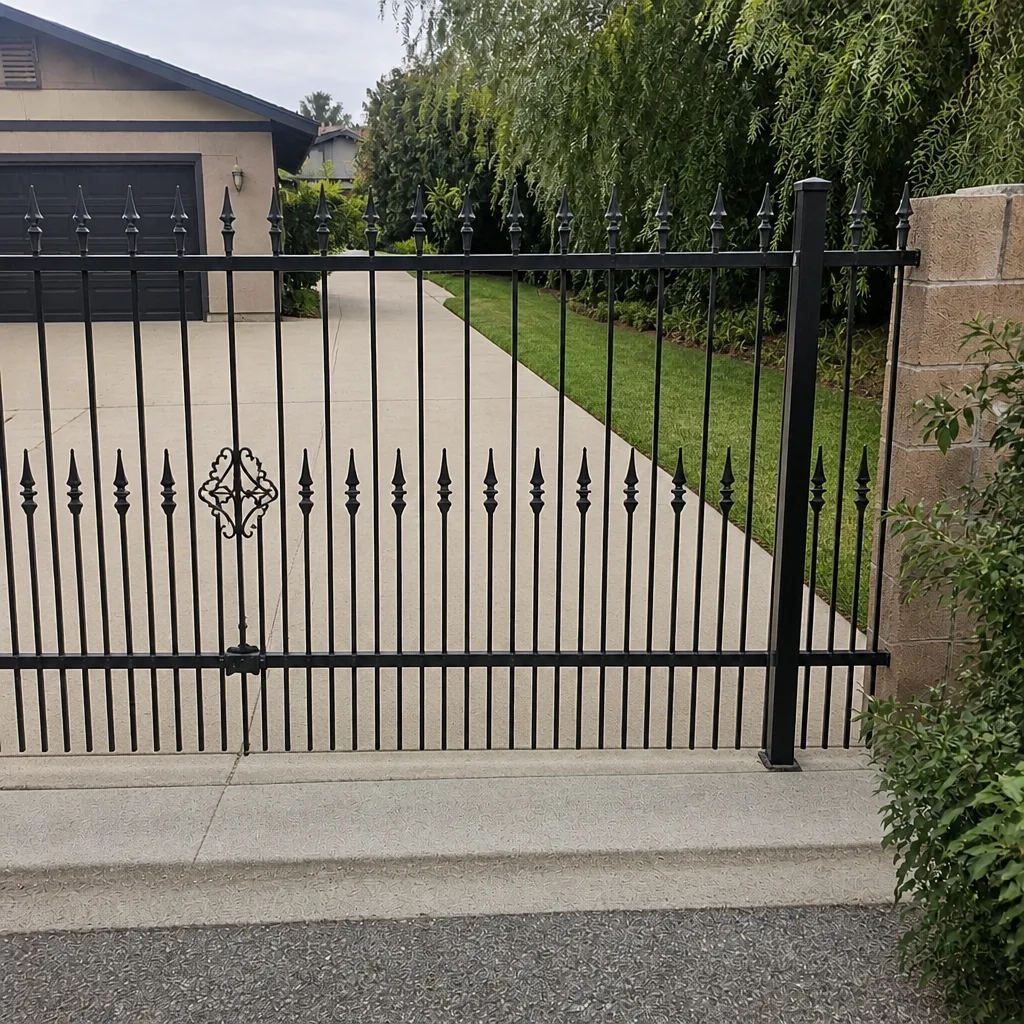 After
Driveway Gate Maintenance Tips for Enterprise, NV: A Desert-Tuned Schedule That Actually Holds Up
In Enterprise, the right driveway gate maintenance comes down to two things the generic advice gets wrong: use dry PTFE or silicone spray on rollers, hinges, and rack teeth every four to six months, and clean your photo-eye lenses with a dry microfiber cloth once a month. Petroleum grease attracts the fine silica dust that blows across the valley and turns bearings into a grinding compound, and a wet wipe on a sensor leaves residue that pulls in more dust. Do those two things on a Mojave timeline and you’ll likely cut your repair frequency roughly in half. If a gate is already binding, sagging, or acting up, call (833) 780-1547 and we’ll take a look.
Key Takeaways
- Switch from grease to dry PTFE or silicone lubricant on rollers, hinges, and rack teeth every four to six months.
- Wipe photo-eye lenses monthly with a dry microfiber cloth, never a wet wipe.
- Schedule the heaviest maintenance in May-June (before monsoon dust and humidity) and again in October (after flash-flood soil shift).
- A gate that was plumb in June and binds in October usually has a shifted post, not a bad hinge.
- In Enterprise’s CC&R communities, chipped powder coat or visible rust can trigger an HOA notice even on a working gate.
Why a Generic Seasonal Checklist Fails in Enterprise
Most gate maintenance advice you’ll find online was written somewhere with four gentle seasons and an average humidity that doesn’t crack a paint can lid. Enterprise isn’t that place. This is Mojave Desert, summer highs routinely top 100°F, and the housing stock is 1990s-2000s master-planned subdivisions full of sliding driveway gates, community entry gates, and wall-mounted side-yard gates. Heat bakes operators and control boards, wind-blown sand grinds rollers and hinges, and flash-flood rain shifts posts set in caliche-heavy soil.
So the calendar matters more than the checklist. The two highest-risk windows here are pre-monsoon (May-June), when dust and heat peak together right before the humidity spikes, and post-monsoon (October), when you can assess soil-shift damage before winter cycling sets in. That’s the schedule we work to on every repair. It’s also the schedule behind the advice we hand you after a job, which is why we tune our Gate Repair work to what the desert actually does to a gate.
The Desert Lubrication Rule, and Where It Actually Matters
Here’s where a lot of Enterprise gates go wrong before the owner notices anything. A well-meaning homeowner (or a previous company) greases the rollers and rack teeth with a standard petroleum product. It feels right for about six weeks. Then spring dust rolls through, the grease holds it, and by September every roller bearing and rack tooth is grinding against a paste of oil and silica. The wear that follows isn’t gradual – it accelerates.
Dry lubricants are the right choice for Mojave conditions. A dry PTFE or silicone spray goes on clean, sets up without tack, and doesn’t grab dust the way grease does. Apply it to rollers, hinges, and rack teeth every four to six months. On the sliding and community gates we service across Enterprise, that single change is the difference between a rack that lasts and one that chews itself down. If your operator is a Viking, Ghost Controls, DoorKing, or Elite unit, the lubrication points are the same idea – only the access panels differ.
What to look for before you lubricate
Don’t just spray and walk away. Look for these signs first, because a dry lubricant won’t fix a mechanical problem:
- Dark grit paste on rollers or rack teeth – old grease that’s been holding dust. Clean it off before you lubricate.
- Flat spots or grinding when you push the gate by hand – a worn roller or bearing, not a lubrication issue.
- Rust streaks at the hinge post – moisture getting in where the powder coat has failed.
- Uneven travel on a sliding gate – a track or rack misalignment the lubricant can’t correct.
Photo-Eye Cleaning: The Most Common False-Lockout in the Valley
If your gate stops reversing, refuses to close, or locks itself out on a perfectly clear day, the photo-eye is the first thing to check. Dry desert static charge makes dust cling to sensor lenses far more aggressively than it would in a wetter climate, and a filmed-over lens breaks the beam. That’s the single most common false-lockout we see in Enterprise. The fix is simple: a monthly wipe with a dry microfiber cloth. Skip the wet wipe. It leaves a residue that attracts more dust and puts you right back where you started.
Clean the lens, check that the brackets still aim at each other, and look for a spider web or a bent mount. If the lens is clean and aligned and the gate still won’t behave, the fault is usually in the operator or the wiring, not the eye. That’s the point to call us.
The Pre-Monsoon and Post-Monsoon Inspection
Two inspections a year, placed on the calendar correctly, cover most of what a desert gate needs. We run through the same sequence on home visits and after repairs:
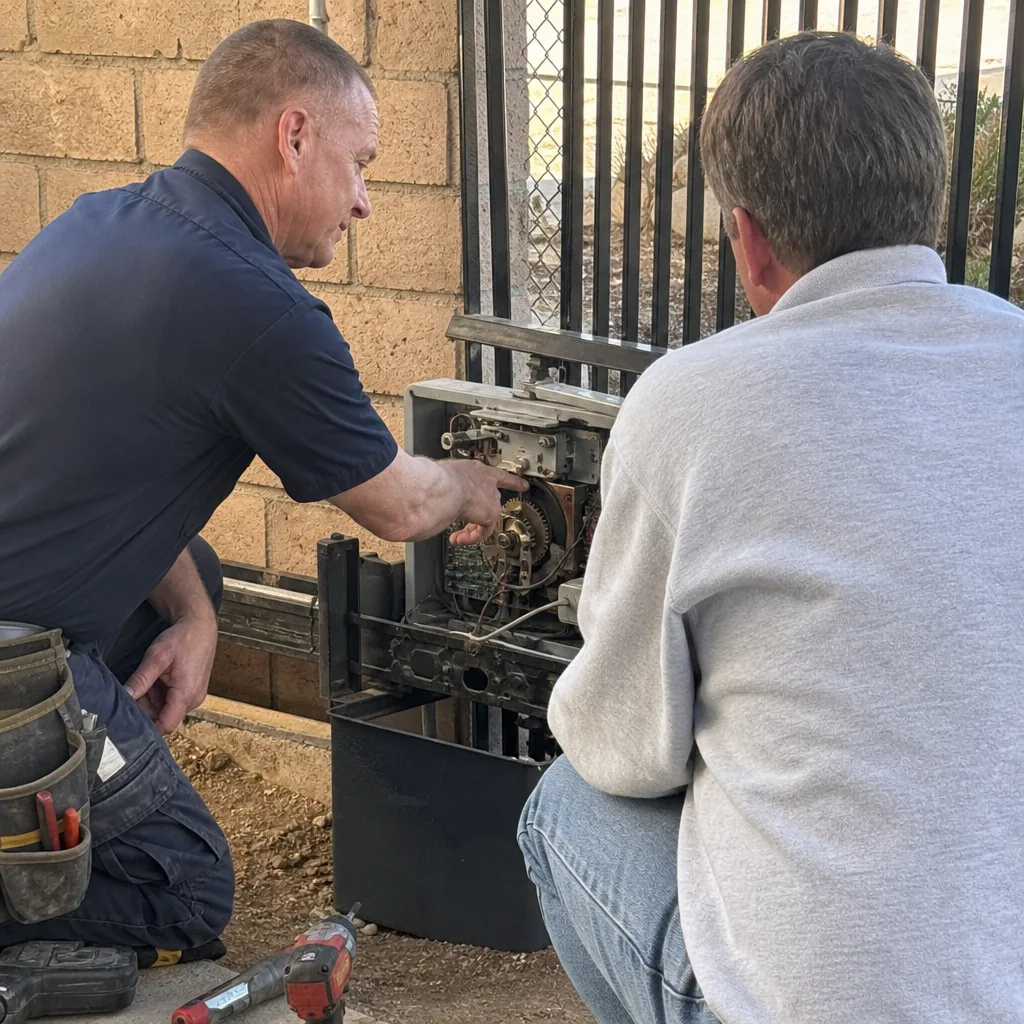
- May-June: pre-monsoon pass. Clean off old grease, apply dry lubricant to rollers, hinges, and rack teeth, wipe the photo-eyes, and inspect the hinge post for movement. Check the operator for heat damage and clear any debris from vents.
- Post-monsoon (October): post inspection. After the July-September flash-flood season, walk the gate by hand and check for binding. A gate that was plumb in June and binds in October usually has a post that shifted fractionally in saturated caliche soil. Catch it now and it’s a re-plumb; ignore it and it’s a new post.
- Cosmetic check every inspection. Look for chipped powder coat, visible rust, and a sagging hinge. In Enterprise’s CC&R-governed communities, any of those can generate an HOA violation notice even if the gate works fine.
- Test the safety reverse. With the gate closing, trip the photo-eye and confirm it reverses. If it doesn’t, stop using the gate and get it looked at.
Walk Away From Springs, Cables, and High-Tension Parts
One safety note we won’t skip. A gate with a torsion spring, a tension cable, or any stored-energy component is not a DIY job. Those parts hold enough force to cause serious injury, and a mistake there happens faster than you can react. Leave them to a trained professional. The maintenance above – lubrication, photo-eye cleaning, a visual post inspection – is safe and worth doing yourself. The moment the problem is inside the operator, the springs, or the wiring, stop and call.
How the HOA Angle Changes Your Maintenance List
Enterprise is a master-planned, HOA-heavy suburb, and nearly every driveway, community, and side-yard gate here falls under recorded CC&Rs that dictate style, color, and placement. That matters for maintenance because a gate can be fully functional and still draw a violation notice over chipped powder coat or a sagging hinge. Staying a step ahead of cosmetic upkeep keeps the association out of your driveway. It also means any repair has to match the approved iron or vinyl design, not just make the gate work. Because so many tract-home clusters went up fast in the 1990s-2000s, a single worn roller or misaligned sensor failure often shows up across a whole block of identical gates. If your neighbors’ gates look like yours, they probably share the same failure.
What a Maintenance-Tuned Repair Includes
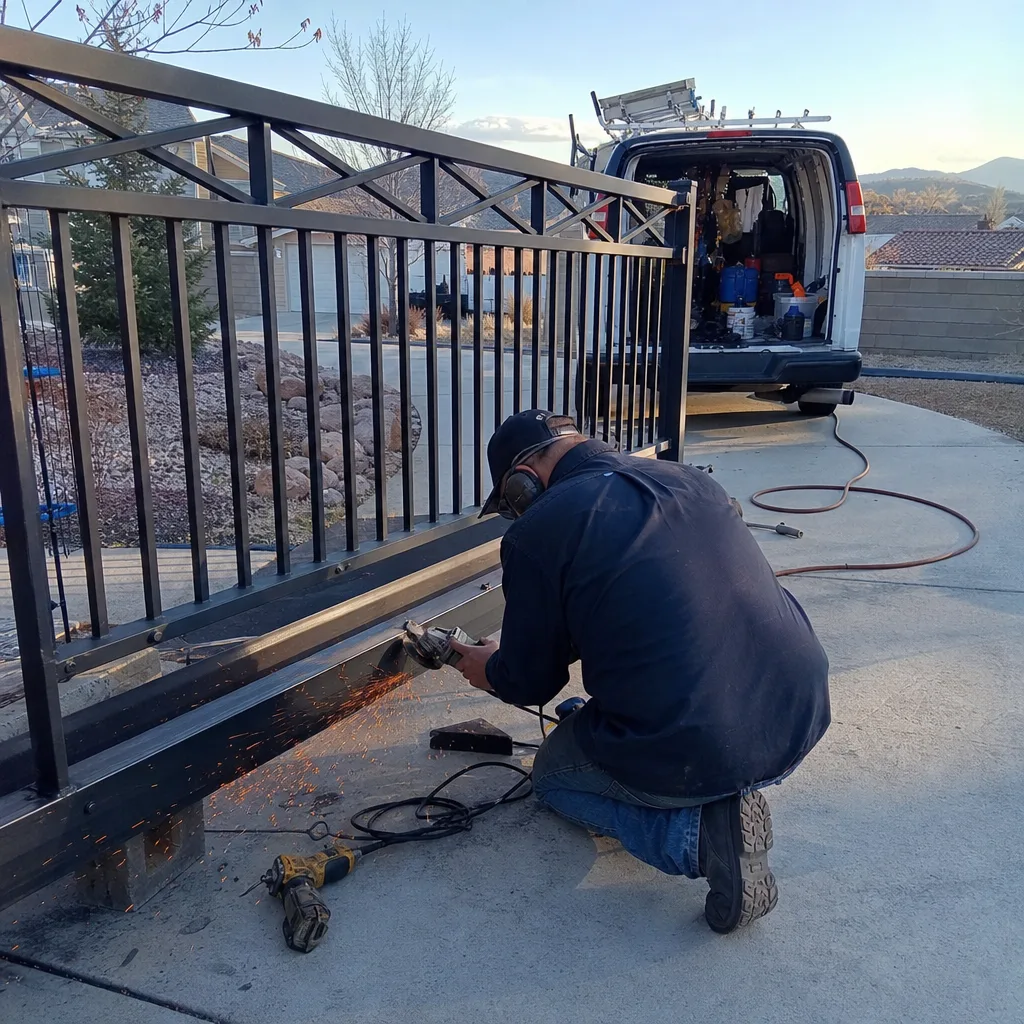
When Gatewood Fence & Gate Enterprise fixes a gate, the 90-Day Done Right Promise comes with a plain-language rundown of what maintenance keeps that specific repair sound. Not a generic handout – advice about the exact hinge, operator, or post we just worked on. That’s part of why we’re repair-first: we fix the gate in your driveway with on-site welding rather than hauling it off or swapping parts that don’t need swapping. A sagging gate sags at the hinge post, not in the middle, and that’s where we start. Fix the panel without the post and you’ll fix it twice. We’re certified to service nine major brands, including Viking, Ghost Controls, DoorKing, and Elite, so the advice matches the equipment you actually have.
Our technicians bring up to 25 years of experience, and a live person answers the phone whenever you call. Standing offers stay simple: $40 off any repair over $200, no trip charge inside the county, a free second opinion on any written estimate, and a permanent 10% discount for seniors and veterans.
FAQs
Every four to six months, using a dry PTFE or silicone spray on rollers, hinges, and rack teeth. In Enterprise’s Mojave climate, a lighter dry lubricant beats grease because petroleum products attract the fine silica dust that blows through the valley and turn into a grinding paste by late summer. Clean off any old grease first, then apply. If your gate is grinding even after fresh lubricant, call (833) 780-1547 for a look – the problem is likely a worn roller or bearing, not the lubricant.
A dirty or misaligned photo-eye is the most common cause in Enterprise. Dry desert static makes dust cling to sensor lenses, so a monthly wipe with a dry microfiber cloth – not a wet wipe – keeps the beam clear. Check the lens and the bracket alignment before anything else. If the eye is clean, aligned, and the gate still won’t close, the fault is usually in the operator or wiring, and that’s a call to (833) 780-1547.
A shifted gate post from monsoon-season soil movement is the likely answer. Flash-flood rain between July and September can saturate caliche-heavy soil enough to shift a post fractionally, which shows up as binding in October. Caught early, it’s a re-plumb; left alone, it becomes a new post. Call (833) 780-1547 and we’ll assess the post before it gets worse.
Yes – for a homeowner who follows a desert-tuned schedule, repair frequency typically drops roughly in half. The two biggest wins are switching to dry lubricant and cleaning the photo-eyes monthly, both of which prevent the wear and lockouts that lead to expensive calls. When a repair is needed, our Gate Repair in Enterprise service is built around fixing what’s there rather than replacing it. Call (833) 780-1547 for a free estimate.
If you’d rather have it looked at, Gatewood Fence & Gate Enterprise offers a no-pressure assessment in Enterprise – call (833) 780-1547. A live person answers around the clock, and the estimate is upfront.
Written by the team at Gatewood Fence & Gate Enterprise, serving Enterprise, NV.