
Last updated November 18, 2026
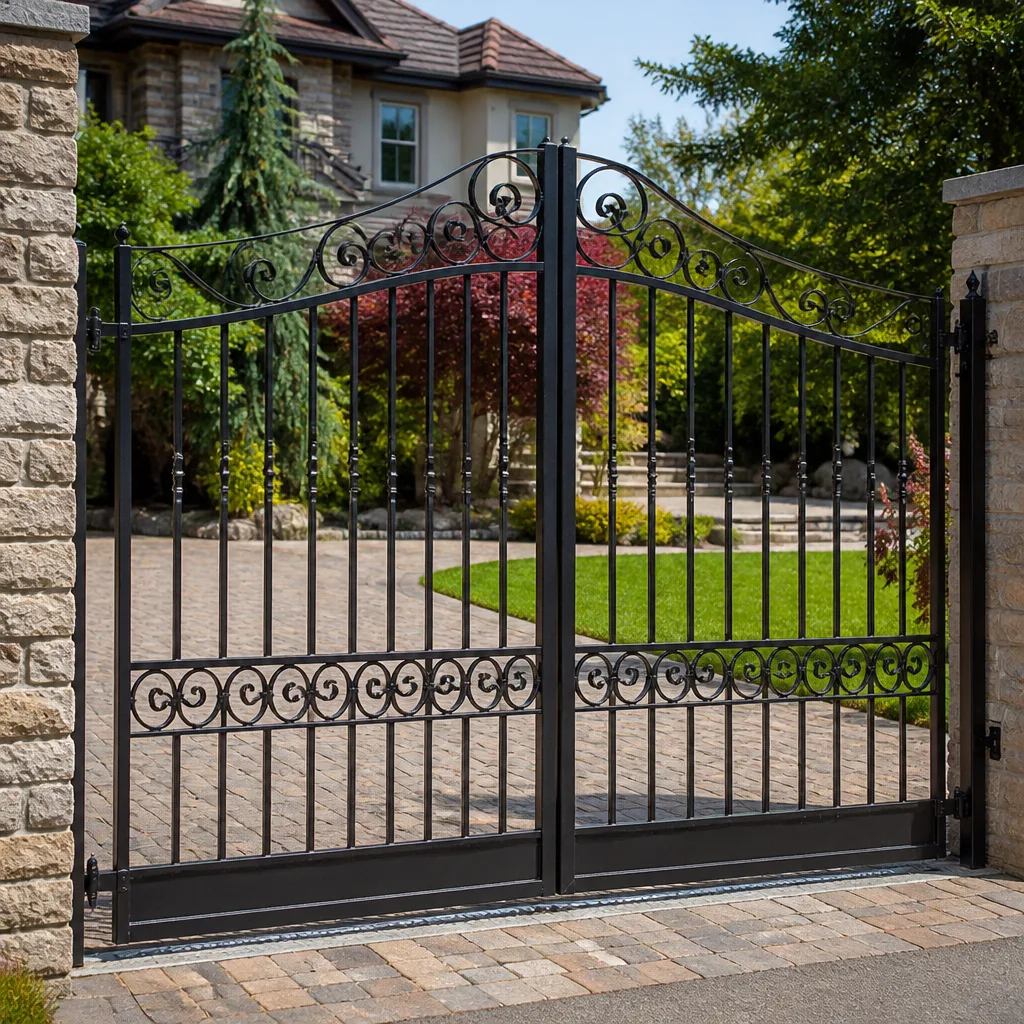 Wrought iron
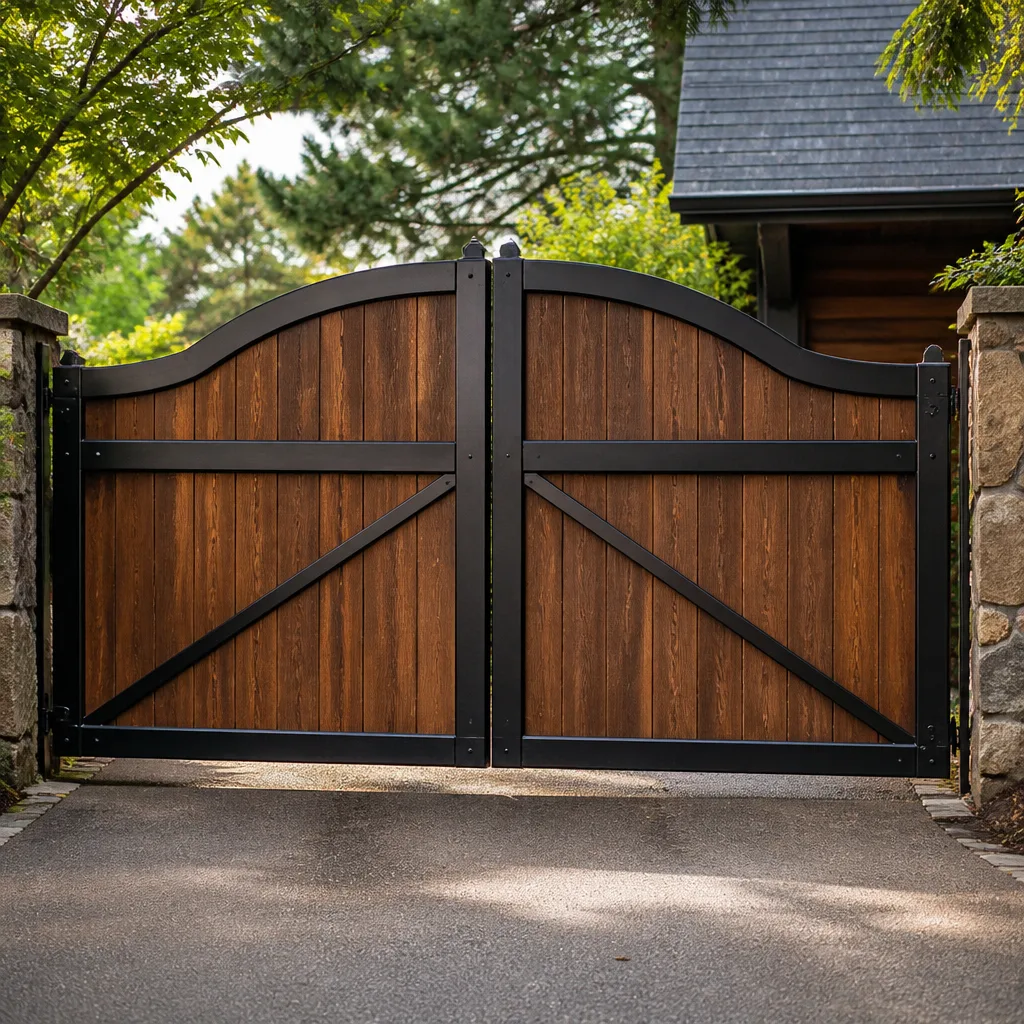 Wood & steel frame
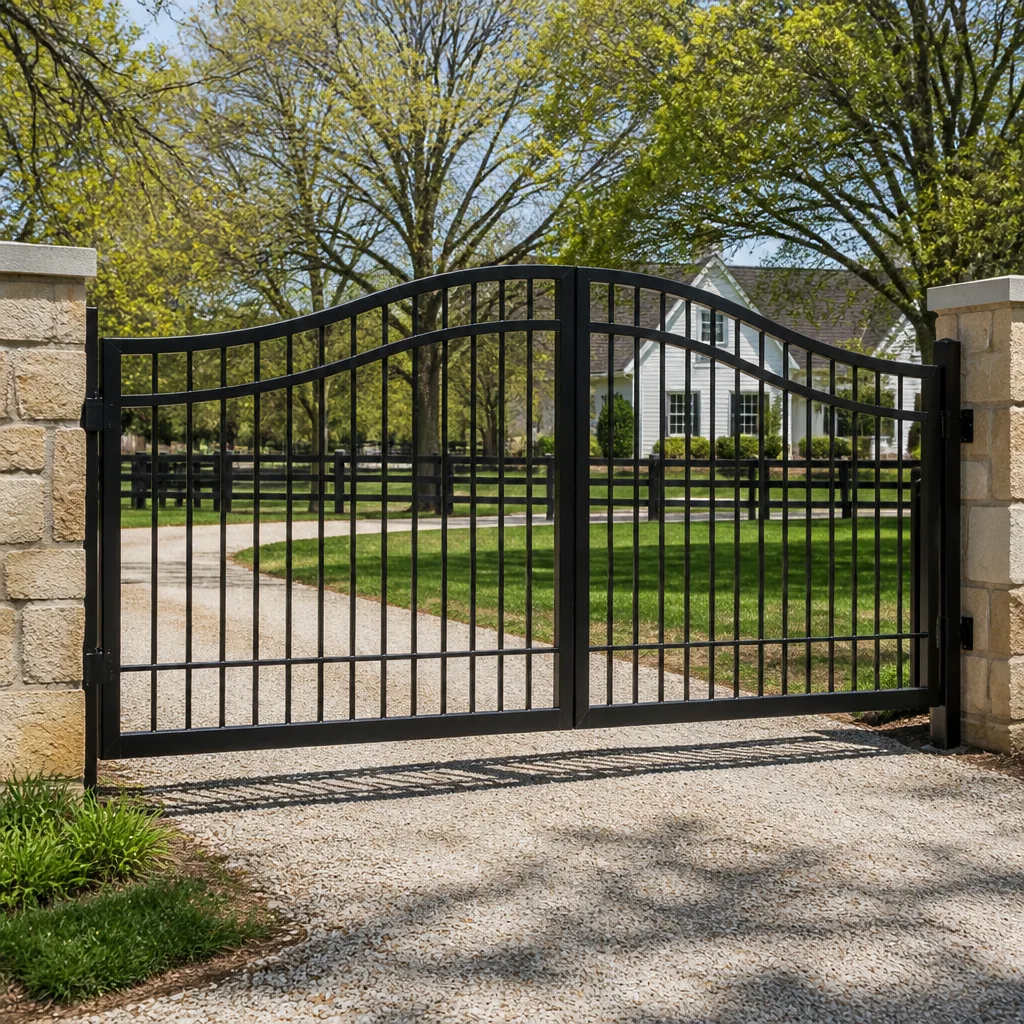 Farm & ranch
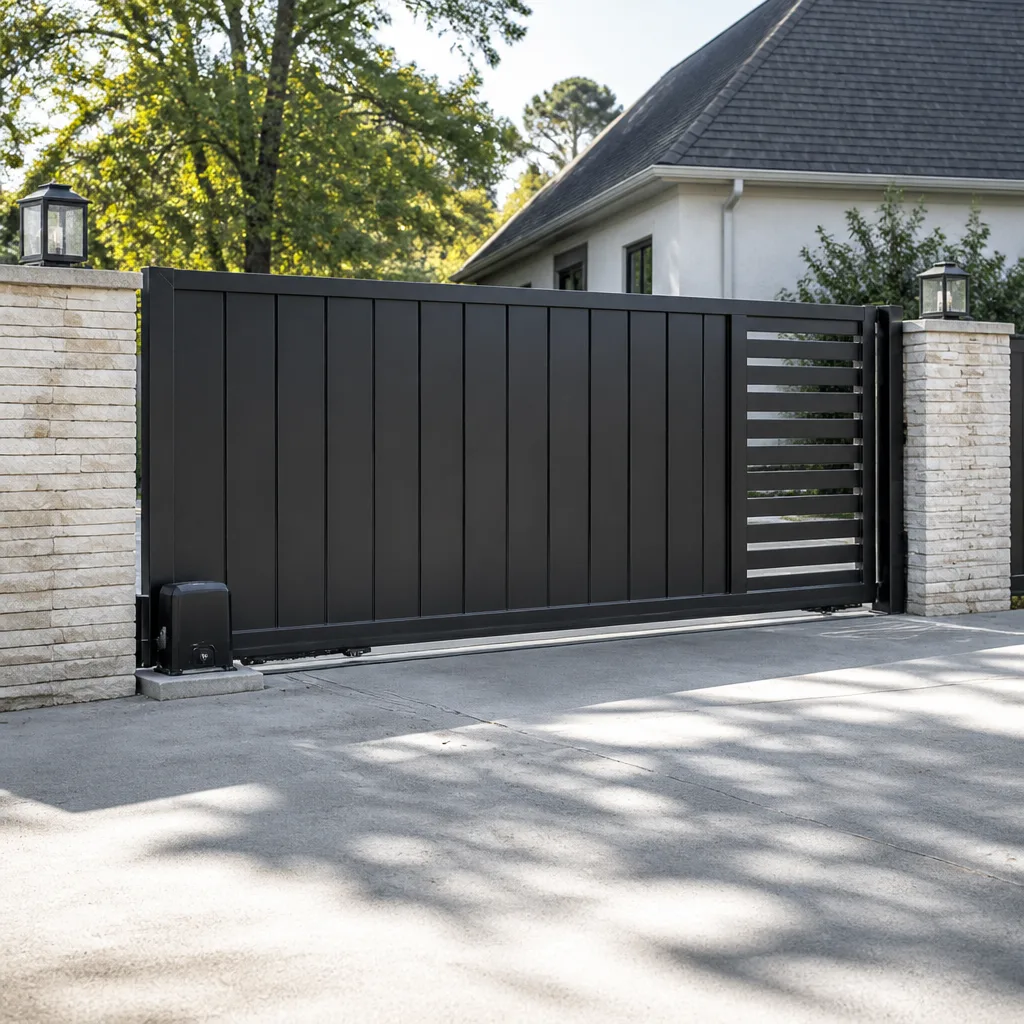 Sliding driveway gates
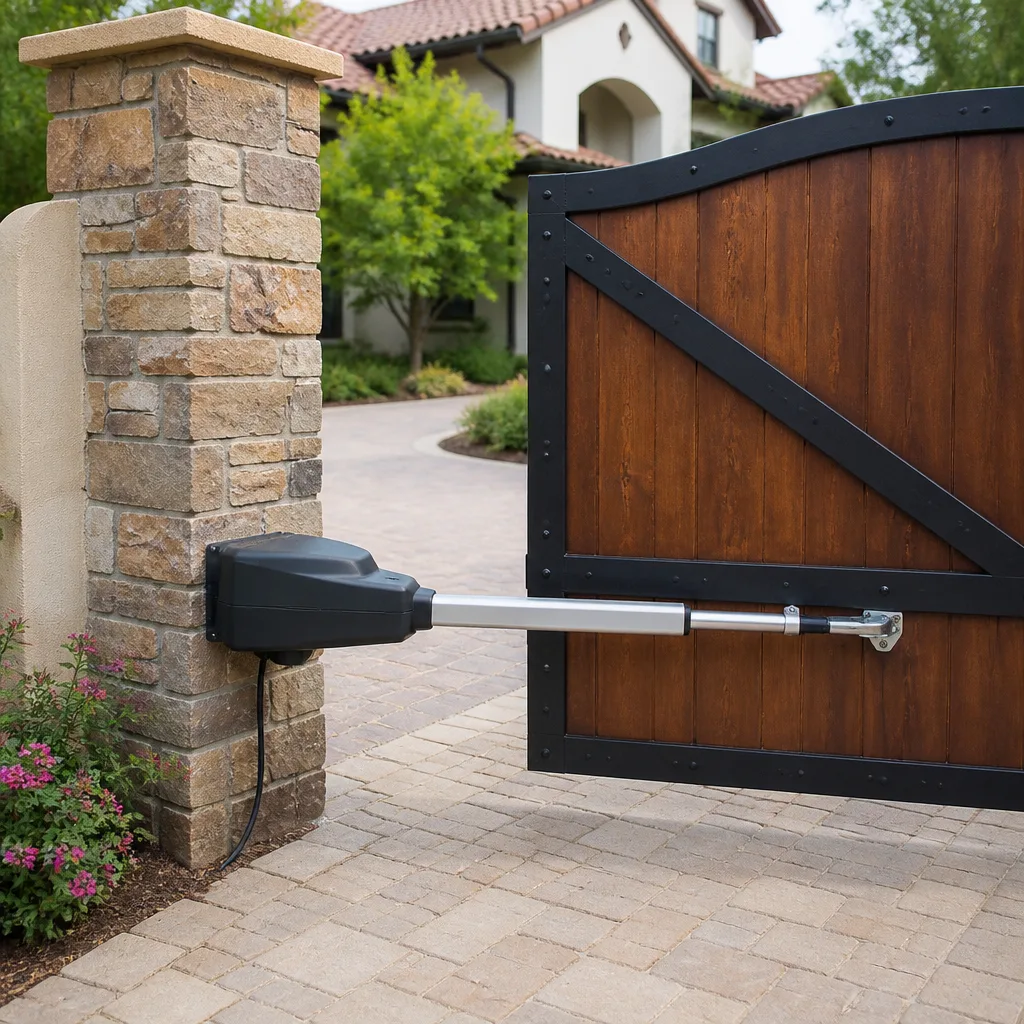 LiftMaster operators
Free on-site gate assessment - hinges, posts, and your LiftMaster or Nice gate operator checked before anything is quoted
The assessment is free and the quote is the invoice.
Get your free estimateChoosing the Right Gate Repair Brand: A Buyer’s Guide for Enterprise
That five-star review for a gate operator was probably written by somebody in a mild coastal climate where summers top out at 85 degrees. In Enterprise, the same unit bakes at 110 in the shade for weeks at a stretch, and the reviews never mention what that does to a control board. We’ve watched operators that get praised elsewhere become a monthly service call here, and brands nobody raves about hold up for a decade. The brand on the box matters less than most buyers think, and the gate itself matters more. Here’s what actually decides whether your gate opens reliably in Enterprise: how the operator handles desert heat, whether parts are on a shelf in Nevada, and whether the company working on it diagnoses before it sells.
Quick Answer
The best gate operator brand in Enterprise is the one whose parts you can get locally within days and whose service company knows that model inside out. Heat tolerance and Nevada parts availability matter more than the brand’s national reputation. Get the gate properly diagnosed and repaired first, then choose the operator brand that fits your gate’s weight, cycle count, and the desert climate around it.
Styles & brands we work with
- Wrought iron
- Wood & steel frame
- Farm & ranch
- Sliding driveway gates
- LiftMaster operators
Table of Contents
- How does extreme heat kill a gate operator, brand by brand?
- Why parts availability in Nevada matters as much as the brand
- Residential vs commercial duty: when does a homeowner need the heavier rating?
- You inherited an operator. Service it or convert it?
- Why the brand decision comes after the diagnosis, not before
- How to vet a gate repair company in Enterprise
- A step-by-step brand and repair checklist
- Common mistakes to avoid
Before any of this, if your gate is stuck, dragging, or slamming shut on its own, start with our gate repair in Enterprise page. The brand conversation is a lot easier once the gate moves right again.
How does extreme heat kill a gate operator, brand by brand?
Heat does two things to a gate operator, and it does them at different speeds depending on the brand. First it cooks the electronics. The control board lives in a metal box out in full sun, and in Enterprise that box can sit near 160 degrees on an August afternoon. Electrolytic capacitors on cheaper boards dry out and fail. Solder joints crack. A board that would last twelve years on the coast can quit here in five or six.
Second, heat punishes the motor windings. A motor running hot has less margin before its thermal overload trips, and operators that are rated close to their limit on paper start stalling mid-cycle. What we see most often in Enterprise:
- Undersized motors on heavy gates trip thermal overload by early afternoon and recover overnight, so the gate “works in the morning” and quits by 2 p.m. Customers tell us the gate has a mind of its own, and the truth is simpler than that: it’s heat.
- Plastic-housed control boxes with no venting or shade fail before the motor does. Adding a simple sun shade over the box has rescued more operators in Enterprise than most people would guess.
- Battery backup units on older models swell and leak in summer heat, which corrodes the board underneath. That’s a common failure we find on service calls in the older neighborhoods off Windmill and in the rural county lots where the gate box has no shade at all.
- Limit switches and encoder components drift as metal expands, so gates that were set perfectly in January “forget” their open position by July.
Brand matters here because boards, capacitors, and motor sizing are brand-specific. Some operators run cooler by design and some don’t. The best thing you can do is have your operator serviced and inspected before summer, not during it.
Why parts availability in Nevada matters as much as the brand
Here’s the test that separates a good brand from a good brand for you: when the control board fails at 6 p.m. on a Friday, how fast can it be in your hand? A famous brand with a three-week lead time on parts is a genuine problem the moment your gate is stuck open. Gates that stay stuck open in Enterprise don’t just sit there. They let the dog out and let everything else in.
What we watch for when a customer asks which brand to buy or keep:
- Dealer and distributor reach. Does the brand have distributors that stock the high-failure parts (boards, harnesses, rollers) within a day or two of Enterprise, or is every part a special order from out of state?
- Common parts across the line. Brands that reuse the same board or motor across several models are easier to keep running. Brands that change part numbers every few years are a headache at year eight.
- Support you can actually call. We can get a tech on the phone with several manufacturers and get a straight answer about a symptom in ten minutes. That back-and-forth is what saves you a service call.
- Accessory and replacement availability. Keypads, safety edges, and remote receivers for legacy models are the pieces that strand a gate. Some brands support these for years; some stop making them and leave you hunting.
Brands like Viking and Ghost Controls are generally easy to get parts for, which is one reason we see them on a lot of solar gate installs in Enterprise and why we’re certified to service them. If you’re weighing brand reliability against a system you already own, our gate motor & opener in Enterprise page walks through the operator side of the equation.
Residential vs commercial duty: when does a homeowner need the heavier rating?
Residential-duty operators are built for a handful of cycles a day and a lighter gate. Commercial-duty operators cost more, use heavier gearing and larger motors, and are rated for high cycle counts and heavier panels. Most homeowners in Enterprise don’t need commercial duty. Some do, and the ones who do are usually the ones burning through residential units every few years.
Two numbers decide it: gate weight and cycles per day. A single-car driveway gate on a rural property that opens twice a day is a light-duty life. A wide double gate on a busy household where three cars pull in and out, plus the school-run gate that gets opened every time the family comes and goes, is a very different workload, especially on a gate that weighs 800 pounds plus.
As a rule of thumb we use on service calls:
- Up to roughly 12 feet, one panel, light steel or aluminum, under about 400 pounds: residential duty is fine if the gate swings and latches smoothly.
- Wide double gates, heavy ornamental iron, or gates on a long rural drive that catch wind: commercial-duty gearing is worth the money. Wind load on a big panel in open desert country is real, and a residential motor fighting wind is a motor that runs hot.
- Gates used 15 or more times a day, or on a shared drive with several households: step up. Cycle count adds up faster than people expect, and it’s usually a bigger factor than gate weight alone.
If you’re undecided, have the gate measured and weighed and let an experienced tech help you match the operator to the actual load. We’ll point you at the right one without selling you commercial gearing you don’t need. You can also look at our gate installation in Enterprise page if you’re starting from scratch on a new gate.
You inherited an operator. Service it or convert it?
Buying a home in Enterprise that already has a gate operator changes the question. You’re not choosing a brand; you’re deciding whether the brand you inherited is worth keeping. Start by finding out what you actually have and whether it’s still supported, then decide. Here’s the order we’d follow:
- Identify the make and model. Find the sticker on the operator housing or the motor unit. Write down the model number. That tells you the duty rating, the age, and whether the brand still makes parts.
- Check support. A ten-year-old operator from a brand that still makes the board is a keeper. A unit from a brand that discontinued the board three years ago is a gamble you don’t want to take with the gate stuck open.
- Get it serviced before anything fails. A service call on the operator, the hinge posts, and the travel limits in spring catches heat problems before July. Cleaning vents, replacing a swollen battery, and re-setting the limits is cheap insurance in this climate.
- Weigh the conversion only when repair stops making sense. If parts are genuinely unavailable or the unit is undersized for the gate, a conversion to a supported brand makes sense. Otherwise a repair-first approach typically costs less than a new unit and keeps things simple.
One thing we see often: the previous owner left a gate that hasn’t been serviced in years, the motor runs hot and the hinge post is loose, and the buyer assumes the operator is dying. Sometimes it is. Sometimes the gate has been fighting a sagging post and the operator has been doing the work of the gate. Diagnose the gate before you condemn the operator. If you’re mainly after a repair, Gatewood Fence & Gate Enterprise home will point you toward the right page.
Why the brand decision comes after the diagnosis, not before
A gate that won’t close is not automatically a motor problem. More often it’s a hinge post that has worked loose in the ground, a panel out of square, a roller that binds, or a ground slope that has changed over the years. Put a new operator on that gate and the new operator will eventually start complaining about it, and it’ll look like a brand failure when it’s actually a gate failure. A gate sags in the hinge post, not in the middle. That’s where the diagnosis starts.
The sequence that actually works, and the one we use on every service call in Enterprise:
- Look at the gate first. Check the hinge posts for movement in the ground, the panel for square, the hinges for binding, the rollers for wear, and the latch for alignment.
- Fix the mechanical problems. Reset the post, weld the hinge, true the panel, and get the gate swinging and latching with two fingers.
- Then look at the operator. Once the gate is free, you can tell whether the motor is weak or the gate was just fighting it. Most of the time it was the gate.
- Only then talk about brands. If the operator needs replacing, match the brand to the gate’s measured weight and cycle count and to what parts can be sourced quickly in Nevada.
When a company leads with brand upsell before it has diagnosed the gate, hold onto your wallet. That’s a sales pitch, not a repair plan. We weld on site and fix the gate in your driveway for exactly this reason. It’s easier to sell you a new operator. It’s often not what your gate needs.
How to vet a gate repair company in Enterprise
Brand is one variable. The company you hire is the bigger one. In a small-town and rural market, the gate company is either a name you’ll see again at the co-op or a company that overlives its welcome by next spring. Here’s what to check before you let anyone touch your gate:
- A published address and license number. You should be able to look them up. If the company’s name is on the shop and the shop is down the road, accountability is simple and old-fashioned.
- A real person answers the phone. Not a voicemail box, not a scheduling queue three states away, not a chatbot. If you call at 9 p.m. and a live person picks up, that’s a company that actually runs the business from the phone.
- They repair before they replace. Ask what they diagnosed and whether the answer involves repairing the existing gate and operator. A company that can weld a hinge on site is not trying to sell you a new gate.
- Written pricing before work starts. The quote should be agreed in writing and the price on the invoice should match it. No surprise line items at the door, ever.
- Brands they’re certified to service. Ask which brands they know and stock parts for. If your gate is a Viking, a Ghost Controls, or an older Elite, the company should recognize it and know the failure points.
- A guarantee in writing. Ours is the 90-Day Done Right Promise, stated plainly on every job: if it’s not done right, we come back and make it right.
One more useful test: ask for a second opinion on a written estimate you’ve already received. A company that’s confident in its work will give you that opinion free, and it’s a fair way to check whether the first quote is priced in reality. We’re glad to do that in Enterprise and the surrounding county, and there’s no trip charge inside the county.
A step-by-step brand and repair checklist
If you want one page you can actually take to the gate with you, start here. Work top to bottom:
- Get the gate moving right first. Fix the hinge post, panel, hinges, rollers, and latch so the gate swings and latches with two fingers and won’t move on its own.
- Identify your current operator. Make, model, age, and duty rating. Confirm whether the brand still supports the model and makes parts for it.
- Measure and weigh the gate. Panel width, gate weight, and how many times a day it actually opens. These three numbers decide residential versus commercial duty.
- Check the heat exposure. Is the control box in full sun? Is the motor rated for the summer temperatures in Enterprise? Can the box be shaded or vented?
- Check parts availability before buying. If the brand needs a special order for a board or motor, find out the lead time now, not when the gate is stuck open.
- Get the diagnosis and the price in writing. The written quote should name the model, the brand, the parts, and the total. The price is agreed before any work starts.
- Ask about support and the guarantee. Who do you call if it acts up next month, and what does that call cost? Ours is one call and we come back out.
- Get a free second opinion if you have any doubt. A confident company won’t mind.
Common Mistakes to Avoid
- Buying the operator before diagnosing the gate. The gate is usually the problem, not the motor. Replacing the motor on a sagging gate wastes money and the new motor inherits the old struggle.
- Trusting brand reviews from the coast. A gate operator that earns praise in a mild climate can fail in Enterprise heat. Ask about local performance, not national reviews.
- Ignoring parts lead times. A great brand with a three-week part lead time leaves your gate open every night. Find out how fast the high-failure parts can reach you before you buy.
- Buying commercial duty when you don’t need it. Match the operator to the gate weight and cycles per day. Overbuying is a bill, not a guarantee.
- Keeping an operator the manufacturer no longer supports. Discontinued boards and motors trap you. A service call now is cheaper than a stranded gate in June.
- Letting a company lead with a brand pitch. A brand upsell before a diagnosis is a sales visit, not a repair visit. Watch for it.
- Skipping the written price. If the number on the invoice can drift from the quote, you’re exposed. Get it in writing and hold the company to it. We agree the price before any work starts on every job in Enterprise, and then we don’t move it.
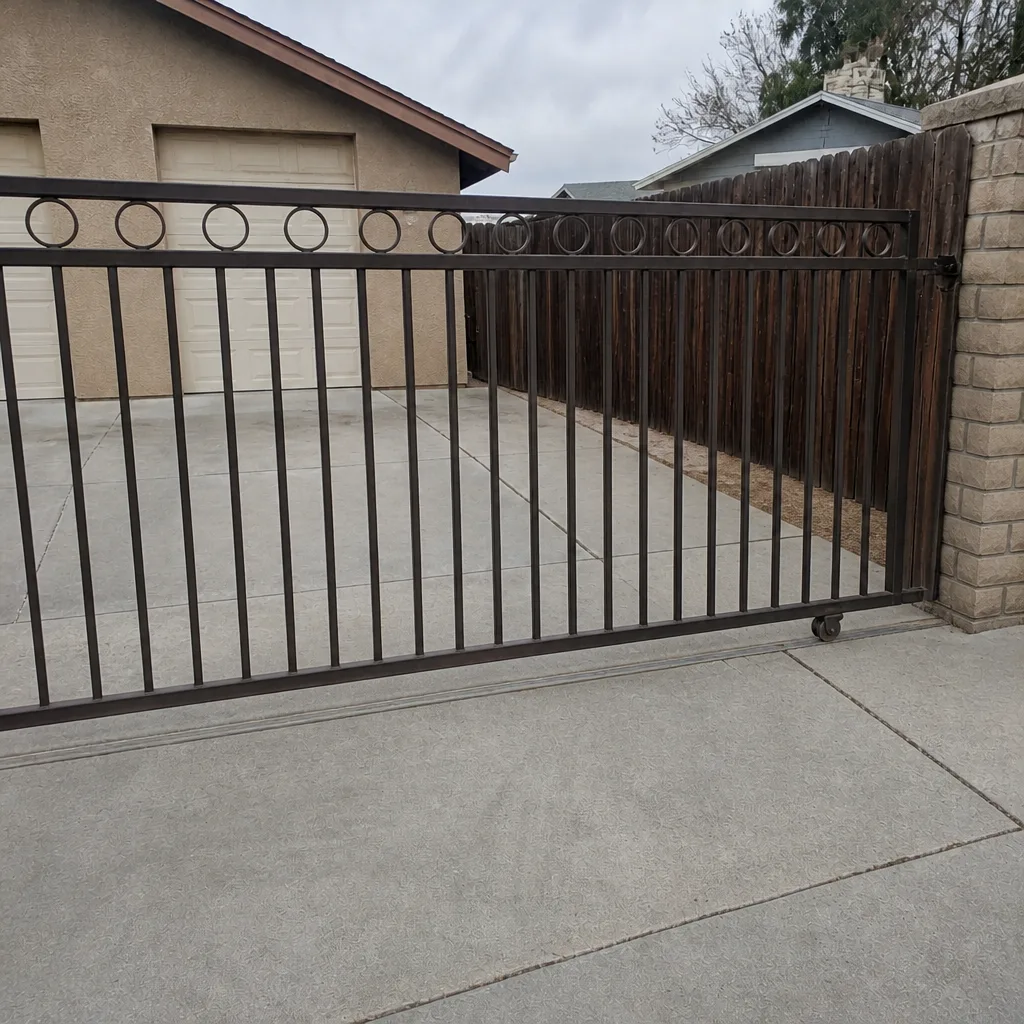
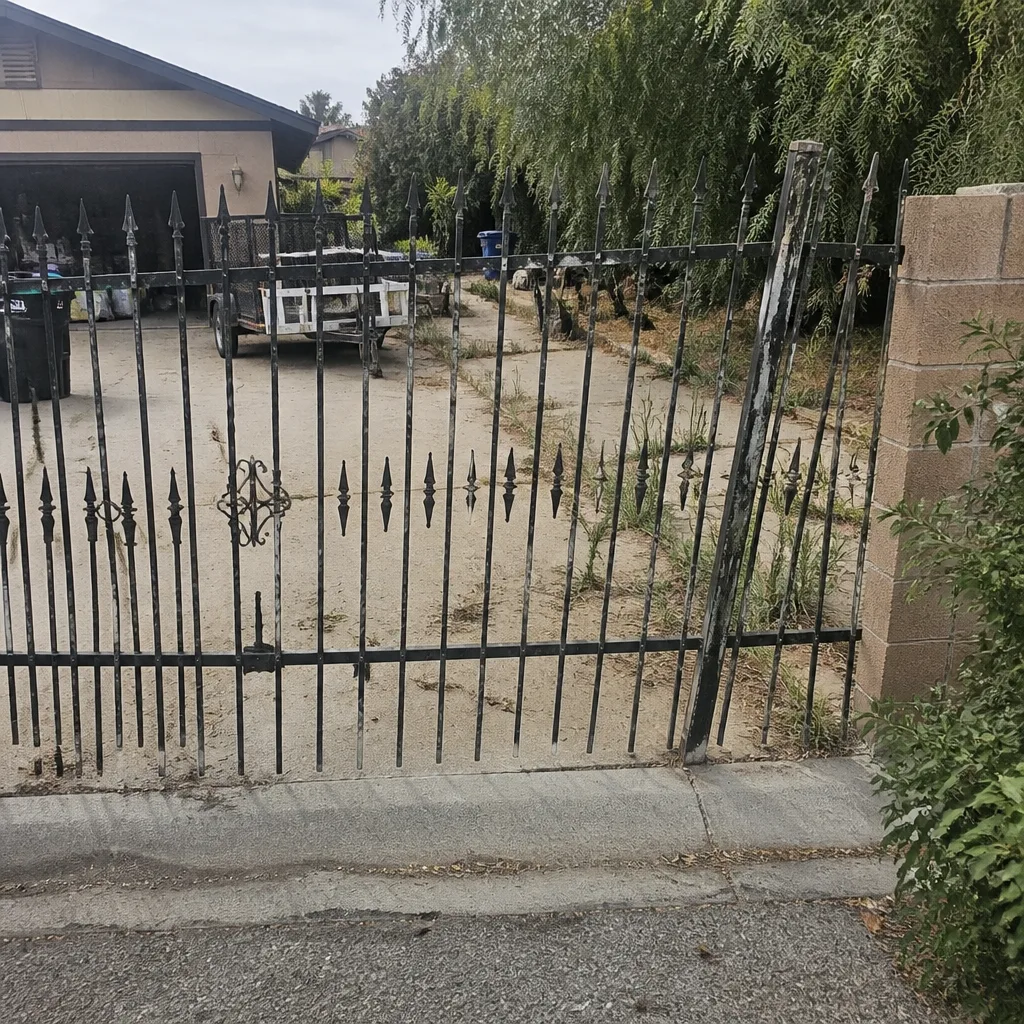
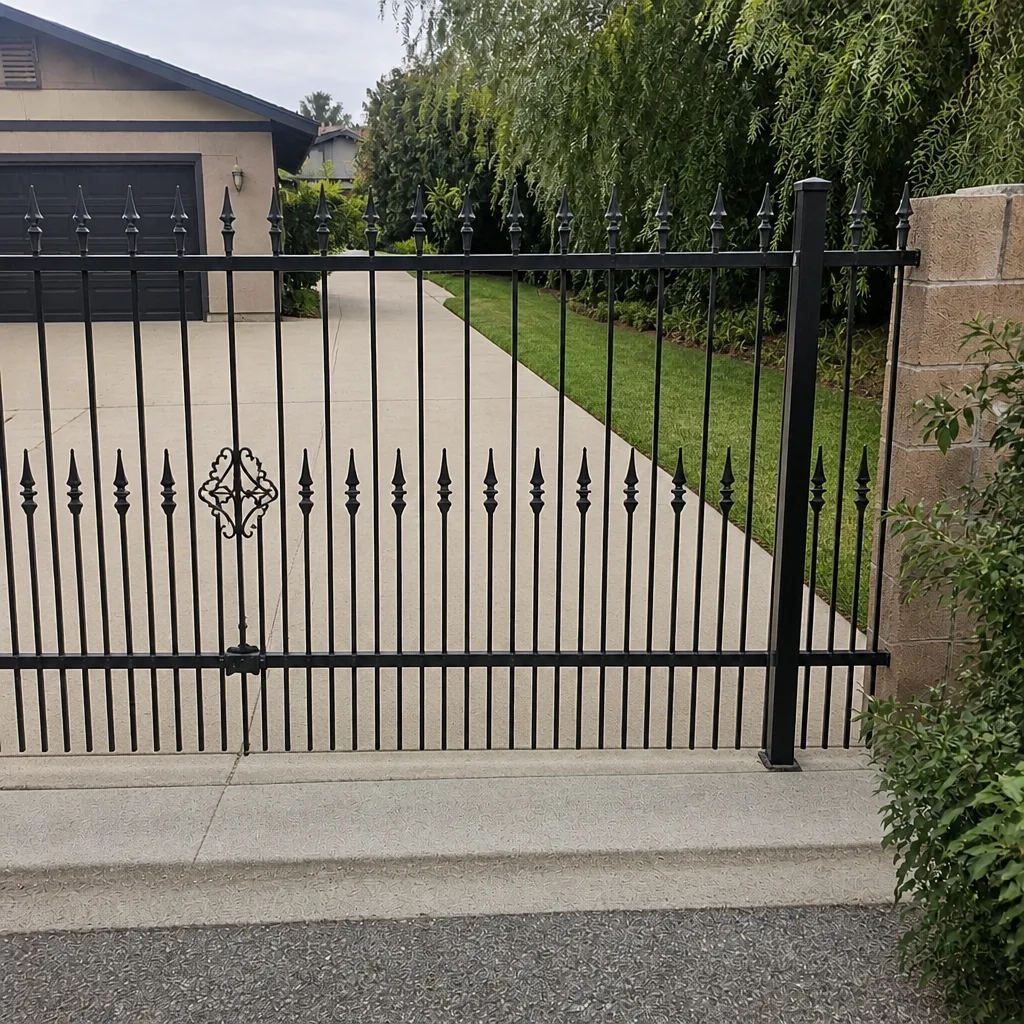
See the difference
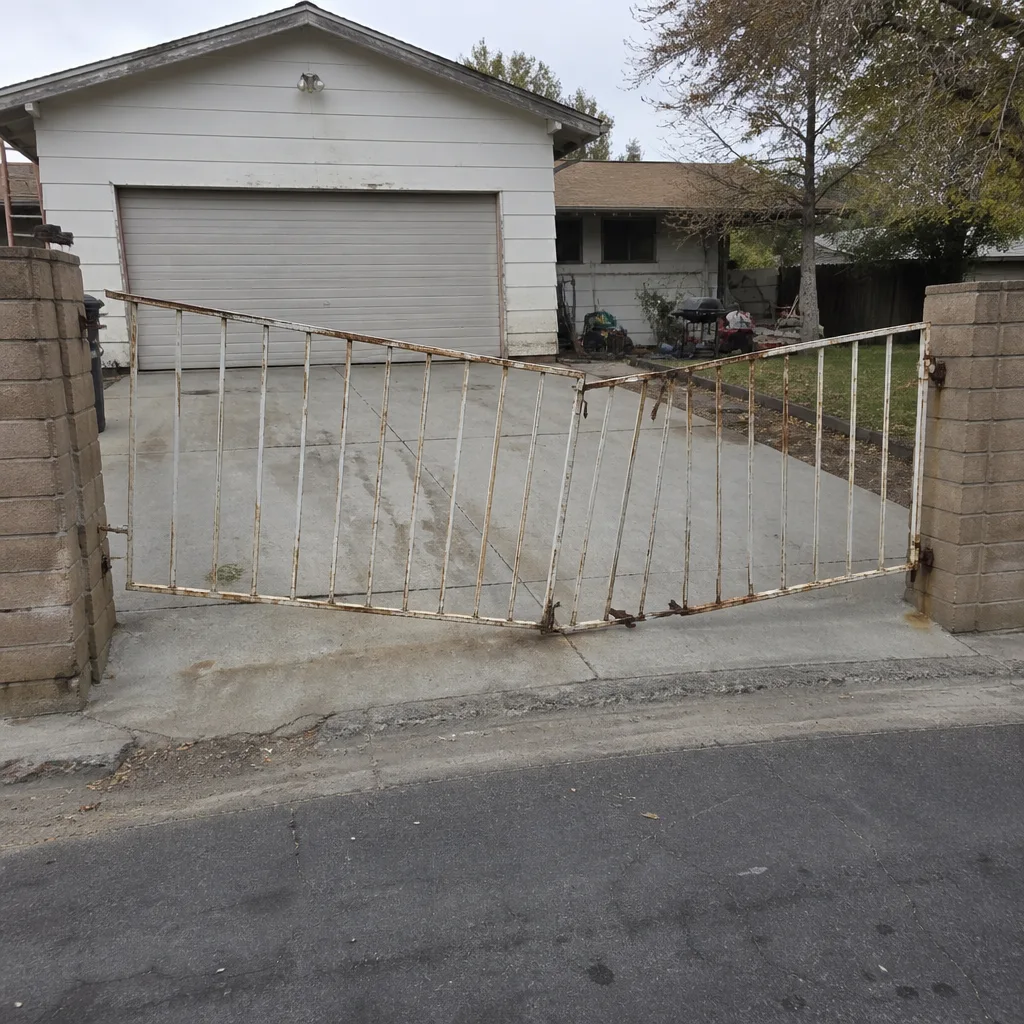 Before
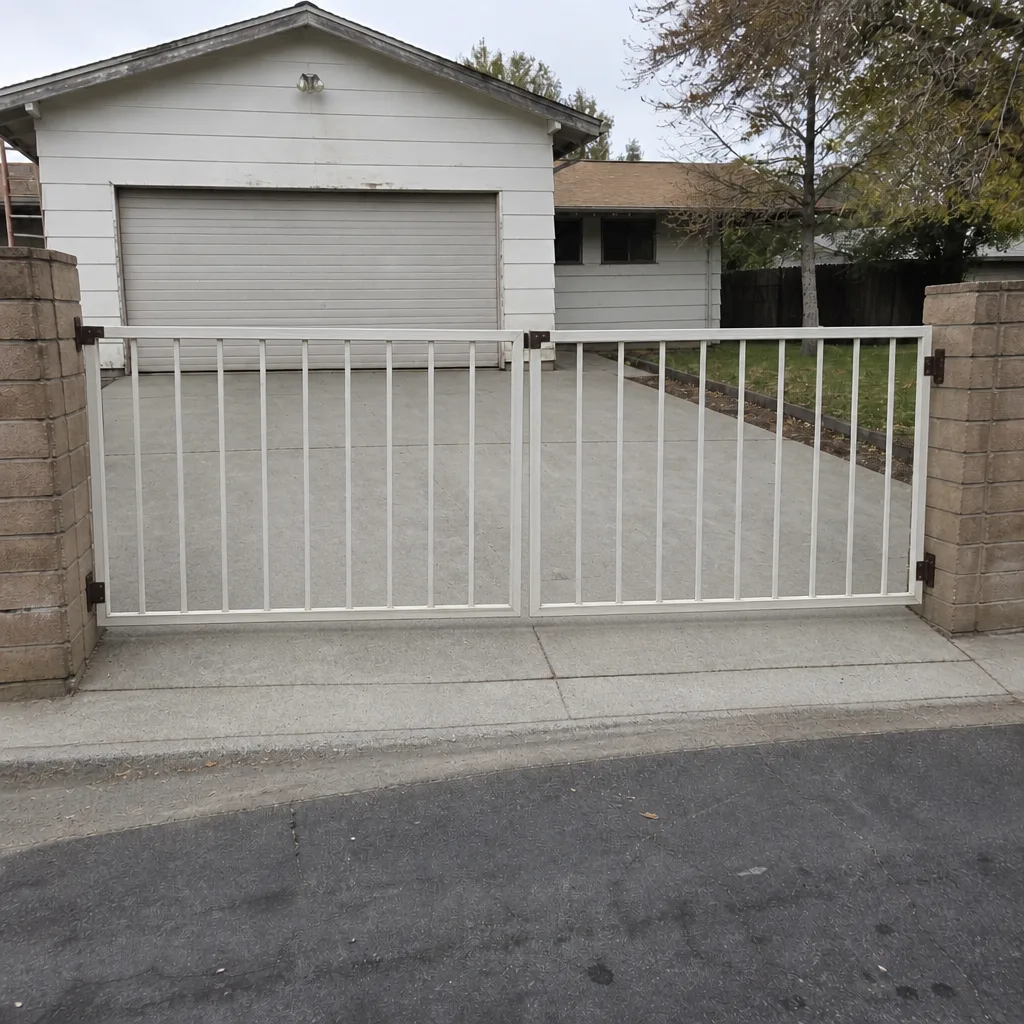 After
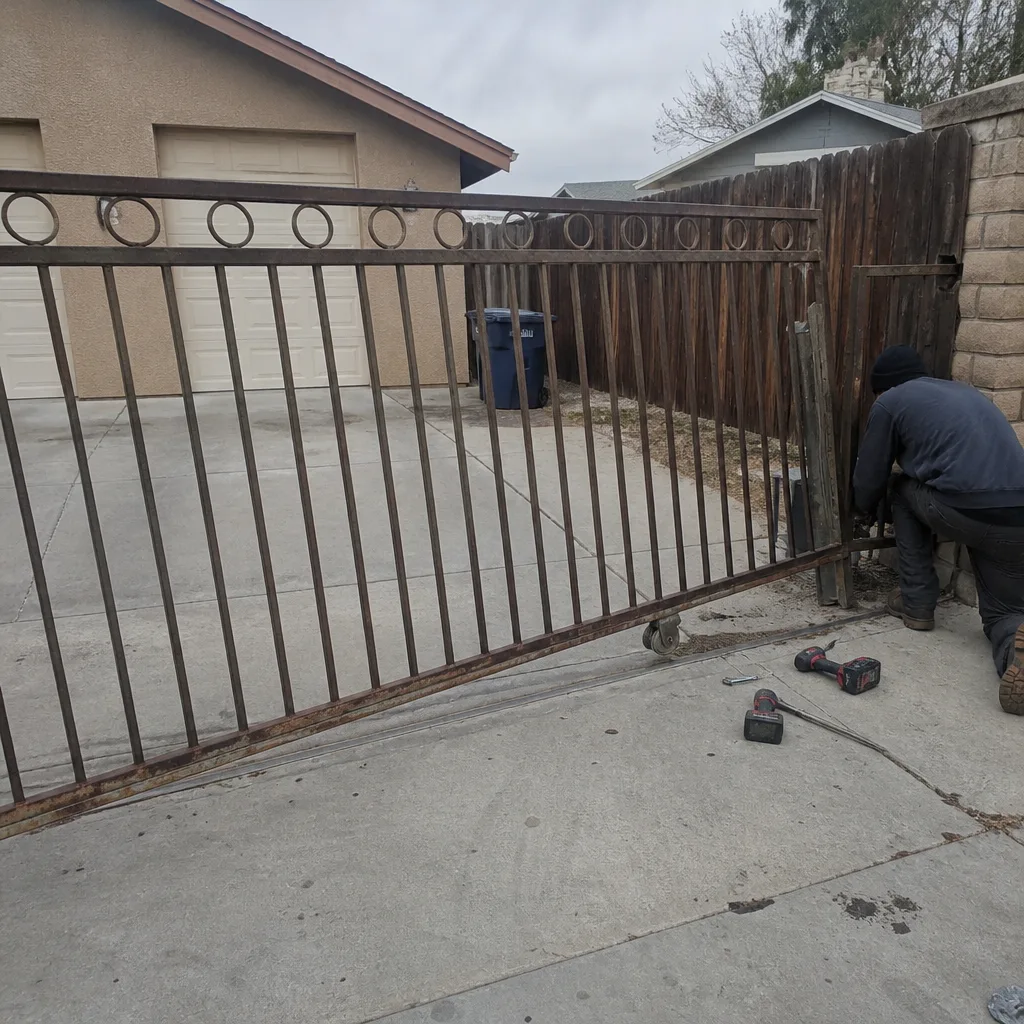 Before
 After
 Before
 After
When to Call a Professional
Call now, not later, if a hinge post has worked loose in the ground, the gate drags or slams, the operator keeps tripping thermal overload by afternoon, or the control board got wet and the gate won’t respond to the remote. Any of these can leave the gate stuck open overnight, and in a rural Enterprise county lot that’s more than inconvenient. A gate motor and opener is also not a DIY repair: the motor, capacitor, and control board carry real current, and a gate under tension can swing or fall with enough force to hurt someone. This is a live-electrical, moving-metal job, and it’s worth having a trained professional do it. Gatewood Fence & Gate Enterprise offers free estimates in Enterprise, a free second opinion on any written estimate, and no trip charge inside the county. Call (833) 780-1547 and a live person will answer, day or night.
Frequently Asked Questions
The best brand is the one with parts you can get locally within days and a service company that knows the model’s heat failures. There’s no single winner for every gate. A brand that’s easy to support in Nevada and runs cool in the summer heat is a better pick than a more famous brand with a three-week parts lead time.
Repair it first if the brand still supports the model and the parts are available. Most operator complaints in Enterprise trace back to a sagging gate, loose hinge post, or a hot control box, not a dead motor. Only convert to a new brand when parts are genuinely unavailable or the unit is undersized for the gate.
You need commercial duty if the gate is heavy (a wide ornamental-iron double gate), catches a lot of wind, or opens 15 or more times a day. For a lighter single-panel gate on a quiet drive, residential duty is fine. Match the duty rating to your actual gate weight and cycle count.
That pattern usually means the motor is tripping thermal overload in the summer heat and recovering overnight. It’s common in Enterprise when an operator is undersized, the control box sits in full sun, or the gate has been dragging on a loose post. A service call in spring can catch it before it strands the gate.
Yes. We’re certified to service nine major brands, including LiftMaster, FAAC, BFT, Linear, Viking, Ghost Controls, DoorKing, Elite, and Mighty Mule. Viking and Ghost Controls are common on solar gates in this area, and we can diagnose an older Elite or DoorKing if the model is still supported. Call (833) 780-1547 and we’ll tell you what we can do.
It depends on the gate and what’s actually wrong, so we don’t quote a number before we’ve had a look. The price is quoted and agreed in writing before any work starts, and the invoice matches the quote. Estimates are free, we offer $40 off any repair over $200, no trip charge inside the county, and a permanent 10% discount for seniors and veterans. Call (833) 780-1547 for an exact quote.
The Bottom Line
The brand on your gate operator matters less than whether it’s properly matched to the gate, whether its parts are available in Nevada, and whether the company working on it diagnoses the gate before selling you a new one. In Enterprise, the heat is the great equalizer: an operator that runs cool and has parts on a nearby shelf will outlast a famous brand with a three-week lead time. Get the gate moving right, learn what your operator is and whether it’s still supported, then choose the brand with heat and parts in mind. Gatewood Fence & Gate Enterprise has been at this since 2001, and the name is on the shop down the road where you can look us in the eye. Call (833) 780-1547 for a free estimate and a straight answer.
Written by the team at Gatewood Fence & Gate Enterprise.