
Last updated November 18, 2026
 Wrought iron
 Wood & steel frame
 Farm & ranch
 Sliding driveway gates
 LiftMaster operators
Free on-site gate assessment - hinges, posts, and your LiftMaster or Nice gate operator checked before anything is quoted
The assessment is free and the quote is the invoice.
Get your free estimateGate Repair Permits, Codes & Inspections in NV: What You Need to Know
Hal has watched homeowners get surprised at closing when an unpermitted gate motor installation flagged on a title search. The gate itself was fine. The paperwork wasn’t. What should have been a $300 electrical sign-off turned into a scramble that delayed the sale and cost ten times more to fix retroactively than it would have cost to handle right the first time. Here in Enterprise and across Clark County, most routine gate repairs don’t need a permit at all. But the exceptions are specific enough that getting this wrong can complicate a home sale, trip up an insurance claim, or draw a stop-work order. This guide walks you through where the permit line actually sits, how HOA rules stack on top of county code, and how to check inspection history on a gate you didn’t install.
Quick Answer
In Nevada and Clark County, routine gate repair (fixing a hinge, welding a sag, replacing a latch or a worn spring) does not require a permit. What does require a permit is anything that changes the structure: a new gate, a significant alteration, or a motor operator installation, which typically needs an electrical permit separate from any gate or fence permit. When in doubt, call the county before you build, not after.
Styles & brands we work with
- Wrought iron
- Wood & steel frame
- Farm & ranch
- Sliding driveway gates
- LiftMaster operators
Table of Contents
- Where the Permit Line Really Sits in Nevada
- Repair vs. Alteration: The Scope Question
- When an Operator Installation Needs an Electrical Permit
- HOA Rules in Enterprise-Area Developments
- How to Verify Inspection History on a Gate You Didn’t Install
- What “Asking Forgiveness” Actually Costs
- Common Mistakes to Avoid
Where the Permit Line Really Sits in Nevada
Here’s the plain-English version. A repair keeps the gate. An alteration changes it. That’s the dividing line most homeowners trip over, and it’s the one that matters most in Clark County.
A repair is the kind of work we do every week in Enterprise: a hinge post that has sagged, a weld that failed, a latch that no longer catches, a spring that snapped. None of that moves the gate to a new location or changes its footprint. You don’t need a permit to fix a gate that’s already there, and the county isn’t interested in the paperwork for it.
The scope of work that crosses into alteration is narrower than people fear but broader than some contractors admit:
- New gate construction – a gate that didn’t exist before. Permit required.
- Relocating an existing gate – even if you reuse the same panel. Permit required.
- Changing the height or width significantly – this affects wind load and code compliance. Permit required.
- Adding an automated operator – this is the big one, and we’ll cover it in a section of its own.
- Structural changes to the supporting post or footing – permit may be required depending on scope.
What does not typically require a permit: repairing existing hardware, re-welding a joint, replacing a worn latch, adjusting a sag, or swapping a motor that already has a permitted installation. If you’re on the fence (pun intended), a quick call to Clark County before the work starts settles it. It takes five minutes and saves the kind of headache that shows up at closing.
Repair vs. Alteration: The Scope Question
The scope question is where homeowners get tripped up, because “alteration” isn’t always obvious. Here’s how to think about it.
Ask yourself: after the work is done, would a county inspector looking at a satellite photo see something different? If the gate is in the same place, the same size, the same height, and connected to the same post, it’s a repair. If it’s in a new spot, a new size, a new height, or swinging a different direction, it’s an alteration.
There’s a middle zone, and it matters:
- Full tear-out and rebuild in the same location. Usually treated as an alteration, since the structure is new even if the location isn’t.
- Replacing a post due to rot or failure. Sometimes repair, sometimes alteration, depending on whether the footing is disturbed. This is the one to call the county about.
- Motor swap without a new power run. Usually repair if the electrical was already permitted. Alteration if you’re running new conduit or upgrading to a higher-voltage operator.
- Changing from a manual gate to a LiftMaster or DoorKing operator. This is an alteration and an electrical project at once.
In Enterprise, we see the post-replacement question come up most often. Our soil moves with the seasonal swings, and gate posts do fail. If you’re pulling a post and resetting a footing, treat it as alteration until the county tells you otherwise. If you’re not sure, our gate repair team in Enterprise is happy to look at a photo and tell you which side of the line your job is on.
When an Operator Installation Needs an Electrical Permit
An automated gate operator typically requires an electrical permit, and it’s usually separate from any fence or gate permit. This is the single piece of red tape homeowners miss most often, and it’s the one that flagged the title search in Hal’s story.
Here’s why. A gate permit (where one is even required) covers the gate structure: posts, panel, hinges, footprint. It does not cover a 120-volt circuit run to the operator, or the low-voltage control wiring to a keypad, safety loop, or remote receiver. That’s electrical work, and it has its own permitting path.
What triggers the electrical permit:
- New dedicated circuit for the operator – standard on any new install.
- Moving an existing operator’s power source – alterations count.
- Adding safety loops, photo-eyes, or keypad wiring when the circuit already exists – sometimes covered, sometimes papered separately. Verify with the county.
- Upgrading from a low-voltage solar or battery operator to a hardwired one.
Brands don’t change the rule, but some are more consistent to wire. A LiftMaster or DoorKing operator installed with a proper dedicated circuit is a straightforward permit-and-inspect job. A repurposed outlet shared with a landscape light is not, and it’s the kind of thing an inspector finds on the first visit.
We recommend scheduling the electrical permit before the install day, not after. When the gate is up and the trench is closed, it’s a lot harder to add a permitted circuit. If you’re planning an operator, see our gate motor and opener page for Enterprise for the full breakdown of what a scheduled install looks like.
HOA Rules in Enterprise-Area Developments
HOA rules layer on top of county code. Where they conflict, the stricter rule usually wins, and it’s the one enforced against you.
Enterprise has a lot of master-planned and gated-community pockets where the HOA has its own set of rules about gate style, height, finish, and sometimes brand of operator. What the county says is legal and what the HOA says is allowed are two different questions. The county might approve a 6-foot iron gate. The HOA might require 5-foot and a specific powder-coat color. Both apply. The HOA is the one that can fine you.
The conflict points we see most often in Enterprise:
- Height. County code may allow a taller gate than the HOA does. Follow the HOA.
- Material and finish. Iron, aluminum, wood-vinyl composites. HOAs almost always specify.
- Operator visibility from the street. Some CC&Rs prohibit visible control boxes or keypads on street-facing posts. That affects install scope and where the power runs.
- Color match. Even a straight repair that involves painting or powder-coat touch-up can violate an HOA color standard if the match isn’t right.
Before any structural work, get the HOA approval in writing. Then get the county permit. In that order. If the HOA says no, the permit doesn’t help you. And if you skip the HOA and the county approves, the HOA can still make you tear it out.
When you book a repair or install in a gated Enterprise community, tell us about the HOA up front. It changes how we approach the job, from the paint to the placement.
How to Verify Inspection History on a Gate You Didn’t Install
If you bought a house with an electric gate, or you’re selling one, verifying inspection history is worth an hour of your time. Here’s the process we walk clients through.
- Start with Clark County’s online permit portal. Search by property address. This will show all permits pulled on the property, including electrical permits tied to a gate operator.
- Check the permit status. “Finaled” or “Closed” means it passed final inspection. “Issued” with no final means the work was permitted but never signed off. “Expired” means the permit was pulled and abandoned.
- Request the inspection record. If a permit was pulled, there’s an inspection history. You can request it from the county. It shows dates, inspector notes, and what, if anything, was corrected.
- Look for the electrical permit specifically. A gate permit alone isn’t enough. You want to see the electrical permit that covered the circuit run.
- Compare dates. A permit pulled in 2015 that was finaled in 2015 matches a gate that’s been in place since 2015. A permit pulled in 2015 that was never finaled is a flag.
- Walk the gate. Serial numbers on the operator, brand (Mighty Mule, Elite, Linear), and post fabrication style all tell you roughly when the gate went in. Mismatches with the permit dates are worth asking about.
If there’s no permit on record and the gate is clearly automated, the operator was installed without one. That doesn’t mean it has to come out. It usually means the electrical work needs to be permitted retroactively before a sale or refinance clears. Better to know now than two weeks before closing. For a full walkthrough of a gate we’ve never touched, a gate installation review in Enterprise gives you a written assessment you can share with your realtor or buyer.
What “Asking Forgiveness” Actually Costs
Here’s what “asking forgiveness” on an unpermitted install actually costs if it’s discovered during a sale or an insurance claim. It’s more than the permit.
Three scenarios, three different bills.
- Discovered at sale. Retroactive permits require an electrical inspection of existing work. Depending on the county’s mood and the condition of the wiring, that can mean opening the trench, replacing conduit that wasn’t run to code, and re-inspecting. The permit itself is modest. The remediation to bring existing work into compliance is not. It can run into four figures on a job that would have been a few hundred to permit correctly on the front end.
- Discovered at insurance claim. A non-permitted electrical install that causes a fire or an injury can be excluded from coverage. Even if the rest of the claim is paid, the gate-related portion may not be. That’s the kind of thing homeowners only learn after the fact.
- Discovered during a refinance or HELOC appraisal. Lenders treat unpermitted electrical work as a property condition issue. The appraisal can come back “subject to” the work being permitted and inspected, which delays or kills the loan.
The pattern is consistent. The permit is the small part. The cost of not having it is the big part. In every case we’ve seen, retroactive is more expensive than proactive, sometimes by a multiple. This is the same logic we bring to every job, which is why Hal’s name is on the shop down the road and on every invoice. That’s the oldest accountability there is.
Common Mistakes to Avoid
- Pulling a gate permit but not the electrical. These are two different permits, sometimes two different departments. If the operator is going in, the electrical permit is part of the job.
- Assuming HOA approval = county approval. They’re separate. You need both. HOA first, county second.
- Treating a post replacement as a “repair.” If the footing is disturbed, the county may treat it as an alteration. Ask before you dig.
- Skipping the inspection on a self-installed operator. An operator installed and never inspected is the single most common flag we find in Enterprise title searches.
- Trusting a contractor who says “we don’t need a permit.” Sometimes they’re right. Sometimes they’re avoiding paperwork. Get it in writing either way.
- Letting a repair contractor do electrical work. A gate technician is not an electrician. The circuit and the permit are a licensed electrician’s job. If the person showing up on install day says the wiring is fine without an inspection, ask for their license and the permit.
- Assuming a brand name guarantees code compliance. A Mighty Mule or Ghost Controls operator still needs the right circuit and the right permit. The brand doesn’t shortcut the county.
See the difference
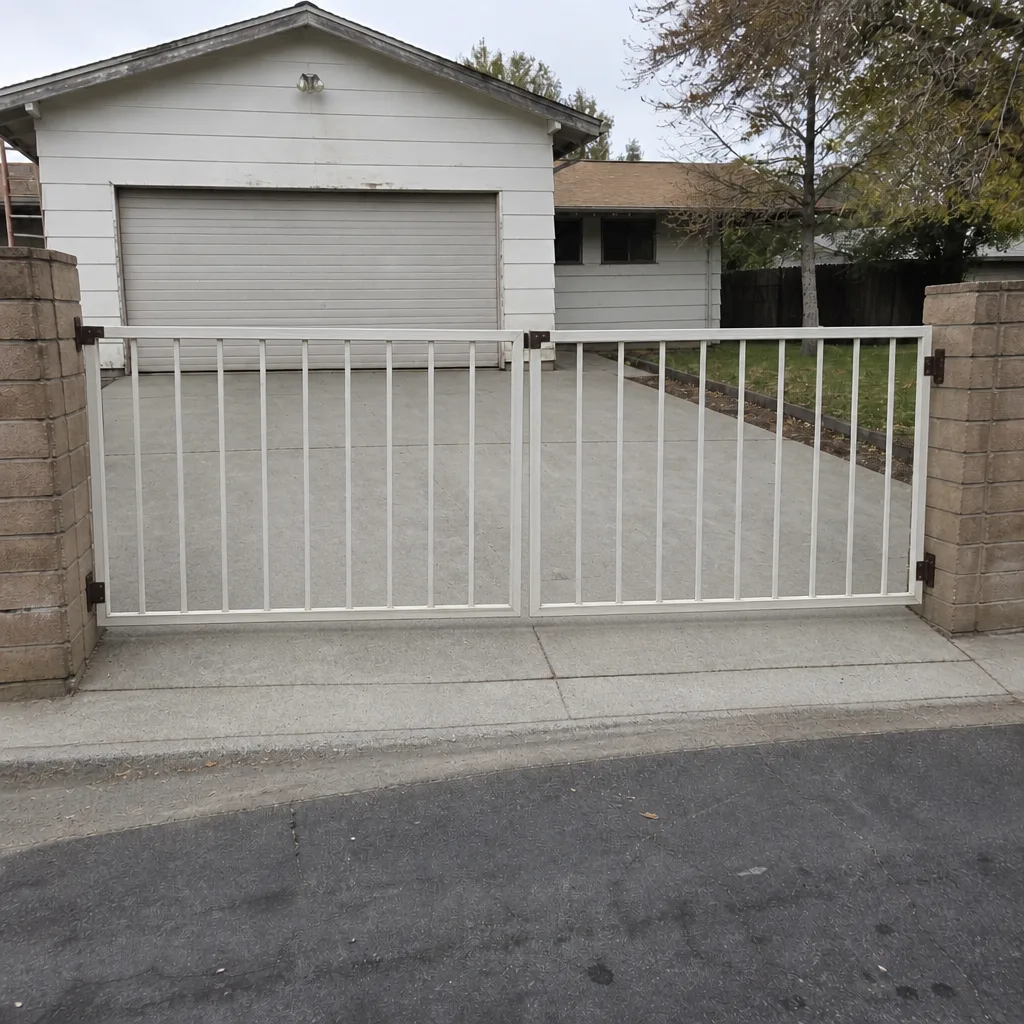
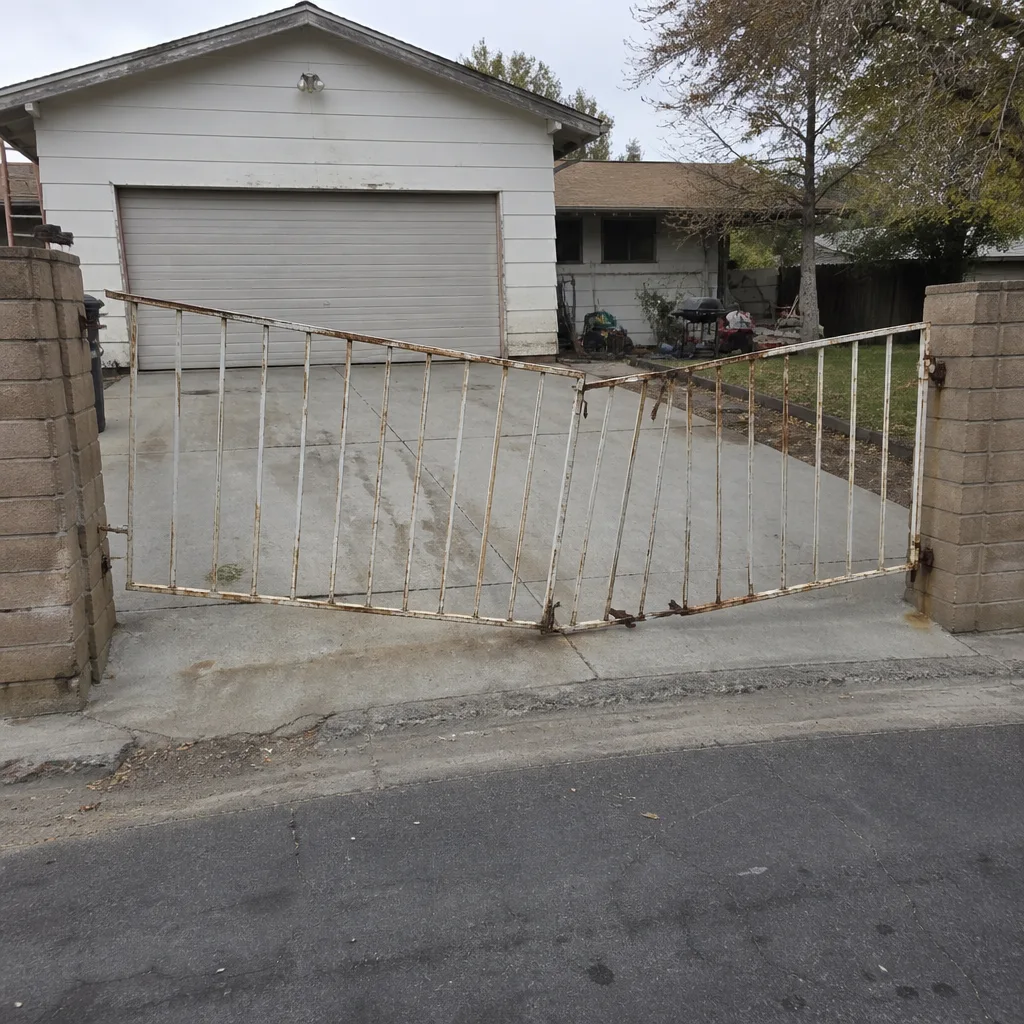 Before
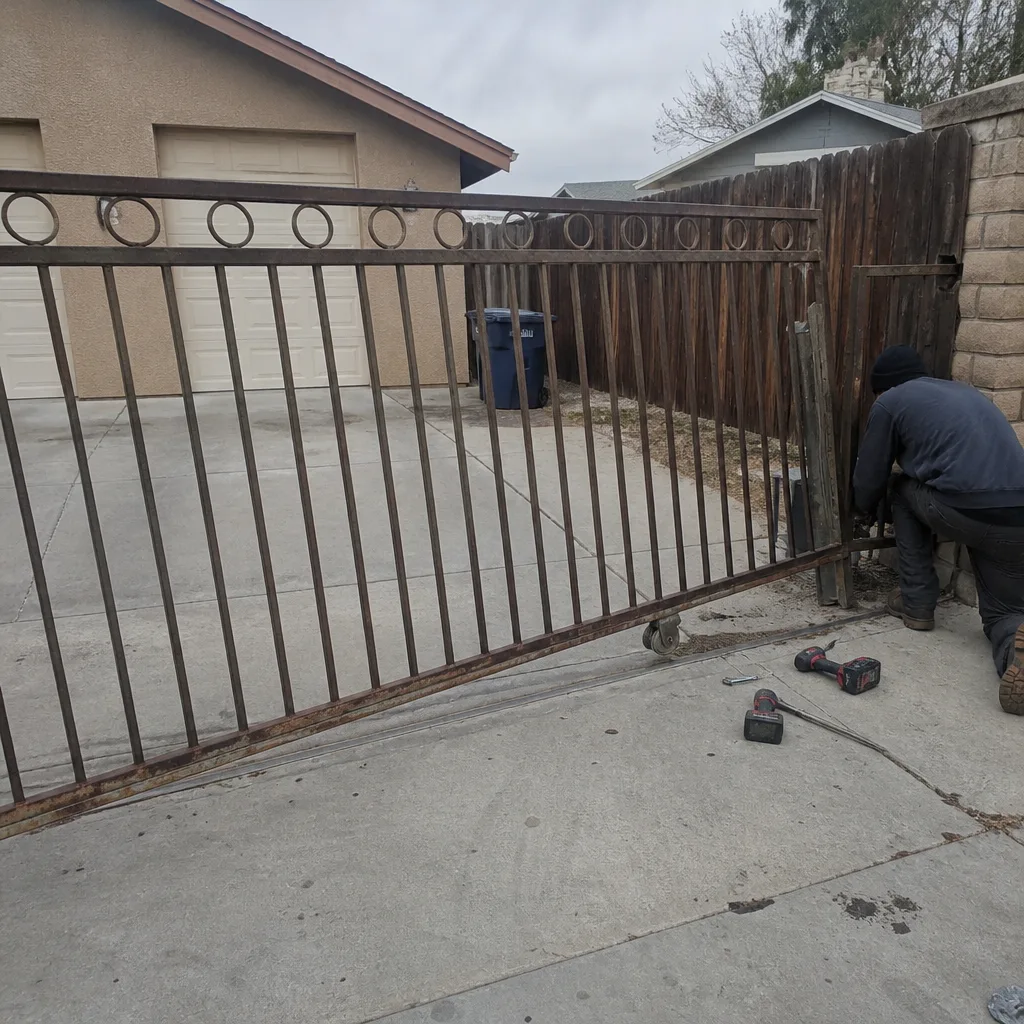
 After
 Before
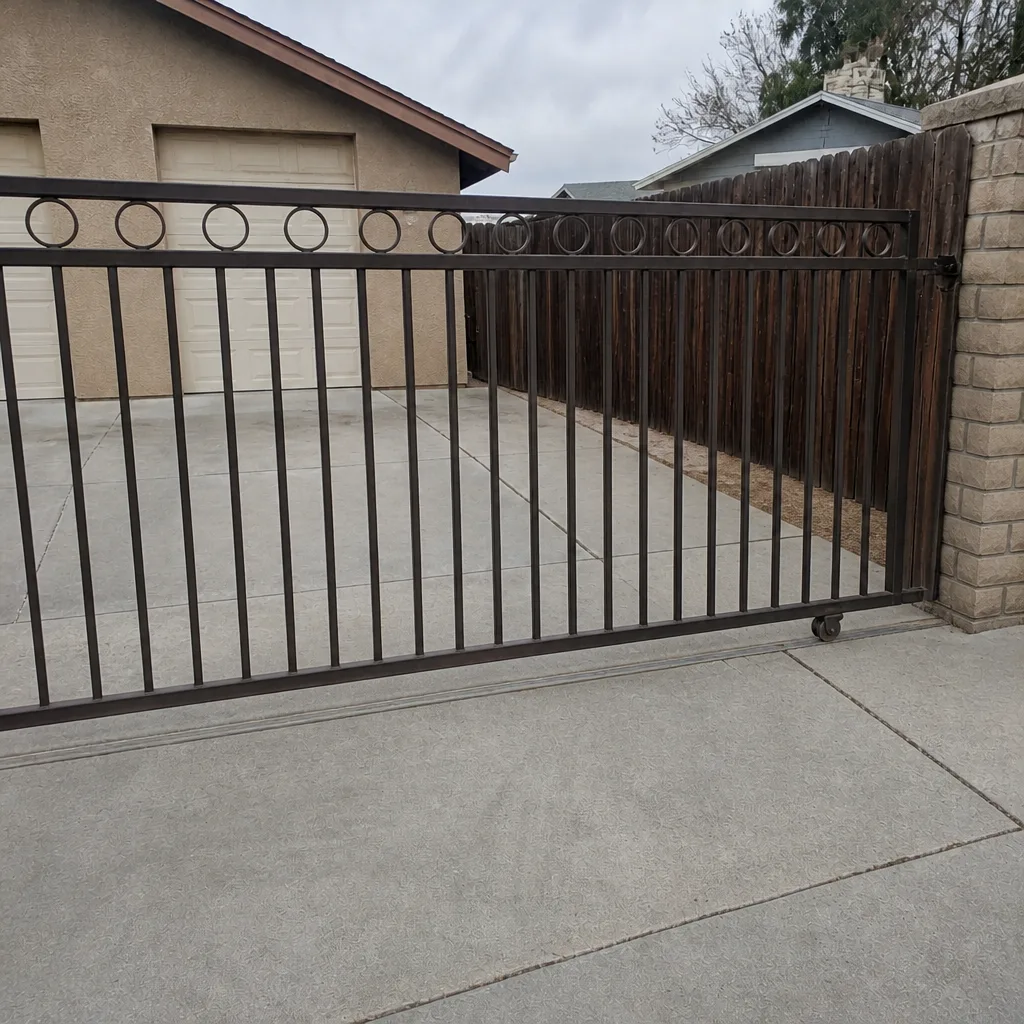 After
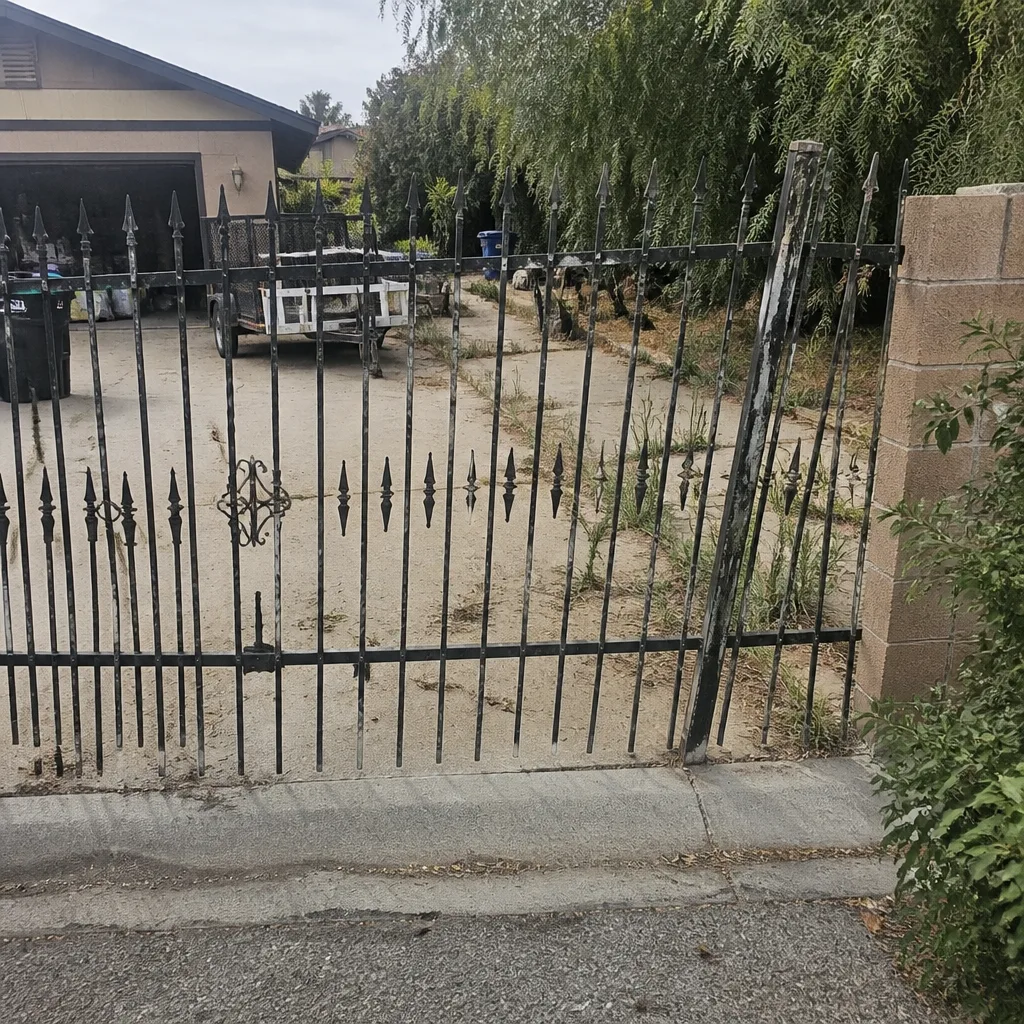 Before
 After
When to Call a Professional
Sometimes the permit question is the tip of the iceberg. Call a professional if any of these is true: your gate is automated and you don’t know whether it was ever permitted; your gate is moving, sagging, or closing on its own; a hinge post has gone soft in the ground; your HOA is asking for documentation you don’t have; or you’re within 60 days of a sale, refinance, or insurance inspection. Those are not DIY jobs, and they’re not the kind of thing to leave to a handyman who hasn’t done a permit before. In Enterprise, we walk through the permit scope with you before anybody picks up a tool, and the price is quoted and agreed before work starts. Free estimates in Enterprise – call (833) 780-1547.
If you’re spending the morning on the paperwork anyway, it’s worth understanding how a repair visit works versus a full gate repair. The two paths have different permit exposure, and knowing which one you’re on keeps the process clean.
Frequently Asked Questions
Usually no. Routine repair (fixing a hinge, welding a failed joint, adjusting a sag, replacing a latch or spring) does not require a permit in Clark County. What requires a permit is new construction, relocation, significant size or height change, or an automated operator installation with a new electrical circuit. If the work doesn’t change the gate’s footprint or power source, it’s typically a repair.
Yes, usually. The gate permit and the electrical permit cover different things. The gate permit covers the structure; the electrical permit covers the circuit and control wiring for the operator. Skipping the electrical permit is the single most common compliance problem we find on gates around Enterprise. Call (833) 780-1547 for an exact quote on the work itself – estimates are free and we’ll walk you through what the county will want.
It shows up on a title search and typically has to be permitted retroactively before closing. That means an electrical inspection of existing work, and possibly remediation to bring non-compliant wiring up to code. It’s almost always more expensive than permitting on the front end. The buyer’s lender can decline to fund until it’s resolved.
Yes, and it happens more than you’d think. HOA rules and county code are separate. The county may permit a gate the HOA prohibits, and the HOA can fine you or require removal regardless of the county approval. Get HOA sign-off in writing before you pull a permit.
Start with Clark County’s online permit portal, search by property address, and look for both a gate permit and an electrical permit tied to that address. If a permit was pulled, request the inspection record. “Finaled” means it passed; “issued” with no final means the work happened but was never signed off.
We coordinate it. The circuit and the permit go through a licensed electrician, scheduled before install day, and the gate install happens after the electrical is permitted and inspected. We don’t shorten that process, because the paperwork is what protects you at sale, refinance, and claim time. Call (833) 780-1547 for a free, no-hassle quote on your specific gate.
The Bottom Line
Most gate repairs in Nevada don’t need a permit. The narrow set of jobs that do (new gates, significant alterations, and any automated operator install) needs the permit pulled first, and the electrical permit is the piece most often missed. In Enterprise and across Clark County, the cost of skipping that step is borne at sale, refinance, or claim time, and it’s always higher than the cost of doing it right the first time. If you’re anywhere near the line, call. We’d rather answer a five-minute question than help you fix a four-figure problem later.
From the whole team at Gatewood Fence & Gate Enterprise, thank you for reading. If your gate needs a look, call (833) 780-1547 for a free estimate.
Written by the team at Gatewood Fence & Gate Enterprise.