
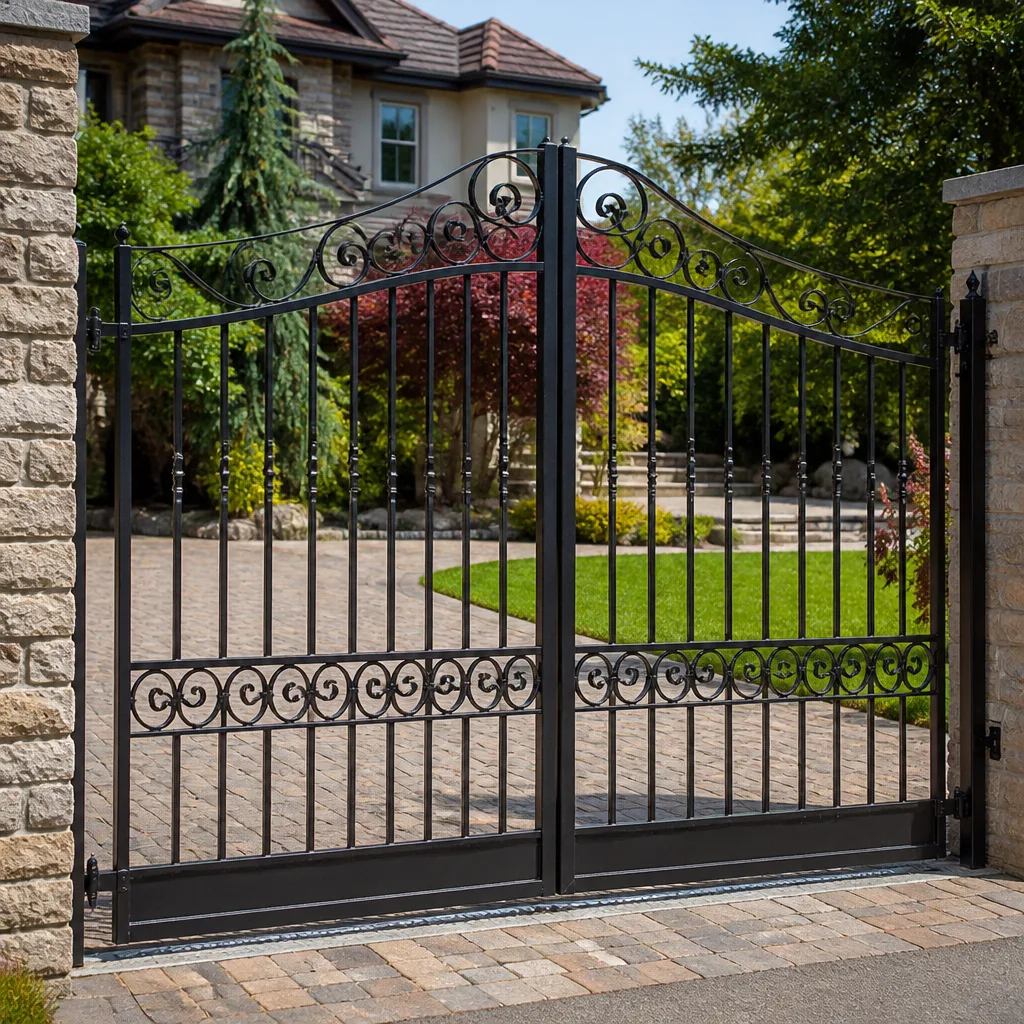
 Wrought iron
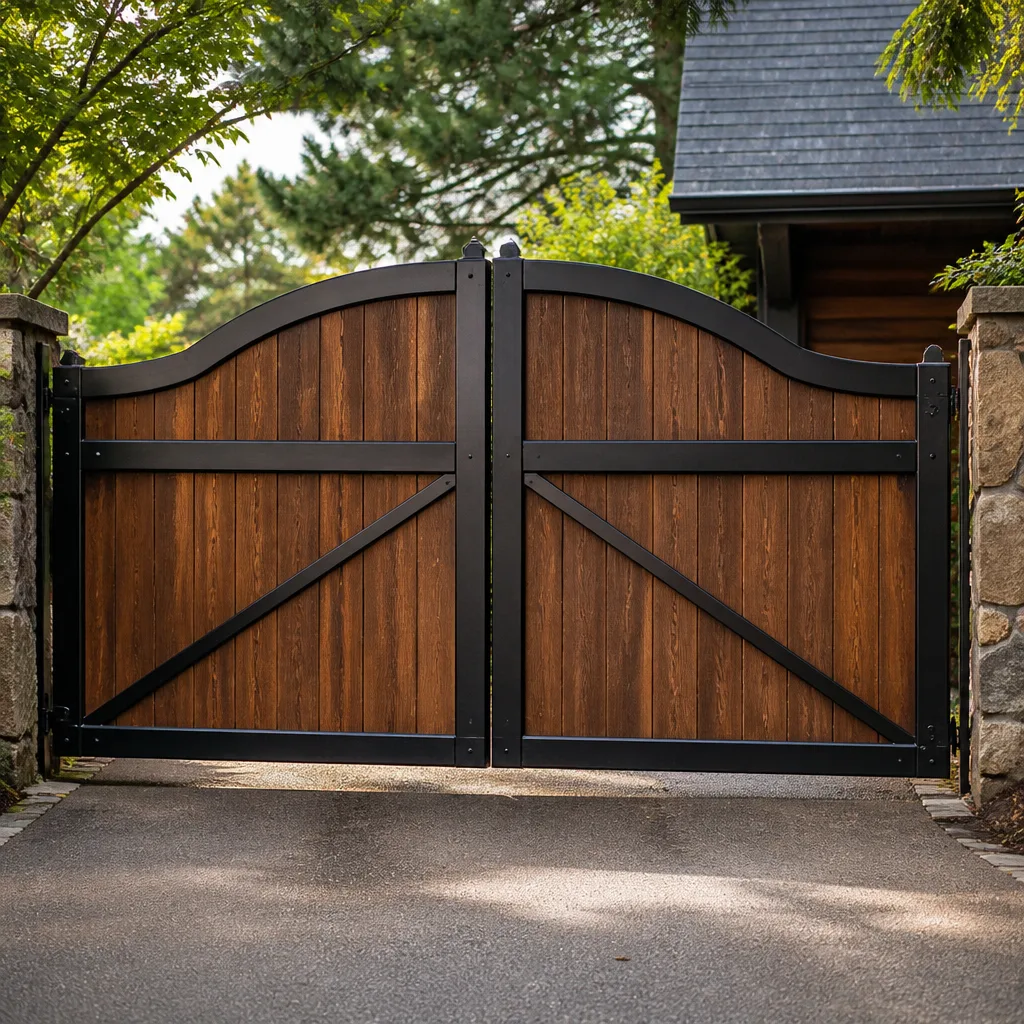 Wood & steel frame
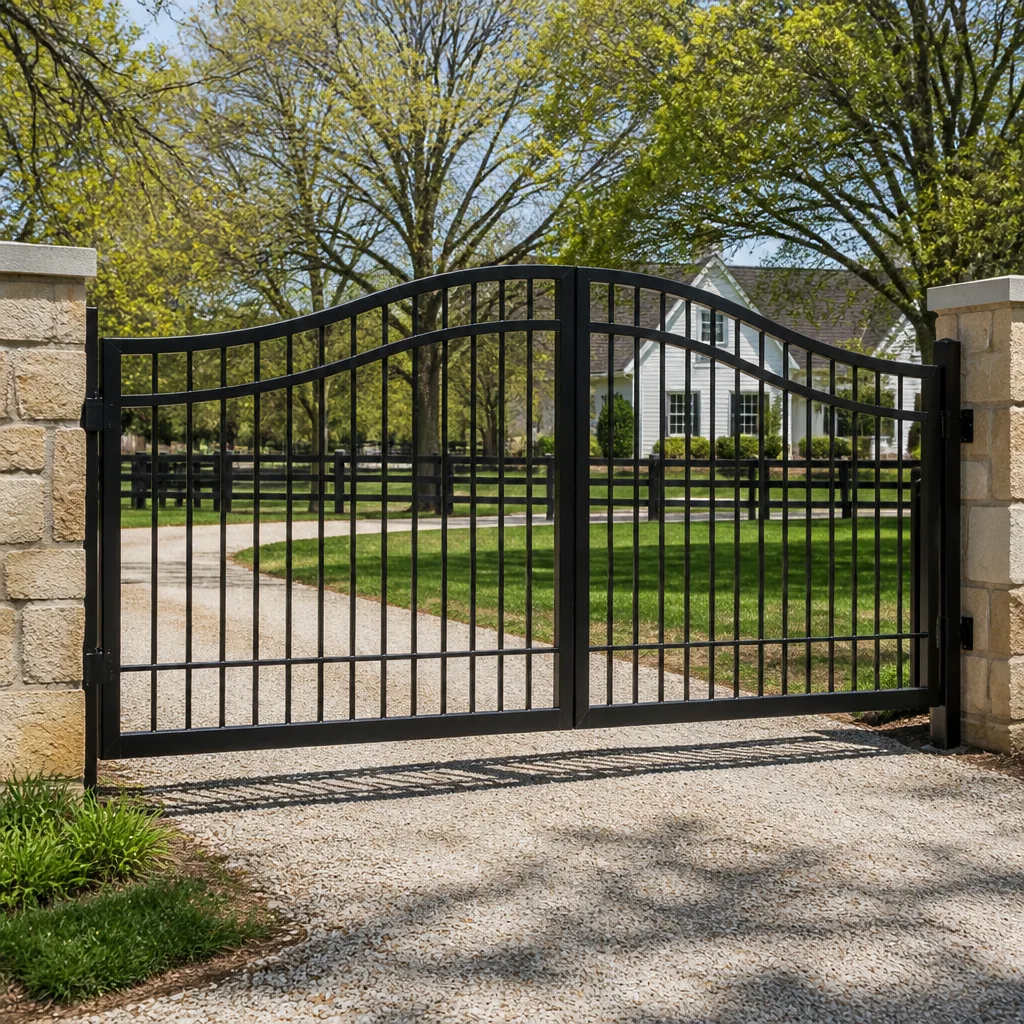 Farm & ranch
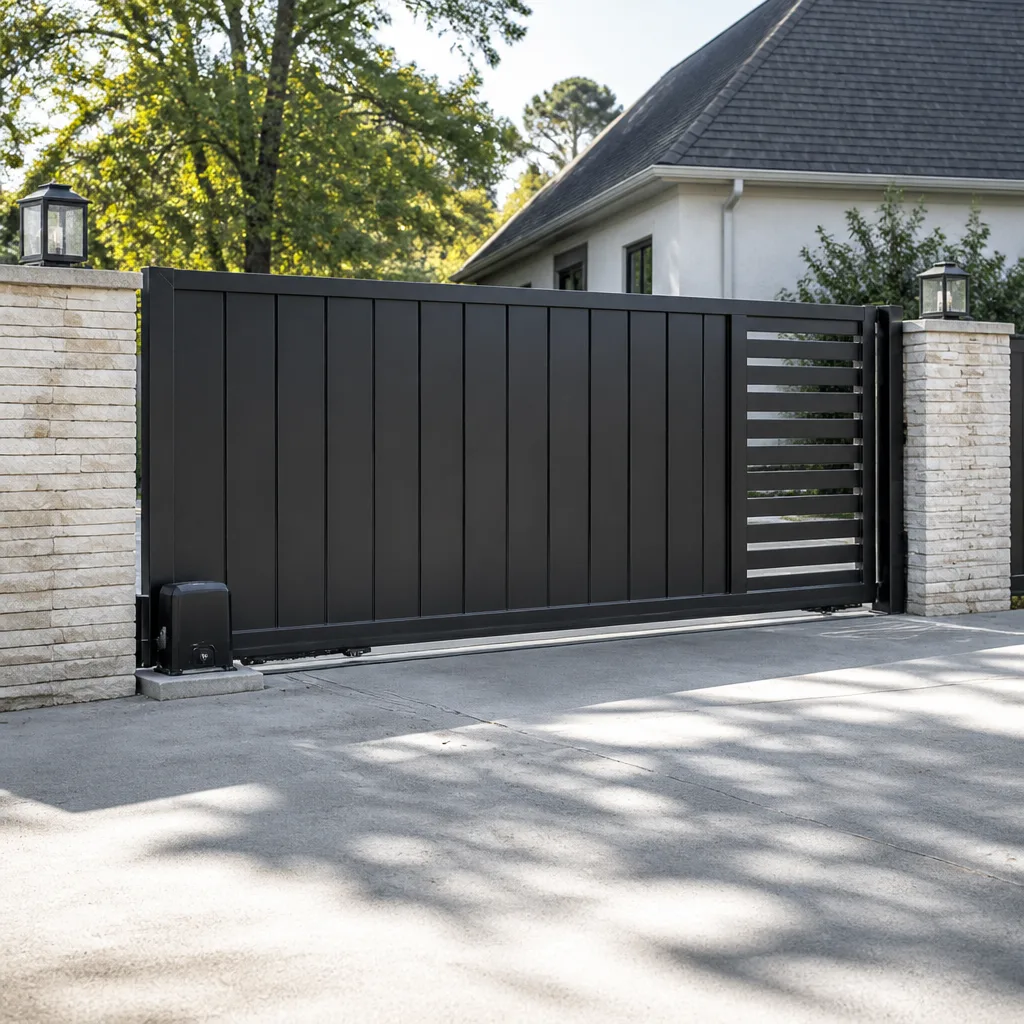 Sliding driveway gates
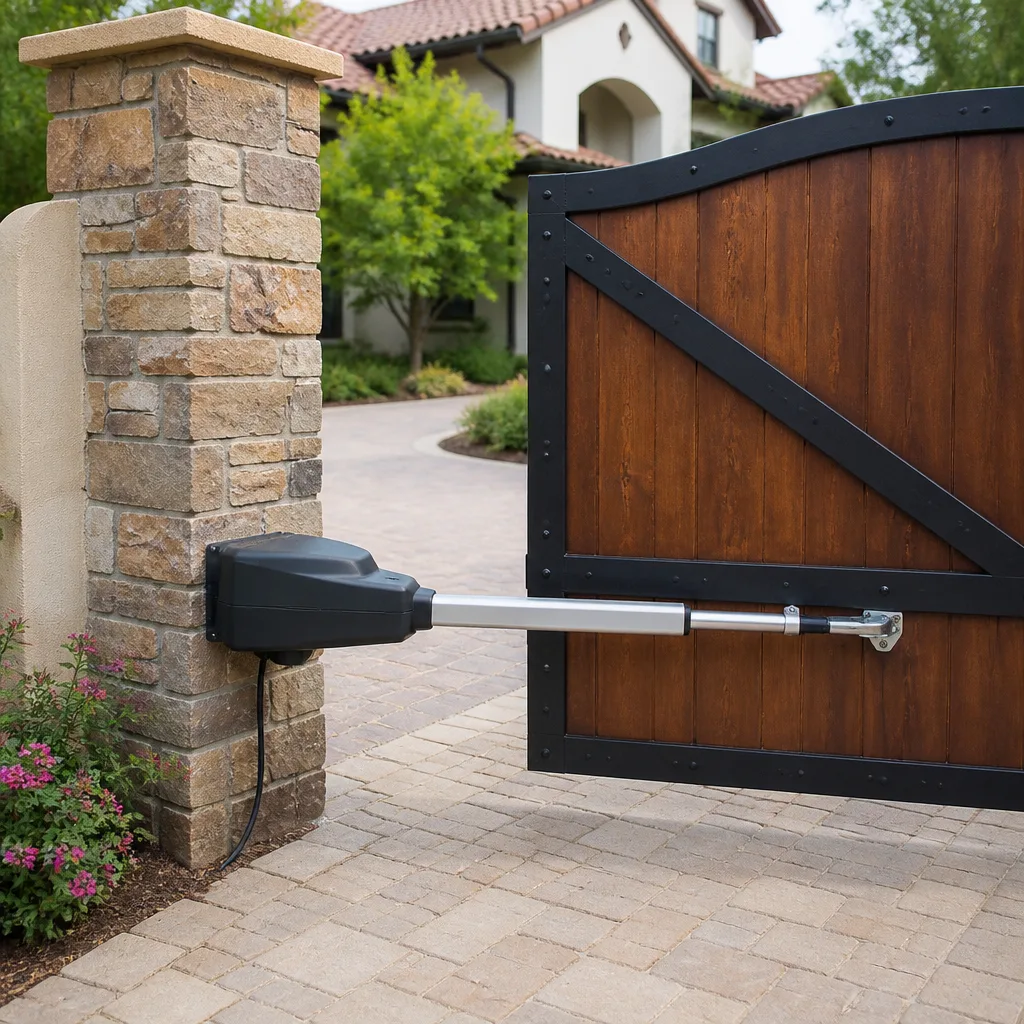 LiftMaster operators
Free on-site gate assessment - hinges, posts, and your LiftMaster or Nice gate operator checked before anything is quoted
The assessment is free and the quote is the invoice.
Get your free estimateStyles & brands we work with
- Wrought iron
- Wood & steel frame
- Farm & ranch
- Sliding driveway gates
- LiftMaster operators
See the difference
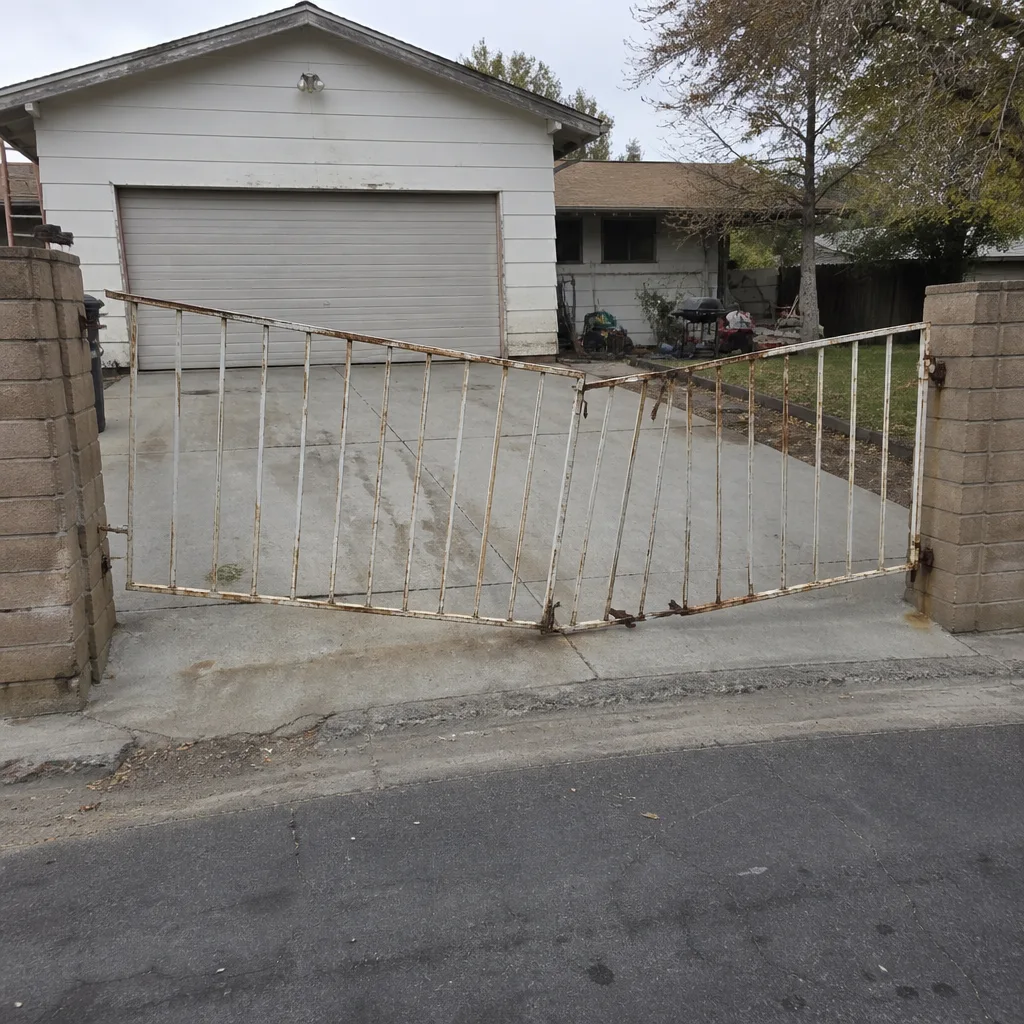 Before
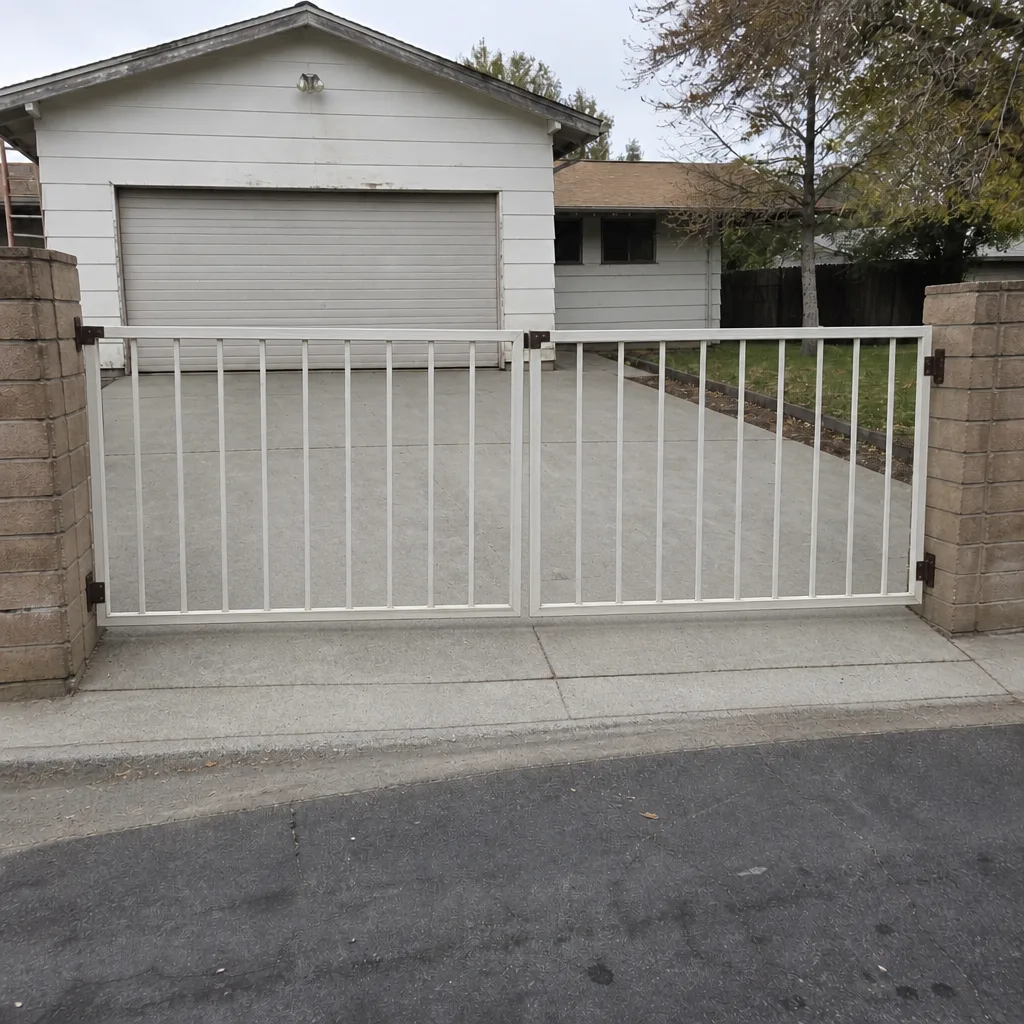 After
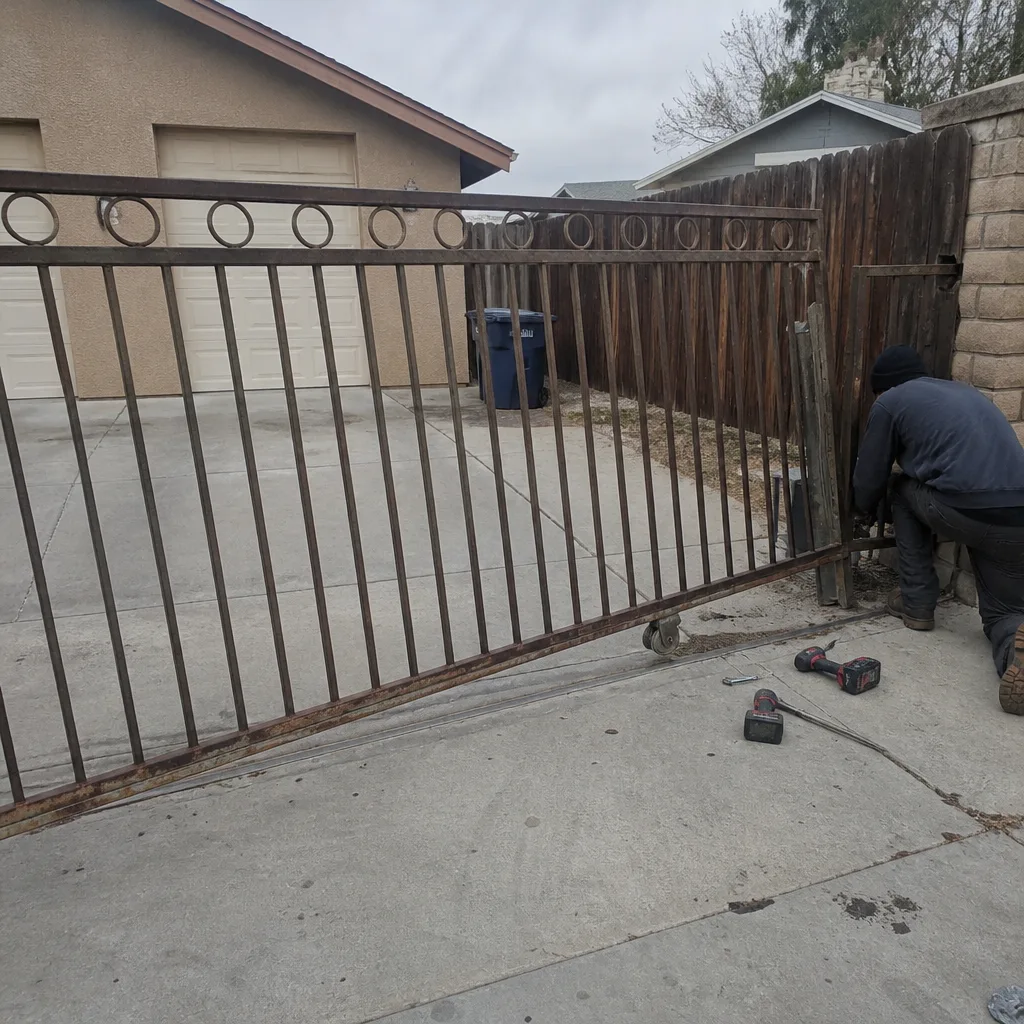 Before
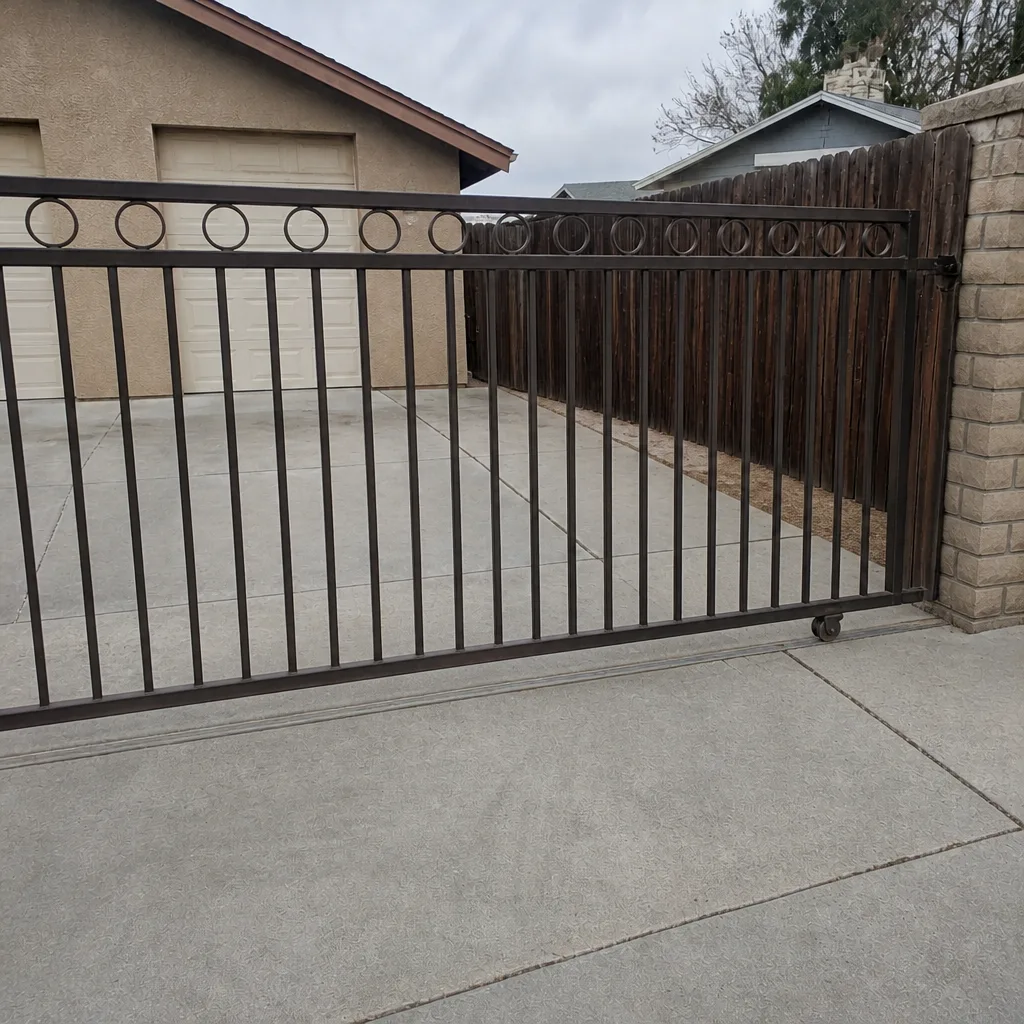 After
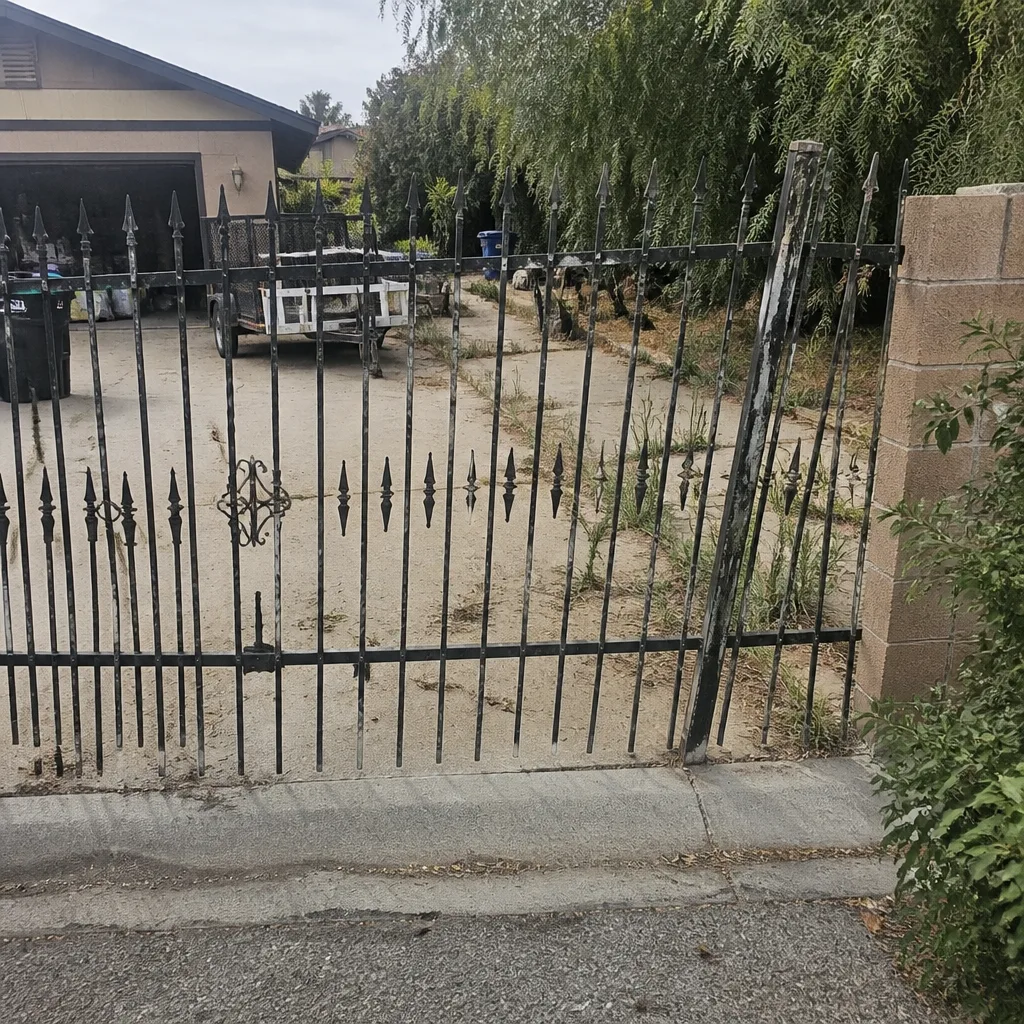 Before
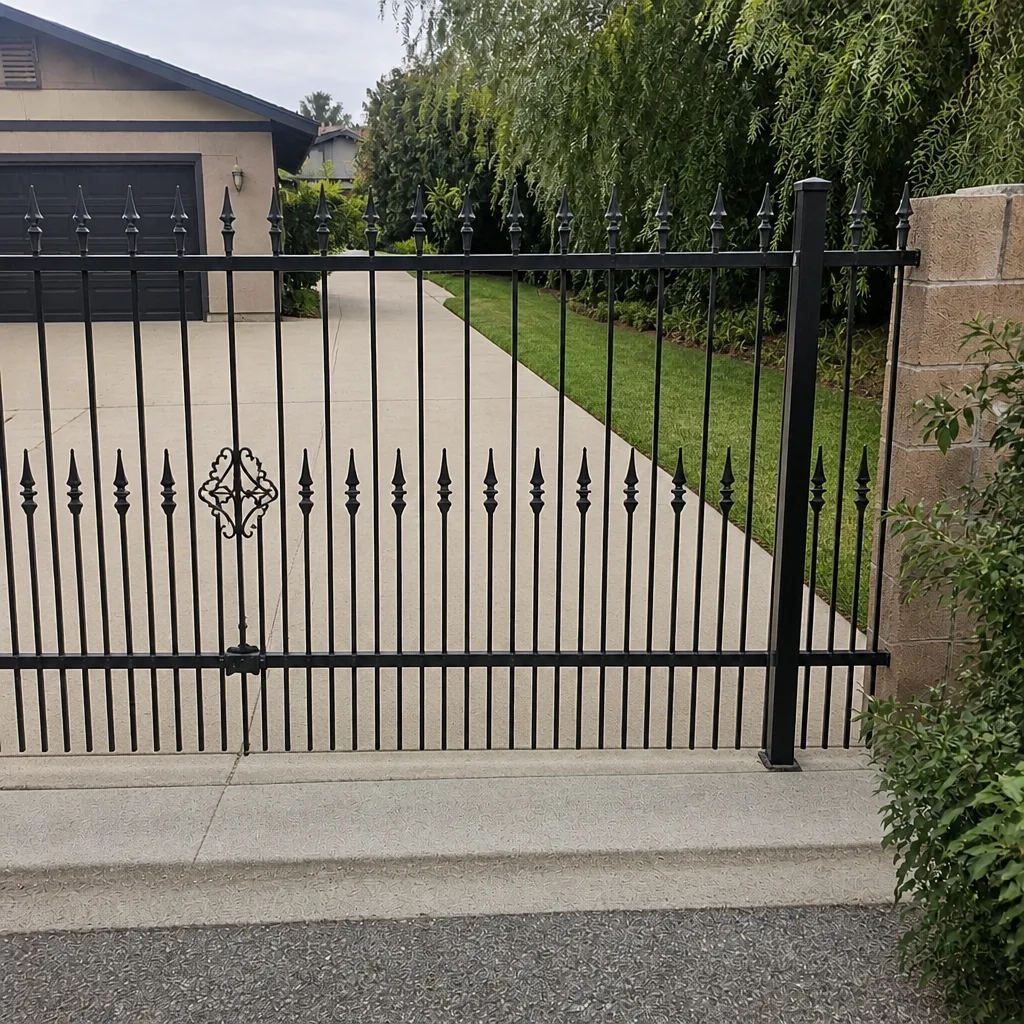 After
Wrought Iron vs Aluminum Gates in Enterprise, NV: Choose Iron Unless Your HOA Spec Says Aluminum
Here’s the short version: choose wrought iron unless your recorded CC&Rs name tube-frame aluminum in the approved design schedule, in which case the decision is already made for you. Iron wins for most Enterprise homeowners because it can be re-coated and repaired in your driveway when the Mojave sun and blowing sand chew through the finish. Aluminum is the better gate when lighter weight matters on a long sliding span, or when your association approves it by name. Call (833) 780-1547 and we’ll pull up your HOA’s approved spec during a free estimate.
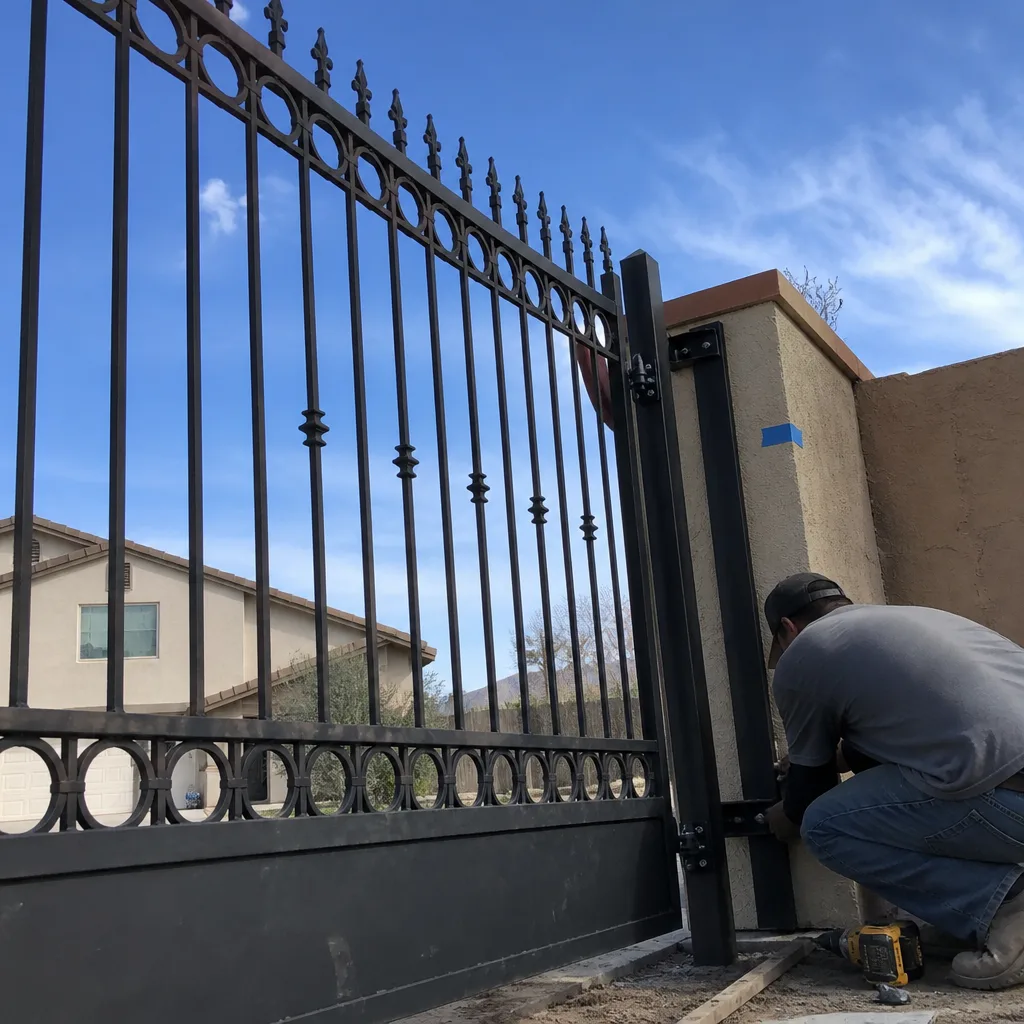
Key Takeaways
- Enterprise’s UV and heat fade standard TGIC powder coat in 5-7 years on both iron and aluminum.
- Iron can be wire-wheeled and re-coated or re-welded on-site; aluminum usually can’t.
- Aluminum’s lighter weight grinds through rollers slower in sandy conditions.
- Your HOA design schedule sometimes picks the material for you.
- Both should be evaluated by someone who knows Enterprise gates, not a phone quote.
Why plain old “weight versus cost” misses the real question in Enterprise
Three summers in an Enterprise driveway and that black powder coat looks more charcoal. Five summers and your HOA sends a letter about it. We see this block after block in Enterprise’s 1990s-2000s tract subdivisions, where the sun hits the same sliding driveway gates and community entry gates with the same intensity every afternoon. Mojave UV doesn’t care which material you bought. It breaks down the coating on both iron and aluminum at about the same rate: a standard TGIC powder coat lasts 5-7 years outdoors in this valley before it starts to chalk and crack.
So the question isn’t just “which is cheaper.” It’s “which material lets you re-coat and pass inspection cheaply, without hauling the gate to a shop?” That answer differs sharply between the two, and it’s the piece most comparison guides skip.
Question: Can iron and aluminum gate repairs be done on-site?
Iron almost always can. Aluminum often can’t. This is the single biggest reason we lean iron for most Enterprise homes.
When a section of iron gate takes a hit, we can cut out the damaged piece, weld in a matching profile in your driveway, grind the weld smooth, and touch up the finish. The gate stays on its posts. Your neighbors see a clean, HOA-compliant repair by the end of the visit. That’s repair-first, done right, with the 90-Day Done Right Promise stamped in writing.
Aluminum is fussier. Aluminum needs TIG welding to hold properly, and even then the weld zone loses strength from the heat and needs post-weld annealing. In the field, most aluminum repairs end up as bolt-together patches. Those patches often don’t match the profile your association approved, which is a problem if an inspector comes by. If your gate needs serious aluminum welding, it usually means shop time.
How a driveway iron repair typically runs, start to finish:
- We look up your HOA’s approved design spec and confirm the required profile and finish before we touch anything.
- We cut out the damaged section, measure against the existing rails and pickets, and cut a matching piece to fit.
- We weld in place, keeping the gate on its hinge or roller so alignment stays true.
- We grind the weld smooth and touch up the finish so the repair blends with the rest of the gate.
- We check the swing or slide for function, then walk you through what we did and hand over the written promise.
If you’re thinking about a replacement instead of a repair, that decision lives on our Gate Installation page. But in most cases, the gate in your driveway is worth keeping. Fixing the panel without the post, though, and you’ll fix it twice.
Question: Which material holds up better on a sliding driveway gate?
Here’s a real-world tradeoff that matters more in Enterprise than in wetter climates: weight on the rollers. Iron gates are heavier. In sandy conditions, that extra weight grinds through sliding-gate rollers faster, because the wind-blown sand off the open desert edges of Enterprise acts like an abrasive between the roller and the track. Aluminum’s lighter weight extends roller life noticeably on a long sliding span.
How the two compare on the parts of an Enterprise gate that actually fail:
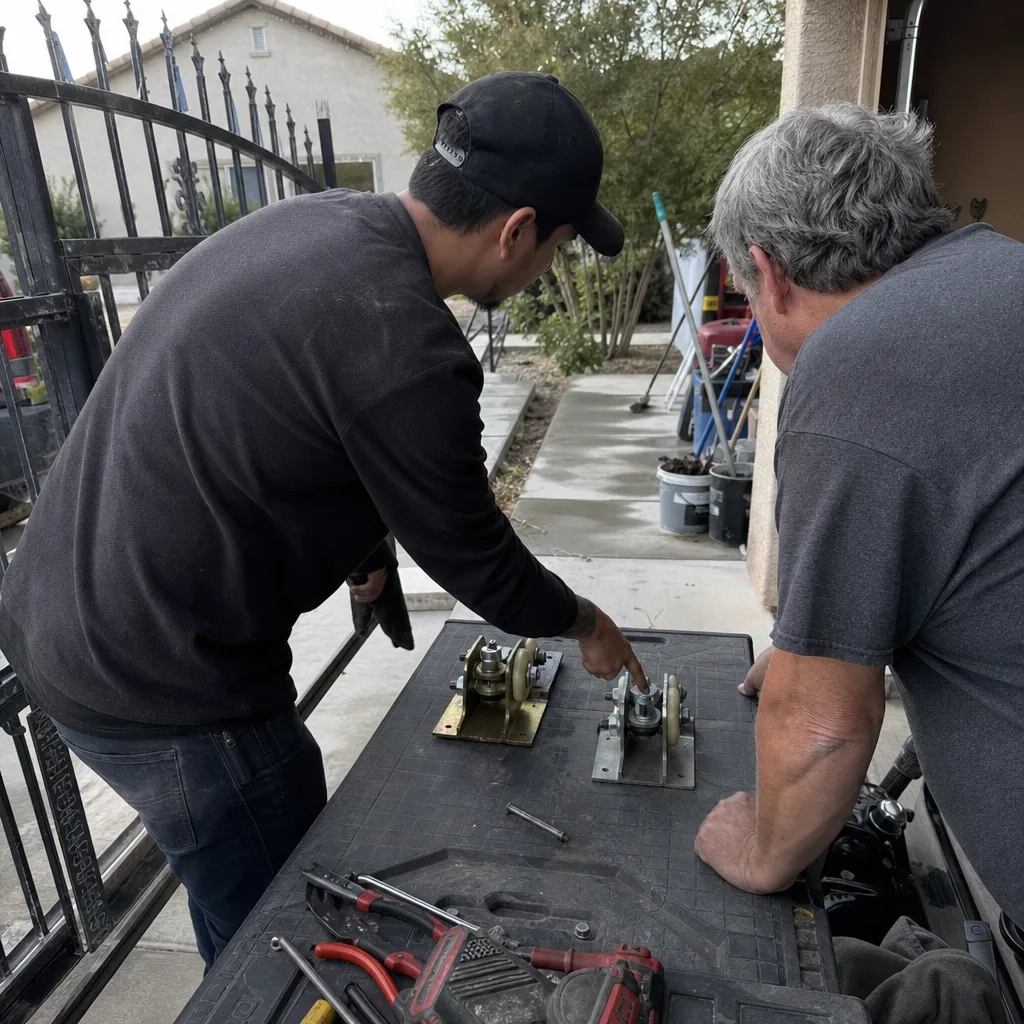
| Factor | Wrought Iron | Aluminum |
|---|---|---|
| Powder-coat outdoor life (Mojave UV) | 5-7 years | 5-7 years |
| Re-coat on-site? | Yes - wire-wheel and re-coat in the driveway | Careful prep needed; thin wall can warp |
| Weld repair on-site? | Yes - weld, grind, touch up | Rarely - needs TIG plus annealing; usually shop work |
| Weight impact on rollers | Heavier; faster roller wear in sand | Lighter; longer roller life |
| HOA profile matching | Easy to match flat-bar iron picket | Matches tube-frame aluminum specs by name |
Both materials ride on the same operators - LiftMaster and FAAC units are common on the sliding gates we work on in Enterprise, and the rollers that carry the panel are the part that eats the sand. If yours is grinding or leaning, that’s a roller or post issue, not a material one. Call (833) 780-1547 and we’ll tell you which.
Question: What does the HOA actually require, and does it change my choice?
Sometimes, yes - the recorded documents can make the decision for you. Enterprise is a master-planned, HOA-heavy suburb of Las Vegas, and nearly every driveway gate, community gate, and side-yard gate falls under recorded CC&Rs that dictate style, color, and placement. Those CC&Rs often name the approved material straight out: “flat-bar iron picket” or “tube-frame aluminum.” If your approved design schedule specifies tube-frame aluminum, mixing in iron to save a few dollars on a repair can trigger a compliance rejection.
This is why we pull up your HOA’s approved design spec during the estimate call. Before a dollar is spent, you’ll know whether a repair matches compliance. Doing it the other way around - fixing first, getting the letter after - is how homeowners up and down these tract clusters end up paying twice.
The same sun that fades your gate is also hard on the operator and control board inside it, so if you’re already budgeting for a re-coat, it’s worth having the whole assembly looked at while we’re there. Gatewood Fence & Gate handles the full range - gate repair, gate motor and opener service, access control, and parts and welding - so a repair and an operator check can happen in one visit.
What about the finish and pricing on each material?
Since both finish types will need re-coating in this climate, the recurring cost of the finish is where the materials really diverge. Iron can be wire-wheeled down to bare metal and re-coated in place. Aluminum’s thinner wall requires careful prep to avoid warping, and a faded aluminum gate often ends up at a shop. Here’s what we typically quote in Enterprise for the common jobs:
| Service | Typical range in Enterprise |
|---|---|
| On-site iron re-coat (single driveway gate) | $250-$480 |
| On-site iron weld repair + touch-up | $180-$340 |
| Roller or hinge replacement | $90-$180 |
| Aluminum shop re-coat (when on-site isn’t safe) | $320-$600 |
| Operator / control board service | $140-$320 |
Standing offers make this easier: $40 off any repair over $200, no trip charge inside the county, and a free second opinion on any written estimate. If you’re a senior or a veteran, a permanent 10% discount applies. If you want a fresh install to get ahead of the next re-coat cycle, our Gate Installation in Enterprise page walks through the options.
This is where buying by name matters. Hal Gatewood has been repairing both iron and aluminum gates in Enterprise since 2001, and the shop is right here in town, not a call center three states away. If the finish fades in a couple of years, one call brings us back. No voicemail, no runaround.
FAQs
A new wrought iron driveway gate in Enterprise typically runs $1,800-$4,500 depending on width and profile, with on-site re-coats around $250-$480 and weld repairs around $180-$340. The finish is the recurring cost in our climate, so it’s worth budgeting for a re-coat every 5-7 years. Call (833) 780-1547 for an exact quote - estimates are free.
Up front, yes - aluminum is usually the lower-priced material and the lighter one. But after the first sun-fade cycle, aluminum’s shop re-coat costs more than iron’s on-site re-coat, so the buying price isn’t the whole picture. If your HOA spec already approves aluminum, the comparison flips toward aluminum. Call us and we’ll check your spec first.
Realistically, yes - TGIC powder coat lasts about 5-7 years outdoors in Mojave UV, and Enterprise’s sun and blowing sand shorten that on a south- or west-facing gate. A gate that hasn’t been re-coated in that window usually shows chalking or cracking, which is often what triggers an HOA compliance letter. Get it looked at before the letter shows up; call (833) 780-1547.
Yes. On-site welding lets us cut out a damaged section, weld in a matching profile, grind the weld smooth, and touch up the finish - all in your driveway, with the gate still on its posts. That keeps the repair HOA-compliant and gets the panel matching the approved design without shop time. Call (833) 780-1547 to schedule an assessment.
If you’d rather have it looked at
Choosing between iron and aluminum is easier when someone who knows Enterprise’s HOAs, sun, and sandy conditions is standing at your gate. If you’d rather have it looked at, Gatewood Fence & Gate Enterprise offers a no-pressure assessment in Enterprise - call (833) 780-1547 for a free estimate, and get a straight answer on what your gate really needs.
Written by the team at Gatewood Fence & Gate Enterprise, serving Enterprise, NV.