
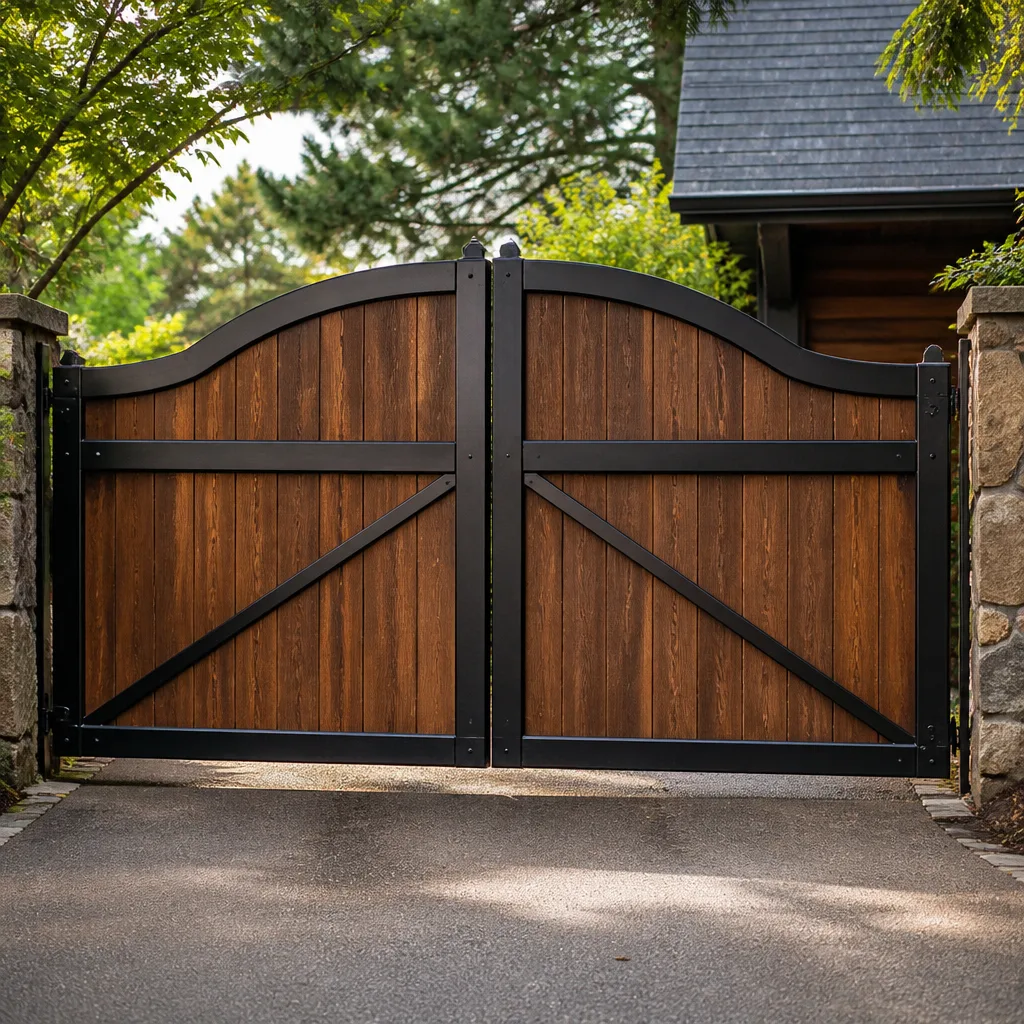
 Wood & steel frame
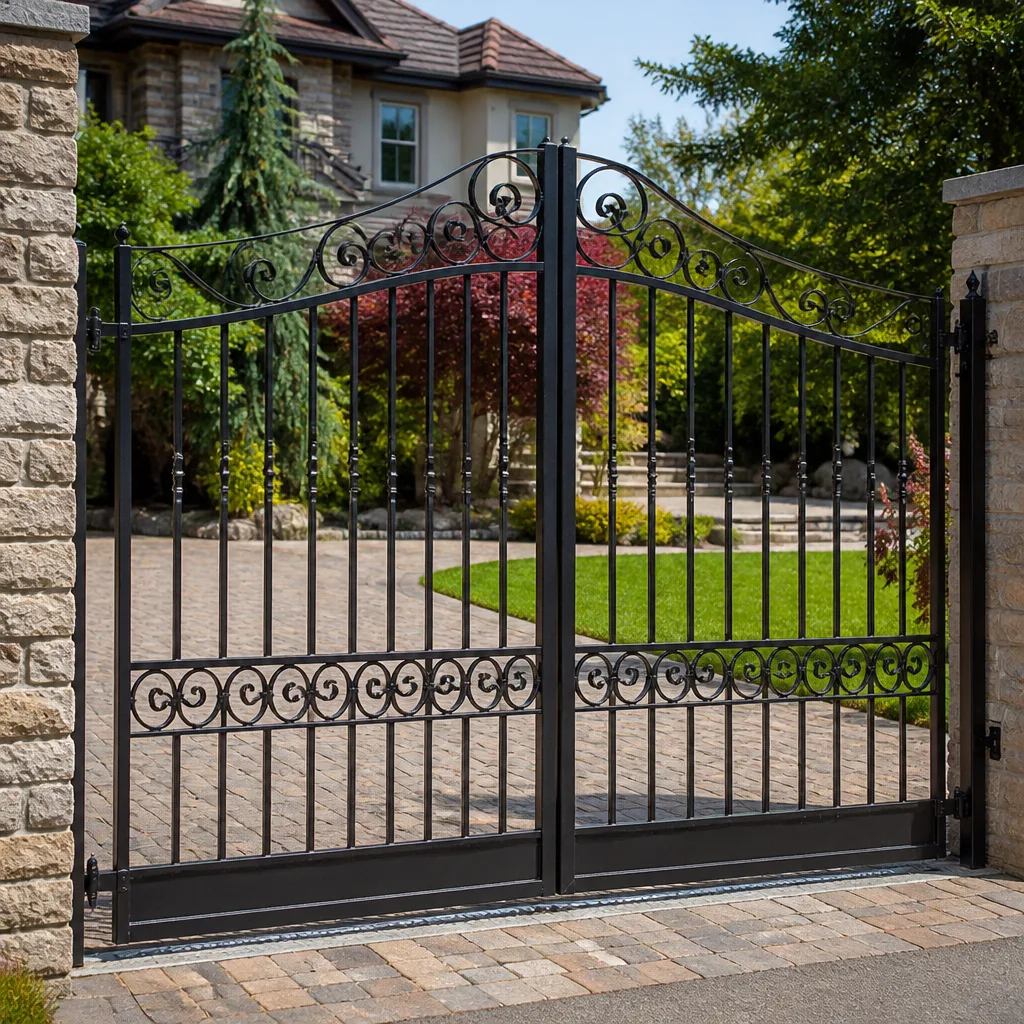 Wrought iron
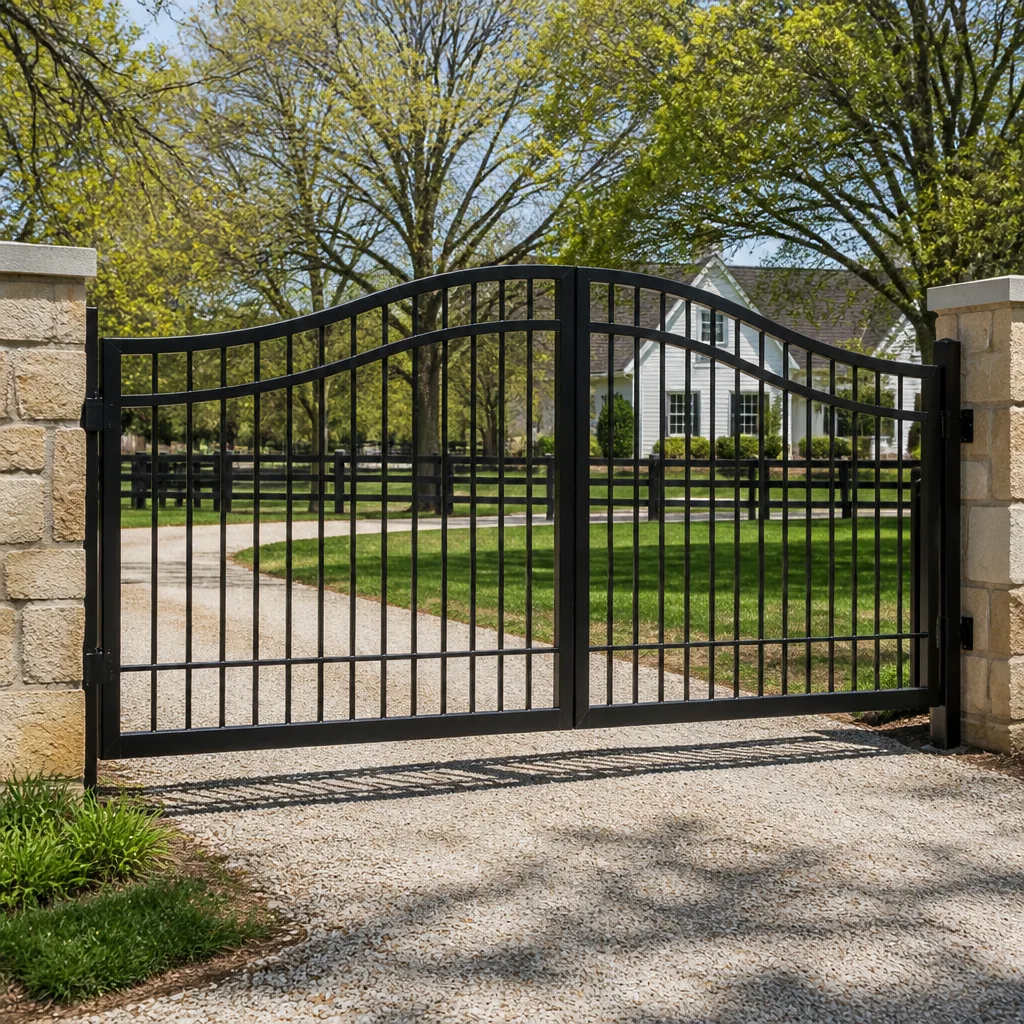 Farm & ranch
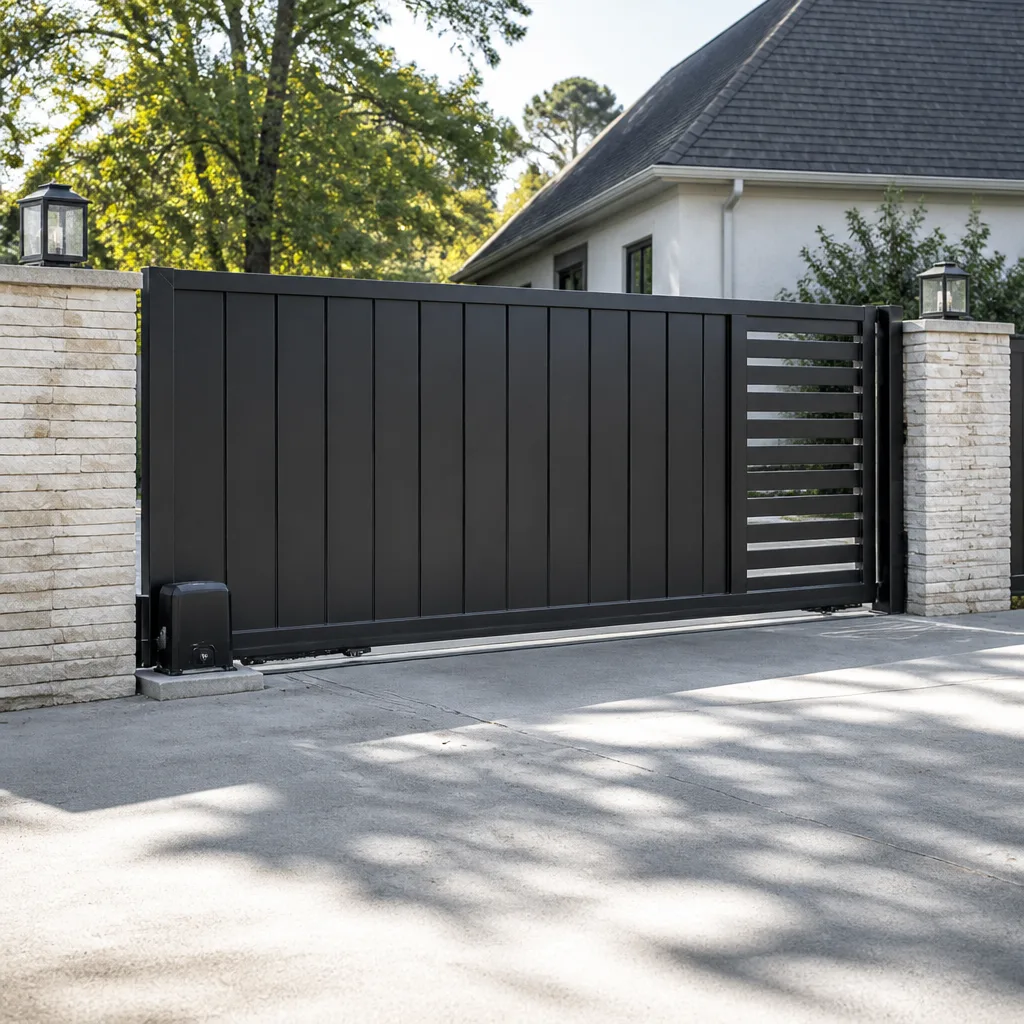 Sliding driveway gates
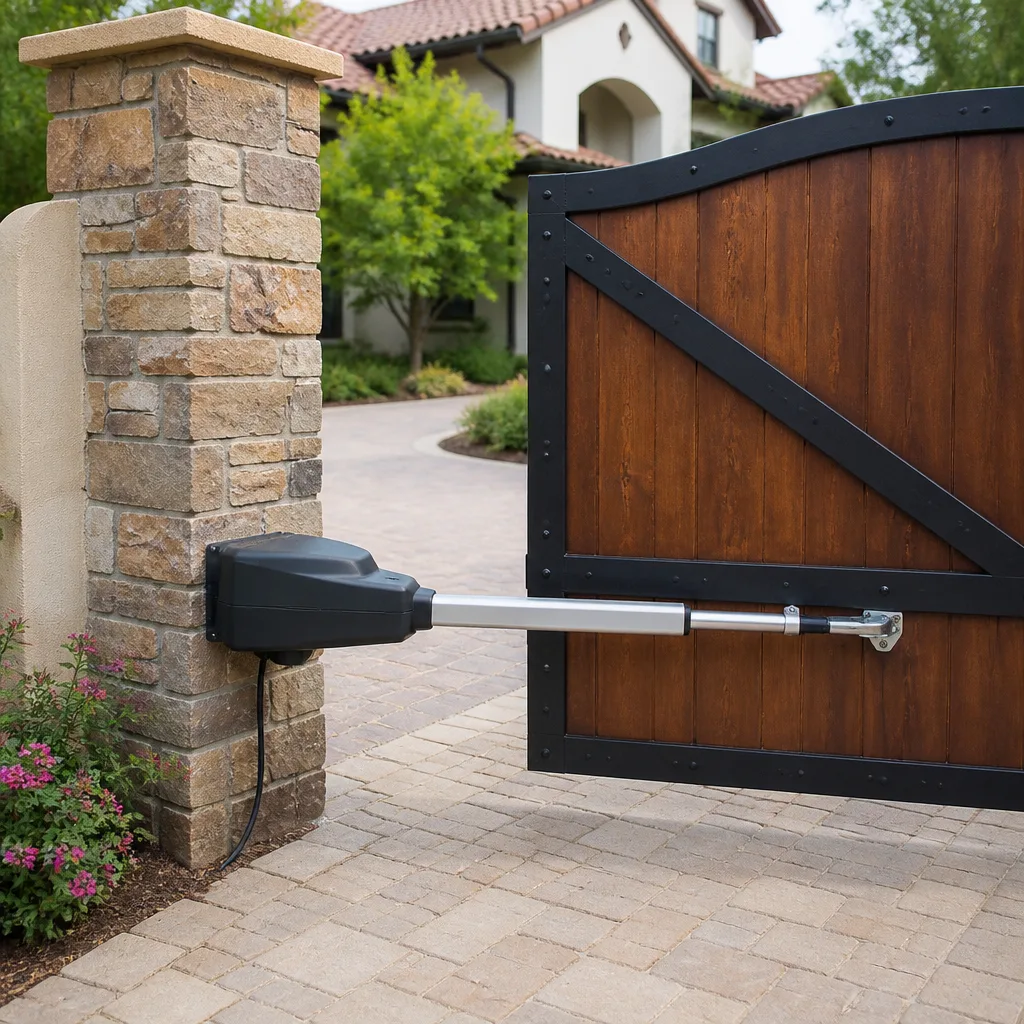 LiftMaster operators
Free on-site gate assessment - hinges, posts, and your LiftMaster or Nice gate operator checked before anything is quoted
The assessment is free and the quote is the invoice.
Get your free estimateStyles & brands we work with
- Wrought iron
- Wood & steel frame
- Farm & ranch
- Sliding driveway gates
- LiftMaster operators
See the difference
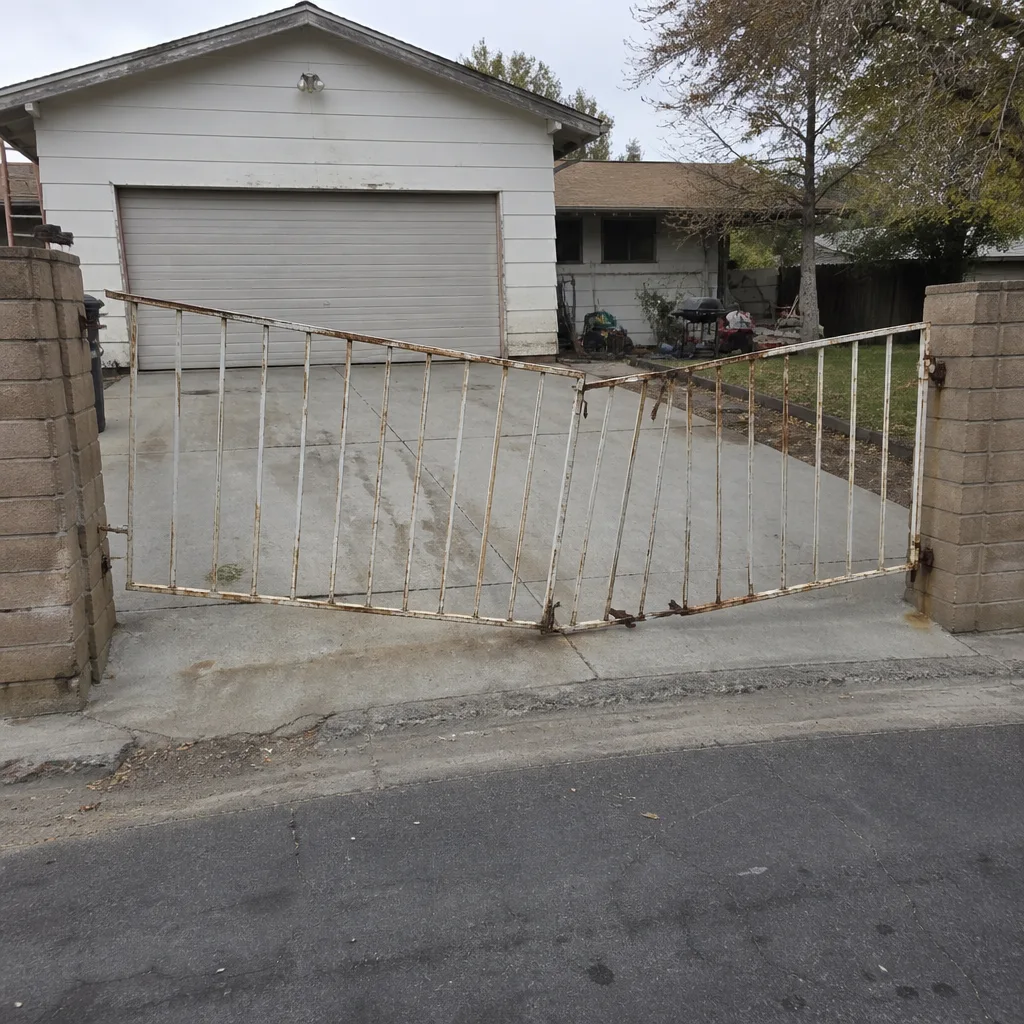 Before
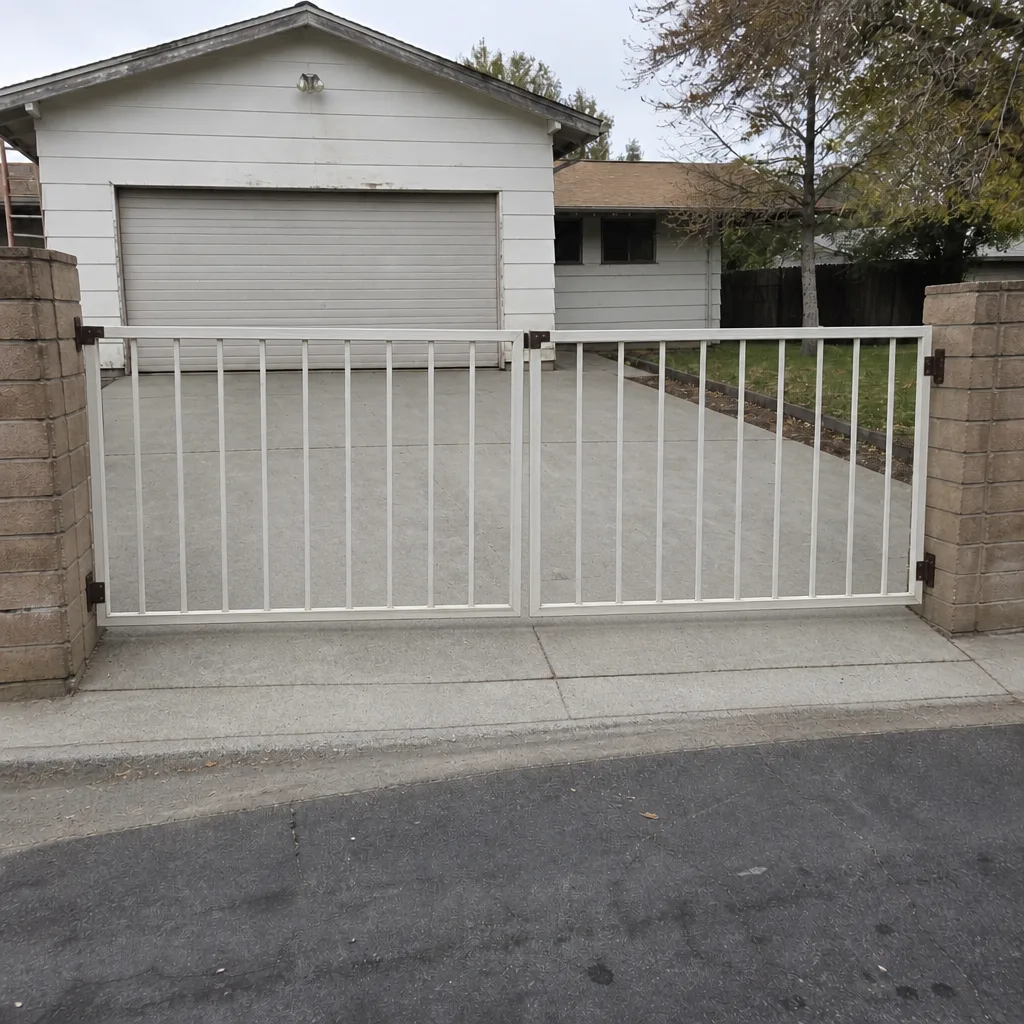 After
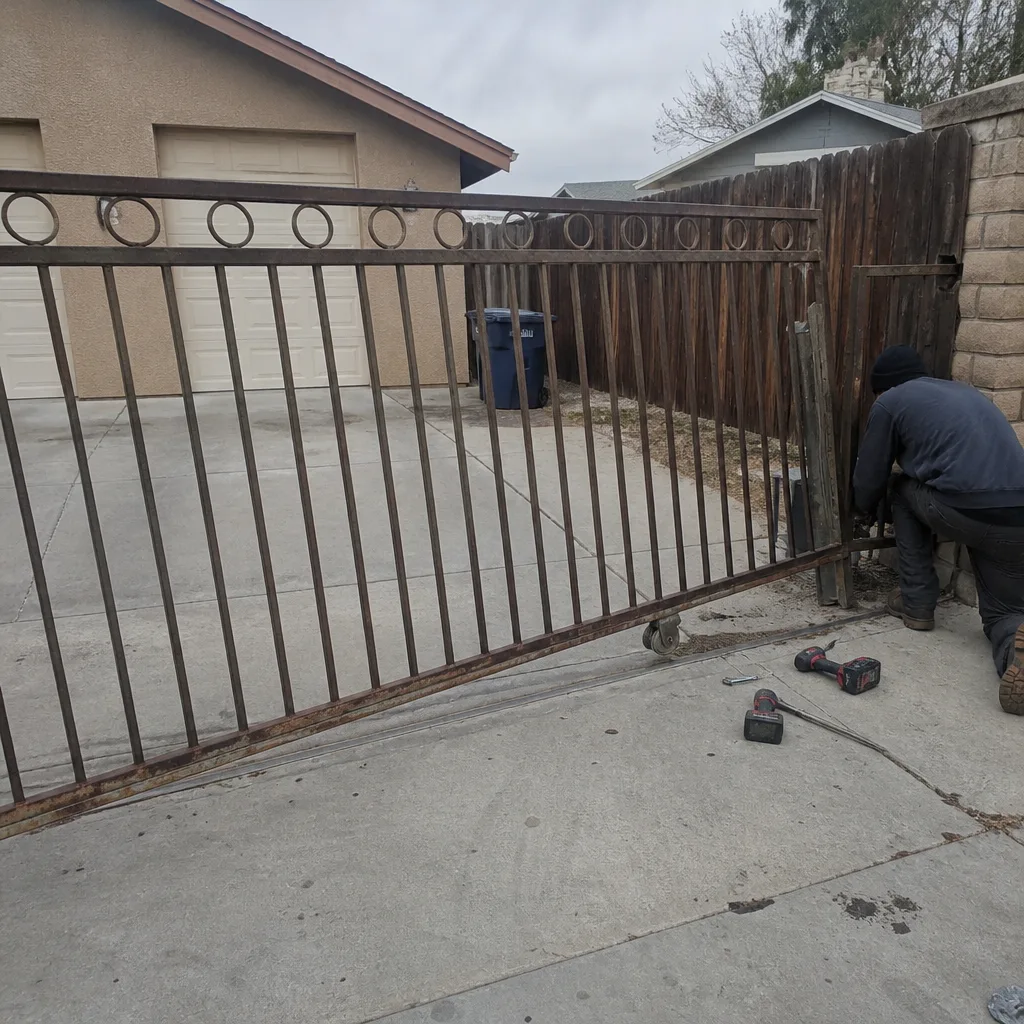 Before
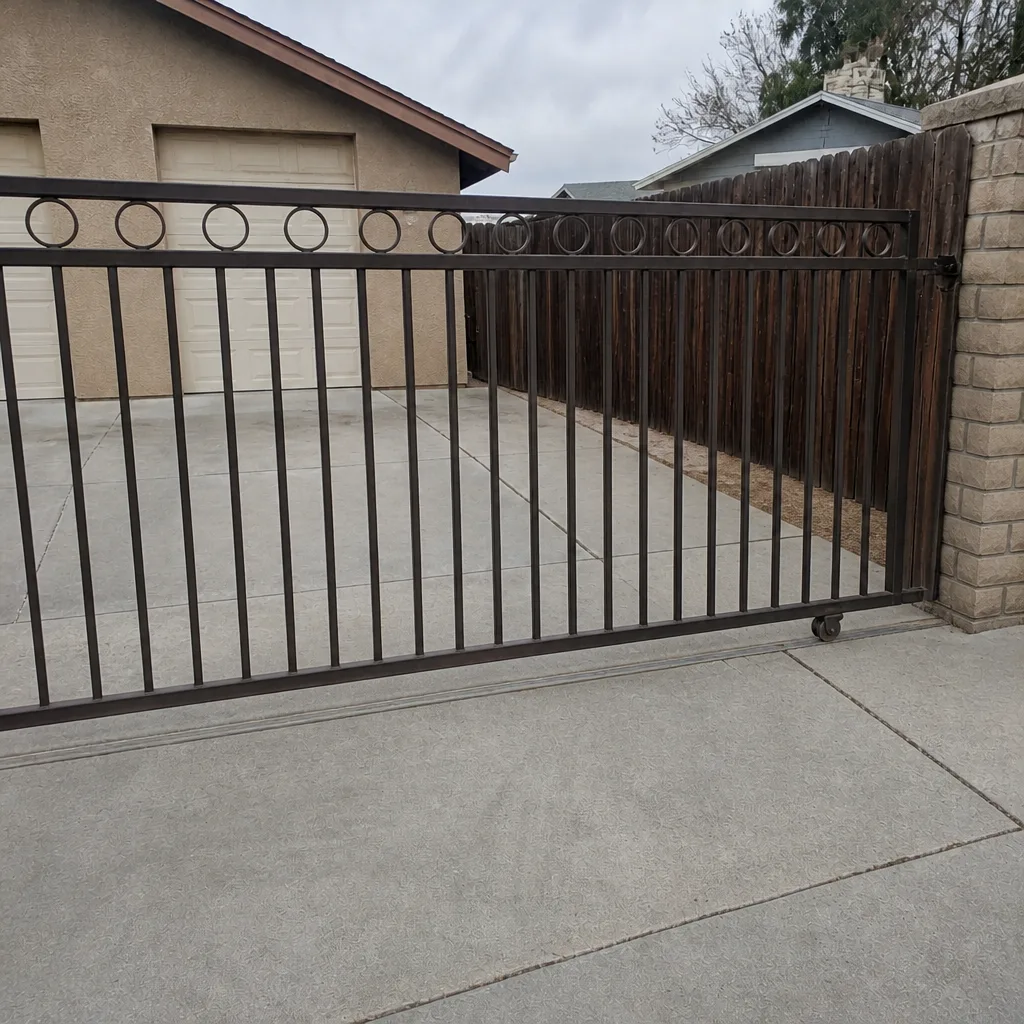 After
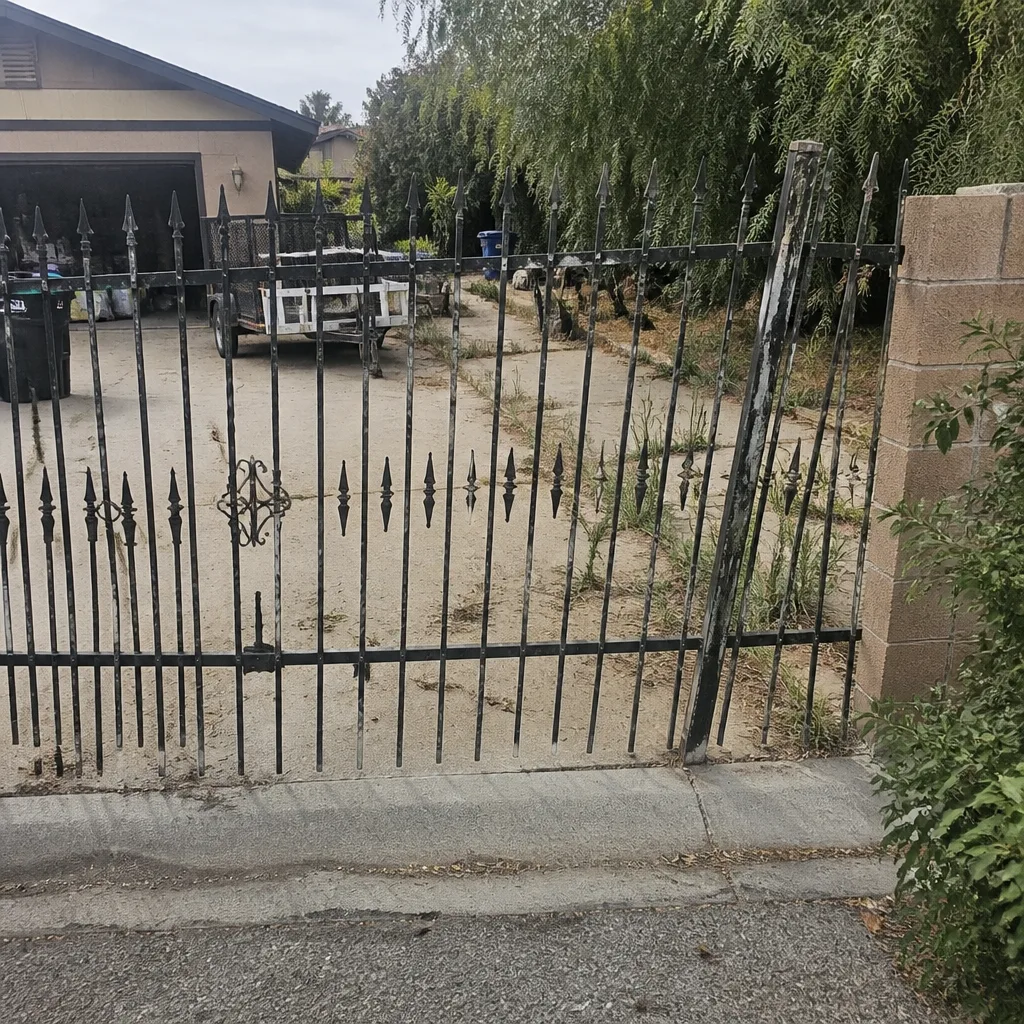 Before
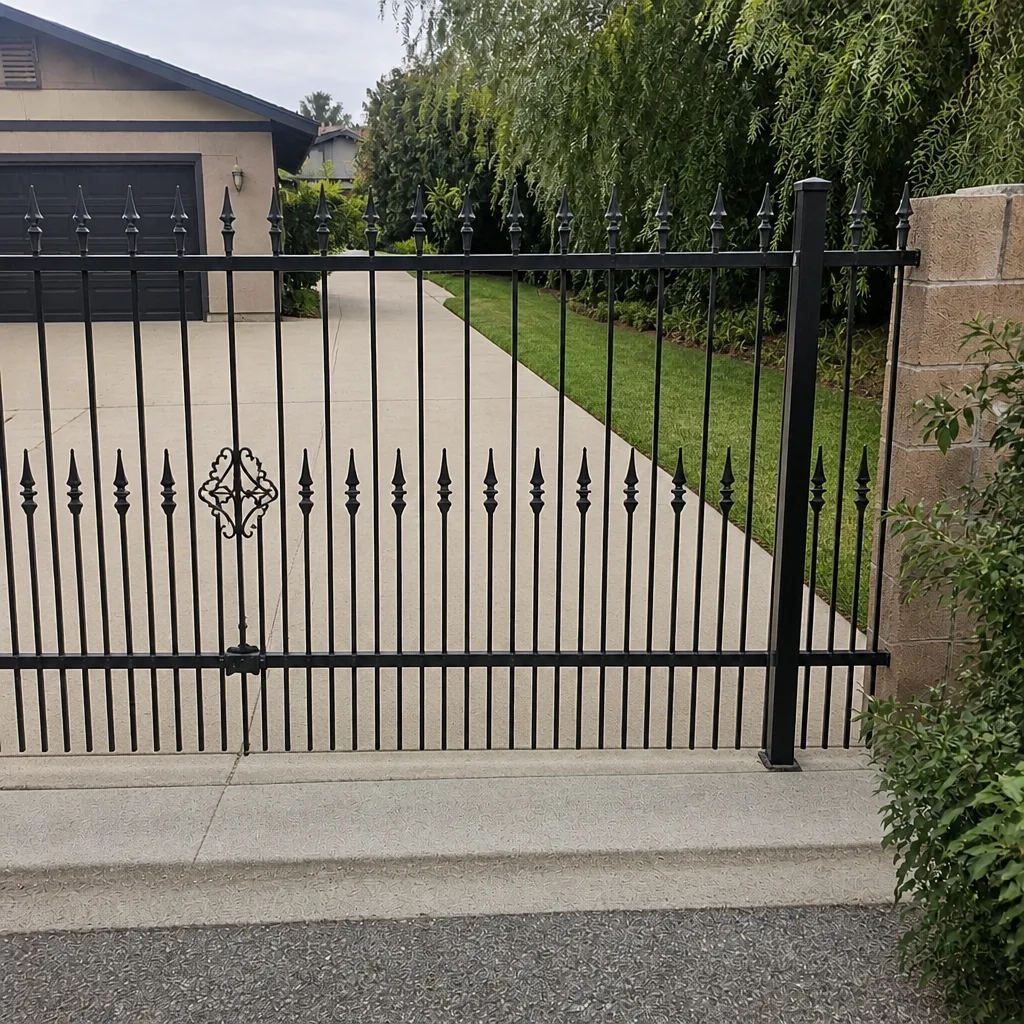 After
Solar Gate Opener vs Electric in Enterprise, NV: Which One Actually Survives the Desert?
Choose hardwired electric (AC) for any front driveway gate, busy household, or community entry in Enterprise, and choose solar only for a low-cycle side-yard or back-yard gate where running conduit is expensive and the gate opens fewer than about 10 times a day. That’s the short answer. The longer answer matters more in the Mojave, because Enterprise gets 294 sunny days a year and the same sun that charges a solar panel also bakes the battery and trips the charge controller’s thermal cutoff. We pull failed solar setups off block walls every summer where the panel is fine but the battery is 140°F and cooked. Call (833) 780-1547 for a free, no-pressure assessment.
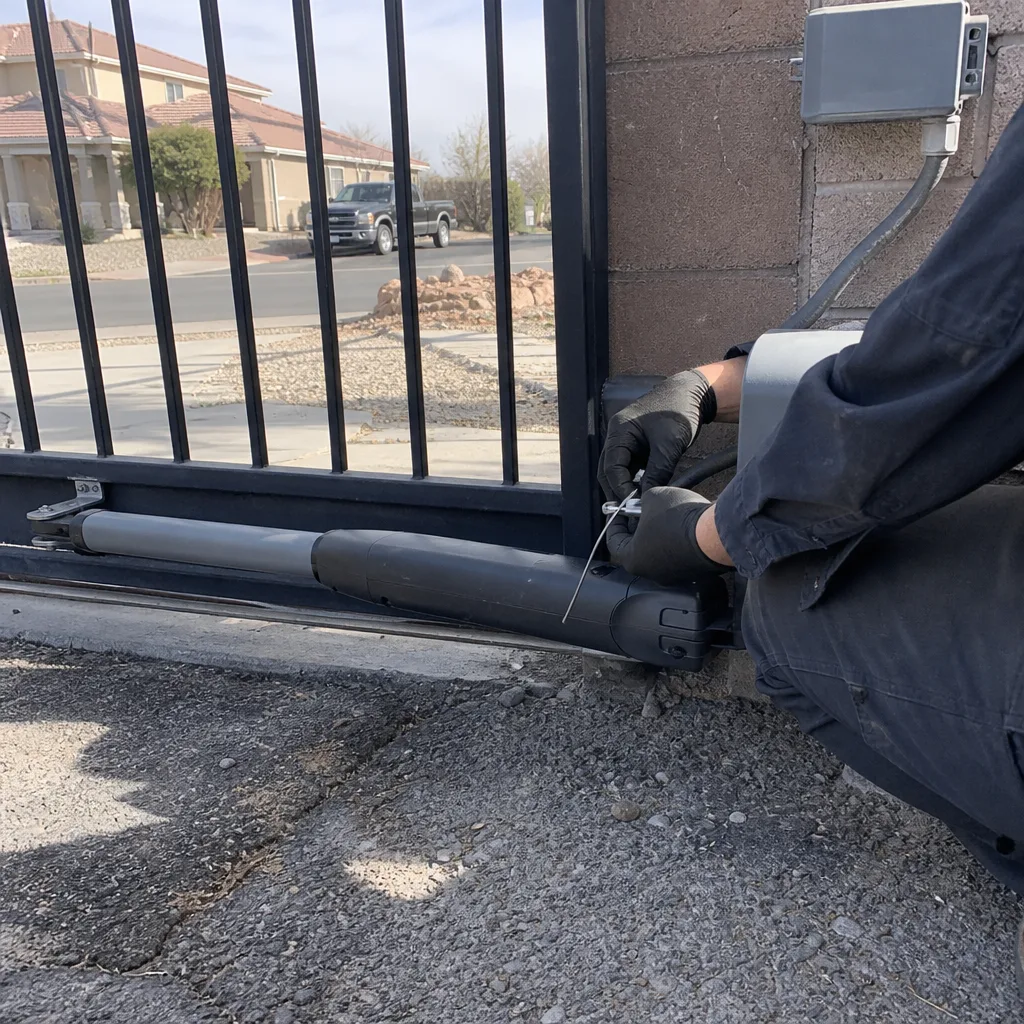
Why “plenty of sun” doesn’t mean a solar gate works in Enterprise
The generic solar-vs-electric comparison stops at “solar is convenient, electric is reliable.” That misses the actual failure we fix on Enterprise driveways. A solar gate opener runs on a charge controller that has built-in over-temperature protection. When the battery compartment, usually a black plastic box mounted on a south- or west-facing block wall, climbs past its threshold, the controller stops charging to protect the battery. The gate keeps cycling, the battery drains, and the gate quits mid-afternoon when it looks like there’s all the sun in the world. It’s the thermal-cutoff loop, and it’s why a panel generating plenty of wattage can still leave you with a dead gate by 3 p.m.
A black box on a sun-blasted wall is an oven. In an Enterprise side yard facing west, that compartment can run far hotter than the ambient air, and no amount of panel wattage fixes a controller that’s protecting itself. We’ve seen gates behave perfectly in spring and fail every July, which tells you the panel was never the problem.
The desert thermal-cutoff failure loop, step by step
- The charge controller’s over-temperature protection trips as the battery box overheats in direct sun.
- Charging stops even though the panel is producing power.
- The gate keeps drawing from the battery for each open and close cycle.
- The battery drains faster than it can recover while the box stays hot.
- The gate fails mid-afternoon, resets overnight as things cool, and repeats the next day.
That cycle is a sizing-and-placement problem as much as a hardware problem. Shade the box, size the panel and battery for the real cycle count, and a solar setup can be honest and reliable. Skip those steps and you’re buying a yearly callback.
Solar vs electric: the honest use-case split for Enterprise gates
Solar makes real sense on certain Enterprise gates, and hardwired AC makes sense on others. Here’s the split we walk homeowners through before quoting a job.
| Factor | Solar opener | Hardwired electric (AC) |
|---|---|---|
| Best for | Side-yard or back-yard gates under ~10 cycles/day | Front driveway gates, busy households, community entries at 50+ cycles/day |
| Conduit cost | None – big savings where trenching is hard | Higher upfront where conduit has to run far |
| Heat risk | High in exposed desert installs (thermal cutoff) | Low – no battery to cook |
| Monsoon risk | Panel and controller exposed to wind and dust | Needs GFCI and surge protection (we install it every time) |
| Long-term reliability | Depends entirely on sizing and placement | Steady power, fewer surprises |
If your gate lives in a back corner where running conduit means tearing up finished landscaping, solar is often the smarter spend. If it’s the gate your family drives through four times before lunch, hardwired is the answer. For brand-specific guidance on operators, our Gate Motor & Opener page lays out the options we service, and the Gate Motor & Opener in Enterprise page covers local installation directly.
Monsoon season changes the math for hardwired systems
Going hardwired isn’t a free pass from the desert either. Enterprise flash-flood rain events and monsoon wind routinely trip GFCI outlets and send surges down unprotected gate operators. A surge suppressor on the low-voltage wiring isn’t optional here. It’s something we install on every hardwired job, because a control board fried by a single storm costs more to replace than the suppressor ever did.
Wind-blown sand off the open desert edges also grinds hinges and rollers and clogs photo-eye sensors, so a hardwired gate still needs the mechanical side kept honest. Our gate repair service handles the hinge, roller, and sensor work that keeps any operator, solar or AC, from fighting itself.
What the HOA expects when you add a solar panel
Enterprise is a master-planned, HOA-heavy suburb, and many communities require that a solar panel on a gate match approved colors and profiles. A bright aluminum panel frame bolted to a black powder-coated iron gate can draw a compliance notice. Panel placement and trim matter as much as the hardware. Because these tract-home clusters went up fast in the 1990s and 2000s, block after block shares the same approved iron or vinyl design, so getting the panel and mounting to match the association’s spec is part of doing the job right. We check the recorded CC&Rs before we mount anything.
What we do on-site, and why it stays in your driveway
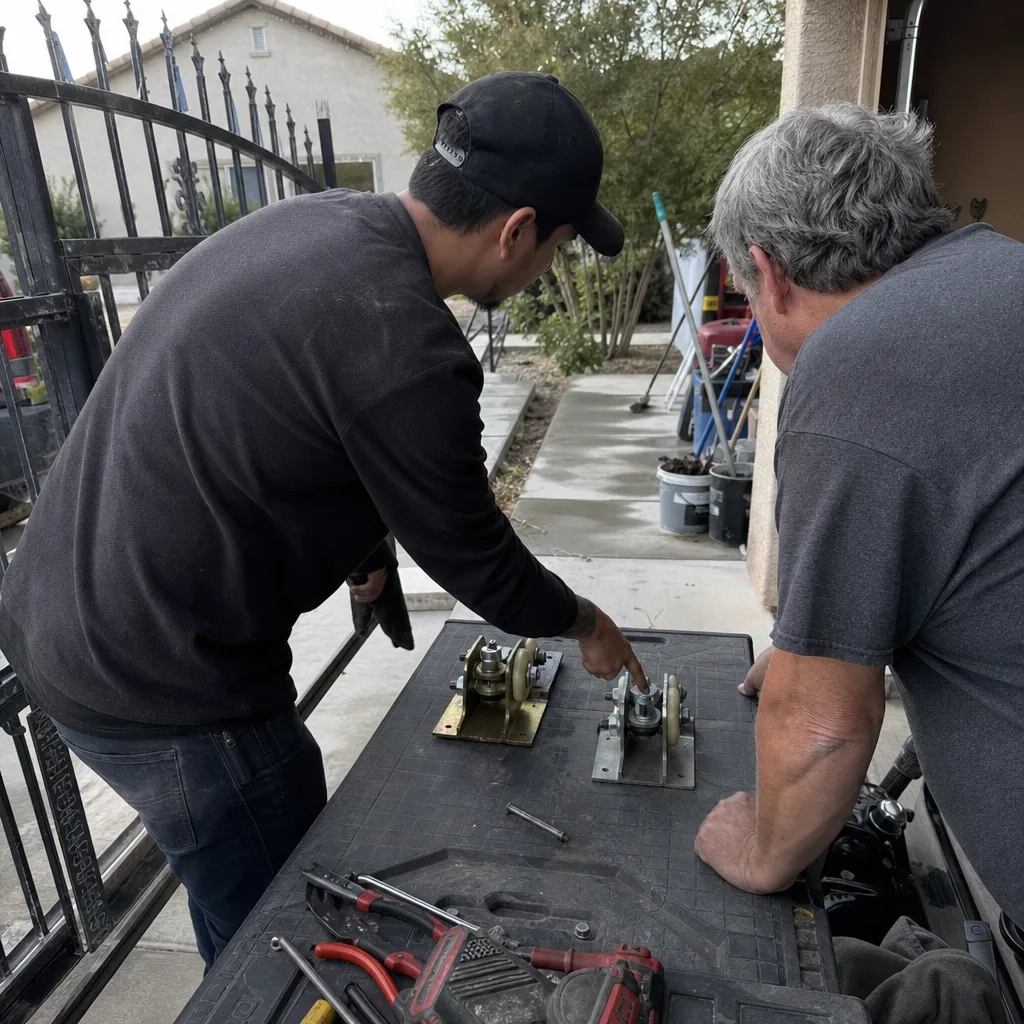
Whether a gate goes solar or hardwired, we weld and repair on site rather than hauling the gate off. A gate sags in the hinge post, not in the middle, and that’s where we start. Fix the panel without the post and you’ll fix it twice. Our technicians have up to 25 years of experience, and every job carries the 90-Day Done Right Promise in writing. If a solar install underperforms in its first summer because of a sizing mistake, we come back and make it right, no fine print. That covers the whole installation, panel and controller included.
We service the operators most Enterprise gates actually run: Ghost Controls, DoorKing, Elite, and Mighty Mule among them. Standing offers keep the pricing honest: $40 off any repair over $200, no trip charge inside the county, a free second opinion on any written estimate, and a permanent 10% discount for seniors and veterans.
One safety note. Gate operators run on live electrical and the swing and slide mechanisms carry serious force. Wiring, panel taps, and control-board work are jobs for a trained professional. Please don’t crack open a 120V feed or a controller enclosure yourself. A mistake there is dangerous, and it can void the warranty on the operator.
Key takeaways
- Hardwired AC wins for front driveway and community gates at 50+ cycles a day; solar wins for low-cycle side and back gates under ~10 a day.
- In Enterprise heat, a sun-baked battery box can trip the charge controller’s thermal cutoff and strand your gate by mid-afternoon even with strong sun.
- Hardwired systems still need GFCI and a low-voltage surge suppressor to survive monsoon season.
- HOA rules can dictate panel color and placement, so match the approved gate spec before mounting.
- The 90-Day Done Right Promise covers the full install, sizing mistakes included.
FAQs
Electric (hardwired AC) is better for any gate that opens more than about 10 times a day or sits on a front driveway, while solar is better for low-cycle side and back-yard gates where running conduit is costly. In Enterprise heat, the deciding factor is usually whether the battery box can stay out of direct sun.
Your charge controller is almost certainly hitting its thermal cutoff because the battery compartment is overheating in direct sun. Charging stops to protect the battery, the gate drains what’s left, and it quits mid-afternoon. Call (833) 780-1547 and we’ll check placement and sizing before you replace a panel that isn’t broken.
Yes. Monsoon flash-flood rain and wind events in Enterprise trip GFCIs and send surges down gate wiring, and an unprotected control board is the first thing to fail. We install a low-voltage surge suppressor on every hardwired job so a single storm doesn’t cost you a board.
Often yes, but only if the panel and frame match the community’s approved colors and profile. Some Enterprise associations require it. We check the recorded CC&Rs before mounting so a bright aluminum frame doesn’t draw a compliance notice on your black iron gate.
If you’d rather have it looked at, Gatewood Fence & Gate Enterprise offers a no-pressure assessment in Enterprise. We’ll tell you straight whether your gate is a solar candidate or a hardwired one. Call (833) 780-1547 for a free estimate, and you can always start here.
Written by the team at Gatewood Fence & Gate Enterprise, serving Enterprise, NV.