
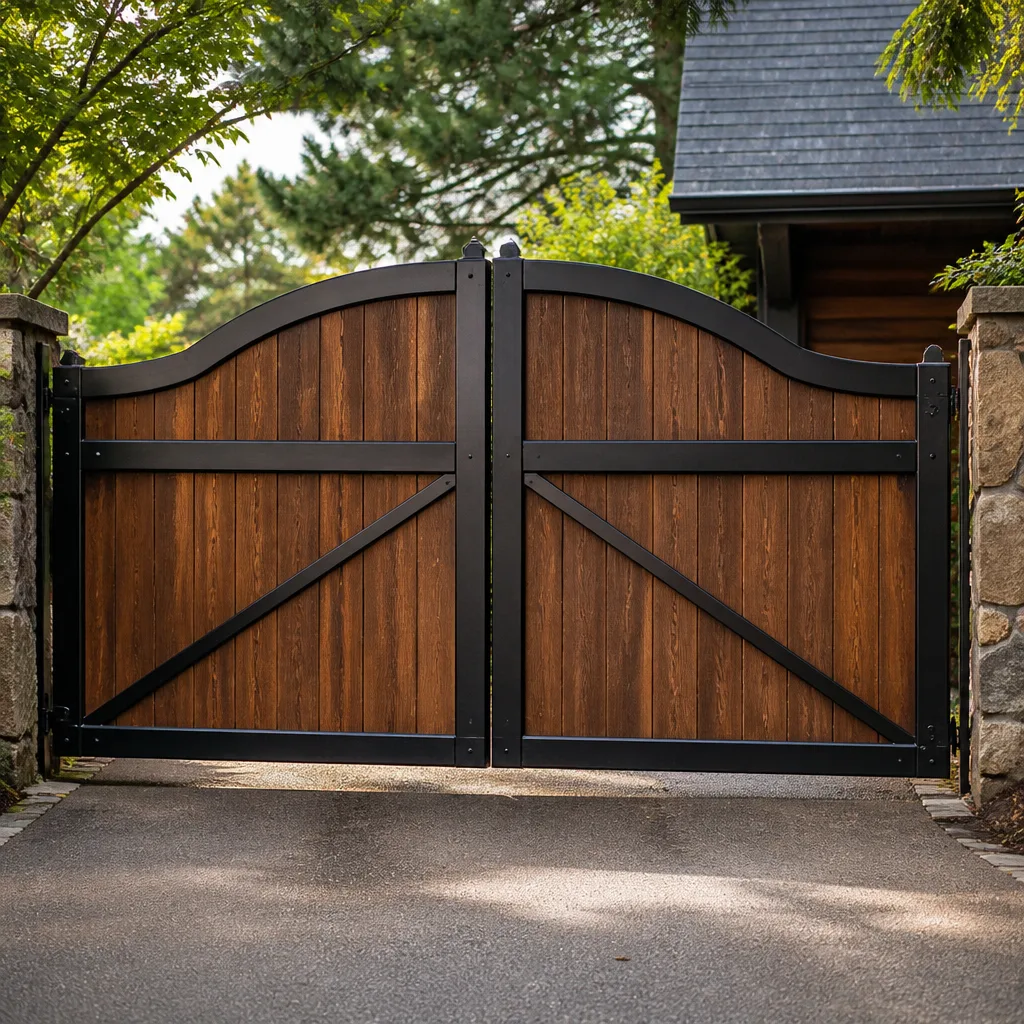
 Wood & steel frame
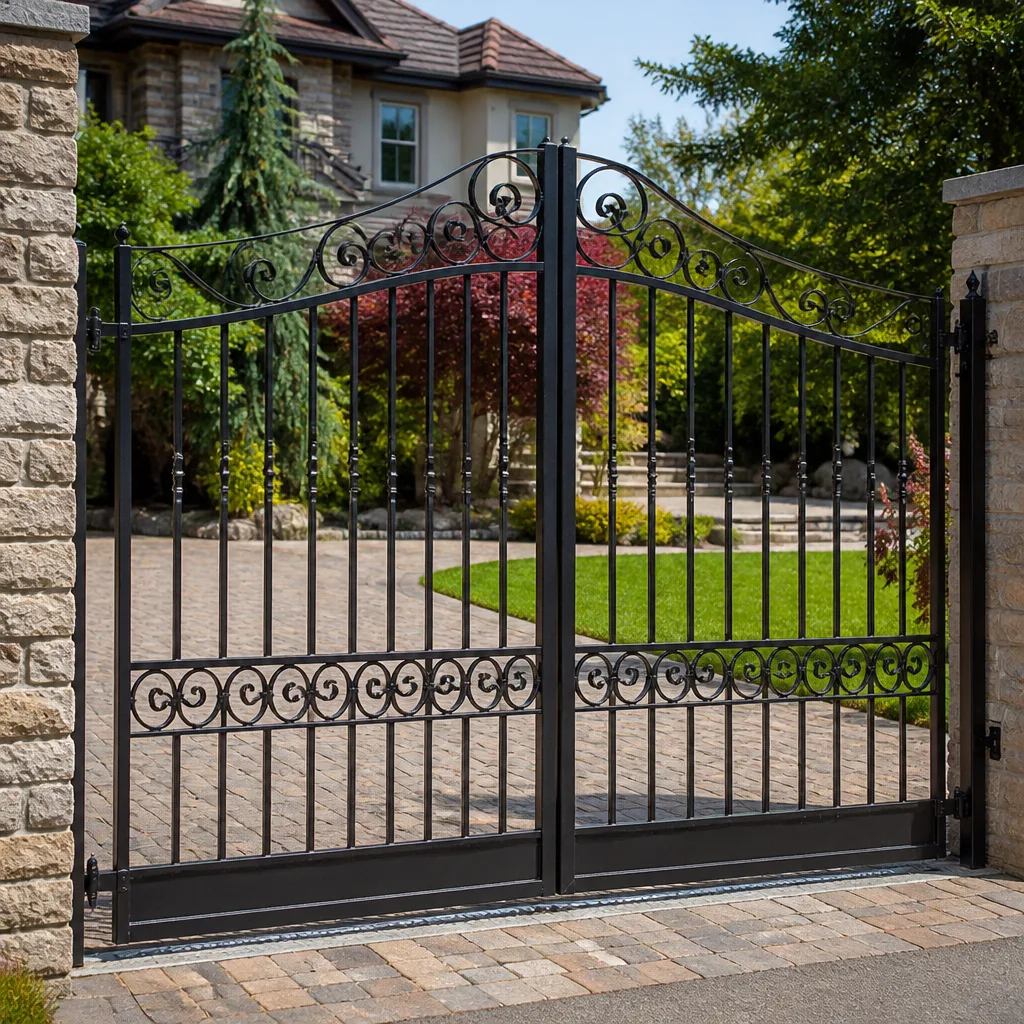 Wrought iron
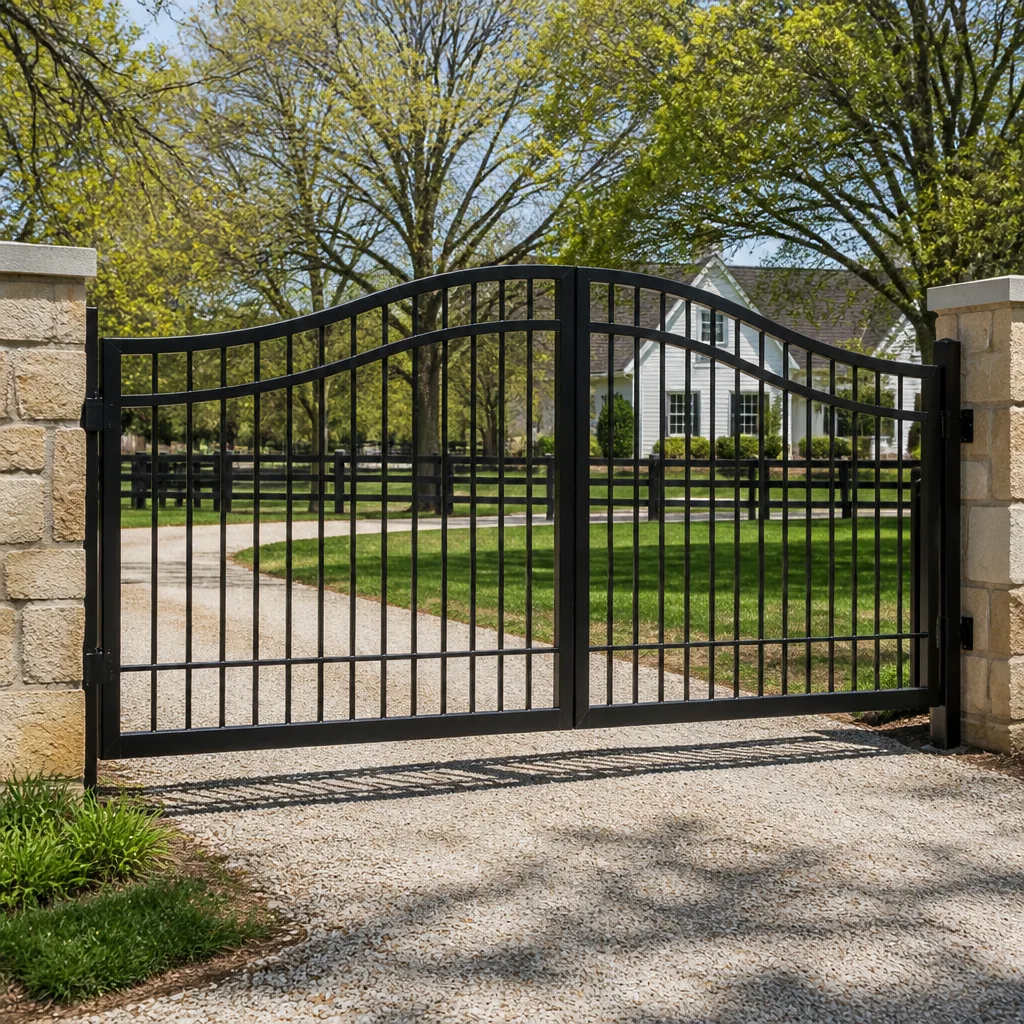 Farm & ranch
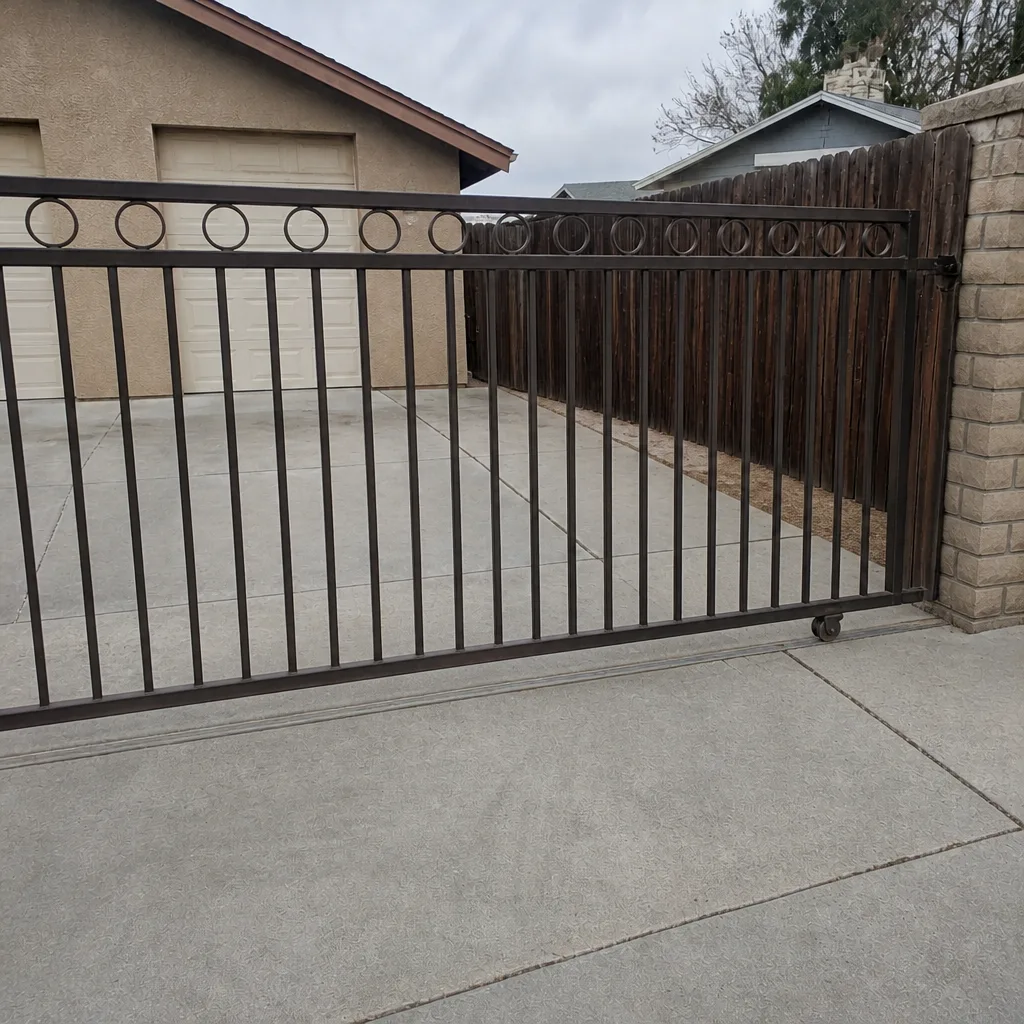
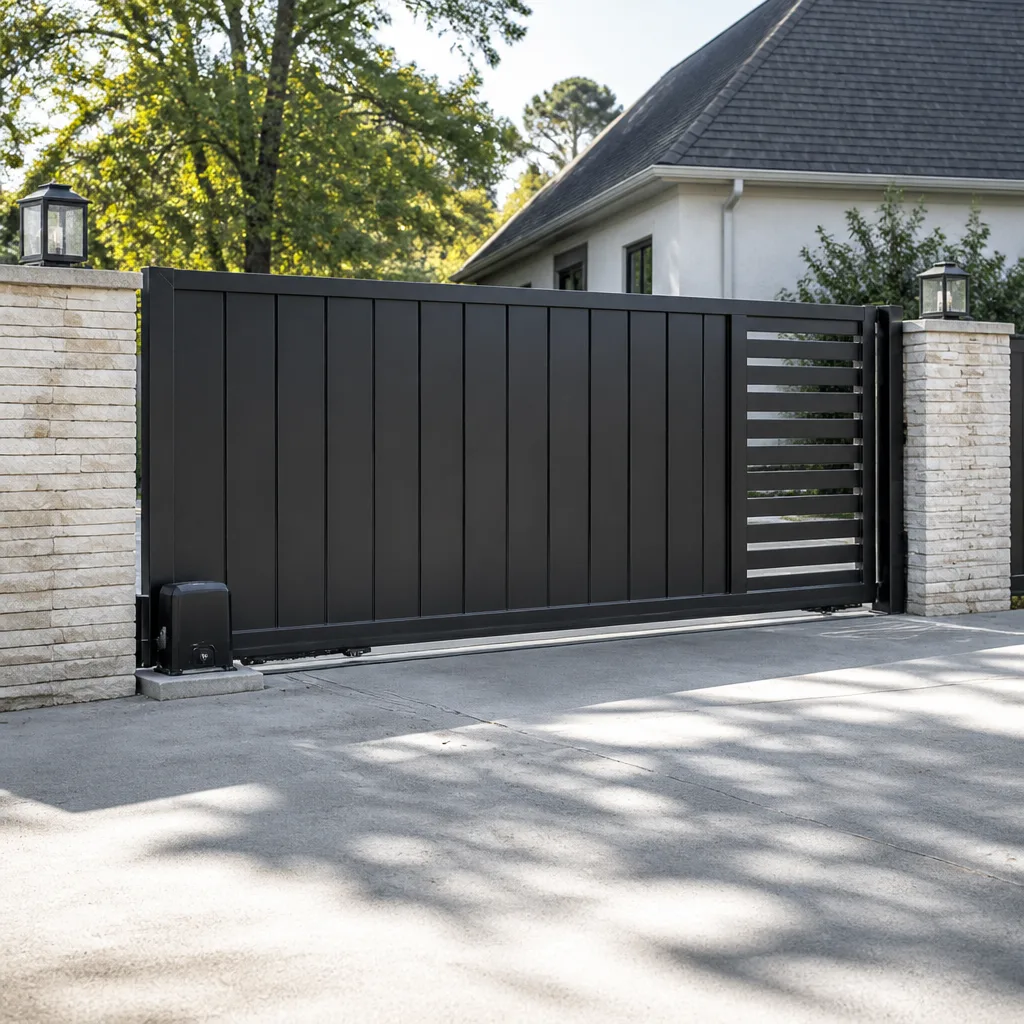 Sliding driveway gates
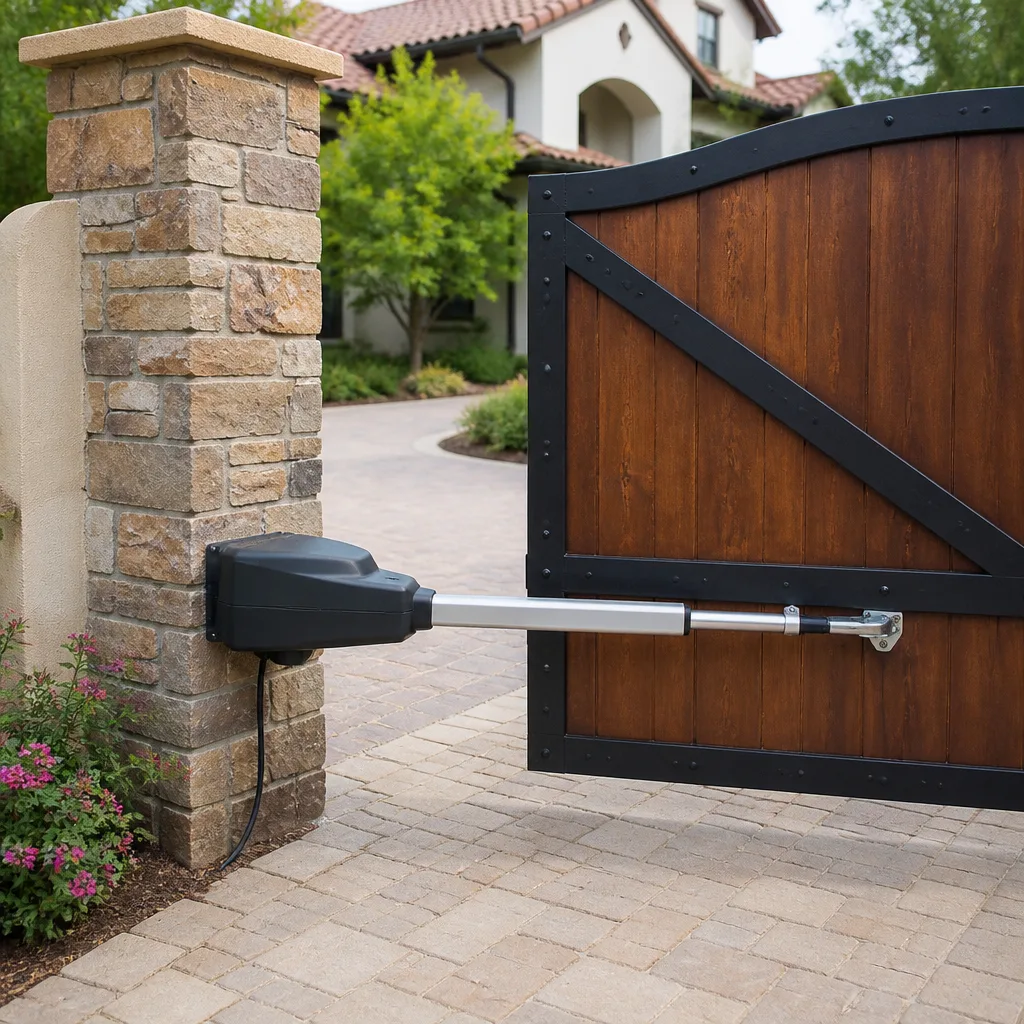 LiftMaster operators
Free on-site gate assessment - hinges, posts, and your LiftMaster or Nice gate operator checked before anything is quoted
The assessment is free and the quote is the invoice.
Get your free estimateStyles & brands we work with
- Wrought iron
- Wood & steel frame
- Farm & ranch
- Sliding driveway gates
- LiftMaster operators
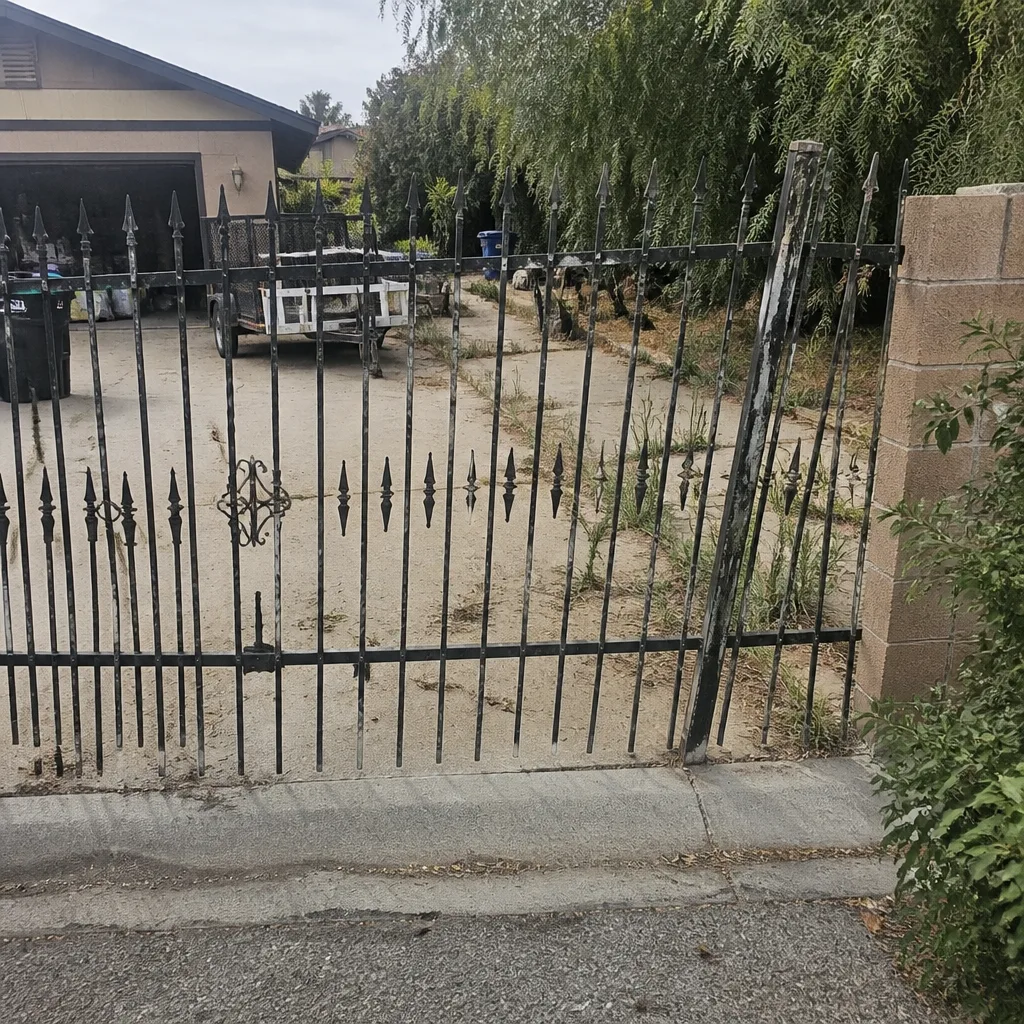
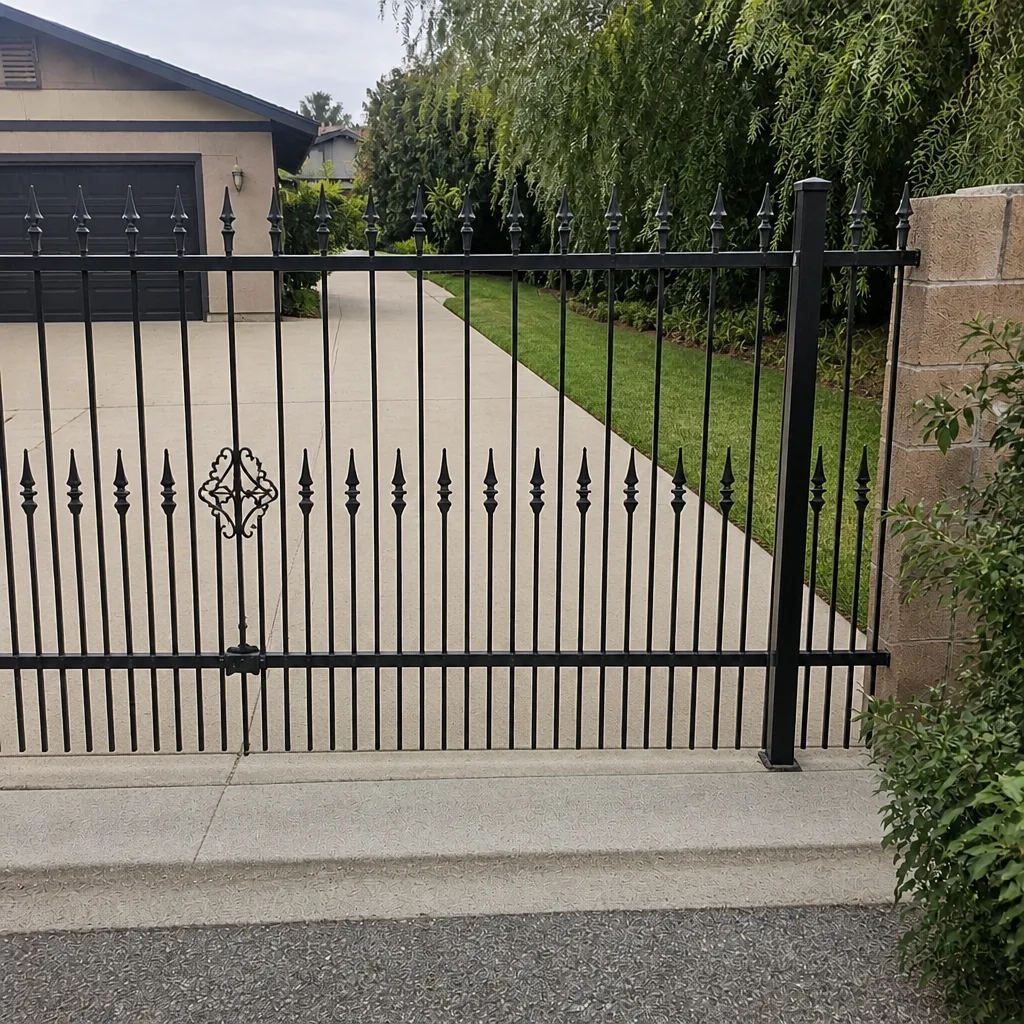
See the difference
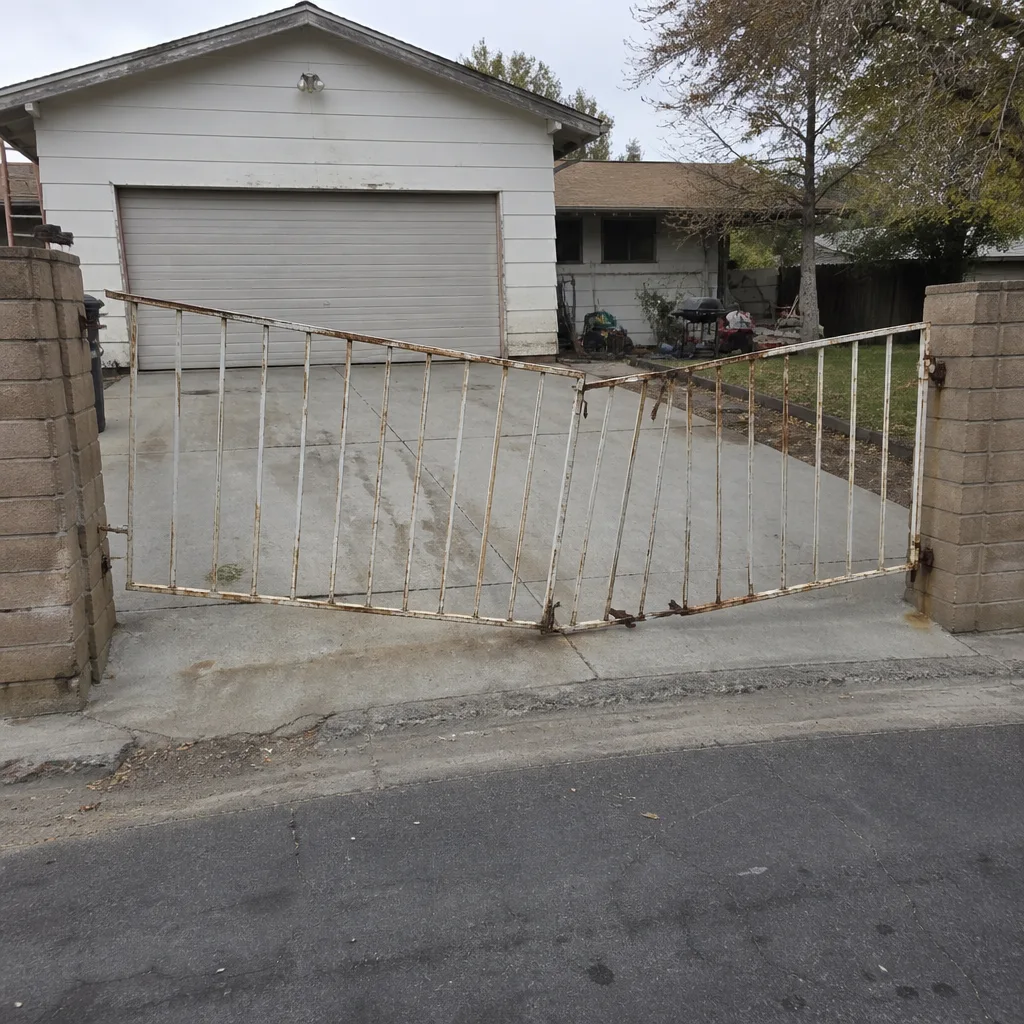 Before
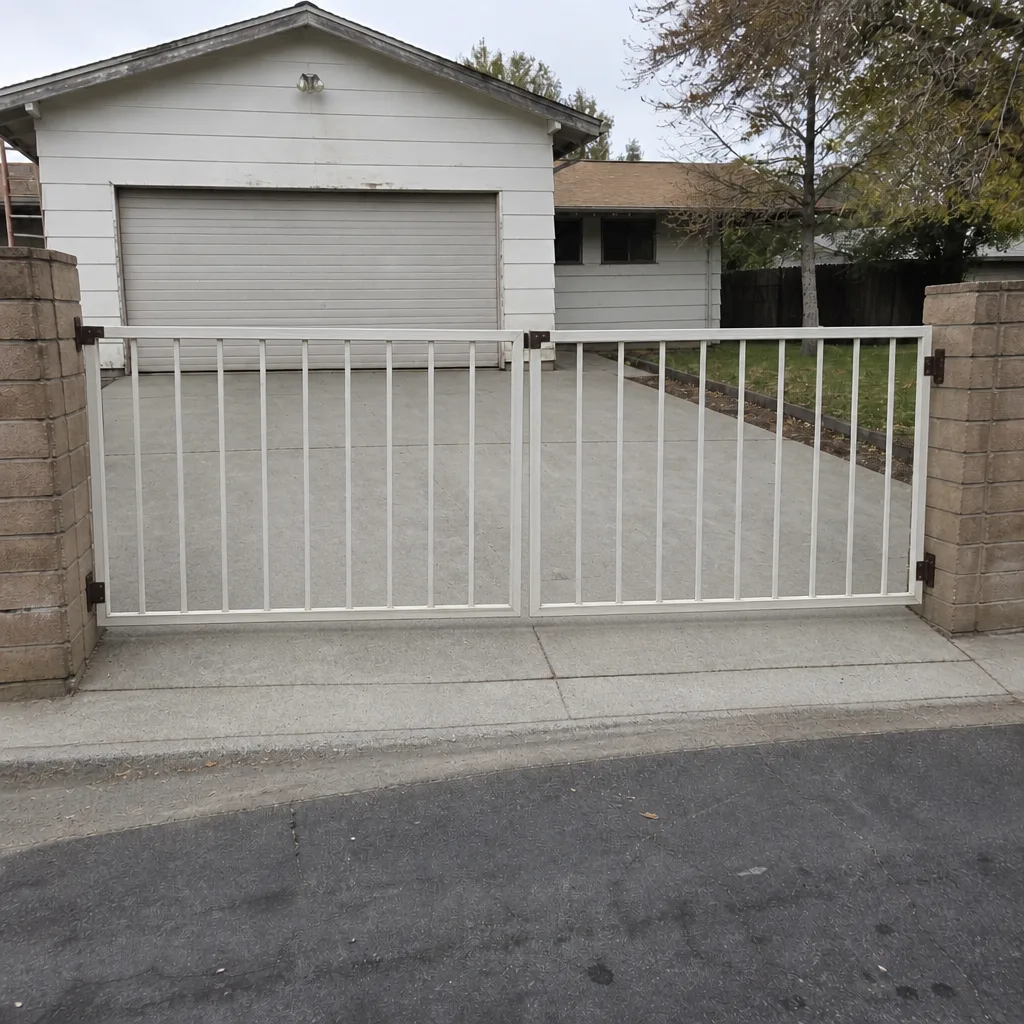 After
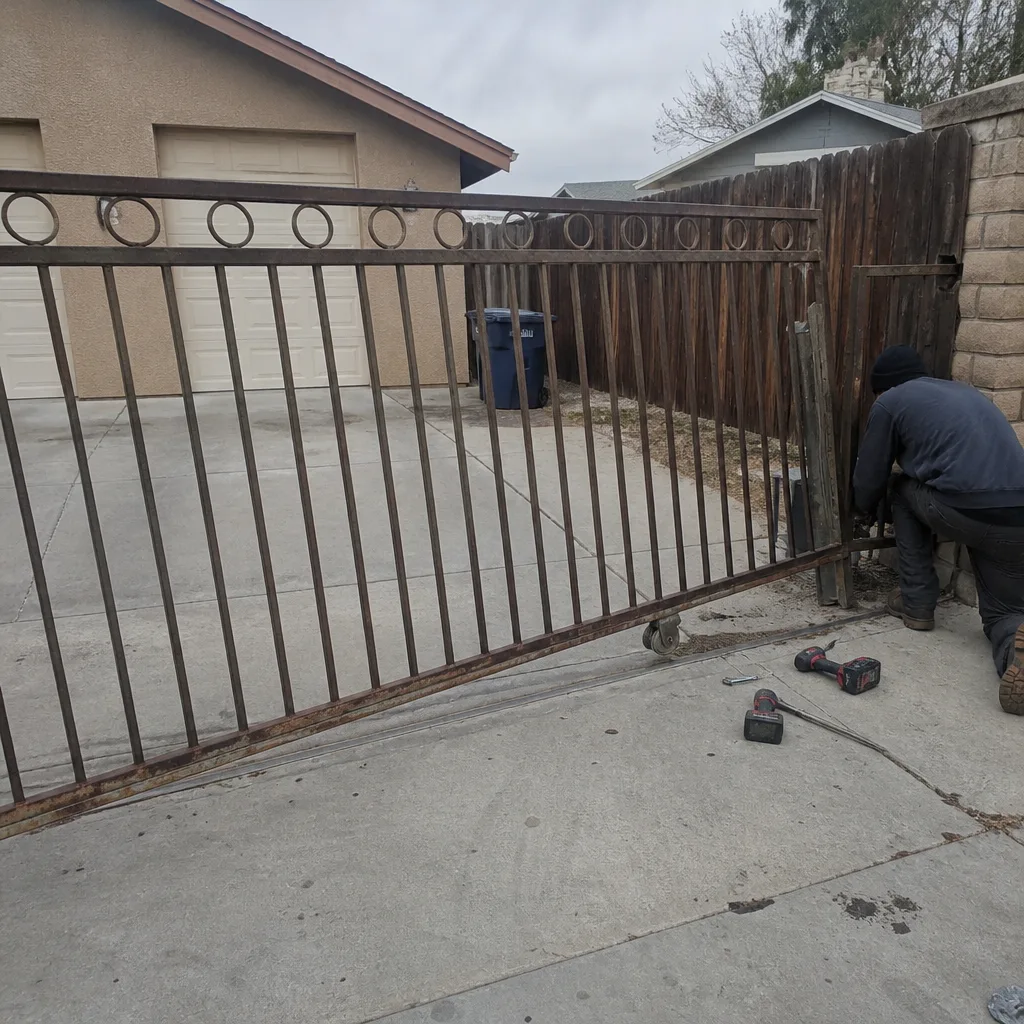 Before
 After
 Before
 After
How Do Gate Access Control Systems Work in Enterprise, NV?
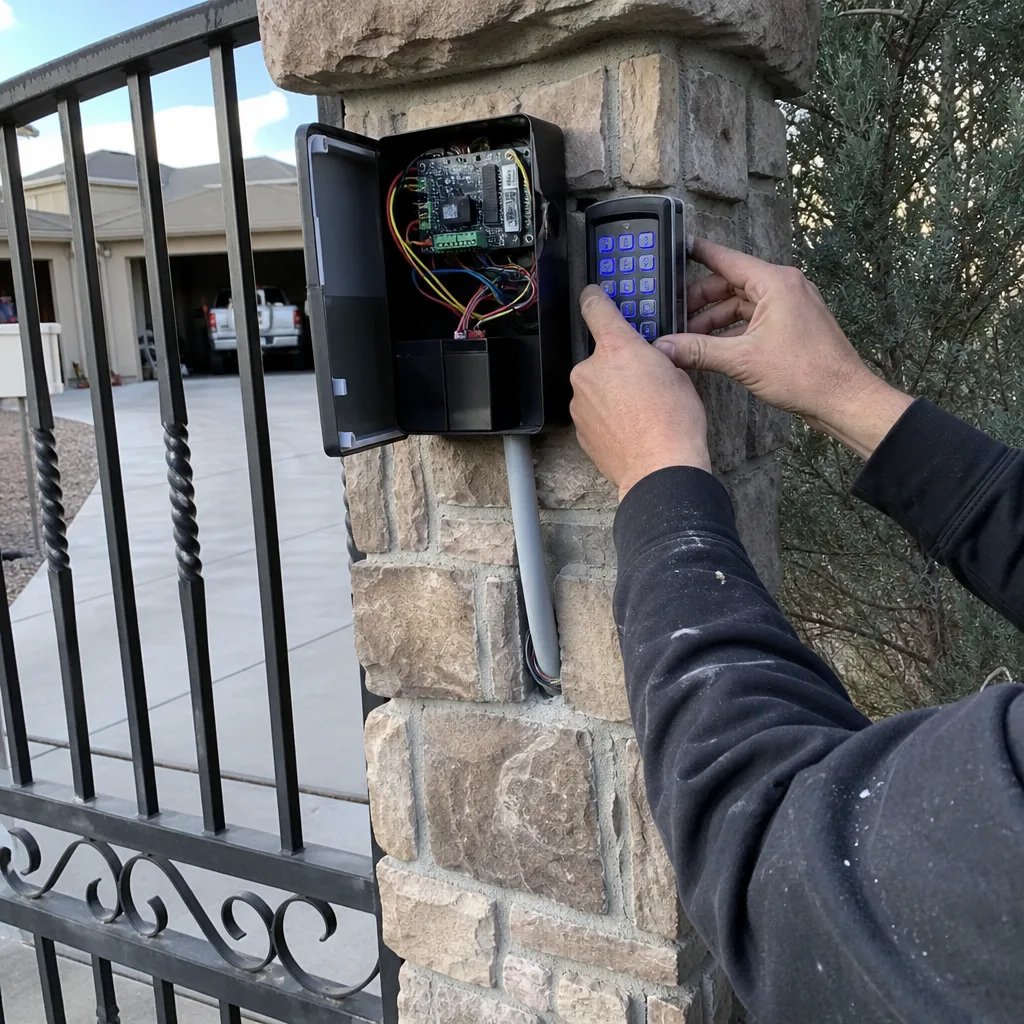
A gate access control system works by passing a signal from your credential (fob, keypad, or call box) to an access controller board, which then triggers a relay that tells the gate operator to open. In Enterprise’s master-planned communities, that controller board and relay are usually shared across an entire entry system, so when the board fails, every resident is locked out at once, not just the one whose fob stopped working. Knowing which layer failed is the difference between a five-minute fix and replacing an operator that was never broken. Call (833) 780-1547 if you’re standing at a dead gate right now.
The short answer, in plain terms
Here’s the sequence every time you drive up to an Enterprise entry gate:
- Credential. You wave a fob, type a code, or a visitor presses the call box. That’s the input.
- Controller board. The credential reader sends a signal to a controller board mounted nearby. The board decides whether that credential is allowed.
- Relay. If the credential passes, the board closes a relay, which is just a small switch that sends power to the operator.
- Operator. The operator (the motor and gearbox, often a LiftMaster or FAAC unit in these tracts) does the actual opening.
- Limit switches and safety sensors. As the gate travels, limit switches tell the operator when to stop, and photo-eye sensors watch for anything in the path.
Most generic explainers stop at “the opener gets a signal.” In Enterprise, the part that actually fails is usually step two or three, the controller board and relay that sit upstream of the operator. That’s the shared-infrastructure layer, and it’s where the real troubleshooting starts.
Why One Failed Relay Locks Out the Whole Street
Enterprise was built out fast during the 1990s and 2000s, block after block of stucco homes behind shared community gates, and many of those call-box systems date to the original tract construction. That matters because in a multi-unit entry system, hundreds of residents’ credentials route through one controller board. When a relay solder joint cracks or a terminal strip corrodes, every fob and keypad on that board goes dead at the same time.
We see this constantly in Enterprise’s HOA tracts. A homeowner calls convinced their fob battery died. Ten minutes later the neighbor calls with the identical story. When several units on the same loop fail together, the credential was never the problem. The board was. That’s the single most useful thing to know before you call anyone: if everyone lost access, look upstream, not at your keypad.
The wind-blown sand that rolls in off the open desert edges of Enterprise makes it worse. It works into terminal strips and photo-eye housings, grit builds up, corrosion follows. A gate that “acts randomly” is often just a corroded relay contact that makes and breaks with temperature. If you’d rather have a trained eye trace that circuit than guess, Gate Access Control covers what we check first.
Why Mojave Heat Turns a Sensor Problem Into a Board Replacement
Enterprise summer highs routinely top 100°F, and that heat does predictable damage inside the operator and controller enclosures. Electrolytic capacitors on control boards dry out and fail. Photo-eye sensors false-trigger when the sun bakes them, so the gate reverses or refuses to close on a clear day with nothing in the path. Homeowners read that as “the gate has a mind of its own.” It’s heat and age, and it usually points to a board replacement rather than a sensor wipe-down.
Then monsoon season arrives, and the electrical surges that ride in with those storms take out boards that were already stressed. That’s when a whole community loses access at 11 p.m. When it happens, there’s a live person to call, not a voicemail box. Same for the wind-and-sand combo that grinds sliding-gate rollers flat and fouls photo-eyes on the desert-edge tracts.
The HOA Compliance Layer Most People Don’t Know About
In Enterprise, a board swap or access-control upgrade isn’t just a technical job. Nearly every community gate falls under recorded CC&Rs that name an approved equipment list, and the replacement has to match it. A technician can’t just drop in a universal board and call it done; the association has to see the equipment matches spec. Before we order a single part, we verify the replacement against the CC&R-approved system and confirm the operator brand (DoorKing and Elite systems are common on these entry gates) so the fix passes association review the first time.
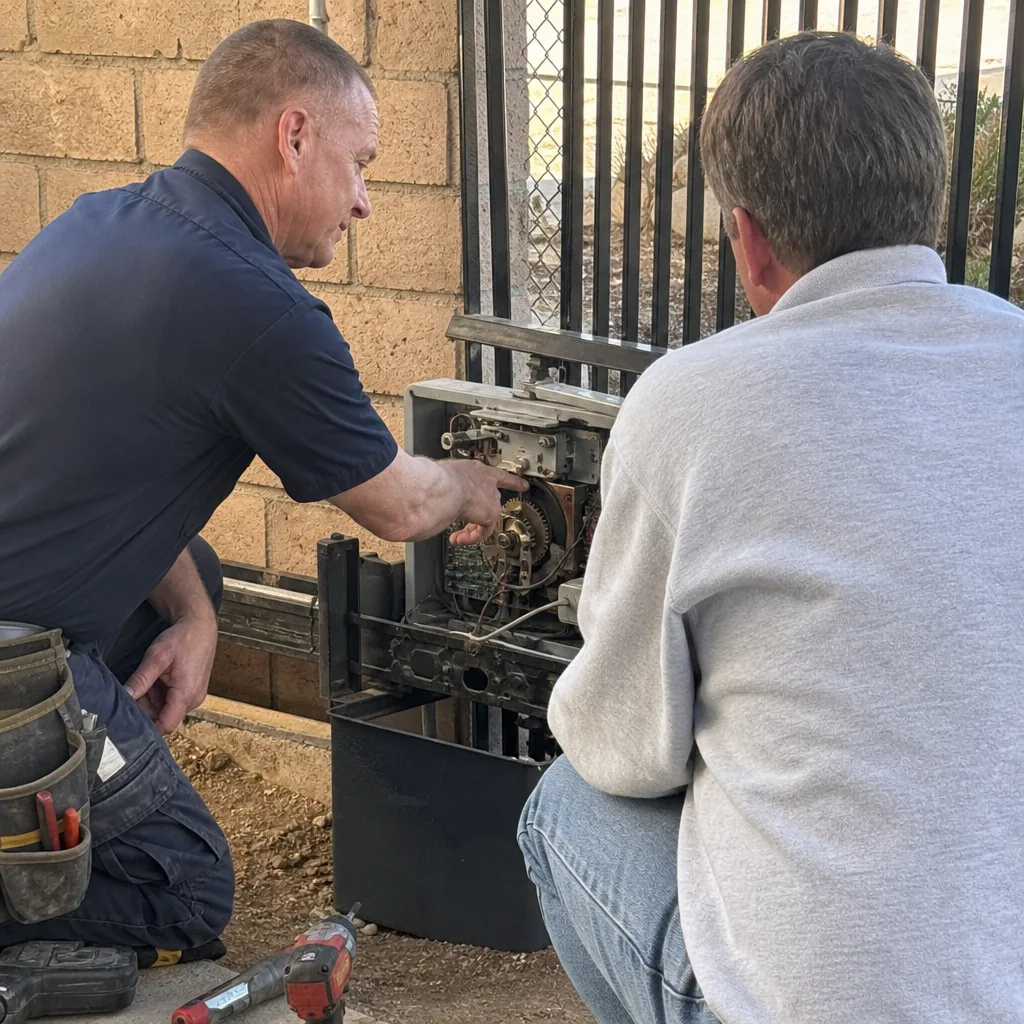
This is exactly why the repair-first approach matters here. When a controller can be repaired on site instead of swapped for a non-compliant generic unit, you skip the approval headache and the gate is working the same afternoon.
What This Means for Sliding Gates and Side-Yard Gates
Not every gate in Enterprise sits at a community entrance. Plenty of homes have a wall-mounted side-yard gate or a sliding driveway gate on their own operator, and the signal chain is shorter there: one credential reader, one small controller, one operator, no shared relay. Those systems fail one household at a time, which is actually easier to diagnose. A sagging sliding gate, though, is a mechanical problem the electronics can’t fix. A gate that sags does it at the hinge post, not in the middle, and if the post or roller is worn, the smoothest operator in the world will still strain and false-trip. We start there.
| Repair | Ballpark range |
|---|---|
| Keypad / credential reader replacement | $150 – $350 |
| Controller board repair or replacement | $300 – $750 |
| Photo-eye / safety sensor service | $120 – $280 |
| Relay / terminal strip repair | $180 – $400 |
| Full operator replacement | $900 – $1,800 |
Those are real ranges for this market, not a phone quote that changes at the door. Standing offers apply too: $40 off any repair over $200, no trip charge inside the county, a free second opinion on any written estimate, and a permanent 10% discount for seniors and veterans. Nobody should have to haggle for a fair number.
When to Call Instead of Troubleshoot
If it’s just your fob and the neighbor’s gate works fine, start with the battery. But the moment a whole community loses access, or a gate reverses on its own in the heat, or you smell hot wiring at the controller box, stop. Control boards and 120-volt relay wiring carry real shock risk, and photo-eye alignment and operator internals are no place for a homeowner with a multimeter. Our technicians have up to 25 years of experience and are background-checked, and every job carries the 90-Day Done Right Promise in writing. Gatewood Fence & Gate Enterprise handles gate repair and access control across Enterprise, and we’re certified on the brands that show up on these systems, including LiftMaster, FAAC, Elite, and DoorKing.
FAQs
Because the shared access controller board or its relay failed, not your credential. When everyone loses access at once, the problem sits upstream of the operator, at the board that routes all the residents’ signals. That’s a board or relay repair, and it’s usually a same-visit fix once we trace the circuit. Call (833) 780-1547 and we’ll get someone out to check the controller.
Most Enterprise access-control repairs run $120 to $750 depending on the part, with full operator replacement at $900 to $1,800. A keypad or reader swap sits near the low end; a controller board replacement runs higher because the part and the CC&R verification take more time. Estimates are free and upfront, so call (833) 780-1547 for an exact number.
Often yes, and repairing beats replacing when the rest of the system is sound. Corroded terminal strips, failed relays, and cracked solder joints can frequently be fixed on site, which keeps you compliant with your association’s approved equipment list and saves the cost of a new board. We’ll tell you honestly which one your gate needs.
It does, and it’s one of the most common failure causes we see here. Sustained 100°F-plus heat dries out capacitors on control boards and causes photo-eye sensors to false-trigger, which is why so many “random” gate failures show up in July and August. If your gate reverses on its own in the heat, call (833) 780-1547 before it strands the whole community.
If you’d rather have it looked at than troubleshoot it yourself, Gatewood Fence & Gate Enterprise offers a no-pressure assessment anywhere in Enterprise, and a live person answers the phone around the clock. Call (833) 780-1547 for a free estimate and we’ll trace the signal chain from credential to operator and tell you exactly what failed.
Written by the team at Gatewood Fence & Gate Enterprise, serving Enterprise, NV.